
When you’re sourcing Arizona fieldstone irregular stone for retaining walls and garden borders, you’ll quickly discover that material selection goes far beyond aesthetics. The irregular geometry that makes fieldstone visually striking also creates unique structural considerations you won’t encounter with dimensional stone. Your project’s long-term performance depends on understanding how these naturally fractured pieces interlock, distribute loads, and respond to Arizona’s extreme thermal cycling.
Arizona’s climate imposes demands on fieldstone that differ significantly from temperate regions. You’re specifying material that must withstand 110°F+ surface temperatures, UV exposure exceeding 340 days annually, and thermal expansion cycles that can exceed 80°F daily variation. The fieldstone you select needs proven porosity characteristics to manage moisture without compromising structural integrity during monsoon season, yet maintain dimensional stability during extended drought periods.
Material Characteristics of Irregular Geometry
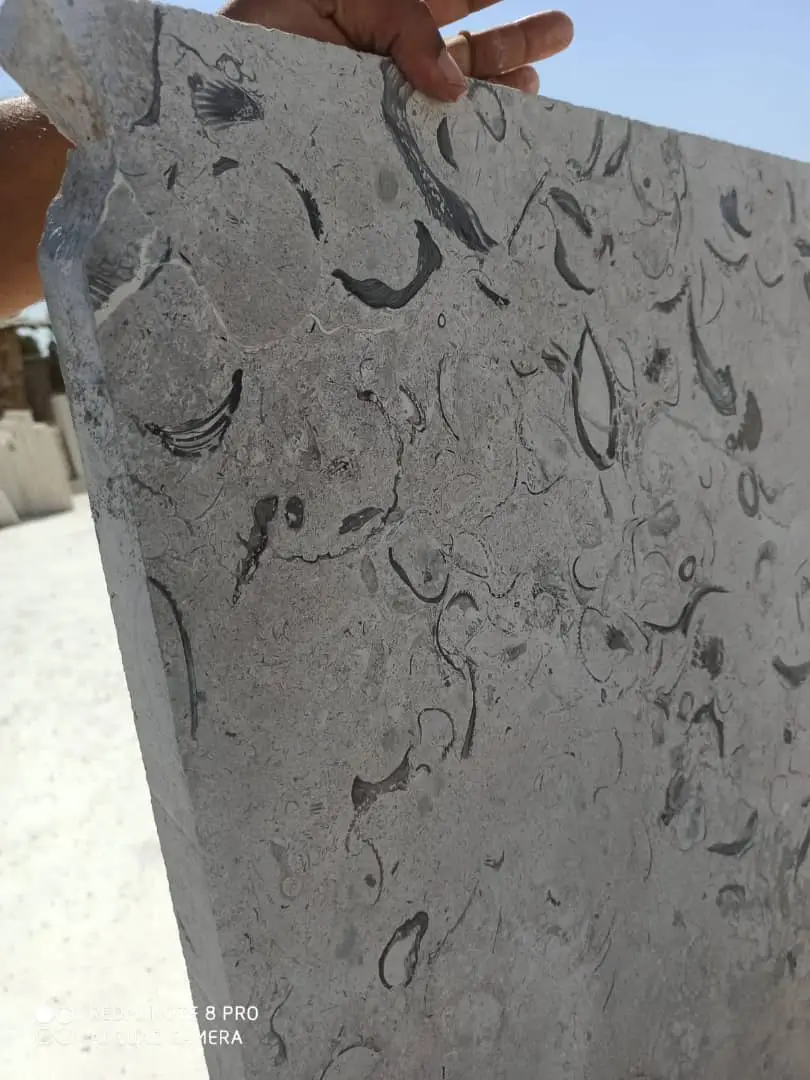
Arizona fieldstone irregular stone exhibits naturally fractured surfaces and variable dimensions that create both opportunities and constraints in wall construction. Unlike quarried dimensional stone with predictable geometries, you’re working with pieces ranging from 4 inches to 24 inches in longest dimension, with thickness variations of 2 to 8 inches within the same pallet. This variability requires you to approach installation as a three-dimensional puzzle rather than a systematic stacking process.
The irregular surfaces provide superior mechanical interlock compared to smooth-faced stone. When you position pieces correctly, the angular contact points create friction coefficients of 0.65-0.75, significantly higher than the 0.42-0.48 you’d achieve with flat surfaces. This mechanical advantage becomes critical in retaining wall applications where lateral earth pressure generates sustained loading. Your wall’s stability depends more on proper piece selection and placement than on mortar strength alone.
- You should evaluate each stone’s longest dimension and orient it perpendicular to the wall face for maximum tie-back depth
- Your installation crew needs to identify natural bedding planes in sedimentary fieldstone and position them horizontally to prevent delamination
- You’ll achieve optimal load distribution when you select stones with contact areas exceeding 35% of their face surface
- The material’s compressive strength typically ranges from 6,500 to 11,000 PSI depending on stone type and weathering exposure
Thermal Performance in Desert Applications
When you specify Arizona fieldstone irregular stone for exposed applications, you’re dealing with thermal mass behavior that significantly impacts both installation timing and long-term performance. Fieldstone typically exhibits thermal conductivity of 1.2-2.8 BTU/(hr·ft·°F) depending on density and porosity. This creates a 3-4 hour thermal lag between peak air temperature and peak stone surface temperature, which affects everything from mortar curing to joint material selection.
Surface temperatures on dark Arizona fieldstone can reach 145-165°F during summer afternoons. You need to account for this when selecting mortar formulations and planning installation schedules. Standard Type N mortar experiences accelerated water loss at surface temperatures exceeding 140°F, reducing working time from 90 minutes to approximately 35 minutes. Your specifications should mandate Type S mortar with plasticizer admixtures for summer installations, and you’ll want to restrict fieldstone work to morning hours when surface temperatures remain below 110°F.
The coefficient of thermal expansion for most Arizona fieldstone irregular stone ranges from 4.8 × 10⁻⁶ to 6.2 × 10⁻⁶ per °F. Over a typical 80°F daily temperature swing, a 10-foot wall section expands approximately 0.048 to 0.062 inches. You should incorporate vertical control joints every 20 feet in dry-stacked applications and every 25 feet in mortared walls. When you’re working with fieldstone suppliers Arizona wall stone in full-sun exposures, reduce these intervals by 15-20% to prevent stress concentration at corner transitions.
Porosity and Moisture Management
Arizona fieldstone exhibits porosity characteristics ranging from 2.5% to 8.5% depending on stone type and geological formation. This variability directly impacts how you design drainage systems and select sealers. Sandstone-based fieldstone typically shows porosity at the higher end of this range, while metamorphic varieties trend toward the lower values. You can’t rely on visual inspection alone—proper specification requires laboratory testing or verification data from your supplier.
The interconnected pore structure in higher-porosity fieldstone creates capillary action that can transport moisture 18-24 inches vertically over 48 hours. In retaining wall applications, this means you need positive drainage behind the wall even when using permeable fieldstone. Your detail drawings should specify drainage aggregate extending to within 6 inches of finish grade, with 4-inch perforated pipe at the footing level. When you work with fieldstone suppliers Arizona landscaping projects, verify that backfill specifications prevent clay-based soils from direct contact with the stone face.
- You should test absorption rates using ASTM C97 procedures, targeting values below 3% by weight for freeze-thaw exposed applications
- Your sealer selection must account for vapor transmission—aim for products allowing minimum 15 perms to prevent subsurface moisture accumulation
- Natural fieldstone Arizona walls in northern regions require penetrating sealers rather than film-forming products to accommodate freeze-thaw cycling
- The material’s drying time after saturation ranges from 36 to 72 hours depending on ambient humidity and porosity levels
Structural Considerations for Retaining Walls
When you design retaining walls using Arizona fieldstone irregular stone, you’re balancing the aesthetic appeal of natural stone against engineering requirements for lateral earth retention. Wall height becomes your primary design constraint. For dry-stacked applications, you should limit height to 36 inches without engineering certification. Beyond this threshold, you need either mortared construction with proper reinforcement or a hybrid approach using concrete masonry backup with fieldstone veneer.
The batter angle—the backward slope of the wall face—becomes more critical with irregular stone than dimensional block. You’ll want to maintain 2 to 3 inches of setback per vertical foot in dry-stacked walls. This translates to approximately 1:6 to 1:4 slope ratios. Mortared walls can reduce this to 1 inch per foot, but increasing the batter improves long-term stability by directing gravitational forces into the wall mass rather than creating forward rotation moments.
Your foundation requirements differ significantly from conventional walls due to irregular base geometry. You need a minimum 8-inch thick concrete footing extending 6 inches beyond the wall face on both sides. The footing width should equal 1.5 times the wall height for walls under 4 feet, increasing to 2 times wall height for structures between 4 and 6 feet. When you encounter native soils with bearing capacities below 2,000 PSF, specify geogrid reinforcement extending into the retained soil mass at vertical intervals of 18-24 inches.
Installation Methodology and Piece Selection
Successful Arizona fieldstone irregular stone installation requires your crew to think like stonemasons rather than block layers. You can’t simply stack pieces in running bond patterns—each stone needs individual evaluation for size, shape, bedding plane orientation, and contact surface area. Professional installations allocate approximately 40% more labor hours compared to dimensional stone specifically for this sorting and fitting process.
Start by spreading your stone delivery across the work area to facilitate piece selection. You’ll want to categorize stones into three groups: large anchor pieces (12+ inches in longest dimension), medium infill pieces (6-12 inches), and small chinking stones (under 6 inches). Your installation should begin with anchor pieces placed at 3-4 foot intervals, then work backward filling gaps with progressively smaller pieces. This approach maintains structural integrity while minimizing the need for extensive stone cutting.
When you work with natural fieldstone Arizona walls, the contact between adjacent stones determines structural performance. You should achieve minimum 3-inch contact length between adjacent stones in the same course, and minimum 4-inch overlap between courses. Check Citadel Stone’s fieldstone facility for pre-sorted material that reduces on-site selection time. Avoid point contacts where stones touch at single locations—these create stress concentrations that lead to cracking under sustained loads.
- You need to maintain relatively level courses despite irregular geometry, checking horizontal alignment every two to three stones
- Your mortar joints should vary from 3/4 inch to 2 inches depending on stone irregularity, but maintain consistency within visible sections
- You’ll achieve better aesthetics when you vary joint widths proportionally to stone size rather than forcing uniform spacing
- Fieldstone borders Arizona applications require different jointing techniques than vertical walls due to reduced load conditions
Mortar Specifications for Desert Conditions
Arizona’s climate demands specific mortar formulations when you’re installing fieldstone irregular stone. Standard Type N mortar (1 part portland cement, 1 part lime, 6 parts sand) provides adequate strength for non-loadbearing applications but lacks the bond strength and durability you need for retaining walls exceeding 30 inches in height. You should specify Type S mortar (1 part portland cement, 1/2 part lime, 4.5 parts sand) for structural applications, achieving minimum 1,800 PSI compressive strength at 28 days.
The sand component requires careful attention in Arizona installations. You want sharp, angular sand rather than rounded aggregate—this increases mechanical interlock and improves bond strength by 15-25%. Particle size distribution should follow ASTM C144 specifications, with 100% passing the No. 4 sieve and 5-30% passing the No. 100 sieve. Your mix design should incorporate plasticizer admixtures at 0.5-1% by weight of cement to improve workability without increasing water content, which becomes critical when ambient temperatures exceed 95°F.
Water content directly impacts bond strength and durability in fieldstone applications. You’re targeting mortar with slump values of 4-6 inches—wet enough to achieve intimate contact with irregular stone surfaces, but dry enough to prevent slumping when you stack subsequent courses. In practice, this typically requires water-to-cement ratios of 0.45-0.55 by weight. When you notice mortar skinning over within 10 minutes of mixing, you’re experiencing excessive water loss to hot, dry conditions and need to reduce batch sizes or implement misting protocols.
Drainage Integration in Wall Systems
Even though Arizona receives limited annual precipitation, monsoon events can deliver 2-3 inches of rain in 60-90 minutes. Your retaining wall design must accommodate these intense, short-duration events to prevent hydrostatic pressure buildup behind the wall. When you specify drainage systems for Arizona fieldstone irregular stone walls, you’re designing for peak flow conditions, not average annual rainfall.
The primary drainage plane should consist of 12-18 inches of 3/4-inch crushed aggregate placed directly behind the fieldstone. This drainage zone needs to extend from footing level to within 6 inches of finish grade. You’ll want to specify washed aggregate with less than 3% fines content—higher fines percentages create flow restriction that defeats the drainage purpose. At the base of this drainage zone, install 4-inch perforated corrugated pipe with perforations facing down, bedded in an additional 6 inches of 1.5-inch drain rock.
Geotextile fabric selection impacts long-term drainage performance more than most specifiers realize. You need non-woven fabric with minimum apparent opening size (AOS) of 70-100 to prevent soil migration into your drainage aggregate while maintaining adequate permeability. The fabric should wrap the back and sides of your drainage aggregate zone, but never place fabric between the fieldstone and drainage aggregate—this creates a plane where water can accumulate and generate hydrostatic pressure against your wall.
Garden Border Applications
When you transition from structural retaining walls to garden borders using Arizona fieldstone irregular stone, you’re working with reduced engineering requirements but increased aesthetic demands. Garden borders typically rise 8-18 inches above grade and primarily define planting beds rather than retain significant soil loads. This allows you to use thinner stone selections, typically 2-4 inches thick, which reduces material costs and installation time compared to structural applications.
Foundation requirements for garden borders differ substantially from retaining walls. You can typically use 4-6 inches of compacted crushed aggregate rather than concrete footings. Your base width should extend 4-6 inches beyond the border face on both sides to prevent rotation and settling. When you’re installing fieldstone suppliers Arizona landscaping borders in areas with expansive clay soils, increase base depth to 8 inches and incorporate geotextile fabric below the aggregate to minimize differential settlement.
- You should orient the most attractive faces outward in border applications since visibility from multiple angles exceeds retaining wall exposure
- Your border height should maintain proportional relationship to stone size—avoid stacking 3-4 inch stones to 18-inch heights, which appears unstable
- You’ll achieve more natural appearance when you vary border height by 2-4 inches rather than maintaining perfectly level top courses
- The material selection for borders can include thinner pieces rejected for structural walls, improving material yield from each delivery
Color Selection and Regional Compatibility
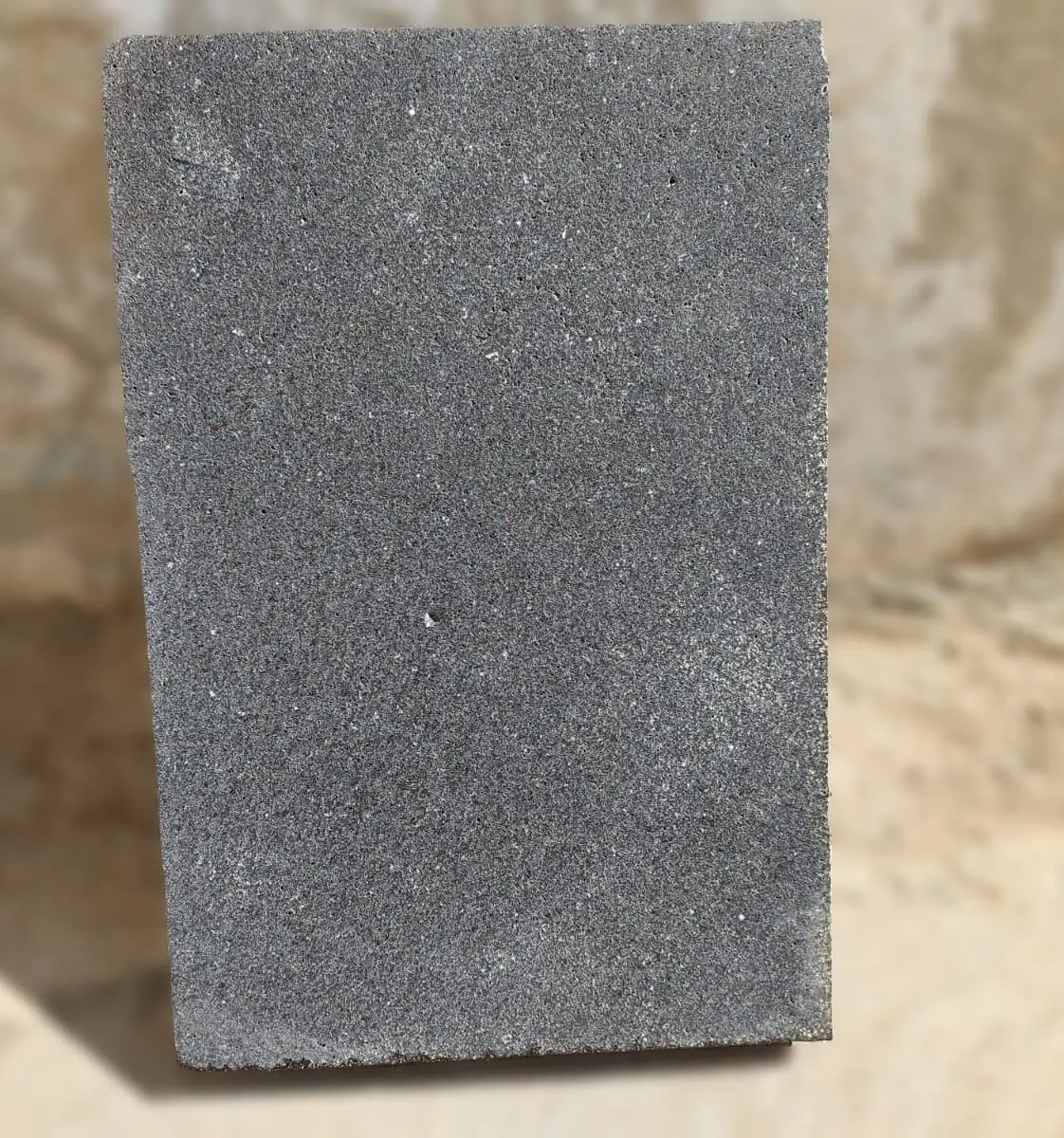
Arizona fieldstone irregular stone exhibits color variations that reflect the state’s diverse geology. You’ll encounter options ranging from buff and tan sedimentary stones in northern Arizona to darker brown and rust metamorphic varieties in central regions, with occasional grey and charcoal options from volcanic formations. Your color selection should consider both aesthetic goals and practical performance factors including heat absorption and visible weathering patterns.
Lighter-colored fieldstone reflects 40-55% of solar radiation, resulting in surface temperatures 15-25°F cooler than darker varieties under identical exposure conditions. When you’re designing spaces where people will contact or walk near the stone, this temperature differential directly impacts usability during summer months. Darker stones absorb more thermal energy but provide better contrast with landscape plantings and maintain more consistent appearance as weathering occurs.
Color consistency varies significantly among suppliers and even within individual deliveries. Natural stone formation processes create inherent variation—you should expect 20-30% color range within any given lot. When you review samples at the supplier yard, examine full pallets rather than individual pieces to assess actual variation. Your project documents should specify acceptable color range using photographic standards rather than verbal descriptions to minimize disputes during installation.
Sealer Selection and Application
Sealer application on Arizona fieldstone irregular stone remains controversial among professionals, with valid arguments for both sealed and unsealed approaches. Unsealed stone allows maximum vapor transmission and develops natural patina over time. Sealed stone resists staining from landscape irrigation and atmospheric deposition while enhancing color depth. Your decision should balance maintenance preferences against long-term appearance goals and site-specific exposure conditions.
When you choose to seal fieldstone, penetrating silane or siloxane-based products outperform film-forming acrylics in Arizona’s climate. Film-forming sealers trap subsurface moisture during monsoon season, leading to delamination and whitish haze formation. Penetrating sealers chemically bond within the stone’s pore structure, providing water repellency while maintaining vapor permeability of 15-25 perms. You should specify products with UV stabilizers to prevent yellowing under Arizona’s intense solar exposure.
Application timing critically affects sealer performance. You need to wait minimum 28 days after mortar installation to allow complete curing before sealing—premature application traps moisture and prevents proper mortar carbonation. Surface moisture content should measure below 4% using calibrated moisture meters. Apply sealer when stone surface temperatures range between 50-80°F, which limits application windows to morning hours during spring and fall months. You’ll typically need two coats applied 2-4 hours apart, with coverage rates of 100-150 square feet per gallon depending on stone porosity.
Common Specification Errors
Even experienced specifiers make recurring mistakes when detailing Arizona fieldstone irregular stone installations. Understanding these common errors helps you create more robust project documents and reduces change orders during construction. The irregular geometry that makes fieldstone attractive also creates specification challenges that don’t exist with manufactured products.
- You should never specify exact stone dimensions in bid documents—instead reference size ranges and require minimum percentages of large anchor pieces
- Your mortar specifications must address both compressive strength and bond strength, as irregular surfaces require different performance characteristics than dimensional block
- You’ll encounter problems if you specify color matching to single samples—require color range documentation showing acceptable variation
- Fieldstone quantity calculations need 15-20% waste factors compared to 8-10% for dimensional stone due to irregular geometries and breakage
- Your detail drawings should show typical coursing patterns rather than exact piece locations, acknowledging field adjustment requirements
- The specification should address stone orientation requirements, particularly bedding plane alignment in sedimentary varieties
Cost Considerations and Budget Planning
When you budget Arizona fieldstone irregular stone projects, you’re dealing with more variables than dimensional stone installations. Material pricing ranges from $185 to $340 per ton delivered, depending on stone type, color selection, and delivery distance from the quarry. You’ll typically need 120-140 pounds of fieldstone per square foot of wall face for walls averaging 4-6 inches in stone thickness, translating to approximately $11 to $24 per square foot in materials alone.
Installation labor significantly impacts total project costs. Professional mason crews charge $35 to $65 per square foot for dry-stacked fieldstone walls, increasing to $45 to $85 per square foot for mortared construction. These rates reflect the skilled labor requirements and time-intensive fitting process. When you compare this to dimensional block retaining walls at $25 to $45 per square foot installed, you’re paying a premium of 40-75% for the irregular stone aesthetic.
Your budget should account for ancillary materials often overlooked in preliminary estimates. Drainage aggregate, geotextile fabric, and perforated pipe add $4 to $8 per square foot of wall area. Concrete footings contribute another $6 to $12 per linear foot depending on width and depth requirements. Mortar costs approximately $0.75 to $1.50 per square foot of wall face, varying with joint width and stone irregularity. You’ll also need to consider equipment rental for mixing, cutting, and material handling, typically adding 8-12% to direct installation costs.
Citadel Stone: Best Fieldstone Suppliers in Arizona — Specification Guidance for Arizona Projects
When you evaluate Citadel Stone’s fieldstone offerings for Arizona applications, you’re considering materials engineered for the state’s demanding climate conditions. At Citadel Stone, we provide technical specification guidance for hypothetical projects across Arizona’s diverse microclimates, from low desert valleys to high country plateaus. This section outlines how you would approach material selection and installation planning for six representative Arizona cities, recognizing the significant climate variation across the state’s 113,000 square miles.
Your specification decisions would need to account for temperature ranges spanning 140°F between record highs and lows, elevation changes from 70 feet to 7,000+ feet, and precipitation patterns varying from 3 inches to 25 inches annually. The fieldstone you’d select for each location addresses these regional differences through considerations of thermal mass, porosity, and structural configuration. Each city presents distinct challenges that would require you to adjust your standard specifications.
Phoenix Heat Management
In Phoenix, you would confront extreme thermal conditions with summer temperatures regularly exceeding 115°F and surface temperatures on dark stone reaching 165°F. Your Arizona fieldstone irregular stone specifications would emphasize lighter color selections to reduce heat absorption and maintain usability of adjacent outdoor spaces. You’d want to specify stones in the buff to light tan range, which would reduce surface temperatures by 20-25°F compared to darker varieties. The urban heat island effect amplifies these concerns in metropolitan Phoenix, where nighttime temperatures remain elevated and thermal cycling becomes less pronounced than surrounding desert areas. You should plan installations during October through April when temperature conditions allow proper mortar curing and reduce heat stress on installation crews.
Tucson Dual-Season Moisture
Tucson’s bimodal precipitation pattern would require you to address both summer monsoons and winter frontal systems in your drainage design. You’d encounter average annual rainfall of 11-12 inches split roughly equally between July-September monsoons and December-March winter rains. Your fieldstone specifications would need enhanced drainage provisions compared to drier Arizona locations, with particular attention to preventing saturation during consecutive-day rain events common in winter months. The natural fieldstone Arizona walls you’d design here would incorporate 15-18 inch drainage zones with perforated pipe systems capable of handling sustained moisture input rather than just peak monsoon flows. Tucson’s caliche soil layers would require you to verify drainage outlet locations carefully, as impermeable caliche can create perched water tables that compromise wall stability.
Scottsdale Aesthetic Integration
Scottsdale’s high-end residential and commercial landscape standards would drive your Arizona fieldstone irregular stone selections toward premium aesthetics and refined installation details. You would specify tighter color ranges with reduced variation compared to more utilitarian applications, potentially limiting acceptable variation to 15-20% rather than the standard 25-30% tolerance. Your garden border designs would emphasize sophisticated coursing patterns with carefully selected cap stones providing defined top edges. The prevalent desert contemporary architectural style in Scottsdale would lead you toward fieldstone in warm earth tones—tans, buffs, and light browns that complement stucco walls and desert plantings. Installation specifications would require enhanced sorting and fitting time, increasing labor allocations by 20-30% compared to standard practice to achieve the refined appearance expected in this market.
Flagstaff Freeze-Thaw Durability
At Flagstaff’s 7,000-foot elevation, you would need to specify fieldstone suppliers Arizona wall stone with verified freeze-thaw resistance, a requirement largely absent in lower-elevation Arizona locations. Annual freeze-thaw cycles in Flagstaff exceed 120 events, comparable to northern tier states rather than typical desert conditions. Your material specifications would require ASTM C666 testing verification or documentation of successful long-term performance in similar climates. You’d want to limit stone porosity to maximum 4.5% by weight and specify absorption rates below 2.5%. The combination of freezing temperatures, elevated precipitation (23 inches annually), and substantial snowfall would require you to use Type S mortar with air-entraining admixtures at 5-7% by volume. Your drainage specifications would include provisions for preventing ice lens formation behind walls during spring thaw cycles.
Sedona Color Coordination
Sedona’s iconic red rock formations would influence your fieldstone color selections to either complement or contrast with the surrounding landscape. You would likely specify stones in the rust, brown, and red-brown color families to harmonize with local geology, or alternatively select buff and tan varieties to provide intentional contrast. The area’s significant tourist economy and high property values would drive specification decisions toward premium appearance and long-term color stability. Arizona fieldstone irregular stone you’d select here would need verified UV resistance to prevent fading, as Sedona receives over 300 sunny days annually with intense solar radiation at 4,500-foot elevation. Your sealer specifications would emphasize color enhancement products that deepen natural tones while providing protection against atmospheric deposition and organic staining from surrounding vegetation.
Yuma Extreme Desert Performance
Yuma represents Arizona’s most extreme desert conditions, with summer temperatures averaging 107°F and annual precipitation below 4 inches. Your fieldstone specifications would prioritize heat resistance and dust control over moisture management. The combination of intense heat, low humidity, and persistent wind would require you to adjust installation practices significantly from standard procedures. Mortar would need rapid-set formulations or extensive misting protocols to prevent flash drying before adequate bond develops. You’d specify light-colored fieldstone borders Arizona exclusively, as darker stones would become too hot for any nearby human activity during 5-6 months of the year. Dust suppression would require you to seal all exposed surfaces, including backs of stones visible in border applications, to prevent continuous dust generation from the stone’s surface texture during Yuma’s frequent wind events.
Procurement and Logistics Planning
When you plan Arizona fieldstone irregular stone procurement, you’re coordinating timelines that extend 3-6 weeks beyond typical manufactured paver delivery schedules. Natural stone requires quarrying, sorting, and palletizing processes that can’t be accelerated without compromising quality. You should initiate material orders during the design development phase rather than waiting for construction document completion, particularly for projects requiring specific color matching or large quantities.
Delivery logistics significantly impact project costs and schedules. Standard truck deliveries accommodate 20-24 tons of fieldstone, but your site access determines vehicle size options. Residential sites with standard street access typically limit delivery to single-axle trucks carrying 12-16 tons, requiring multiple trips and increasing per-ton delivery charges by $15 to $35. You need to verify overhead clearances, turning radii, and street load limits before committing to delivery schedules. Some suppliers maintain regional warehouse facilities that reduce lead times and provide flexibility for phased deliveries aligned with construction progress.
- You should order 12-18% excess material beyond calculated requirements to accommodate breakage, cutting waste, and field adjustments
- Your delivery scheduling needs to account for material staging areas—fieldstone pallets require 150-200 square feet per ton including access aisles
- You’ll minimize handling damage when delivery locations place material within 50 feet of installation areas
- The supplier’s return policy for unused material should be verified before ordering, as irregular stone restocking typically incurs 25-35% fees
Long-Term Maintenance Requirements
Arizona fieldstone irregular stone installations require different maintenance protocols than most specifiers anticipate. The combination of irregular geometry, joint configurations, and environmental exposure creates maintenance needs that extend beyond simple cleaning. You should develop maintenance programs that address structural stability, joint integrity, and appearance preservation as interconnected concerns rather than separate issues.
Joint sand erosion in dry-stacked walls represents your primary maintenance requirement. Arizona’s intense monsoon events and persistent winds remove sand from joints at rates of 15-25% per year in exposed locations. You’ll need to plan annual joint replenishment using the same sand gradation as original installation—switching from angular to rounded sand or changing particle size distribution affects interlock and stability. When you top off joints, avoid overfilling, which causes accelerated erosion. Proper fill level sits 1/4 inch below stone surfaces, allowing sand compaction without overflow.
Mortared walls require different maintenance attention. You should inspect pointing annually, looking for cracks wider than 1/16 inch, loose sections, or areas where mortar has separated from stone surfaces. These defects allow water infiltration that accelerates deterioration through freeze-thaw action in northern Arizona or efflorescence formation in high-mineral soil conditions. Repointing becomes necessary when damaged areas exceed 5-8% of total joint length. You’ll want to match original mortar composition and color when performing repairs, which requires maintaining records of mix designs and sand sources used during initial installation.
Periodic cleaning maintains appearance but requires appropriate methods for irregular stone surfaces. You should avoid pressure washing above 1,200 PSI, as higher pressures erode mortar joints and damage softer stone varieties. When cleaning is necessary, use pH-neutral cleaners and soft-bristle brushes rather than acidic products that etch stone surfaces and weaken mortar bonds. Professional installations benefit from maintenance documentation provided to owners, specifying appropriate cleaning products, joint maintenance schedules, and inspection criteria for identifying problems requiring professional attention. For comprehensive guidance across all fieldstone applications, review Natural fieldstone selection for Arizona landscaping and masonry projects before you finalize your project specifications. Citadel Stone’s color variation makes it naturally diverse Fieldstone Suppliers in Arizona earth tones.