
When you’re evaluating are cobble setts slippery for your next project, you need to understand how surface texture, material composition, and environmental conditions interact to create traction. The answer isn’t simple — cobble setts provide variable slip resistance based on finish type, installation context, and maintenance protocols. You’ll find that properly specified granite cobbles deliver excellent wet-surface traction when you select appropriate finishes and follow professional installation practices.
The question of are cobble setts slippery becomes critical when you’re designing pool decks, walkways, or high-traffic pedestrian areas where slip-and-fall liability matters. Your material selection directly affects user safety, insurance considerations, and long-term maintenance requirements. Understanding the slip resistance of granite pavers requires you to evaluate multiple performance factors beyond simple surface appearance.
Understanding Cobble Sett Traction Mechanics
When you specify cobble setts, you’re working with natural stone that exhibits inherent texture variations affecting slip resistance. The material’s crystalline structure creates micro-roughness that provides mechanical grip even when wet. You need to understand that slip resistance measurements use DCOF (Dynamic Coefficient of Friction) testing, where values above 0.42 meet ADA requirements for level surfaces.
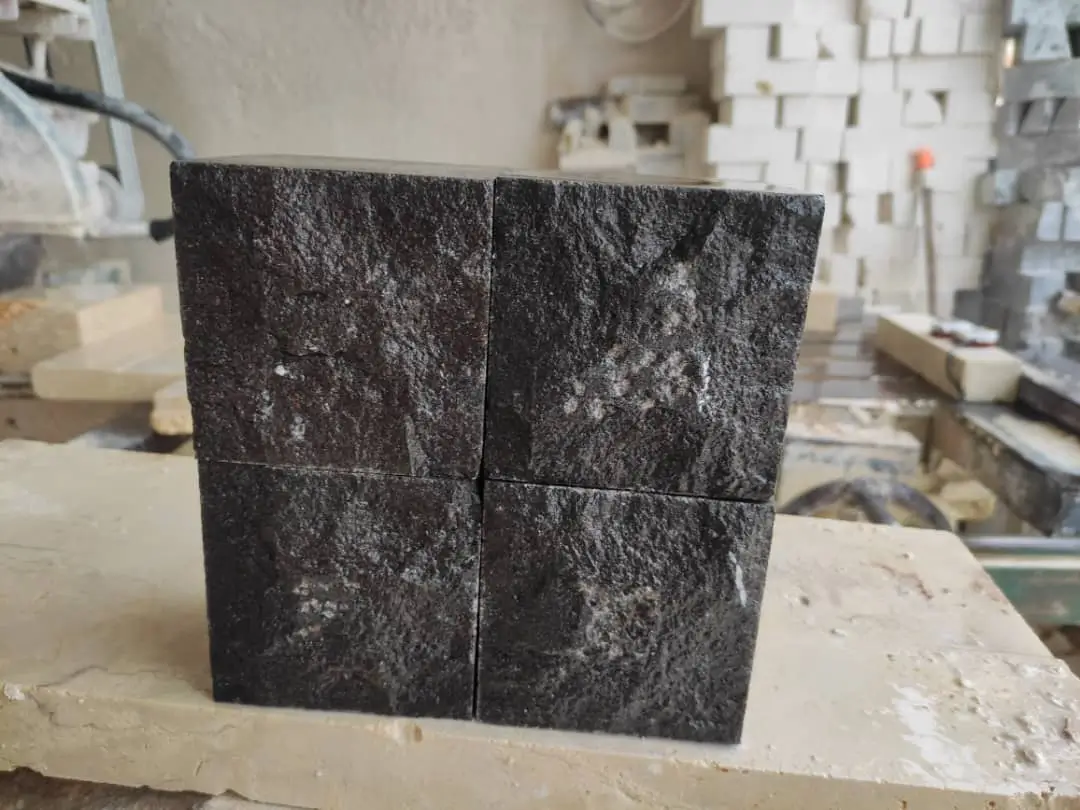
Your granite cobble selection should target DCOF values between 0.52-0.68 for wet conditions, depending on surface finish. Flamed finishes provide superior traction through thermal fracturing that exposes rough crystal surfaces. When you compare finishes, flamed granite delivers 15-20% higher wet DCOF than honed surfaces, while polished finishes drop to 0.35-0.40 when wet — unsuitable for exterior applications where water exposure occurs.
The physical geometry of cobble setts contributes to traction beyond material properties. When you install individual units with 8-12mm joints, the recessed joint lines create drainage channels and geometric texture that interrupts water sheeting. This three-dimensional surface variation reduces hydroplaning risk compared to large-format pavers. You’ll find that proper joint spacing enhances overall slip resistance by 8-12% compared to tight-jointed installations.
Surface Finish Impact on Slip Resistance
Your finish selection determines whether are cobble setts slippery in your specific application. The stone industry offers multiple finish options, each creating distinct traction characteristics. When you evaluate finishes, you’re balancing slip resistance against aesthetic preferences, maintenance requirements, and budget constraints.
Flamed Finish Performance
Flamed finishes deliver optimal slip resistance for exterior cobble setts. The thermal treatment process applies intense heat that causes surface crystals to fracture and expand, creating 1-2mm texture depth. You’ll achieve DCOF values of 0.60-0.68 wet, making this the professional standard for pool decks and wet areas. The rough texture does accumulate organic matter faster than smooth finishes, requiring you to plan for quarterly pressure washing in humid climates.
Bushhammered Texture Characteristics
When you specify bushhammered cobbles, you’re selecting mechanical texturing that creates controlled surface pitting. This finish provides DCOF values of 0.55-0.62 wet, offering excellent traction with slightly refined aesthetics compared to flamed surfaces. The uniform texture pattern shows less weathering variation over time, maintaining consistent appearance for 15+ years in high-traffic applications.
Honed Finish Considerations
Honed finishes occupy middle ground in the slip resistance spectrum. You’ll measure DCOF values of 0.48-0.54 wet — acceptable for walkways but marginal for pool deck applications. The smoother surface resists staining better than flamed finishes, making this appropriate when you’re prioritizing maintenance efficiency over maximum traction. Consider honed finishes for covered walkways where direct water exposure remains minimal.
Wet Surface Performance Factors
The question of are cobble setts slippery intensifies when you evaluate performance under various wet conditions. Water interaction with stone surfaces creates complex traction dynamics you need to understand for proper specification. Your material performs differently depending on water film thickness, contamination, and temperature conditions.
- You should account for water film thickness variations — thin films (under 0.5mm) maintain 85-90% of dry DCOF values on textured surfaces
- Contaminated water containing oils, algae, or organic matter reduces DCOF by 15-25% compared to clean water
- Temperature affects viscosity — cold water below 45°F creates slightly better traction than warm water above 80°F
- Drainage slope requirements should meet 2% minimum grade to prevent standing water that reduces effective texture depth
When you design safe stone pavers for wet areas, you need to consider how quickly surfaces shed water. The combination of material porosity (3-6% for quality granite), surface texture, and joint spacing determines drainage efficiency. Properly specified installations achieve surface water clearance within 8-12 minutes after rain stops, maintaining near-dry traction characteristics.
You’ll encounter different performance requirements for continuous water exposure versus intermittent wetting. Pool deck applications expose surfaces to constant splash and barefoot traffic, demanding DCOF values above 0.58 wet. For project guidance on material selection, see natural stone cobble setts for comprehensive performance specifications. Walkway applications with periodic rain exposure can utilize materials with DCOF values of 0.50-0.55 while maintaining acceptable safety margins.
Cobble Setts for Pool Deck Applications
When you evaluate cobble setts for pool decks, you’re addressing the most demanding slip resistance scenario in residential and commercial design. The continuous water exposure, chemical treatments, and barefoot traffic create unique performance requirements. Your specification must account for multiple safety factors beyond basic DCOF measurements.
Pool deck environments subject materials to chlorinated water (pH 7.2-7.8), UV exposure, thermal cycling from 40°F to 140°F surface temperatures, and organic contamination from sunscreen oils and body lotions. You need materials that maintain traction under these conditions while resisting chemical degradation. Granite cobbles with flamed finishes provide superior performance, maintaining DCOF above 0.58 even with chlorine exposure.
Thermal Comfort Considerations
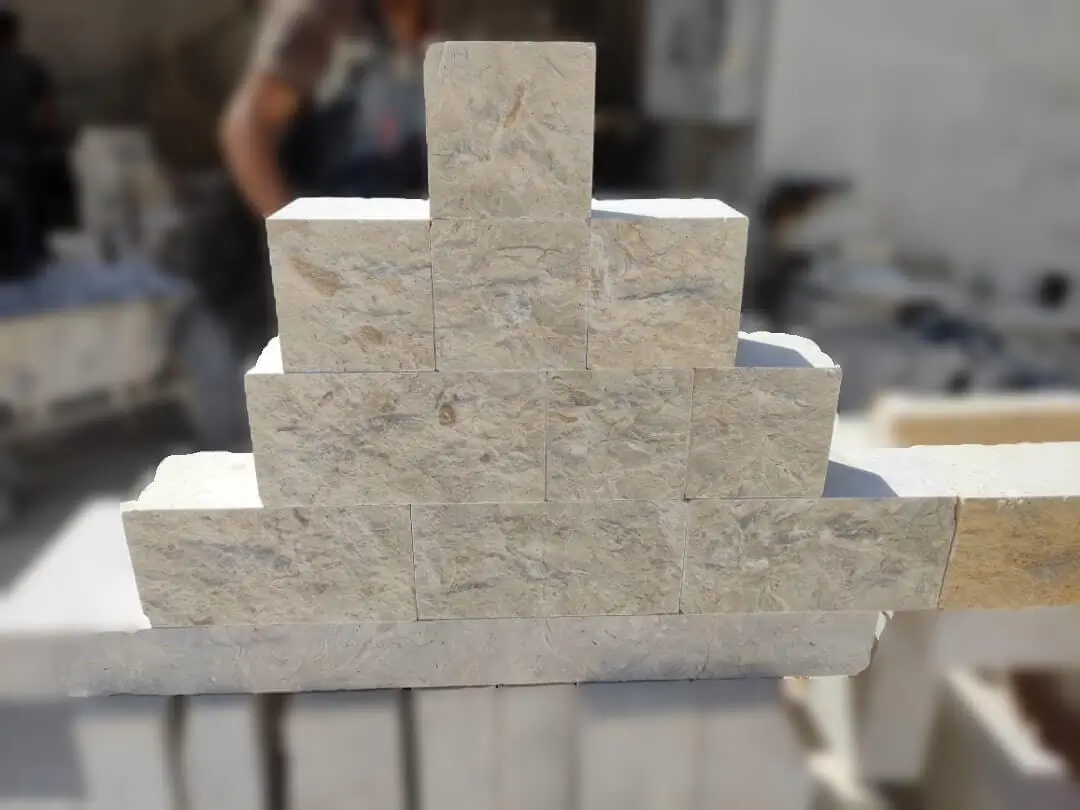
The question of are cobble setts slippery for pool decks connects directly to thermal comfort. When you specify light-colored granite cobbles, you’re addressing both traction and heat absorption. Light granite reflects 45-55% of solar radiation, maintaining surface temperatures 15-20°F cooler than dark materials. This thermal performance makes barefoot traffic more comfortable while maintaining excellent slip resistance through textured finishes.
You should understand that thermal expansion affects joint integrity in pool deck installations. Granite expands at approximately 5.1 × 10⁻⁶ per °F, requiring you to maintain 10-12mm joints with polymeric sand fill. When joints remain properly filled and maintained, they contribute 8-10% of total surface traction through geometric texture. Joint degradation reduces this benefit, requiring you to plan for joint sand replenishment every 18-24 months in pool environments.
Winter Performance and Ice Traction
When you evaluate are cobble setts slippery in winter conditions, you’re addressing freeze-thaw performance and ice formation patterns. The relationship between cobblestone and ice traction depends on surface texture, porosity, and geometric configuration. Your material selection affects both ice adhesion and safe winter maintenance protocols.
Granite cobbles with textured finishes resist ice sheeting better than smooth pavers due to mechanical surface variation that interrupts ice crystal formation. You’ll find that 1-2mm texture depth on flamed finishes prevents continuous ice sheets, instead creating fragmented ice that’s easier to remove. The individual unit geometry of cobble setts allows differential movement during freeze-thaw cycles, preventing the substrate cracking that creates uneven ice accumulation on large-format pavers.
- Porosity between 3-6% allows moisture absorption that equalizes freeze-thaw pressure without surface spalling
- Textured surfaces maintain residual traction even with thin ice films under 2mm thickness
- Joint lines provide mechanical grip and drainage channels that reduce black ice formation
- Light-colored granite shows ice presence more clearly than dark materials, improving user awareness
You need to consider how deicing chemicals interact with your specified materials. Granite demonstrates excellent chemical resistance to calcium chloride, sodium chloride, and magnesium chloride deicers. The material maintains structural integrity and slip resistance through repeated freeze-thaw cycles exceeding 100 annual events. When you specify proper installation with 2% drainage slope and adequate base preparation, winter performance remains consistent for 25+ years.
Maintenance Protocols for Sustained Traction
Your initial slip resistance values will degrade without proper maintenance addressing organic growth, joint sand loss, and surface contamination. When you develop maintenance programs, you’re preserving the safety characteristics that justified your original material selection. The slip resistance of granite pavers depends on maintaining clean, textured surfaces free from biofilm and contaminants.
Quarterly pressure washing removes organic matter accumulation that reduces effective DCOF by 12-18% annually without intervention. You should specify 2000-2500 PSI pressure washing with surface cleaners that prevent streaking. Avoid pressure exceeding 3000 PSI that can erode joint sand and damage surface texture on softer stone varieties. Your maintenance schedule should increase to monthly cleaning in humid climates where algae and moss growth accelerates.
Joint Sand Management
When you maintain cobble sett installations, joint sand retention directly affects slip resistance and structural stability. Properly filled joints contribute 8-10% of total traction while preventing lateral unit movement. You’ll need to replenish polymeric joint sand every 18-30 months depending on traffic levels, weather exposure, and initial installation quality.
The process requires you to clean joints to 80% depth, add new polymeric sand, compact thoroughly, and activate with controlled water misting. Insufficient joint fill allows unit rocking that creates uneven walking surfaces and accelerates wear patterns. When you maintain joints at 90-95% capacity, you preserve both traction characteristics and structural integrity throughout the installation’s service life.
Comparative Traction Performance
When you evaluate are cobble setts slippery relative to alternative paving materials, you need objective performance comparisons. Your specification decisions benefit from understanding how granite cobbles compare to concrete pavers, porcelain tile, natural stone slabs, and alternative paving systems across multiple traction scenarios.
- Textured granite cobbles provide 12-18% higher wet DCOF than broom-finished concrete pavers of equivalent size
- Flamed granite surfaces maintain traction longer than porcelain tile, which shows 8-12% DCOF reduction after 5-7 years of UV exposure
- Individual cobble geometry outperforms large-format slabs by interrupting water sheeting and providing drainage channels
- Natural stone texture remains stable for 20+ years while applied texture coatings degrade within 3-5 years
You should understand that material porosity affects long-term traction stability. Granite’s 3-6% porosity allows controlled moisture absorption that maintains surface texture integrity through freeze-thaw cycling. Non-porous materials like porcelain concentrate freeze-thaw stress at the surface, potentially causing texture degradation. When you specify granite cobbles, you’re selecting materials with proven 25+ year traction stability in demanding climates.
The geometric advantage of cobble setts becomes apparent in contaminated conditions. When organic matter, oils, or sediment accumulate on surfaces, the recessed joints and unit edges provide mechanical grip that maintains residual traction. Large-format smooth pavers lose 30-40% of wet DCOF with light contamination, while textured cobbles maintain 75-85% of clean-surface values under similar conditions.
Installation Factors Affecting Slip Resistance
Your material’s inherent slip resistance means nothing if installation quality compromises performance. When you oversee cobble sett installations, you need to verify that field practices preserve and enhance traction characteristics. The relationship between are cobble setts slippery and installation methodology determines real-world safety performance.
Base preparation directly affects long-term traction stability. You should specify compacted aggregate base (95% modified Proctor density) with 2% minimum slope for drainage. Inadequate slope creates standing water that reduces effective DCOF by 15-20%. When base settlement occurs due to insufficient compaction, localized depressions trap water and create slip hazards even on properly textured materials.
Joint Spacing Optimization
When you specify joint spacing, you’re balancing structural stability against traction enhancement. Standard 8-12mm joints provide optimal performance — narrow enough for structural integrity yet wide enough for drainage and geometric texture. Joints below 6mm fill with sediment quickly, losing traction benefit within 12-18 months. Joints exceeding 15mm create trip hazards and allow excessive unit movement under traffic.
You need to ensure consistent joint width throughout installations. Variance exceeding ±2mm creates visual irregularities and uneven traction characteristics. Professional installation practices use spacers or screed guides maintaining ±1mm tolerance. When joints remain consistent, polymeric sand fill performs as designed, maintaining 90-95% capacity for 24-36 months between maintenance cycles.
Surface Orientation Planning
The question of are cobble setts slippery depends partly on how you orient textured surfaces during installation. Flamed and bushhammered finishes exhibit directional texture from manufacturing processes. When you orient texture perpendicular to primary traffic flow, you maximize traction by creating cross-grain resistance. Parallel orientation reduces wet DCOF by 4-6% compared to perpendicular installation.
Climate-Specific Performance Considerations
When you specify safe stone pavers for wet areas across different climate zones, you need to account for regional environmental factors affecting traction. The performance of are cobble setts slippery varies with humidity, temperature ranges, precipitation patterns, and seasonal conditions. Your specification must address location-specific challenges to ensure consistent safety performance.
High-humidity climates accelerate biofilm formation that reduces DCOF by 12-15% without quarterly cleaning protocols. You’ll encounter faster algae and moss growth in regions with sustained humidity above 70%, requiring more aggressive maintenance schedules. Temperature extremes affect both thermal comfort and traction — surface temperatures exceeding 135°F can soften organic contaminants into slippery films, while freeze-thaw cycling tests material durability and texture stability.
- Desert climates require you to address thermal expansion with 12mm joints and dust accumulation that fills texture voids
- Humid subtropical regions demand monthly cleaning to prevent biofilm that reduces wet DCOF by 15-20%
- Northern freeze-thaw zones need materials with porosity between 3-6% and compressive strength exceeding 18,000 PSI
- Coastal areas require you to specify non-slip treatments resistant to salt spray and elevated chloride exposure
You should verify that warehouse stock includes materials tested for your specific climate zone. Lead times from the warehouse typically range from 2-4 weeks for standard colors, extending to 6-8 weeks for custom selections. Your project timeline needs to accommodate material procurement, especially for large installations requiring truck deliveries coordinated with site access constraints.
Specification Language for Traction Requirements
When you write specifications addressing are cobble setts slippery, you need precise language defining acceptable performance standards. Your specification sections must include measurable criteria, testing protocols, and acceptance thresholds that contractors can verify during installation. Vague requirements like “provide slip-resistant surface” create disputes and compromise safety outcomes.
Professional specifications include minimum wet DCOF values appropriate for the application. You should specify “provide granite cobble setts with flamed finish demonstrating minimum wet DCOF of 0.58 when tested per ASTM C1028” for pool decks. Walkway applications can reduce requirements to “minimum wet DCOF of 0.50 when tested per ASTM C1028.” Including specific test standards eliminates ambiguity and provides verification methodology.
Material Certification Requirements
You need to require submittals documenting slip resistance testing from independent laboratories. Specify “provide test reports from NVLAP-accredited laboratory demonstrating compliance with specified DCOF values. Test reports shall be dated within 12 months of installation and represent material from the same quarry block as installed units.” This language ensures you receive current, relevant data rather than generic marketing materials.
Your specifications should address finish consistency across the installation. Require “maintain uniform surface texture with no more than 10% variation in DCOF values across random sampling of 20 installed units.” This prevents contractors from mixing material batches with inconsistent traction characteristics. When you enforce quality standards through clear specification language, you protect both user safety and your professional liability.
Citadel Cobble Setts for United States Performance Guidance
When you consider Citadel Stone’s cobble setts for your United States project, you’re evaluating premium granite materials engineered for diverse climate performance. At Citadel Stone, we provide technical guidance for hypothetical applications across the nation’s varied environmental zones. This section outlines how you would approach specification decisions for six representative cities, addressing the central question of are cobble setts slippery under different regional conditions.
Your material selection process requires you to balance slip resistance requirements with climate-specific performance factors including freeze-thaw durability, thermal cycling, humidity exposure, and seasonal maintenance demands. The following city-specific scenarios demonstrate how you would adapt specifications to optimize safety and longevity across different United States regions.
Connecticut Specifications
In Connecticut applications, you would need to address freeze-thaw cycling exceeding 80 annual events and temperature ranges from -5°F to 95°F. Your specification would require flamed-finish granite cobbles with minimum 3.5% porosity and 19,000+ PSI compressive strength to ensure 25+ year performance. You should plan for cobblestone and ice traction by specifying 10mm joints with polymeric sand designed for northern climates. Winter maintenance protocols would include calcium chloride deicers compatible with granite chemistry, applied at rates not exceeding manufacturer recommendations to preserve both material integrity and traction characteristics throughout seasonal cycling.
Georgia Performance
When you plan Georgia installations, you would address high humidity averaging 65-75% and sustained summer temperatures creating biofilm growth conditions. Your material selection would prioritize flamed finishes with 1.5-2mm texture depth that resists organic accumulation while maintaining wet DCOF above 0.60. You would need to establish monthly pressure washing schedules during growing season (April-October) to prevent algae formation that reduces slip resistance. Joint spacing of 10-12mm with antimicrobial polymeric sand would help you manage moisture retention and organic growth between maintenance cycles, preserving traction performance year-round.
New Jersey Considerations
Your New Jersey projects would require you to address coastal humidity, moderate freeze-thaw cycling (60-70 annual events), and salt spray exposure in coastal zones. You should specify granite cobbles with porosity between 3-5% and verify acid resistance to handle deicing chemicals and environmental pollutants. When you design pool deck applications, bushhammered or flamed finishes would provide necessary slip resistance of granite pavers while resisting salt degradation. Installation details would include 2.5% minimum slope for drainage, 11mm joints, and quarterly maintenance protocols removing salt deposits that can create slippery surface films when dissolved by rain or pool splash.
Maine Applications
In Maine scenarios, you would confront the most demanding freeze-thaw conditions in these examples — 90+ annual cycles with temperatures ranging from -15°F to 85°F. Your specification would require premium granite with maximum 5% porosity, minimum 20,000 PSI compressive strength, and proven performance in extreme northern climates. You need to address cobblestone and ice traction through textured finishes maintaining residual grip with ice films, 12mm expansion joints accommodating thermal cycling, and installation over 8-inch compacted aggregate base providing drainage and frost protection. Winter deicing protocols would emphasize mechanical removal supplemented with granite-compatible chemical treatments, preserving surface texture and traction for decades of harsh seasonal exposure.
Minnesota Requirements
When you specify for Minnesota conditions, you would need materials handling temperature extremes from -25°F to 95°F and addressing both severe winter ice formation and humid summer biofilm growth. Your material selection would emphasize thermal stability, requiring granite with consistent crystalline structure that maintains integrity through 100°F+ daily temperature swings during seasonal transitions. You should specify flamed finishes with deep texture providing year-round traction — winter ice resistance and summer wet slip resistance above 0.58 DCOF. Installation would require 12mm joints with cold-climate polymeric sand, 2% drainage slope, and aggregate base extending below frost line (typically 42-48 inches) to prevent heaving that compromises surface evenness and traction consistency.
Nebraska Planning
Your Nebraska installations would address continental climate characteristics including low humidity (40-50% average), high UV exposure, temperature ranges from -10°F to 105°F, and periodic severe weather including hail. You would specify granite cobbles with UV-stable coloration (light grays, tans) that resist fading while providing thermal comfort through solar reflectance. When evaluating are cobble setts slippery for this climate, you would prioritize textured finishes that shed the region’s periodic dust accumulation through natural precipitation while maintaining traction during thunderstorm events. Joint specifications of 10mm with dust-resistant polymeric sand formulations would preserve structural stability through extreme temperature cycling and maintain geometric traction contribution throughout the installation’s service life.
Legal and Liability Considerations
When you specify materials addressing are cobble setts slippery, you’re making decisions with direct liability implications. Your professional responsibility includes selecting materials meeting applicable safety standards while documenting decision rationale. The Americans with Disabilities Act requires minimum DCOF of 0.42 for level surfaces and 0.60 for ramps, creating baseline performance thresholds your specifications must address.
You should maintain documentation demonstrating due diligence in material selection. This includes slip resistance test reports, manufacturer certifications, applicable code references, and specification language defining performance requirements. When slip-and-fall incidents occur, this documentation demonstrates that you specified appropriate materials meeting professional standards of care. Absence of documentation creates liability exposure even when materials perform adequately.
- Your specifications should reference ASTM C1028 (Standard Test Method for Determining the Static Coefficient of Friction) for verification protocols
- You need to document site-specific factors affecting material selection including anticipated water exposure, traffic patterns, and user demographics
- Insurance considerations may require you to exceed minimum code requirements, specifying DCOF values 10-15% above baseline standards
- You should require contractor certification that installed materials meet specified slip resistance values before final acceptance
Professional practice includes educating clients about maintenance requirements preserving slip resistance. When you provide written maintenance protocols as part of project closeout, you establish clear expectations for property owner responsibilities. This documentation protects you from liability claims arising from inadequate post-installation maintenance that degrades initially compliant traction characteristics.
Long-Term Performance Expectations
When you evaluate are cobble setts slippery over installation lifecycles, you need realistic expectations about performance evolution. Natural stone materials change gradually through weathering, use patterns, and environmental exposure. Your professional guidance should prepare clients for predictable performance changes while maintaining safety margins throughout expected service life.
Quality granite cobbles with proper surface finishes maintain slip resistance characteristics for 20-30 years when you implement appropriate maintenance protocols. You’ll observe gradual texture softening of 8-12% over the first decade as crystalline high points wear under traffic. This wear pattern actually improves visual appearance while maintaining DCOF above safety thresholds — textured granite rarely drops below 0.52 wet DCOF even after 15 years of heavy use.
You should account for differential wear patterns in high-traffic zones. Areas within 4 feet of pool entries, building doorways, and primary walkway intersections experience 2-3x the wear of surrounding surfaces. When you design installations anticipating this pattern, you can specify slightly more aggressive texture in high-use zones or plan for selective unit replacement at 12-15 year intervals. This proactive approach maintains consistent traction across the entire installation rather than creating hazardous transitions between worn and unworn areas.
Professional Recommendations
Your comprehensive approach to addressing are cobble setts slippery requires you to integrate material selection, installation quality, and maintenance planning into cohesive specifications. When you follow professional best practices, granite cobble setts provide excellent slip resistance for pool decks, walkways, and high-traffic pedestrian areas throughout their 25+ year service life.
You should prioritize flamed or bushhammered finishes for applications with regular water exposure, targeting wet DCOF values of 0.58-0.65. Your installation specifications must include proper drainage slope (minimum 2%), consistent joint spacing (10-12mm), and high-quality polymeric sand fill. When you establish quarterly maintenance protocols addressing organic growth and joint sand retention, you preserve the traction characteristics that justified your original material selection.
The question of safe stone pavers for wet areas comes down to informed specification decisions based on application-specific requirements, climate factors, and long-term performance expectations. You need to balance slip resistance against thermal comfort, aesthetic preferences, maintenance capabilities, and budget constraints. When you provide clients with realistic performance expectations and maintenance requirements, you establish professional relationships built on transparency rather than unrealistic guarantees. For additional installation insights, review Professional techniques for preserving and cleaning century-old cobblestone before you finalize your project documents. Citadel Stone manufactures durable granite setts and driveway pavers, shipping high-strength paving materials nationwide for American streetscapes.