
When you specify architectural stone for commercial buildings in Arizona, you’re navigating a complex intersection of thermal performance, aesthetic durability, and procurement logistics that most generic material guides don’t adequately address. The state’s extreme climate conditions—with temperature swings exceeding 50°F between night and day—create material stress patterns you won’t encounter in moderate climates. Your specification decisions need to account for thermal expansion coefficients, UV degradation resistance, and substrate compatibility in ways that standard product literature rarely clarifies.
Architectural stone manufacturers Arizona-based understand these regional performance requirements intimately. You’ll find that locally-sourced materials often outperform imported alternatives not because of inherent material superiority, but because manufacturers engineer cutting patterns, surface finishes, and dimensional tolerances specifically for Southwest conditions. When you evaluate stone manufacturing companies commercial grade, the critical differentiator isn’t just material availability—it’s whether the manufacturer comprehends how Arizona’s 4,000+ annual sunshine hours affect long-term color stability and surface integrity.
Your commercial project demands more than aesthetic appeal. You need architectural stone that maintains structural performance when surface temperatures reach 160°F, doesn’t exhibit efflorescence patterns after monsoon exposure, and integrates seamlessly with modern facade systems. The architectural stone manufacturers Arizona professionals work with provide this specialized knowledge, but you need to ask the right questions during specification development.
Material Selection for Thermal Performance Requirements
Arizona’s thermal environment creates challenges most architects underestimate until field issues emerge. When you specify stone for commercial facades, you’re dealing with thermal expansion rates that can vary by 0.08-0.12 inches per 20-foot span during a single day. This isn’t theoretical—it’s the difference between a facade system that performs for 30 years and one that shows stress cracks within 36 months.
Stone Manufacturers Arizona architectural specialists focus on three thermal factors you should prioritize. First, coefficient of thermal expansion determines joint spacing requirements—limestone expands at roughly 5.3 × 10⁻⁶ per °F, while granite measures closer to 4.7 × 10⁻⁶ per °F. That 12% difference translates to measurable dimensional changes in large-format installations. Second, thermal mass properties affect HVAC load calculations—your mechanical engineer needs accurate data on stone density and specific heat capacity, not generic estimates. Third, surface temperature differentials between shaded and sun-exposed areas create stress concentrations at architectural transitions that require additional expansion accommodation.
You’ll encounter material specifications claiming “suitable for all climates,” but Arizona conditions demand verification beyond standard ASTM testing. Citadel Stone’s manufacturing facility services provide climate-specific performance data that accounts for actual desert conditions rather than laboratory ideals.
- You should verify thermal expansion coefficients match your facade system’s movement capacity
- Your specification must address color stability under UV exposure exceeding 7,500 annual hours
- You need to confirm surface finish durability when exposed to 140°F+ surface temperatures
- Your anchoring system must accommodate thermal movement without transferring stress to stone
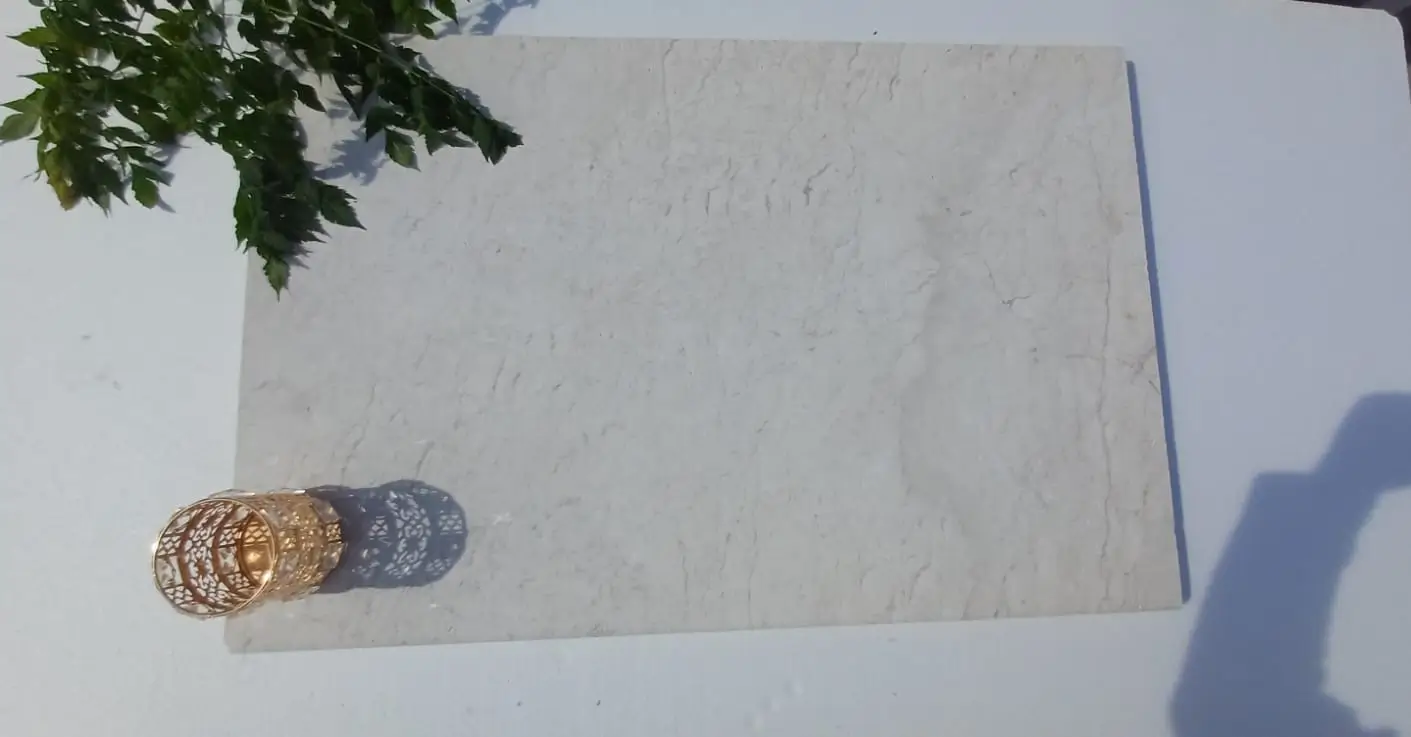
Architectural Stone Veneer & Cladding Arizona Integration Methods
The transition from material selection to successful installation depends on how well you integrate Architectural Stone Veneer & Cladding Arizona systems with structural substrates. You’re not just attaching stone to a wall—you’re creating a dynamic assembly where multiple materials with different thermal properties must move independently without compromising weather resistance or structural integrity.
Modern cladding systems for commercial applications typically use mechanical anchoring rather than traditional mortar beds. When you design these connections, you need to account for three movement patterns simultaneously: thermal expansion of the stone, deflection of the structural frame, and dimensional changes in intermediate support systems. Your anchor spacing and configuration must accommodate all three without creating stress concentrations.
Stone manufacturing and supply architectural operations in Arizona have adapted fabrication processes to support contemporary cladding methods. You’ll see this in edge details—modern fabrication equipment can produce kerf cuts, anchor slots, and alignment grooves with tolerances of ±0.5mm, which allows for precise mechanical connections that weren’t feasible 15 years ago. This precision matters when you’re working with panel sizes exceeding 4′ × 8′, where even minor alignment errors compound across the facade.
Your structural engineer needs to understand that stone cladding isn’t a finish material—it’s a structural component that imposes point loads, movement requirements, and maintenance access needs. The architectural stone manufacturers Arizona engineers coordinate with can provide load data, thermal movement calculations, and installation sequencing guidance that your structural drawings should reference explicitly.
Fabrication Capabilities That Affect Commercial Project Specifications
When you evaluate stone manufacturing companies commercial-focused, fabrication capacity determines what you can actually specify, regardless of what material catalogs show. A manufacturer might stock beautiful limestone, but if their cutting equipment can’t maintain ±2mm thickness tolerance across 6′ panels, you’ll face installation problems that compromise the entire facade system.
Modern CNC fabrication equipment has changed what’s achievable in architectural stone production. You can now specify complex three-dimensional profiles, integrated drainage channels, and precision anchor recesses that would have required hand-fabrication 20 years ago. But here’s what the equipment brochures don’t tell you: CNC accuracy depends on material consistency. Sedimentary stones with variable density planes can deflect cutting tools enough to create measurable deviation across large panels, even with computer-controlled equipment.
- Your drawings should specify acceptable thickness variation ranges—typically ±3mm for architectural veneer
- You need to address surface finish consistency across panels from different production runs
- Your edge detail specifications must account for fabrication method limitations
- You should require pre-production samples that demonstrate achievable tolerances for your specific stone selection
The relationship between design intent and fabrication reality becomes critical in commercial projects where material quantities justify custom production runs. When you’re specifying 15,000 square feet of facade stone, you have negotiating leverage for custom sizes, finishes, and edge details. At 3,000 square feet, you’ll likely need to adapt your design to available standard formats. Understanding this threshold helps you make realistic specification decisions during design development.
Procurement Lead Times and Inventory Considerations
Your project schedule needs to account for material procurement realities that often don’t surface until you’re finalizing construction documents. Stone manufacturing and supply architectural projects in Arizona face unique logistics challenges—material quarried in Indiana or imported from Europe requires 8-12 weeks minimum lead time, while locally-sourced stone can often ship within 2-3 weeks if warehouse inventory exists.
Here’s where project planning frequently breaks down: you specify a particular stone during design development, receive contractor pricing based on that selection, then discover during submittals that actual lead time is 16 weeks because the quarry is backordered. Your GC now faces schedule delays or expensive material substitutions. You can avoid this scenario by verifying availability during specification writing, not after bid.
When you coordinate with architectural stone manufacturers Arizona-based, ask specific questions about inventory depth. “In stock” might mean 500 square feet in the warehouse or 50,000 square feet—the difference matters for your project schedule. You should also verify whether quoted lead times include fabrication or just material availability. A manufacturer might have raw blocks in inventory but still need 4-6 weeks for cutting, finishing, and quality control before material ships to your site.
Truck delivery logistics affect procurement planning more than most architects anticipate. A full truckload of stone typically carries 20,000-24,000 pounds depending on material density and packaging. If your project requires 30,000 pounds, you’ll pay for two truck deliveries. Understanding these freight economics helps you make cost-effective decisions about material quantities and delivery scheduling. Your contractor should coordinate truck access and unloading equipment before delivery—stone pallets require forklift or crane capacity that may not be readily available at all job sites.
Quality Control and Specification Verification Protocols
The gap between specification intent and installed performance often traces back to inadequate quality control during fabrication and delivery. When you write performance specifications for architectural stone, you’re establishing measurable criteria that someone needs to verify—but verification only happens if you define clear testing protocols and acceptance standards.
Your specifications should address three quality checkpoints: pre-production samples, in-process verification, and final inspection before installation. Pre-production samples establish the aesthetic and dimensional standard for the entire project. You need to approve actual fabricated pieces, not catalog photos, and these samples should remain on-site throughout construction as the reference standard. In-process verification catches problems before full production—visiting the fabrication facility after 10% completion allows you to correct issues affecting the remaining 90%.
- You should specify acceptable color variation ranges using numeric standards, not subjective terms like “similar”
- Your dimensional tolerances must be measurable with standard tools—specify maximum bow, warp, and thickness variation
- You need to define surface finish standards using objective criteria like reflectance values or texture depth
- Your acceptance criteria should address edge condition, corner details, and anchor preparation quality
Final inspection before installation prevents costly problems. Once stone is anchored to a facade, remediation becomes expensive and disruptive. You’re looking for chips, cracks, staining, dimension errors, and fabrication defects that could affect installation or long-term performance. This inspection should happen at the fabrication facility before shipping, not after material arrives on-site. Finding problems after truck delivery shifts correction costs to your project, whereas catching issues before shipment keeps responsibility with the manufacturer.
Substrate Compatibility and Anchoring System Selection
Your stone specification doesn’t exist in isolation—it must integrate with structural substrates, weather barriers, and mechanical anchoring systems that collectively determine long-term performance. When you detail these connections, you’re making decisions that affect thermal performance, moisture management, and structural safety.
Substrate compatibility starts with understanding movement. Concrete frames deflect under load and exhibit creep over time. Steel frames expand and contract with temperature changes. CMU walls undergo moisture-related dimensional changes. Your stone cladding system must accommodate all these movements without transferring stress to the stone itself. This requires properly designed slip joints, expansion accommodation, and anchor configurations that allow differential movement.
Anchoring system selection depends on stone thickness, panel size, building height, and wind load exposure. Mechanical anchors for architectural stone typically use stainless steel kerf brackets, edge grippers, or back-mounted dowels. Each system has specific load capacity limitations and installation requirements. When you work with Stone Manufacturers Arizona architectural teams, they can provide anchor load calculations based on your specific stone selection and panel configuration.
Here’s what commonly gets overlooked: anchor corrosion resistance matters more in Arizona than many specifiers assume. While coastal salt exposure isn’t a concern, alkaline soils and periodic moisture exposure from monsoon rains create corrosion conditions that affect carbon steel anchors. You should specify Type 316 stainless steel for all anchoring components, not Type 304—the additional molybdenum content in 316 provides measurably better corrosion resistance in alkaline environments.
Maintenance Requirements for Long-Term Performance
The architectural stone you specify today needs to perform for 30-50 years with reasonable maintenance. Your responsibility extends beyond initial installation—you should provide building owners with realistic maintenance expectations and procedures that preserve both aesthetic quality and structural integrity.
Arizona’s environment creates specific maintenance challenges you need to address in your specifications. Dust accumulation from desert winds creates surface soiling that requires periodic cleaning. Efflorescence from substrate moisture migration can appear even on properly installed facades. Thermal cycling causes gradual joint sealant degradation that requires monitoring and renewal. Your maintenance recommendations should address all three issues with specific procedures and timeframes.
Cleaning protocols matter because improper methods damage stone surfaces. High-pressure washing can erode softer stones and force water behind the facade. Acidic cleaners etch limestone and marble. Harsh detergents leave residues that accelerate future soiling. You should specify cleaning methods during design—recommend pH-neutral cleaners, maximum water pressure limits, and appropriate cleaning frequency based on stone type and exposure.
- You should recommend annual facade inspections focusing on joint sealant condition and anchor point integrity
- Your maintenance plan needs to address cleaning frequency based on exposure and soiling rates—typically 2-3 year intervals
- You need to specify sealant renewal schedules, usually 8-12 years depending on product selection and UV exposure
- Your documentation should include approved cleaning products and prohibited substances that could damage stone
Long-term performance also depends on addressing minor issues before they become major problems. Small chips, cracks, or anchor deterioration can escalate into panel failures if ignored. Your maintenance recommendations should include criteria for when to repair versus replace individual panels, and your specifications should require the contractor to provide owner training on inspection procedures.
Cost Factors and Value Engineering Considerations
When you specify architectural stone for commercial projects, cost management begins during material selection, not during value engineering after bids exceed budget. Understanding cost drivers helps you make informed decisions that balance performance requirements with budget realities.
Material costs represent only 40-50% of total installed cost for architectural stone facades. Fabrication, anchoring systems, logistics, and installation labor contribute the remainder. When you face budget pressure, reducing stone thickness by 1/2″ might save 20% on material cost but only 8-10% on total installed cost. Conversely, simplifying edge details and reducing panel size variations can reduce fabrication costs by 15-20% without changing material quality.
The architectural stone manufacturers Arizona projects use typically offer multiple stone types at different price points. You can often achieve similar aesthetic results with different materials—limestone, sandstone, and manufactured stone can all provide warm, textured facades, but at cost differentials of 30-50%. Your value engineering recommendations should address these substitution options before contractors propose alternatives that may not meet performance requirements.
Warehouse inventory availability affects costs more than most architects recognize. Stone that requires custom quarrying and fabrication carries premium pricing compared to standard sizes and finishes available from stock. When you specify standard formats, you’re accessing material that manufacturers produce for inventory, which reduces lead times and often provides 15-25% cost savings. This doesn’t mean compromising design intent—it means understanding what constitutes “custom” versus “standard” in stone production.
Citadel Stone architectural stone manufacturers in Arizona — Specification Guidance for Arizona Commercial Projects
When you consider Citadel Stone’s architectural stone manufacturers in Arizona for your commercial project, you’re evaluating premium architectural materials engineered specifically for Southwest climate performance. At Citadel Stone, we provide technical guidance for hypothetical applications across Arizona’s diverse climate zones. This section outlines how you would approach specification decisions for six representative cities, addressing the unique environmental factors each location presents.
You need to account for significant climate variation across Arizona—from low-desert heat in Yuma to high-elevation freeze-thaw cycles in Flagstaff. Your material selection and installation details must address these regional differences. The architectural stone manufacturers Arizona professionals specify understand these geographic variations and can guide your decision-making process.
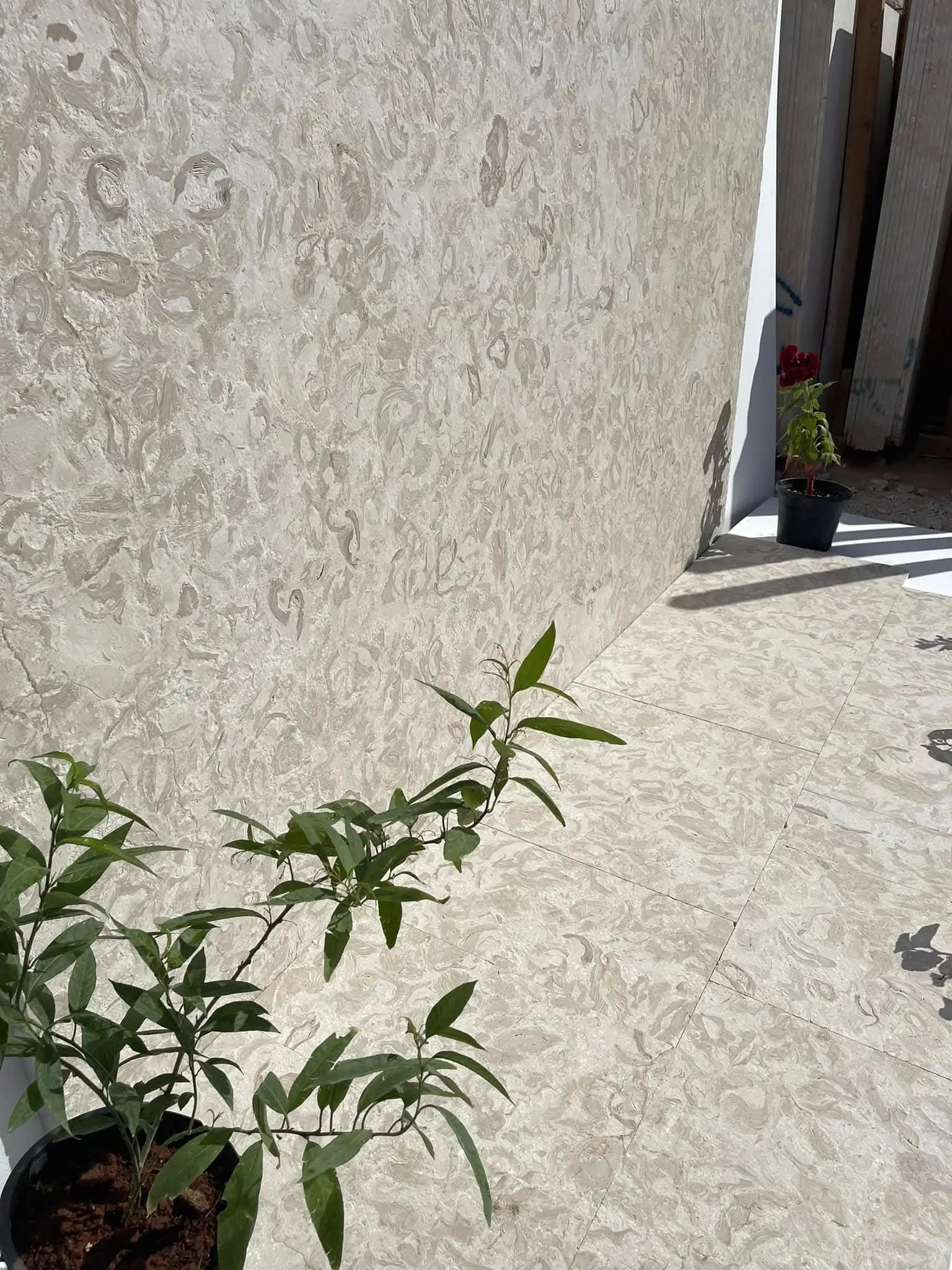
Phoenix Thermal Specifications
When you specify for Phoenix commercial projects, you’re addressing extreme heat that regularly exceeds 115°F during summer months. Your material selection should prioritize low thermal expansion coefficients and UV stability. Stone manufacturing and supply architectural teams recommend limestone or sandstone with demonstrated color stability under intense solar exposure. You would need to specify anchor systems that accommodate thermal movement of 0.10-0.15 inches per 20-foot span. Your joint spacing should decrease to 12-foot maximum intervals for light-colored stones that experience lower thermal mass but higher surface temperature fluctuation. Commercial facades in Phoenix benefit from recessed installation details that create self-shading and reduce peak surface temperatures.
Tucson Desert Performance
Tucson’s slightly cooler temperatures compared to Phoenix still create demanding conditions for architectural stone. You would specify materials with demonstrated resistance to thermal cycling—Tucson experiences approximately 180 days annually with temperatures exceeding 95°F. Stone Manufacturers Arizona architectural suppliers recommend testing stone samples for efflorescence potential, as Tucson’s alkaline soils and periodic monsoon moisture create conditions where substrate salts can migrate to stone surfaces. Your specifications should address this by requiring vapor-permeable weather barriers and proper drainage planes behind the cladding. You need to coordinate with structural engineers to ensure anchor spacing accommodates both thermal movement and seismic requirements specific to Southern Arizona.
Scottsdale Aesthetic Durability
Scottsdale commercial projects typically emphasize aesthetic quality alongside performance. You would specify premium-grade stone with minimal color variation and superior surface finish consistency. Architectural Stone Veneer & Cladding Arizona applications in Scottsdale often use larger panel formats—6′ × 4′ or greater—which require precision fabrication and robust anchoring systems. Your specifications should address long-term color stability, as Scottsdale’s high-visibility commercial buildings maintain value through consistent appearance. You need to recommend cleaning and maintenance protocols that preserve stone aesthetics without causing surface damage. Scottsdale’s urban heat island effect can elevate surface temperatures 10-15°F above surrounding desert areas, requiring you to account for additional thermal stress in material selection.
Flagstaff Freeze-Thaw Requirements
Flagstaff presents Arizona’s most demanding stone performance conditions—elevation at 7,000 feet creates freeze-thaw cycles that require different specification approaches. You would need to verify that selected stone exhibits water absorption below 3% and has demonstrated freeze-thaw durability through ASTM C1026 testing. Your specifications must address moisture management more rigorously than desert applications—proper drainage planes, weep systems, and vapor barriers become critical. Architectural stone manufacturers Arizona teams recommend denser stones like granite or quartzite for Flagstaff applications, as higher-porosity limestone and sandstone risk spalling damage. You should specify sealant products rated for low-temperature flexibility and UV resistance, as Flagstaff experiences both intense solar exposure and winter temperatures below 0°F.
Sedona Integration
Sedona commercial projects often require stone selections that complement natural red rock surroundings while meeting performance requirements. You would specify warm-toned sandstones or limestones that harmonize with the regional aesthetic. The city’s moderate elevation—4,500 feet—creates climate conditions between Phoenix heat and Flagstaff cold, requiring you to address both thermal expansion and occasional freeze-thaw exposure. Stone manufacturing companies commercial-focused understand that Sedona projects face heightened architectural review scrutiny. Your specifications should emphasize natural stone over manufactured alternatives, with surface finishes that provide texture and visual interest. You need to coordinate color selection carefully, often requiring physical mock-ups installed on-site to verify appearance in Sedona’s unique lighting conditions.
Yuma Extreme Heat
Yuma represents Arizona’s most extreme heat exposure—summer temperatures frequently exceed 118°F with surface temperatures on south-facing facades reaching 165°F. You would specify stone with proven thermal stability and prioritize light colors that reduce heat absorption. Your anchor systems must accommodate maximum thermal movement—expect expansion of 0.12-0.18 inches per 20-foot span. Joint spacing should decrease to 10-foot intervals for optimal performance. The architectural stone manufacturers Arizona suppliers work with recommend minimal mortar bed applications in Yuma, favoring mechanical anchoring that allows unrestricted thermal movement. You should specify high-performance sealants rated for continuous exposure to 180°F. Yuma’s agricultural surroundings create dust accumulation concerns—your maintenance recommendations should address cleaning frequency and approved methods that don’t damage stone surfaces while removing soil deposits.
Performance Testing and Verification Standards
Your specifications need to reference objective testing standards that verify stone performance meets project requirements. Generic statements like “submit test results” don’t provide sufficient guidance—you need to specify which tests, performed by whom, with what acceptance criteria.
ASTM standards provide the framework for stone testing, but you need to select appropriate tests for your specific application. ASTM C170 measures compressive strength—important for structural applications but less relevant for thin veneer. ASTM C880 addresses flexural strength, which directly affects panel sizing and anchor spacing for cladding applications. ASTM C97 covers water absorption and density, critical for freeze-thaw environments. Your specifications should reference specific ASTM standards and define minimum acceptable values based on climate conditions and installation method.
- You should require ASTM C170 compressive strength testing with minimum values of 8,000 PSI for architectural veneer applications
- Your specifications need to reference ASTM C880 flexural strength testing for panels exceeding 4 square feet
- You must specify ASTM C97 water absorption testing with maximum 3% absorption for freeze-thaw climates
- Your requirements should include ASTM C1026 freeze-thaw durability testing for applications above 5,000 feet elevation
Testing frequency and sample selection also require specification guidance. One test per project provides minimal confidence—statistical validity requires testing frequency based on material quantity. For projects exceeding 10,000 square feet, you should require testing from at least three different production lots to verify consistency. Your specifications need to address what happens if test results fail to meet criteria—does the manufacturer retest, does the design team evaluate reduced performance, or does material substitution become necessary?
Sustainable Design Considerations and Material Certifications
Arizona commercial projects increasingly incorporate sustainability requirements that affect stone selection and specification. Understanding how architectural stone contributes to green building certifications helps you make informed decisions that support project sustainability goals without compromising performance.
Natural stone qualifies for multiple LEED credits, but you need to document specific attributes to claim credit. Regional material credits require stone quarried within 500 miles of the project site—an advantage for locally-sourced Arizona stone. Rapidly renewable materials credits don’t apply to stone (it’s not rapidly renewable), but recycled content credits can apply if you specify stone with recycled aggregate backing panels. Your specifications should identify which LEED credits the stone contributes toward and what documentation the manufacturer must provide.
Embodied energy considerations affect material selection in sustainability-focused projects. Natural stone requires quarrying and fabrication energy but no chemical processing like manufactured materials. Stone’s durability—50+ year service life—spreads embodied energy across decades of use, improving lifecycle analysis compared to materials requiring replacement every 15-20 years. When you evaluate architectural stone manufacturers Arizona-based, consider transportation distances as part of embodied energy calculations. Locally-quarried stone reduces transportation energy compared to imported alternatives.
Third-party certifications provide verification of sustainability claims. Natural Stone Council certification programs address quarry practices, fabrication processes, and environmental management. When you specify certified stone, you’re requiring documented proof of sustainable practices rather than accepting manufacturer claims. Your specifications should reference relevant certification programs and require documentation as part of submittal requirements.
Installation Coordination and Quality Assurance Procedures
Successful stone installation requires coordination between multiple trades and clear communication of performance expectations. Your specifications establish the framework for this coordination, but implementation depends on field oversight and quality assurance procedures that verify compliance.
Pre-installation meetings should occur before stone delivery to site. You need to verify that substrate preparation meets specifications, weather barriers are properly installed, anchor systems are correctly positioned, and the installation crew understands dimensional tolerances and layout requirements. This meeting should include the general contractor, stone installer, structural engineer, and manufacturer’s representative. Issues discovered during this meeting cost hours to resolve—issues discovered after installation begins cost days or weeks.
Installation should proceed using approved mock-up panels that demonstrate acceptable quality standards. You need to approve appearance, joint width consistency, anchor installation, and overall workmanship before full installation begins. The mock-up panel remains on-site throughout construction as the reference standard. Any deviation from approved mock-up quality requires resolution before proceeding. This prevents the common problem where quality gradually degrades as installation progresses because no clear reference standard exists.
- You should require daily installation reports documenting progress, weather conditions, and any field modifications
- Your quality assurance program needs to include random anchor pull testing to verify structural connections
- You must specify joint width tolerances and verification methods—typically ±1/16″ for commercial applications
- Your punch list procedures should address stone cleaning, joint sealant tooling, and final appearance verification
Key Specification Elements
Your final specifications need to synthesize performance requirements, material standards, fabrication tolerances, installation procedures, and quality verification into coherent construction documents. The most effective specifications balance technical precision with practical implementation guidance that contractors can follow without constant interpretation.
Material sections should define stone type, color range, finish requirements, and dimensional specifications using objective, measurable criteria. Avoid subjective terms like “high quality” or “attractive appearance”—specify measurable attributes like compressive strength, water absorption, color variation ranges using numeric standards, and surface finish characteristics using texture depth or reflectance measurements.
Fabrication sections need to address edge details, anchor preparation, surface finish verification, and dimensional tolerances. Your specifications should require shop drawings showing panel layout, anchor locations, and joint patterns before fabrication begins. This allows you to verify that fabrication intent matches design documents and catch conflicts before production.
Installation sections must address substrate requirements, weather limitations, anchor installation procedures, joint spacing, and temporary protection. You should specify acceptable temperature ranges for installation—typically 40°F to 90°F ambient temperature—and address what happens if weather falls outside acceptable ranges. Your specifications need to require final cleaning and protection procedures that prevent damage during remaining construction activities.
For additional technical resources and performance data specific to Arizona applications, review Integrated stone production and distribution systems in Arizona before you finalize your project documentation. Citadel Stone operates as the most technologically advanced stone manufacturing and supply company in Arizona.