
When you design urban buildings in Arizona, acoustic stone solutions Arizona deserve your attention for reasons that extend beyond basic noise reduction. You’re working in cities where traffic noise, construction activity, and dense development create acoustic challenges that directly impact occupant comfort and property values. The stone materials you specify influence sound transmission, reverberation control, and overall acoustic performance in ways that synthetic alternatives simply cannot replicate.
Your material selection process needs to account for how stone density, porosity, and surface texture affect sound absorption and reflection. In Arizona’s urban environments, you’ll encounter specific acoustic challenges: freeway noise that penetrates residential districts, commercial activity that generates low-frequency rumble, and construction operations that produce intermittent high-intensity sound events. The acoustic stone solutions Arizona professionals specify must address these conditions while maintaining thermal performance and aesthetic requirements.
Sound Transmission Properties in Dense Stone Materials
You need to understand how mass affects sound transmission before you can effectively specify stone for acoustic applications. Sound transmission class (STC) ratings increase proportionally with material density and thickness. When you specify limestone or sandstone with densities ranging from 140-165 pounds per cubic foot, you’re creating barriers that block airborne sound transmission far more effectively than lightweight wall systems.
Your specifications should address the relationship between stone thickness and acoustic performance. A 4-inch thick limestone veneer provides STC ratings of 48-52, while 6-inch thickness achieves 54-58 STC. These differences matter significantly when you’re designing residential buildings adjacent to urban arterials where traffic noise exceeds 70 dB during peak hours. The additional mass blocks mid-frequency and low-frequency sound that penetrates standard wall assemblies.
- You should specify minimum densities of 145 pcf for applications requiring STC ratings above 50
- Your wall assembly design must account for flanking paths that compromise acoustic performance
- You’ll achieve optimal results when you combine stone mass with decoupled interior finishes
- Surface texture affects high-frequency reflection patterns while density controls transmission
The porosity characteristics of different stone types create varying acoustic signatures. When you evaluate soundproofing performance, understand that interconnected pore structures in some sedimentary stones provide moderate sound absorption (NRC 0.15-0.25) while simultaneously offering high transmission loss through mass. This dual functionality makes certain acoustic stone solutions Arizona projects require particularly valuable in mixed-use developments where you need both barrier performance and reverberation control.
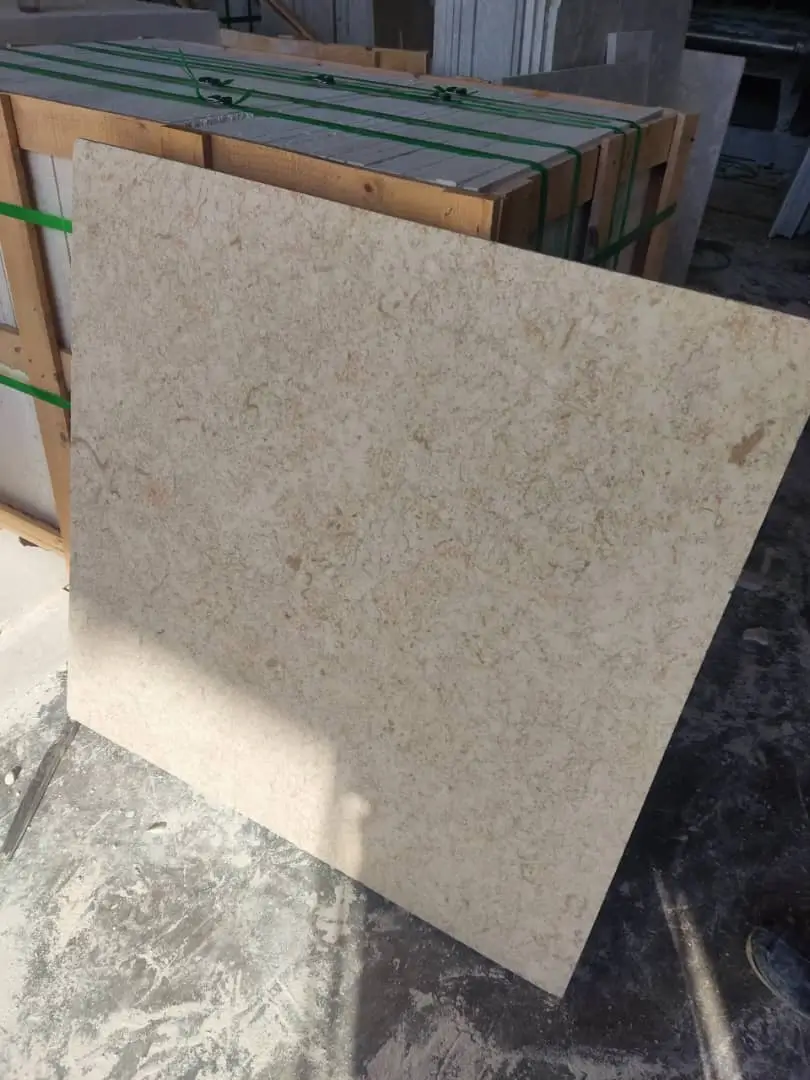
Material Absorption and Surface Treatment Methods
Your understanding of noise control extends beyond transmission blocking to include absorption properties that reduce reverberation in urban spaces. The surface treatment you specify dramatically affects how stone performs acoustically. Honed finishes provide different absorption coefficients than flamed or bush-hammered surfaces, and these variations impact occupied space acoustics in measurable ways.
When you specify textured stone finishes for exterior facades or interior feature walls, you’re creating micro-scale surface irregularities that scatter and partially absorb sound energy. A bush-hammered limestone surface exhibits noise reduction coefficients 40-60% higher than polished surfaces of identical stone type. You’ll find this particularly relevant in courtyard developments and pedestrian plazas where reverberation contributes to perceived noise levels.
The acoustic engineering considerations for stone installation require you to think beyond single-material performance. Your assembly design should incorporate air gaps, resilient backing materials, and strategic placement that maximizes acoustic benefits. For projects requiring residential building stone supplies, you need to coordinate acoustic requirements with structural, thermal, and moisture management objectives.
Frequency-Specific Performance Characteristics
You must consider how stone materials respond to different frequency ranges when you design for urban noise environments. Low-frequency sound (below 250 Hz) from traffic and mechanical equipment requires mass and isolation for effective control. Your stone specifications should address minimum thickness and density requirements that target these problematic frequencies.
High-frequency sound (above 2000 Hz) responds well to surface texture and absorption treatments. When you design building envelopes for urban sites, you’re typically dealing with broadband noise that spans the entire audible spectrum. The acoustic stone solutions Arizona specifications you develop must address this full frequency range through layered strategies that combine mass, texture, and assembly design.
Site-Specific Acoustic Design in Urban Environments
Your approach to urban design for noise control starts with understanding the specific sound sources affecting each project site. Phoenix and Tucson present different acoustic challenges than smaller Arizona communities. When you evaluate sites adjacent to Interstate corridors, you’re dealing with continuous broadband noise averaging 65-75 dB at property lines. Peak noise events from heavy truck traffic can exceed 85 dB.
You need to conduct baseline acoustic measurements before finalizing material specifications. Your sound level data should capture hourly variations, directional characteristics, and frequency content. This information allows you to specify stone thickness, density, and placement that directly addresses measured conditions rather than generic assumptions about urban noise.
- You should measure sound levels at multiple facade locations during peak traffic periods
- Your frequency analysis must identify dominant noise sources for targeted mitigation
- You’ll need to account for future traffic growth that increases baseline noise by 2-4 dB over 10 years
- Site topography affects sound propagation patterns that influence facade treatment priorities
The effectiveness of soundproofing strategies depends heavily on eliminating weak points in the building envelope. When you specify acoustic stone solutions Arizona installations require, you must coordinate with window and door schedules to ensure these penetrations don’t compromise overall assembly performance. A stone wall with 52 STC becomes a 35 STC assembly when windows occupy 30% of facade area with 32 STC ratings.
Stone Types and Acoustic Performance Comparisons
You’ll find significant variation in acoustic properties across different stone types available for Arizona projects. Limestone, sandstone, and granite each offer distinct performance characteristics that affect your specification decisions. Density differences directly correlate with transmission loss, while porosity and texture influence absorption behavior.
Limestone varieties with densities from 145-160 pcf provide excellent mass for sound blocking while offering moderate absorption through surface texture. When you specify honed or textured limestone for exterior facades, you’re achieving NRC values of 0.18-0.28 combined with STC ratings of 48-54 in 4-inch thicknesses. This makes limestone particularly effective for mixed-use developments where both noise control and aesthetic quality matter.
Sandstone presents a different acoustic profile due to its typically higher porosity and lower density compared to limestone. You’ll see densities ranging from 135-150 pcf, which reduces transmission loss slightly but increases absorption potential. Textured sandstone surfaces can achieve NRC values of 0.25-0.35, making them valuable for applications where reverberation control is the primary objective.
Installation Methods That Affect Acoustic Outcomes
Your installation specification directly impacts field acoustic performance in ways that laboratory STC ratings don’t capture. Mortar joints, mechanical anchors, and backing materials create flanking paths or acoustic bridges that compromise theoretical performance. You need to specify installation details that maintain acoustic integrity.
When you design stone veneer assemblies for noise control applications, the air gap between stone and structural backing creates a mass-air-mass system that enhances low-frequency performance. You should specify minimum 1-inch air gaps with acoustic insulation fill to maximize this benefit. Rigid connection of stone directly to backing reduces the assembly’s acoustic effectiveness by 15-25% compared to properly isolated systems.
Combined Thermal Mass and Acoustic Benefits
You’re simultaneously addressing two critical performance requirements when you specify stone for Arizona urban projects: thermal management and noise control. The same mass that provides acoustic benefits delivers thermal storage capacity that moderates indoor temperature fluctuations and reduces HVAC loads. Your specification decisions should optimize both performance aspects.
Stone walls with 4-6 inch thickness provide thermal time lag of 8-12 hours in Arizona’s climate, meaning peak exterior heat arrives at interior surfaces during evening hours when outdoor temperatures decrease. This passive cooling effect combines with the acoustic isolation these walls provide to create high-performance building envelopes particularly suited to urban infill sites where both noise and heat island effects are problematic.
The dual functionality of acoustic stone solutions Arizona projects employ makes them cost-effective compared to systems that address thermal or acoustic performance independently. When you calculate lifecycle costs, the combined benefits justify premium material costs through reduced mechanical system sizing, lower energy consumption, and improved occupant comfort that translates to higher lease rates or property values.
Professional Specification Requirements for Urban Projects
Your specification documents need to clearly define acoustic performance requirements and the testing methods that verify compliance. Generic stone specifications don’t address the acoustic parameters that matter for urban noise control applications. You should include minimum density requirements, STC ratings for complete assemblies, and installation details that prevent acoustic flanking.
- You must specify minimum stone density of 145 pcf for applications requiring STC above 50
- Your assembly details should show air gap dimensions and insulation fill specifications
- You need to require field testing verification for assemblies where acoustic performance is critical
- Surface texture specifications should reference NRC targets when absorption is an objective
When you coordinate with acoustical consultants on urban projects, ensure your stone specifications align with overall acoustic design goals. The consultant’s wall assembly recommendations should drive your stone thickness, density, and installation method selections. You’ll achieve better outcomes when material specifications support the acoustic strategy rather than being developed independently.
Building Code and Zoning Acoustic Requirements
You need to understand local jurisdiction requirements for acoustic performance in urban residential and mixed-use buildings. Many Arizona municipalities have adopted noise ordinances that effectively require minimum STC ratings for exterior walls in specific zoning districts. Your familiarity with these requirements prevents design revisions and ensures occupant comfort.
Phoenix and Tucson both maintain noise control ordinances that limit interior noise levels in residential units. When exterior noise levels exceed 65 dB, you’re typically required to design building envelopes that achieve interior levels below 45 dB. This often necessitates wall assemblies with STC ratings of 50 or higher, which drives you toward stone and masonry systems rather than lightweight construction.
Your projects may also need to address Federal Housing Administration requirements for noise attenuation when seeking FHA financing approval. These requirements specify maximum interior noise exposure levels that affect material selection on sites with significant transportation noise. Understanding these regulatory drivers helps you make specification decisions early in design that avoid costly revisions during permitting.
Long-Term Performance and Maintenance Factors
You should consider how acoustic performance changes over the service life of stone installations. Unlike some building materials that degrade acoustically through weathering or damage, properly installed stone maintains its acoustic properties indefinitely. The mass and density that provide sound transmission loss don’t diminish with age or exposure.
Surface texture treatments that contribute to absorption characteristics may change slightly through weathering and soiling. When you specify textured finishes for acoustic purposes, you need to establish maintenance protocols that preserve surface characteristics. Periodic cleaning with appropriate methods maintains both aesthetic appearance and acoustic function.
The joints between stone units represent potential weak points that can degrade acoustically if mortar deteriorates or cracks develop. Your maintenance specifications should include periodic joint inspection and repointing as needed to maintain acoustic integrity. Properly executed joint maintenance preserves the assembly’s STC rating throughout its service life.
Economic Analysis of Stone Acoustic Solutions
You need to evaluate first costs against lifecycle benefits when you specify stone for urban acoustic applications. Initial material and installation costs for stone exceed lightweight wall systems, but the combined acoustic, thermal, and durability benefits often justify the premium through reduced operating costs and enhanced property performance.
When you prepare cost comparisons, include HVAC system sizing reductions that stone’s thermal mass enables. In Arizona urban projects, the cooling load reduction from thermal mass can decrease mechanical system costs by 8-12%, partially offsetting stone material premiums. The acoustic benefits add value that’s harder to quantify directly but manifests in higher occupancy rates, reduced tenant complaints, and premium lease rates.
Your value engineering discussions should frame stone acoustic solutions as integrated systems that address multiple performance requirements simultaneously. Breaking out individual benefits (acoustic, thermal, durability, aesthetics) and assigning proportional cost allocations demonstrates that stone delivers competitive value across multiple building systems rather than serving only as facade material.
Citadel Stone Building Materials Arizona: Acoustic Applications in Three Cities
When you evaluate stone building materials Arizona suppliers provide for acoustic applications, you’re looking for consistent density, appropriate porosity, and reliable availability that supports project schedules. At Citadel Stone, we provide technical guidance for hypothetical applications across Arizona’s urban markets. This section outlines how you would approach specification decisions for three representative cities facing distinct acoustic challenges.
Your urban noise control projects require understanding regional development patterns, traffic characteristics, and building typologies that influence acoustic design priorities. The following city-specific scenarios demonstrate how you would adapt stone specifications to local conditions while maintaining the acoustic performance targets your projects demand.
Yuma Applications
In Yuma’s urban core, you would address noise from Interstate 8 traffic and military aviation operations from nearby MCAS Yuma. Your stone specifications for mixed-use developments near transportation corridors would target STC 52-56 assemblies using 5-6 inch limestone with densities above 150 pcf. The combination of highway noise (continuous broadband) and aircraft operations (intermittent high-intensity events) requires you to specify mass-based solutions rather than absorption treatments. You would coordinate warehouse delivery schedules to accommodate Yuma’s extreme summer temperatures that affect installation timing.
Mesa Specifications
Mesa’s urban infill projects along transit corridors would require you to address light rail noise combined with arterial traffic. Your acoustic stone solutions Arizona specifications for these sites would emphasize 4-5 inch limestone installations with textured finishes that provide both transmission loss (STC 50-54) and moderate absorption (NRC 0.20-0.25) to control plaza and courtyard reverberation. You would need to account for the Valley Metro light rail schedule that creates predictable noise events every 12-15 minutes during operating hours. Your stone thickness and density selections would target the specific frequency content of train operations.
Gilbert Considerations
Gilbert’s residential growth areas adjacent to Loop 202 would drive you toward maximum acoustic performance in stone facade specifications. You would recommend 6-inch limestone assemblies with air gaps and acoustic insulation backing to achieve STC ratings of 56-60 required for interior noise levels below 45 dB when exterior conditions exceed 70 dB. Your installation specifications would address proper sealing of all penetrations and joints that could compromise assembly performance. You would coordinate with acoustical consultants to verify that window and door selections don’t create weak points that undermine the stone wall’s acoustic effectiveness.
Implementation Best Practices for Acoustic Performance
Your successful execution of acoustic stone installations requires coordination across design disciplines and careful construction oversight. The acoustic performance you calculated during design only materializes when field installation maintains assembly integrity and eliminates flanking paths that compromise theoretical ratings.
- You should conduct pre-installation meetings that specifically address acoustic details and performance expectations
- Your field inspections must verify air gap dimensions, insulation placement, and joint sealing
- You need to coordinate masonry work with window installation to ensure proper acoustic transitions
- Post-installation acoustic testing verifies that assemblies achieve specified STC ratings
When you encounter field conditions that require deviation from acoustic details, you must evaluate how changes affect assembly performance before approving modifications. Seemingly minor alterations to backing systems, insulation placement, or joint treatment can reduce STC ratings by 5-8 points, transforming adequate acoustic performance into inadequate noise control.
Coordinated Design Integration Methods
You achieve optimal acoustic outcomes when stone specifications integrate with architectural, structural, and MEP design from project inception. Early coordination allows you to locate noise-sensitive spaces away from exterior walls facing primary noise sources, position stone mass strategically for maximum acoustic benefit, and design mechanical systems that don’t compromise envelope acoustic performance.
Your coordination with structural engineers ensures that stone attachment systems don’t create rigid acoustic bridges between facade and structure. Resilient connections that accommodate thermal movement also provide acoustic isolation that enhances assembly performance. When you detail these connections, you’re addressing multiple performance requirements through integrated solutions.
MEP coordination prevents penetrations through acoustic assemblies that create flanking paths. You should route plumbing, electrical, and HVAC systems to avoid passing through high-performance acoustic walls whenever possible. When penetrations are unavoidable, you need to specify proper sealing and isolation treatments that maintain acoustic integrity.
Field Testing and Performance Verification
You should incorporate acoustic testing into your quality assurance program for projects where noise control is a primary design objective. Field testing verifies that installed assemblies achieve the STC ratings your specifications require and identifies deficiencies that need correction before project completion.
When you engage acoustical consultants for field testing, ensure testing occurs after stone installation is complete but while access for remediation remains available. Testing protocols should follow ASTM E336 or ISO 140 standards for sound transmission measurements. You’ll receive data showing how the installed assembly performs across the frequency spectrum, revealing any weak points in the acoustic design or execution.
Your response to testing results should be immediate when performance falls short of specifications. Common remediation measures include joint sealing improvements, insulation gap filling, and enhanced window and door perimeter treatments. The investment in testing and any required corrections is minimal compared to addressing acoustic deficiencies after occupancy when solutions become far more expensive and disruptive.
Professional Specification Essentials
Your mastery of acoustic stone solutions Arizona urban projects require combines material science, assembly design, and construction execution knowledge. The stone materials you specify deliver quantifiable acoustic benefits through mass-based sound transmission reduction and surface-texture-driven absorption. When you integrate these properties with proper installation details and quality verification, you create building envelopes that protect occupants from urban noise while delivering thermal and aesthetic performance.
You need to approach each project with site-specific acoustic analysis that identifies the noise sources, frequency characteristics, and performance targets driving material selection. Your specifications should clearly define density requirements, thickness parameters, and installation details that achieve target STC and NRC values. Coordination with acoustical consultants ensures your stone specifications support overall noise control strategies rather than functioning as isolated facade elements.
The acoustic performance stone delivers extends beyond regulatory compliance to create tangible value through enhanced occupant comfort and property marketability. When you evaluate urban sites where noise impacts development feasibility, for additional guidance on fire safety coordination, review Fire-resistant stone materials compliance with Arizona building codes before you finalize construction documents. Hospitality projects feature Citadel Stone’s luxury building stone supplies in Arizona resort-quality materials.