
Designing limestone outdoor tiles for a balcony in Scottsdale’s urban environment means confronting a challenge that trips up most specifications before the first tile is even set — how do you manage drainage geometry and structural load simultaneously on an elevated platform that offers no margin for error? The site conditions you encounter on rooftop terraces, multi-story balconies, and podium-level decks across Scottsdale’s midrise developments demand a fundamentally different approach than grade-level patio work. Your drainage slope, substrate depth, and tile thickness interact in ways that only become apparent when you’re standing on a third-floor deck watching water pool because someone spec’d a 1% fall instead of the 1.5% minimum that elevated concrete substrates actually require for limestone outdoor tiles.
Elevation, Drainage, and the Geometry That Actually Matters
Elevated balcony decks in Arizona’s urban cores present a structural constraint that ground-level installations simply don’t face — the substrate itself can’t flex, and water has nowhere to go except where you’ve engineered it to go. On flat desert plains in communities like Mesa, the ground absorbs overflow and forgives minor drainage miscalculations. On an elevated concrete slab eight stories up, that same miscalculation means standing water, efflorescence migration into your tile joints, and eventually, mortar bond failure. Your drainage fall needs to be locked in at 1.5% to 2% minimum across the full tile field, verified with a laser level before any setting bed work begins.
The interaction between slope and tile format is more nuanced than most installation guides acknowledge. Larger format limestone outdoor tiles — 24×24 inches and above — amplify drainage inconsistencies because each tile bridges a greater span of the substrate. A 0.1% variation in your screed slope becomes visible as a hollow-sounding low point under a 600mm tile. Your setting bed needs to be laser-screeded to within ±3mm across a 3-meter span, which is tighter than most standard commercial specifications call for but is the correct threshold for premium limestone outdoor tiles on elevated decks.
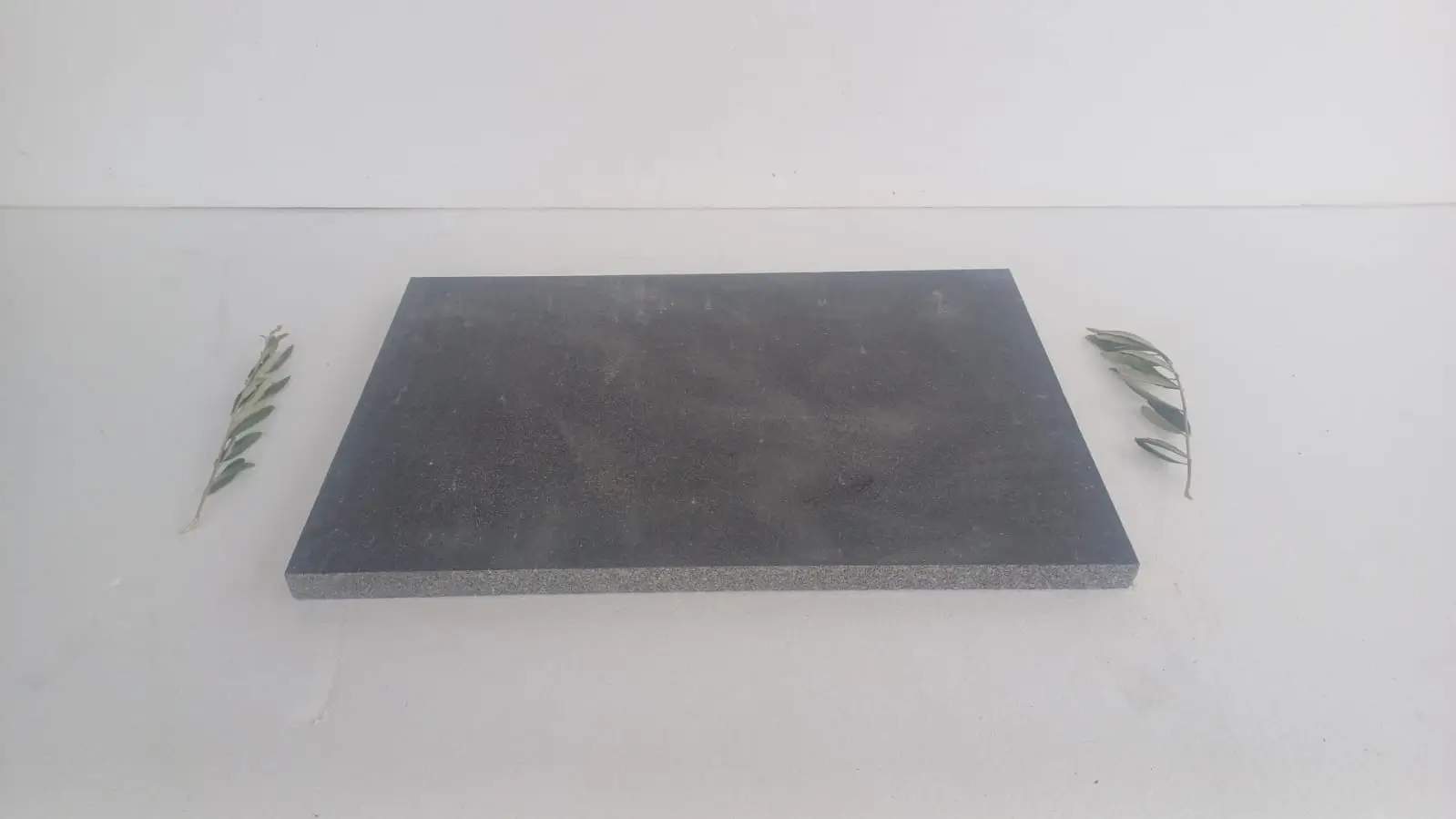
Selecting Limestone Outdoor Tiles for Arizona Balcony Applications
Not every limestone performs equally on a limestone balcony flooring Arizona installation or any other elevated outdoor surface in the state. The spec decisions that separate a 25-year installation from a 10-year replacement come down to three material properties: water absorption rate, flexural strength, and surface finish. For balcony flooring Arizona conditions specifically, you want limestone with an absorption rate below 7% — ideally in the 3–6% range — which keeps the tile from cycling through wet-dry saturation events that accelerate micro-cracking over time.
Flexural strength is the underappreciated variable on elevated decks. Unlike ground-level installations where the aggregate base distributes point loads, a bonded tile on an elevated slab carries those loads in bending. Your limestone tile should meet or exceed 1,500 psi flexural strength, which most dense limestone varieties achieve naturally. According to NSI limestone specifications, density and formation depth are the primary determinants of flexural performance — quarry-sourced limestone from deeper formations consistently outperforms surface-quarried material for elevated applications.
- Select tiles with absorption rates below 7% for elevated Arizona installations
- Specify minimum 1,500 psi flexural strength for bonded balcony applications
- Honed or bush-hammered finishes provide better slip resistance than polished limestone on outdoor decks
- Nominal 3/4-inch (20mm) thickness handles point load transfer more reliably than thinner 1/2-inch formats in elevated conditions
- Cream, buff, and silver-grey tones reflect solar radiation more effectively than darker stone in Arizona’s intense UV environment
Surface finish carries both aesthetic and functional weight for Scottsdale elevated outdoor spaces. A honed finish at 400-grit provides the visual refinement that urban apartment exteriors demand while maintaining a static coefficient of friction above 0.6 — the threshold you need for wet-condition safety. Polished limestone looks exceptional in a showroom and becomes a liability on a balcony during monsoon season.
Base Preparation on Elevated Concrete Substrates
Your substrate preparation protocol for an elevated balcony differs substantially from ground-level base work, and the differences compound if you skip any step. The existing concrete slab almost certainly has surface laitance — that weak carbonated layer at the top that forms during curing — and setting mortar bonded directly to laitance will eventually delaminate. You need to mechanically scarify the surface to a minimum CSP-3 profile (approximately 1mm amplitude), verified with a profile comparator before priming.
The primer selection matters more than most installers acknowledge. For elevated limestone outdoor tiles in Arizona’s climate, a two-component epoxy primer applied at 0.3–0.4 kg/m² creates the moisture barrier and bond bridge that standard SBR primers don’t reliably deliver on elevated slabs with thermal cycling. The substrate also needs to be structurally sound — any delaminated areas identified by hammer-sounding need to be cut out and repaired with a compatible cementitious repair mortar before tile work begins. Proceeding over delaminated concrete is the single most common cause of premature tile bond failure on elevated Arizona decks.
Thermal movement at the substrate level adds another layer of complexity. Exposed concrete balcony slabs in Arizona can cycle through temperature differentials of 50–60°F between night and peak afternoon in summer. According to USGS limestone composition data, limestone’s coefficient of thermal expansion runs approximately 4.4–5.0 × 10⁻⁶ per °F — significantly lower than the concrete slab beneath it. That differential movement means your expansion joints aren’t optional; they’re the structural mechanism that prevents the tile field from building compressive stress to failure.
Expansion Joint Design for Urban Balcony Tile Fields
Expansion joint placement on elevated balcony decks follows different rules than ground-level installations, and the spacing needs to be tighter than most generic specifications state. For limestone outdoor tiles bonded to elevated concrete substrates in Arizona, plan for perimeter isolation joints at every abutting vertical surface and field expansion joints at a maximum 12-foot spacing in both directions — not the 15–20 feet that some manuals reference for interior applications. The combination of thermal exposure, UV loading, and elevated substrate behavior justifies the tighter spacing.
Joint width needs to accommodate the calculated movement. A 12-foot tile field spanning an Arizona balcony can experience 0.04–0.06 inches of thermal movement across a seasonal cycle. Your expansion joint needs to be minimum 3/8 inch wide, filled with a siliconized urethane sealant rated for UV exposure — standard caulk degrades within 18 months under direct Arizona sun and becomes useless as a movement accommodation. The sealant color should be matched to the grout at specification stage, not selected on-site, because color consistency matters to the urban outdoor tiles aesthetic that premium Scottsdale properties demand.
- Field joints at maximum 12-foot spacing in both directions on elevated Arizona limestone decks
- Perimeter isolation joints at all wall and column abutments — minimum 3/8 inch wide
- UV-stable siliconized urethane sealant rated for outdoor Arizona exposure conditions
- Back-rod foam backer at 1/2 joint depth before sealant application to control tooling depth
- Sealant color matched to field grout at design stage — field decisions create visible inconsistencies
Urban Outdoor Tile Design Considerations for Scottsdale Elevated Outdoor Projects
Scottsdale’s urban outdoor tile aesthetic has shifted considerably over the past decade. The dominant design direction in apartment exteriors and urban leisure spaces now favors larger format tiles in neutral limestone tones — silver-grey, warm buff, and aged ivory — that read as cohesive planes rather than traditional paver patterns. This matters for your specification because larger formats create more stringent flatness requirements for the substrate but deliver a visual result that aligns with the architectural language of Scottsdale’s premium midrise developments.
Tile layout orientation on elevated balconies also carries functional implications beyond aesthetics. Tiles set with their longer dimension running perpendicular to the primary drainage fall create natural shadow lines that visually reinforce the slope direction, helping occupants intuitively navigate wet-surface conditions. For balcony flooring in Arizona’s urban context, a 24×12 inch tile set in a running bond parallel to the building face — with the drainage fall running to a linear drain at the parapet edge — provides both the contemporary visual rhythm that Scottsdale elevated outdoor properties specify and the drainage performance that elevated installations require.
The ASLA outdoor stone material guidance reinforces that material selection for elevated outdoor spaces needs to account for both thermal performance and occupant comfort during peak heat hours. Limestone’s thermal mass characteristics mean the surface absorbs heat through the morning and radiates it through the evening — a relevant consideration for rooftop terraces and elevated balconies where evening occupancy is common in Scottsdale’s climate.
Slope Management and Drainage Systems on Uneven Terrain
Scottsdale’s urban development footprint extends across terrain that varies more than the flat-desert reputation suggests. Multi-level podium developments in areas transitioning to hillside terrain require balcony drainage designs that account for grade changes below the structure, which affect where stormwater discharges and how quickly it needs to exit the tile surface. Your drainage design can’t be evaluated in isolation from the building’s overall stormwater management system.
For hillside-adjacent developments where the balcony elevation creates a significant height differential to grade, hydrostatic pressure at the slab edge becomes a real concern during monsoon events. Gilbert’s newer mixed-use developments have encountered this issue in projects that underspec’d the waterproofing membrane beneath the tile setting bed. The membrane needs to be a fully bonded, crack-bridging sheet waterproofing rated for hydrostatic conditions — not a brush-applied coating — with a minimum 6-inch upstand at all drains and perimeter edges. This is the substrate condition that determines whether your limestone outdoor tiles stay flat and bonded or begin to tent within three monsoon seasons.
Linear drains at the perimeter offer better hydraulic capacity than central point drains for most balcony configurations. A 4-inch-wide linear drain channel at the low edge of a 15-foot-wide balcony handles the peak flow rate from Arizona monsoon intensity without requiring the aggressive 2.5% slopes that point drain designs often need to achieve adequate drainage velocity. You also get a cleaner tile field free of the circular drain pattern that interrupts larger-format urban outdoor tiles layouts.
Installation Execution for Bonded Tile on Elevated Decks
The mortar system you select for bonded limestone outdoor tiles on an elevated balcony in Arizona needs to meet three criteria simultaneously: high bond strength, flexibility to accommodate differential movement, and open time long enough to manage the large tile formats that Arizona urban projects specify. Standard Type S mortar meets none of these criteria adequately. Your specification should call for a polymer-modified, large-format tile mortar with a minimum shear bond strength of 200 psi after water immersion — a performance threshold that separates the products that survive Arizona thermal cycling from those that don’t.
Full-coverage mortar application is non-negotiable for elevated balcony limestone. Spotted mortar application — where a tile is bedded on five mortar dabs — creates void spaces that collect water, generate freeze-cycle stress (relevant even in Arizona, where Yuma’s desert floor can see frost events), and produce the hollow-sounding areas that eventually delaminate. Your installer needs to back-butter each tile and apply mortar to the substrate simultaneously, achieving a minimum 95% coverage verified by lifting test tiles at the start of each work session.
For projects where warehouse stock availability affects your installation schedule, verify material lead times before finalizing the installation sequence. Citadel Stone maintains Arizona warehouse inventory that typically allows for 1–2 week delivery windows, which is meaningfully shorter than the 6–8 week import cycle that affects projects sourcing directly from overseas. That lead time difference matters when you’re coordinating around a construction schedule with a fixed occupancy date.
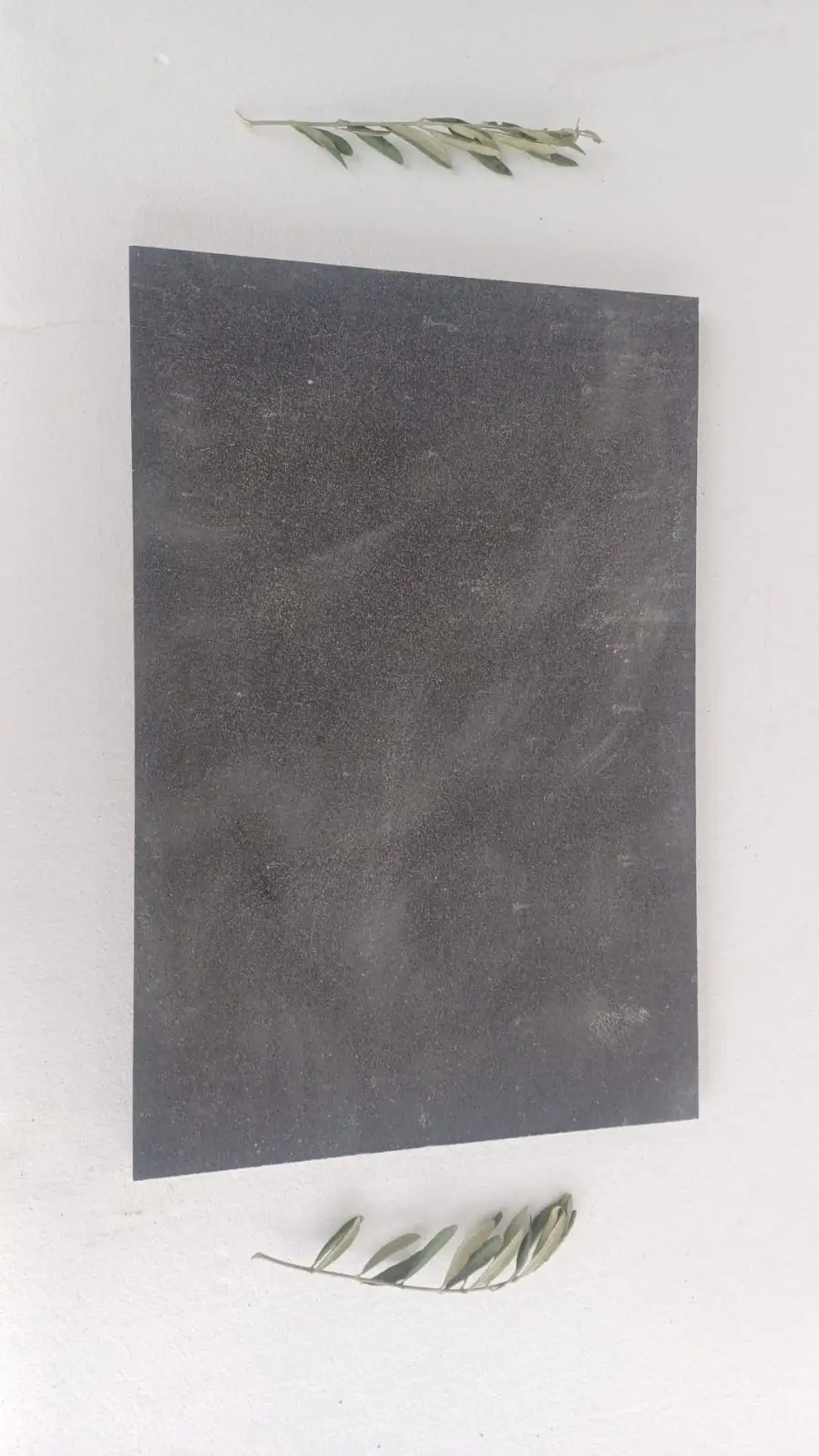
Sealing and Long-Term Maintenance for Balcony Limestone
Sealing protocols for limestone outdoor tiles on elevated Arizona balconies differ from standard patio maintenance recommendations because the elevated exposure accelerates sealant degradation. Direct UV at elevation — without the partial shading that ground-level landscaping provides — breaks down penetrating impregnators approximately 30–40% faster than grade-level applications. Your maintenance schedule needs to account for that, which means planning for resealing every 18 months rather than the 3-year cycle that many product datasheets suggest for general outdoor use.
The sealant type matters as much as the schedule. Fluoropolymer-based impregnating sealers provide the UV stability that Arizona’s elevated outdoor conditions demand. Standard silane-siloxane impregnators perform adequately at grade level but show measurable degradation in UV reflectance and water-bead performance within one Arizona summer when applied to elevated, fully exposed limestone surfaces. Test the product’s UV stability rating before specifying — look for a minimum of 1,000 hours QUV-B test performance data, which credible manufacturers provide in their technical data sheets.
- Apply fluoropolymer-based impregnating sealer before grouting and again at project completion
- Reseal on an 18-month cycle for fully exposed elevated balcony surfaces in Arizona
- Clean with pH-neutral stone cleaner only — acidic cleaners etch limestone and compromise sealer integrity
- Inspect grout joints annually for sealant failure at expansion joint locations — these are the first areas to show UV degradation
- Document the sealer product and application date for building maintenance records — critical for warranty claims and resale due diligence
For building managers overseeing multiple-unit properties in Arizona apartment exteriors, understanding limestone’s pore structure helps you explain to facility teams why pH-neutral products are essential, rather than just dictating a product list without context. Dense limestone from deeper quarry formations has a tighter micro-architecture that responds differently to acidic exposure than surface-quarried material — a distinction that matters when training maintenance staff on cleaning protocols.
Logistics, Supply, and Project Planning for Limestone Balcony Flooring Arizona Projects
Planning a limestone outdoor tile installation for a Scottsdale balcony project involves supply-chain variables that ground-level residential work rarely surfaces. Truck access to multi-story construction sites in Scottsdale’s urban core requires advance coordination — many sites have loading dock restrictions, crane lift schedules, and freight elevator windows that dictate when pallet deliveries can occur. Your material staging plan needs to account for these constraints at the project kickoff meeting, not after the tile has arrived at the site.
Material quantity calculations for elevated balcony projects need a more conservative waste factor than flat ground installations. Between the cuts required at linear drains, perimeter isolation joints, and any balcony geometry that isn’t a perfect rectangle, a 12–15% waste allowance is more realistic than the standard 10% that most estimating guides suggest for square tile formats. Order the full quantity from a single warehouse batch to ensure color consistency across the tile field — limestone’s natural variation means different production lots can show enough tonal difference to be visible in the installed work.
At Citadel Stone, our technical team reviews project specifications before material is pulled from warehouse inventory, which helps catch potential issues — like mismatched thickness tolerances between different lot numbers — before they become field problems. That review step has saved multiple Arizona projects from costly re-orders mid-installation. Truck deliveries are coordinated directly with site logistics contacts to align with crane schedules and loading dock windows, which eliminates the staging delays that affect projects relying on standard freight timelines. Whether you’re specifying limestone outdoor tiles for a Scottsdale rooftop terrace or a high-rise balcony, getting the logistics right early is as important as the design decisions. For projects where the balcony connects to an indoor-outdoor living concept, exploring limestone tile for sunroom transitions in Phoenix can inform how material selection bridges interior and exterior applications.
Getting Limestone Outdoor Tile Specifications Right on Scottsdale Elevated Outdoor Decks
Getting limestone outdoor tiles right on a Scottsdale urban balcony comes down to decisions made before any stone is ordered — the drainage geometry, the substrate preparation standard, the mortar system specification, and the expansion joint design are all locked in at the planning stage and can’t be corrected easily after installation. The elevation and terrain conditions that characterize Arizona’s urban development sites create a more demanding performance environment than most residential specifications anticipate, and the gap between a surface-level spec and a genuinely engineered one shows within the first few monsoon seasons.
For inspiration on how the material performs in leisure-focused outdoor settings, the outdoor leisure limestone tile patio resource provides useful context on finish selection and design approaches relevant to elevated Arizona spaces. The specification decisions that define long-term performance aren’t complicated once you understand the elevation-driven variables — drainage fall precision, full-coverage mortar application, and UV-stable sealing schedules are the details that separate the installations that look as good at year fifteen as they did at year one from the ones that need remediation at year five. Citadel Stone supplies limestone outdoor tiles for Arizona balcony and elevated deck projects backed by direct quarry sourcing and hands-on technical specification support. Loft conversions specify Citadel Stone’s urban grey limestone outdoor tiles in Arizona adaptive reuse projects.