
Budget planning for limestone patio paver furniture pairing in Buckeye starts well before you pick a chair style or table finish — it starts at the supply chain level, where freight distance and regional material availability shape your total project cost more than most homeowners expect. The Phoenix West Valley market sits at a specific logistics crossroads: close enough to major distribution points to avoid extreme freight premiums, but far enough from primary quarry sources in Texas and Mexico that delivery costs can add 12–18% to your per-unit material price depending on the supplier’s warehouse location. Understanding those numbers upfront changes how you approach both material selection and furniture coordination for your outdoor space.
Cost Framework for Limestone Projects in Buckeye
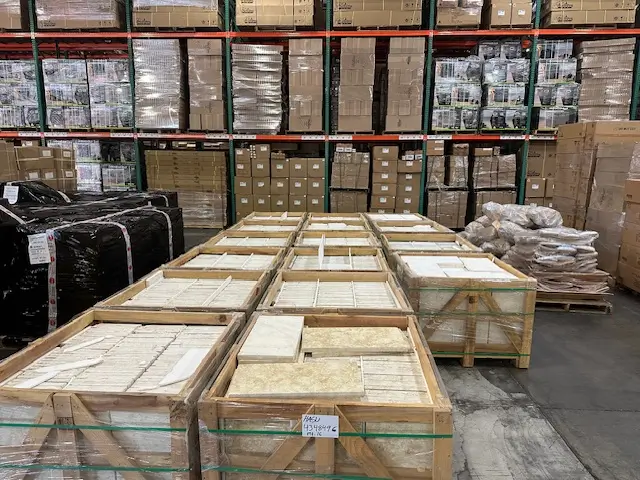
The material-to-labor cost ratio in Buckeye’s current market runs roughly 55:45 for mid-range residential patio projects — meaning your stone selection absorbs just over half the total budget. That ratio shifts when you factor in freight, and it’s the freight piece that catches most homeowners off guard. Limestone slabs sourced from suppliers with warehouse inventory in the Phoenix metro area typically land on-site at $6.50–$9.50 per square foot before installation, while the same material ordered through distributors without local stock can run $11–$14 per square foot once trucking costs are absorbed.
Value engineering your limestone patio paver furniture project means identifying where quality genuinely matters versus where you can scale back without compromising aesthetics or longevity. The paver field itself — the surface area where furniture sits and foot traffic occurs — demands full-thickness material in the 1.25-inch to 2-inch range. Borders and accent bands, by contrast, can use thinner cuts without structural consequence, which trims material cost on those linear elements by 20–30%.
- Verify warehouse stock before committing to a timeline — backordered material adds 4–6 weeks and disrupts furniture delivery coordination
- Request freight line-item breakdowns from suppliers — some roll freight into unit pricing, which makes comparison shopping misleading
- Account for breakage allowance of 8–10% on cut pieces near furniture placement zones
- Labor rates in Buckeye currently range from $4.50–$7.00 per square foot for paver installation, with premium rates for pattern layouts
Reading Limestone Surface Tones for Furniture Pairing
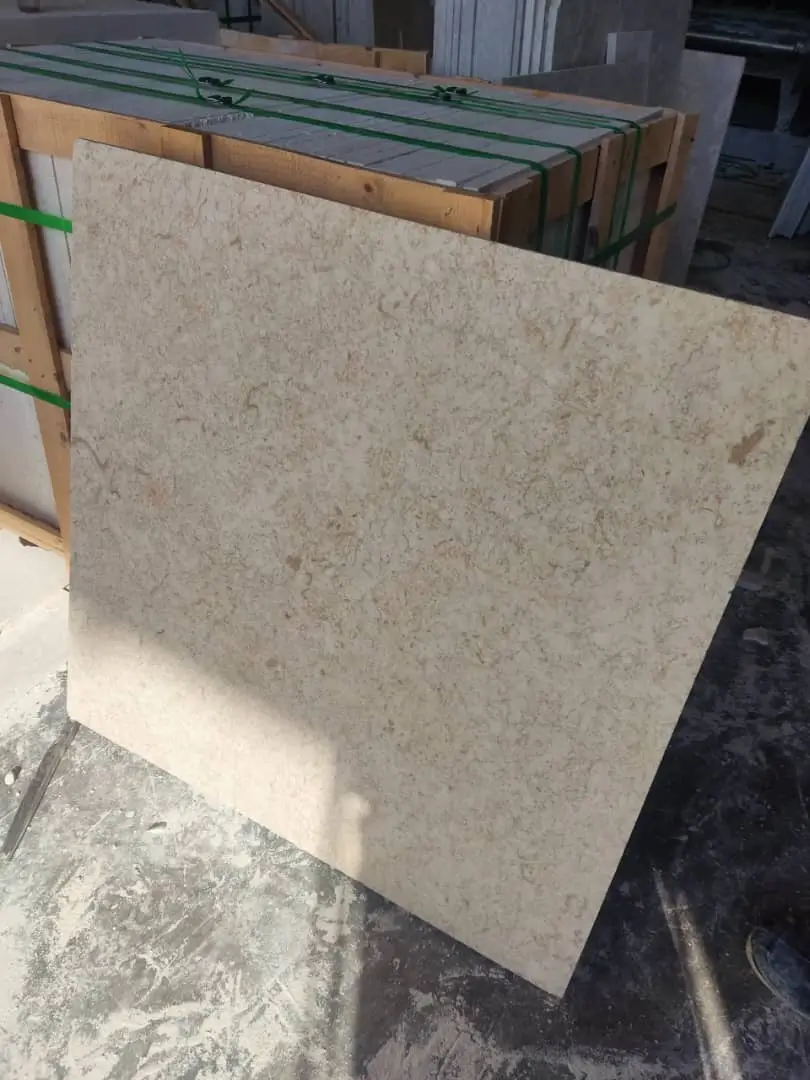
Limestone patio paver furniture pairing in Buckeye works best when you treat the stone’s natural color range as a palette anchor rather than a neutral backdrop. Arizona limestone typically presents in three dominant tone families — warm cream-to-buff, cool grey-to-silver, and mid-range beige with visible fossil detail. Each tone family responds differently to direct sun, which at Buckeye’s latitude runs intense from late spring through early fall, and that sun response affects how your furniture finishes read against the stone throughout the day.
Warm cream and buff limestone surfaces tend to pull yellow undertones out of teak furniture and push wrought iron toward a bronze appearance in afternoon light. If you’re working with powder-coated aluminum frames in white or off-white — a popular choice for Arizona outdoor furniture because of its heat and corrosion resistance — the contrast against buff limestone creates a clean, high-visibility look that photographs well but can feel stark in smaller patio footprints. Scaling the furniture finish toward sand, champagne, or warm grey closes that contrast gap without losing definition. This kind of limestone paver decor matching Arizona homeowners rely on starts with understanding how your stone’s undertone behaves across different light conditions.
- Cool grey limestone pairs well with charcoal, slate blue, and matte black furniture finishes
- Buff and cream tones complement natural teak, rattan, and warm bronze powder coats
- Fossil-detail limestone reads as a design element on its own — keep furniture lines cleaner to avoid visual competition
- Limestone with red or iron oxide veining coordinates naturally with terracotta, rust, and burnt sienna accent pieces
How Regional Sourcing Decisions Shape Your Total Project Cost
Sourcing limestone for a Buckeye patio through a supplier with Arizona warehouse inventory versus ordering direct from an out-of-state quarry involves trade-offs that go beyond unit pricing. Truck delivery from a local warehouse typically means a 3–5 day lead time, palletized delivery to your driveway, and the ability to inspect a physical sample before committing to a full order. Out-of-state quarry orders often offer better per-square-foot pricing on larger quantities but require 4–6 week lead times, freight carrier coordination, and the risk of color variation between sample and production lot.
For Buckeye homeowners coordinating limestone paver installation with custom outdoor furniture delivery — especially for projects with specific completion dates tied to entertaining seasons — local warehouse availability is often worth paying a modest premium. Delivery windows matter when your furniture installer, stone contractor, and outdoor kitchen fabricator are all scheduling around the same project completion date. At Citadel Stone, we maintain Arizona warehouse stock specifically so our customers can coordinate these timelines without the delays that come from cross-country freight scheduling.
You can review our limestone outdoor patio inventory to assess current stock availability and standard lead times before locking in your project schedule.
Furniture Material Compatibility in Arizona’s Heat Environment
The limestone surface you install will reach 140–160°F on peak summer afternoons in Buckeye — a detail that matters enormously for furniture selection because certain leg materials and feet configurations transfer that heat directly into contact points that degrade over time. Cast aluminum and stainless steel furniture legs develop expansion gaps with rubber feet at these temperatures, and those gaps become debris traps that accelerate staining on light-colored limestone. Furniture specified with wider foot plates and heat-stable silicone contact points performs significantly better than pieces fitted with standard rubber glides.
Projects in Peoria and the broader West Valley typically trend toward powder-coated aluminum furniture precisely because it handles thermal expansion better than wrought iron at these temperatures while remaining lighter for repositioning on paver surfaces. The weight distribution concern is real — heavy cast iron furniture on limestone patio pavers in Arizona can create point-load indentations in the setting bed over time if the base preparation doesn’t account for concentrated loads at furniture legs. Achieving true Arizona aesthetic harmony between your limestone surface and furniture selection means factoring in these thermal performance differences from the start.
- Aluminum furniture: excellent thermal stability, lightweight, wide powder coat color range for limestone paver decor matching Arizona styles
- Teak: performs well in heat, develops silver patina over time that reads attractively against buff and grey limestone
- Wrought iron: heavier load considerations, requires wider foot plates on paver surfaces, develops surface heat faster than aluminum
- Synthetic wicker over aluminum frames: popular for Arizona aesthetic harmony, good thermal performance, color stability varies by UV rating
Pattern Selection and Furniture Zone Planning
Your limestone paver layout pattern communicates spatial intention even before furniture is placed — and the pattern you choose directly affects how furniture arrangements read aesthetically and how they function practically. Running bond and herringbone patterns create directional movement that guides eye flow across the patio, which works well for long rectangular spaces with defined furniture groupings at each end. Grid patterns and large-format single-slab layouts read as more static and formal, which suits dining areas with fixed furniture placement better than flexible lounge configurations.
Buckeye outdoor styling tends toward generous patio footprints — new construction in the West Valley regularly delivers 400–600 square foot patio areas — which gives you room to define functional zones with pattern transitions rather than physical barriers. A herringbone conversation zone transitioning to a running bond dining area communicates the space division clearly without requiring a step change or elevation difference. The pattern transition line also gives you a natural furniture boundary that discourages seating drift, which matters when you’ve carefully coordinated your limestone paver decor matching for each zone.
- Herringbone at 45 degrees to the house creates diagonal movement that makes rectangular patios feel larger
- Large-format pavers (24×24 or 18×24) read as contemporary and suit modern furniture lines well
- Smaller modular patterns (12×12 or mixed cobble) read as traditional and pair naturally with wrought iron or teak
- Ashlar patterns offer the most design flexibility and hide furniture repositioning marks better than running bond
Color Sealing and Long-Term Aesthetic Maintenance
The sealing decision for Buckeye limestone patio pavers affects long-term furniture coordination more than most homeowners realize at the time of installation. A color-enhancing penetrating sealer deepens the stone’s natural tone by 15–25%, which shifts your furniture palette reference point. Furniture finishes selected against unsealed limestone samples may read differently against the sealed surface — typically in a way that requires warmer or deeper furniture tones to maintain aesthetic harmony in the finished space.
For reference, Flagstaff projects specify sealer differently than Buckeye — the elevation difference introduces freeze-thaw cycles that demand a breathable penetrating sealer over any film-forming product, while Buckeye’s low-desert environment can support either type depending on your maintenance preference. In Buckeye’s dry heat, a high-solids topical sealer adds a slight sheen that photographs well against light-colored furniture but requires reapplication every 2–3 years as UV degrades the film. A matte penetrating sealer requires less maintenance but doesn’t enhance color as dramatically.
- Apply sealer before furniture is delivered to allow full cure time — typically 48–72 hours
- Retest furniture finish coordination after sealing by placing sample swatches on the sealed surface in direct sun
- Solvent-based color-enhancing sealers produce the deepest tone shift — water-based versions are gentler on color
- Furniture leg contact points benefit from a secondary sealer application where ongoing abrasion occurs
Accessories, Textiles, and Layering on Limestone Surfaces
Outdoor rugs on limestone patio pavers deserve a specific discussion because they’re one of the most common sources of post-installation regret in Arizona projects. Polypropylene rugs — the most widely available outdoor option — trap moisture underneath in monsoon season, and that trapped moisture against limestone accelerates efflorescence and can break down penetrating sealers in the contact zone. Rugs with an open-weave backing allow airflow and drainage, and lifting them to dry after heavy rain rather than leaving them flat for days protects both the textile and the stone surface beneath.
Textile color selection for cushions and rugs offers the most flexible component of your limestone patio paver furniture coordination strategy — it’s the easiest element to change as design preferences shift. Working from the limestone tone outward, neutral stone surfaces support a wider range of textile color than heavily patterned or colored limestone. Warm-toned limestone calls for a textile palette anchored in terracotta, sage, or warm white, while cool grey limestone surfaces carry navy, indigo, and cool green textiles cleanly without fighting the stone’s undertone. This layer of coordination is where Buckeye outdoor styling decisions have the most room for personal expression without requiring structural changes.
Budgeting the Furniture Coordination Timeline
The sequencing of furniture procurement relative to limestone installation affects both your budget and the final aesthetic outcome in ways that get overlooked during initial project planning. Custom outdoor furniture — particularly pieces with custom fabric selections or powder coat colors chosen to coordinate with your specific limestone tone — carries lead times of 8–14 weeks from most quality manufacturers. If your limestone installation is scheduled for completion in four weeks, your furniture order should be placed today, not after the pavers are down.
In Sedona, furniture coordination for natural stone patios tends toward earthy, organic palettes that lean into the red rock landscape — a regional aesthetic that translates interestingly to Buckeye projects where homeowners want that same grounded, connected-to-landscape feeling in a flat desert environment. The limestone surface does most of that work naturally; your furniture selection just needs to avoid fighting the stone’s inherent warmth. At Citadel Stone, our technical team regularly advises on material and finish coordination during the pre-order phase, which saves the cost of refinishing or returning furniture that doesn’t read as expected against the installed stone.
- Limestone installation completion date minus 12 weeks equals your latest furniture order date for custom pieces
- Budget 15–20% of furniture cost for accessories — rugs, cushions, planters — that fine-tune the coordination
- Truck delivery scheduling for both stone and furniture should be confirmed before either order is placed
- Factor a 10% contingency into your total budget for material upgrades identified during installation
Completing Your Limestone Patio Paver Furniture Project in Buckeye
Getting limestone patio paver furniture pairing right in Buckeye is ultimately a sequencing and budgeting discipline as much as it is a design exercise. The sourcing decisions you make early — which supplier holds local warehouse stock, how you structure the material-to-labor cost ratio, whether you value-engineer border elements to free up budget for premium field stone — cascade through every subsequent decision including furniture selection, textile coordination, and long-term maintenance planning. The regional market factors specific to Buckeye and the broader West Valley mean that a project budget built on Phoenix metro pricing assumptions will be more accurate than one built on national averages, and local material availability genuinely changes what’s achievable within a given budget.
For projects that involve new construction coordination, the installation process itself introduces additional variables worth understanding before finalizing your furniture coordination plan. Limestone Patio Paver Installation Process for Avondale New Construction covers how base preparation and installation sequencing on new builds differs from renovation work — context that informs both your timeline expectations and your furniture procurement schedule. Citadel Stone’s limestone patio stones in Arizona represent decades of perfecting natural stone selection and distribution.