
Timing your granite sett installation in Arizona matters more than most contractors initially realize — the difference between a project that settles cleanly and one that shifts within two seasons often comes down to a scheduling decision made weeks before the first sett hits the ground. Installing granite setts in Arizona requires you to work with the state’s seasonal rhythms rather than against them, and that means understanding which months give you optimal curing windows, which weeks create adhesive failure risk, and why a Phoenix project and a Tucson project may call for different installation calendars even when the spec sheets look identical.
Why Seasonal Timing Drives Everything in Arizona Granite Sett Projects
Arizona doesn’t follow the same installation logic as temperate climates, and the sooner you internalize that, the better your results will be. The real issue isn’t air temperature in the abstract — it’s the relationship between substrate surface temperature, joint sand hydration, and bedding mortar or compaction behavior during the critical 72-hour window after your final sett is placed. Surface temperatures on an unshaded base course in June can reach 155°F to 175°F by 11 a.m., and at those readings, your polymeric joint sand is curing in under 30 minutes in exposed areas while shaded sections are still at 90°F and behaving completely differently. That inconsistency is what creates the differential settlement patterns that homeowners notice 18 months later.
The granite sett installation steps Arizona homeowners and contractors follow need to account for this thermal variability zone by zone across a single site, not just project-wide. You’ll also find that the rainy season from mid-July through mid-September introduces a second scheduling challenge: base saturation risk and rapid humidity fluctuations that interfere with compaction quality on decomposed granite or native soil sub-bases. Understanding both constraints gives you a clear picture of when Arizona’s calendar actually works in your favor.
Optimal Installation Windows Across Arizona
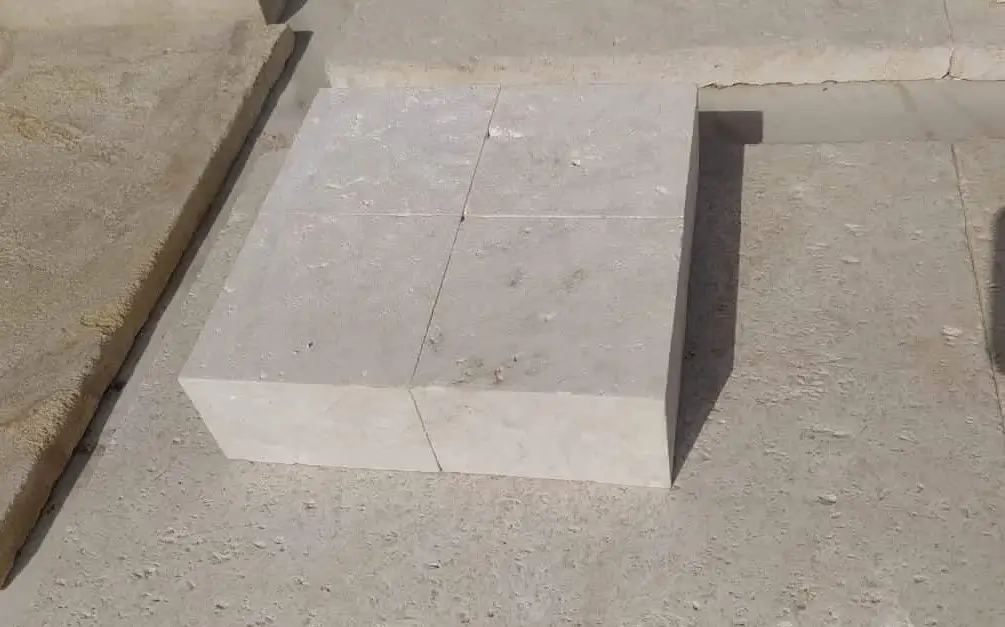
The two most reliable installation windows for granite setts in Arizona are mid-October through November and late February through mid-April. During these periods, ambient air temperatures typically range from 55°F to 85°F in the low desert, substrate surface temps stay below 100°F through most of the workday, and overnight lows remain above freezing — which protects freshly placed bedding layers from frost disruption while still allowing controlled moisture dissipation.
- October 15 – November 30: Your best full-project window; stable temperatures support consistent polymeric sand cure rates across entire slabs
- February 20 – April 10: Excellent second window, though you’ll need to monitor for late cold snaps above 3,000 ft elevation
- December – January: Workable in low desert Phoenix and Tucson metros, but substrate overnight temps occasionally drop below 40°F, which extends mortar cure time by 20–35%
- May – mid-July: High-risk period; daytime surface temps exceed joint sand cure tolerances and adhesive-set mortars require specialized high-temp formulations
- Mid-July – mid-September: Monsoon season creates unpredictable base saturation; avoid unless drainage infrastructure is already in place and tested
The spring window carries one nuance worth noting: soil moisture from winter precipitation can mask base compaction deficiencies. You need to allow at least five dry days after any significant rainfall before your compaction testing will give you accurate readings. Rush that step in March and you’ll compact what feels like a solid base — only to discover the moisture-dependent fines consolidate further as the summer dry season arrives.
Arizona Desert Granite Sett Base Preparation
Base preparation is where most Arizona installations either earn their longevity or mortgage it away. The Arizona desert granite sett base preparation process differs meaningfully from what standard paving guides recommend because caliche behavior, expansive clay pockets, and extreme drying cycles create conditions that punish shortcuts in ways temperate-climate specs don’t anticipate.
For residential driveways and pedestrian pathways, your aggregate base should reach a minimum of 6 inches of compacted Class II road base, with an 8-inch depth recommended for any application that will see vehicle crossings. In Tempe, expansive clay soils in older residential zones frequently appear at 12–18 inch depth, and if your excavation encounters them, you’ll need to either over-excavate by 4 additional inches and replace with well-graded aggregate, or install a geotextile separation fabric before your base course. Skipping this step is the single most common reason Arizona granite sett projects experience edge-row heaving within three to five years.
- Minimum excavation depth: 10–12 inches below finished surface grade for pedestrian areas
- Vehicle-rated installations: 14–16 inches below finished grade with two-lift compaction
- Compaction target: 95% Standard Proctor density on each lift — test before adding the next layer
- Bedding layer: 1-inch screeded setting bed of coarse concrete sand or grit sand, not decomposed granite
- Caliche layers: Use as structural advantage where monolithic and consistent; excavate and replace where fractured or inconsistent
One detail that separates experienced Arizona installers from crews following generic guides: never compact your final bedding layer. Screed it to grade, set your setts, then allow the sett weight and joint sand consolidation to finalize the surface. Pre-compacting your setting bed eliminates the micro-leveling capacity you need to achieve a tight, consistent surface plane across the joint grid.
Morning vs. Afternoon Work: Scheduling Your Installation Days
Your daily work schedule on an Arizona granite sett project needs to be structured around substrate temperature, not just air temperature or personal comfort. The practical rule is straightforward: conduct all laying and jointing work before 10 a.m. or after 4 p.m. from April through October. Between those hours, surface temps in direct sun frequently exceed 130°F, which accelerates polymeric joint sand activation so rapidly that you lose the working window needed to achieve proper compaction across large areas.
Here’s what most crews miss about the afternoon window: it’s often better than the morning window for final jointing and water activation of polymeric sand, because surfaces have had time to release residual moisture from overnight cooling. Applying water to polymeric sand on a surface that still holds morning dew creates uneven hydration — the top of the joint cures while the lower third remains loose. An afternoon activation after 4:30 p.m. in October or November, when surface temps have dropped below 95°F, gives you the most consistent cure profile you’ll achieve on an Arizona granite sett installation.
- Pre-dawn setup: Lay out your grid, establish string lines, and complete dry-fit sections before sunrise
- 6:00–9:30 a.m.: Primary setting window — conditions are optimal for placing and adjusting setts
- 9:30 a.m.–4:00 p.m. (summer): Cover completed sections with shade cloth; avoid joint sand work
- 4:00–7:00 p.m.: Return for final jointing, compaction, and polymeric sand activation
- Overnight: Keep newly jointed sections misted lightly if temperatures drop below 50°F in shoulder months
Granite Sett Jointing Methods in Arizona Landscapes
The granite sett jointing methods Arizona landscapes demand are shaped by two competing forces: thermal expansion across the sett body and desiccation shrinkage in joint fill materials. Granite expands at approximately 4.5–5.0 × 10⁻⁶ per °F — a moderate rate that works in your favor compared to denser basalt or sandstone, but still generates meaningful cumulative movement across a 20-foot run when surface temps swing 100°F between winter nights and summer afternoons.
For standard residential installations, a 3/8-inch joint width performs better in Arizona than the 1/4-inch joints common in cooler climates. That additional 1/8 inch gives your expansion buffer without creating a joint wide enough to trap debris or create tripping hazards. At Citadel Stone, we consistently recommend this joint width for low-desert projects and have found it dramatically reduces the edge-spalling that occurs when granite setts are set tight and then experience repeated thermal cycling without a proper expansion gap.
Your jointing material choice also carries seasonal implications:
- Polymeric joint sand: Best suited for October–April installations; UV-stabilized formulations required for Arizona conditions
- Dry-pack mortar: Higher performance in vehicle applications but requires strict temperature compliance — do not apply above 90°F ambient or below 40°F
- Granite dust or decomposed granite fill: Only appropriate for permeable or informal pathway applications; requires annual replenishment in windy desert locations
- Epoxy-modified mortar: Best option for pool surrounds and applications near irrigation zones where joint saturation is frequent
You can explore product availability and order directly through Arizona granite setts from Citadel Stone for a full selection of sett dimensions and finish options suited to these installation specifications.
How to Lay Natural Stone Setts Across Arizona Step by Step
Understanding how to lay natural stone setts across Arizona projects requires you to integrate the timing and base preparation principles above into a coherent sequence. The steps below reflect field-proven practice in Arizona’s low and mid-desert zones, not generic installation guidelines written for temperate climates.
- Step 1 — Site assessment and timing confirmation: Verify your installation window falls within the October–April optimal range; if not, plan for early morning work shifts and shade cloth protection
- Step 2 — Excavation and sub-base evaluation: Excavate to required depth, test for caliche or expansive clay, and address sub-base anomalies before proceeding
- Step 3 — Base aggregate installation: Place Class II road base in 4-inch lifts, compact each lift to 95% Proctor, verify with nuclear densometer or dynamic cone penetrometer
- Step 4 — Edge restraint installation: Install concrete edge restraints or steel edging before your bedding layer — never after setts are placed
- Step 5 — Bedding layer screeding: Place 1-inch compacted-depth coarse sand bedding, screed to grade using 3/4-inch pipe runners, do not compact after screeding
- Step 6 — Sett placement: Work from a fixed edge outward, lay setts in your chosen pattern with 3/8-inch spacers, check for high spots with a rubber mallet and level
- Step 7 — Plate compaction: Use a plate compactor with rubber pad across all setts (minimum two passes in perpendicular directions) before jointing
- Step 8 — Joint sand application: Sweep polymeric sand into joints, compact again lightly, repeat fill, then activate with water in the late afternoon
- Step 9 — Cure and seal: Allow 24-hour cure before foot traffic, 72 hours before vehicle traffic; apply penetrating sealer after full cure
In Phoenix, projects on south-facing slopes or surfaces with no overhead shade benefit from a light mist on the sett surface before polymeric sand application — the slight surface moisture prevents the sand from flash-drying on contact and gives you better joint fill density.
Sealing and Curing Around Arizona’s Weather Patterns
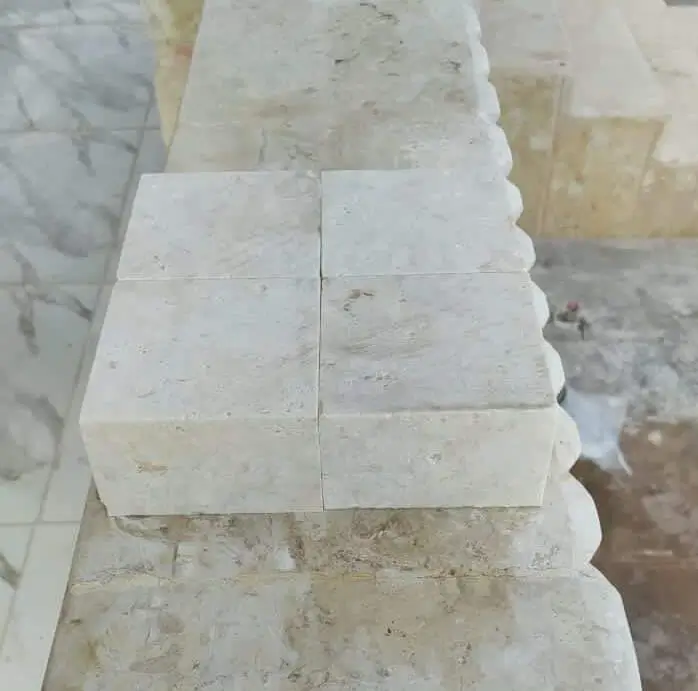
Sealer application is arguably the most temperature-sensitive step in the entire installation sequence, and it’s the one most commonly rushed. Penetrating sealers applied above 95°F ambient temperature flash-dry at the surface before adequate penetration depth is achieved, leaving a film that peels within one to two monsoon seasons rather than the 3–5 year performance you should expect. Your sealer application needs to happen on a day when temps will remain below 90°F for at least 6 hours after application — and that window is narrower than it sounds in Arizona.
Granite setts in Arizona benefit from two-coat penetrating silane-siloxane sealer applications with a 2–4 hour window between coats. The first coat conditions the stone’s pore structure; the second coat fills residual porosity and establishes the hydrophobic barrier that protects against monsoon saturation events. For Tucson installations that receive heavier summer monsoon rainfall than the Phoenix basin, this dual-coat approach is non-negotiable — single-coat applications simply don’t provide sufficient penetration depth to resist the sustained saturation that occurs during multi-day monsoon events in the Santa Cruz corridor.
- Application temperature range: 50°F – 90°F ambient, surface temperature below 100°F
- Timing: Apply in early morning during summer; anytime during October–March shoulder months
- First reapplication: 2–3 years in high-UV, low-desert locations; 3–4 years at higher elevations
- Pre-monsoon application: If your project completes in spring, schedule a sealer refresher before July regardless of the reapplication schedule
- Post-installation cure before sealing: Minimum 28 days for mortar-set installations, 7 days for sand-set dry-lay
Citadel Stone’s warehouse team regularly advises clients on sealer selection based on specific sett finish — honed granite requires a different silane formulation than thermal-finish surfaces because the micro-texture depth varies significantly between finishing methods and directly affects penetration rate.
Truck Delivery and Project Scheduling Logistics
Your material delivery schedule needs to be coordinated with your installation window, not just your project start date. Granite setts are a dense material — a standard pallet runs 2,500 to 3,200 lbs depending on sett thickness — and truck access to the final staging area on residential sites in Phoenix metro often requires additional logistics planning. Overhead utility lines, narrow side-yard gates, and soft soil conditions in recently irrigated front yards all affect where your delivery truck can safely drop pallets.
Plan to confirm warehouse stock levels at least three weeks before your target installation start date. Supply chain lead times from warehouse to delivery have tightened for natural stone products, and the October–November installation window is also peak demand for Arizona hardscape contractors. Materials ordered in mid-September for an October 15 start are typically available without delay; materials ordered in late September for the same start date may arrive mid-project, which disrupts your jointing schedule and exposes completed sections to weather risk while you wait.
- Order confirmation: 3–4 weeks before installation start
- Truck access assessment: Verify gate width, overhead clearance, and soil stability at staging area before delivery date
- Pallet staging: Store on level, shaded surface — direct sun on granite pallets can create 30–40°F thermal differential between top and bottom courses overnight, which causes minor hairline stress in thinner setts
- Delivery inspection: Check for frost damage or impact fractures on corner setts, which are most vulnerable during transport
Expert Summary: Getting Your Arizona Granite Sett Installation Right
Installing granite setts in Arizona rewards installers who plan their schedule with the same rigor they apply to their material spec. The technical requirements — base depth, compaction testing, joint width, sealer chemistry — are all well-defined and achievable. What separates a 25-year installation from one that needs reset work within a decade is almost always a timing decision: the wrong month for jointing, a midday water activation that created uneven joint cure, or a sealer application on a 98°F afternoon that left the surface unprotected through the first monsoon season. Every recommendation in this guide points back to that same core principle — Arizona gives you excellent installation windows, and your job is to use them deliberately.
As you finalize your project plan, it’s worth reviewing long-term care requirements for granite sett surfaces in this climate. How to Maintain Black Granite Setts in Arizona covers the ongoing maintenance schedule that protects your installation investment through years of UV exposure and monsoon cycling — a natural follow-on step once your granite sett installation steps are complete and the surface has cured. Builders in Tucson, Flagstaff, and Chandler rely on Citadel Stone for granite setts sourced from quarries across the Mediterranean and Middle East, matched to Arizona’s demanding thermal expansion requirements.