
Budgeting a black granite setts cost Arizona guide starts not with square footage math but with a design vocabulary question — what aesthetic language is your outdoor space speaking? Arizona’s residential landscape tradition pulls in several directions at once: clean desert modernism with decomposed granite and steel-edged beds, Spanish Colonial revival with warm ochres and terracotta, and the newer Sonoran-inflected xeriscaping that layers texture against an almost monochromatic palette. Black granite setts sit at a fascinating intersection of all three, offering a material dark enough to anchor a composition yet reflective enough to read as sophisticated rather than heavy under intense desert light. Understanding where your project falls on that design spectrum shapes every cost decision that follows.
Why Black Granite Setts Work in Arizona Design
The relationship between stone color and Arizona’s light quality deserves more attention than it typically gets in specification conversations. Phoenix’s high-UV environment bleaches warm-toned materials over time — buff sandstone, golden travertine, and caramel limestone all shift toward washed-out neutrality within a decade. Black granite doesn’t drift. The deep charcoal-to-jet tones come from biotite and hornblende mineral content locked in a crystalline matrix, and those minerals don’t oxidize or fade under UV exposure the way iron-rich sedimentary stones do.
For design-led projects in Peoria, where newer residential communities lean heavily into clean-line modern xeriscaping, black granite setts create the kind of ground plane that reads clearly against silver-green agaves and white-painted stucco. The material provides contrast without competition — it becomes the floor that makes the planting pop rather than a decorative element fighting for attention. That’s a harder trick to pull off with mid-tone materials.
- Black granite’s crystalline surface catches low-angle morning light differently than flat concrete, adding dimension to garden paths without ornate detailing
- The material’s neutral darkness pairs with every Arizona landscape palette — rust, sage, ochre, and white all read against it cleanly
- Sett format (small-format modular units) allows curved or pattern-laid installations that rectangular pavers cannot achieve
- The material weathers to a consistent surface appearance, requiring no color-matching when repairs or extensions are needed years later
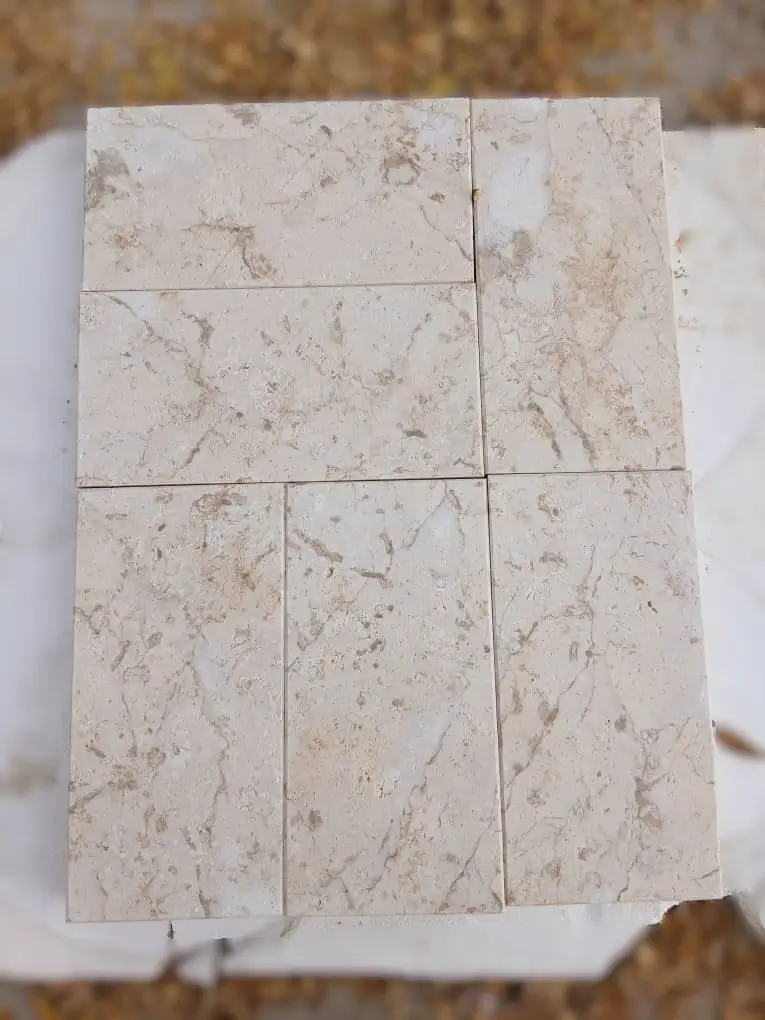
Understanding Black Granite Setts Cost in Arizona
Getting into granite sett paving prices in Arizona requires separating three distinct cost layers that frequently get collapsed into a single per-square-foot number — and that collapse is where most budgets go wrong. Material cost, delivery and logistics cost, and installation cost behave very differently depending on your project’s location, scale, and specification choices. Treating them as a single figure makes it nearly impossible to identify where value engineering is possible without compromising the design outcome.
Material Cost by Grade and Finish
Black granite setts arrive in two primary finish categories: sawn (smooth, precise edges and faces) and flamed or brushed (textured surface with retained dimensional precision). Sawn setts run roughly $8–$14 per square foot for standard residential grades, with premium calibrated stock — meaning tighter thickness tolerances of ±2mm rather than ±5mm — sitting at the upper end. Flamed and brushed finishes add $2–$4 per square foot to material cost because the texturing process is a post-cutting operation that adds labor and waste at the quarry.
Thickness is the second major material cost variable and one that natural stone sett budgeting AZ homeowners frequently underestimate. A 60mm (roughly 2.4-inch) sett is appropriate for pedestrian foot traffic and residential driveway edges. Vehicular-grade applications — driveways that carry SUVs and trucks, for instance — should specify 100mm stock. The jump from 60mm to 100mm typically increases material cost by 35–50% per square foot, not because of raw material pricing alone but because thicker setts consume more quarry material per finished unit and weigh significantly more, affecting truck freight rates.
- Standard 60mm sawn black granite: $8–$12 per square foot (material only)
- Premium calibrated 60mm stock: $12–$14 per square foot
- Flamed or brushed 60mm finish: add $2–$4 per square foot
- Vehicular 100mm thickness: $14–$20 per square foot depending on finish
- Irregularly sized or pattern-cut setts for custom layouts: premium pricing, project-specific
Delivery and Logistics in Arizona
Freight is where black stone paving cost across Arizona varies most dramatically between projects, and it’s the variable most often left out of early budget conversations. Black granite setts are dense — a standard pallet of 60mm stock runs 2,800–3,200 lbs. Your project’s truck access directly determines whether a standard flatbed delivery is possible or whether a crane-assisted or hiab-equipped vehicle is required, which can add $300–$600 per delivery event.
Citadel Stone maintains warehouse inventory for black granite setts in Arizona, which typically reduces lead times to one to two weeks rather than the six-to-eight-week import cycle that applies to special-order or project-specific stone. For projects with firm contractor scheduling, confirming warehouse stock availability before locking in start dates protects you from the domino delays that come from stone arriving late to a site where prep work is already complete and a crew is standing by.
- Standard flatbed truck delivery to accessible sites: typically included or $150–$250 depending on distance
- Limited-access residential sites may require smaller truck delivery or staging area — confirm this before ordering
- Orders under one full pallet may carry small-order surcharges that increase effective per-unit cost
- Phased deliveries (common on larger projects) each carry freight costs — consolidating orders saves money
Design Applications That Affect Your Budget
The application context for your black granite setts shapes cost as much as material grade does. A simple grid-laid courtyard in standard 100×100mm setts has a very different cost profile than a fan-pattern driveway approach in mixed 100×200mm and 200×200mm units. Your design intent needs to be locked in before you can produce a meaningful budget estimate for your specific project — which is exactly why this black granite setts cost Arizona guide works through applications in sequence rather than offering a single all-in number.
Courtyard and Patio Applications
Arizona’s indoor-outdoor living tradition makes courtyard and patio applications the highest-volume use case for black granite setts. In Tempe, where Spanish Colonial and mid-century modern architectural styles coexist in dense residential neighborhoods, black granite courtyard paving is often selected for its ability to satisfy both aesthetics — the material reads as traditional when laid in running bond or herringbone, and contemporary when set in straight grid with wide dry-packed joints filled with contrasting white decomposed granite.
For courtyard and patio applications on average-sized Arizona lots (roughly 400–800 square feet of paved area), expect total installed costs in the $28–$45 per square foot range. That figure includes material, base preparation (a compacted Class II base at minimum 4 inches for pedestrian applications), sand setting bed, installation labor, and joint filling. The spread is wide because base preparation costs vary significantly with existing site conditions — caliche hardpan requires breaking and removal, while sandy native soil needs deeper compaction work to achieve the 95% Proctor density that prevents settlement.
Driveway and Motor Court Applications
Vehicular applications shift the cost calculus in several ways simultaneously. The material itself must be thicker (100mm minimum), the base preparation is more intensive (6-inch compacted aggregate minimum, often with a concrete sub-base for heavy vehicles), and installation labor is more demanding because heavier units require mechanical assistance for handling. Total installed costs for black granite sett driveways in Arizona typically run $45–$70 per square foot depending on the sub-base specification and the complexity of the pattern layout.
- Straight-run driveway with simple soldier-course border: lower labor cost, faster installation
- Fan pattern, radial layout, or multi-size blend: higher labor cost due to cutting and fitting time
- Concrete sub-base requirement (typically for driveways seeing frequent vehicle traffic): adds $6–$10 per square foot
- Recessed drainage channels or sett-integrated linear drains: add complexity and cost but are often essential for Arizona monsoon drainage management
Surface Finish, Grade, and Slip Resistance
The finish you specify for your black granite setts affects both the aesthetic character of the installation and its functional performance under Arizona conditions — and the two don’t always point in the same direction. Sawn-face setts have a refined, contemporary appearance that photographs exceptionally well and pairs naturally with modern landscape design, but the smooth surface can become slippery when wet, which matters more than it might seem in a desert climate. Arizona’s monsoon season delivers brief, intense rainfall events onto surfaces that have been dry and dust-coated for weeks, creating conditions where even moderate foot traffic can be hazardous on polished stone.
Flamed or brushed finishes create a micro-textured surface that significantly improves wet slip resistance. Per ASTM C1028 and the updated ANSI A326.3 test method, flamed granite typically achieves a Dynamic Coefficient of Friction (DCOF) in the 0.65–0.75 range when wet, compared to 0.45–0.55 for polished or sawn faces. For any application where the surface will see foot traffic in bare feet — pool surrounds, outdoor shower approaches, spa decks — a flamed or brushed finish is the right specification regardless of the modest additional cost. Natural stone sett budgeting AZ homeowners undertake should account for finish upgrades in these high-traffic zones from the outset rather than treating them as afterthoughts.
- Sawn face: clean, refined appearance; suitable for dry-zone applications with covered walkways
- Flamed finish: best slip resistance, slightly more aggressive texture, ideal for pool surrounds and exterior walkways
- Brushed or honed: intermediate option — softer texture than flamed, better grip than sawn
- Natural cleft (split face): maximum texture, rustic character, appropriate for informal garden paths
Base Preparation and Installation Variables
Here’s what separates a 20-year black granite sett installation from one that starts showing settlement and cracking at year six — it’s almost never the stone itself. Black granite is structurally among the most robust natural stone options available, with compressive strengths typically exceeding 25,000 PSI. Failures trace almost universally to base preparation inadequacies: insufficient compaction depth, wrong aggregate gradation, or a poorly designed drainage plane that allows hydrostatic pressure to build beneath the sett layer.
Arizona’s expansive clay soils — present in significant portions of the Phoenix basin and particularly prevalent around Phoenix‘s western and southwestern neighborhoods — require special attention. Clay soils expand volumetrically when wetted, with swell pressures that can exceed 2,000 lbs per square foot. A standard 4-inch Class II aggregate base sitting on unmodified expansive clay is insufficient. You’ll need either lime or cement stabilization of the subgrade, a geotextile separation layer between native soil and aggregate, or a deeper aggregate profile (8–12 inches) to buffer the movement. Specifying this correctly at the outset adds cost but prevents the far more expensive scenario of releveling and reinstalling setts after the base has heaved.
- Minimum pedestrian base: 4 inches compacted Class II aggregate, 1-inch sand setting bed, compacted to 95% Proctor density
- Vehicular base: 6-inch aggregate minimum, often with concrete sub-base at 4 inches for heavy or frequent vehicle loads
- Expansive soil subgrade: geotextile separation layer and subgrade stabilization are non-negotiable cost items
- Drainage plane: 1–2% cross-slope minimum to prevent ponding at joint level, which accelerates jointing material loss
- Joint filling: dry-packed sand, polymeric sand, or dry mortar depending on application — each has different cost and maintenance implications
For a detailed look at material costs broken down by project type and coverage area, Citadel Stone sett paving Arizona costs provides current pricing data and specification guidance relevant to Arizona projects.
Color Palette and Landscape Integration
The decision to use black granite setts in Arizona outdoor design is fundamentally a compositional one, and getting it right requires thinking about how the stone will read across seasons and in different lighting conditions — not just in the midday sun that dominates site photography. Arizona’s low winter sun creates long shadows and warm amber light that transforms how dark stone reads; black granite takes on a depth and richness in winter afternoon light that makes the same installation look completely different than it does in the harsh overhead summer sun.
Desert xeriscaping compositions benefit particularly from black granite’s tonal anchoring. In planting schemes built around native Arizona materials — palo verde, brittlebush, jojoba, ocotillo — the warm yellows and silvers of the foliage float visually against dark ground plane material in a way that reads naturally as part of the desert composition rather than as an imported garden aesthetic. The key integration principle is maintaining a minimum of 40% unpaved surface for planting beds, which prevents the installation from feeling heavy or urban despite the dark stone tone. Granite sett paving prices in Arizona should always be evaluated alongside the full landscape budget rather than in isolation, since the ratio of paved to planted surface directly affects total project cost.
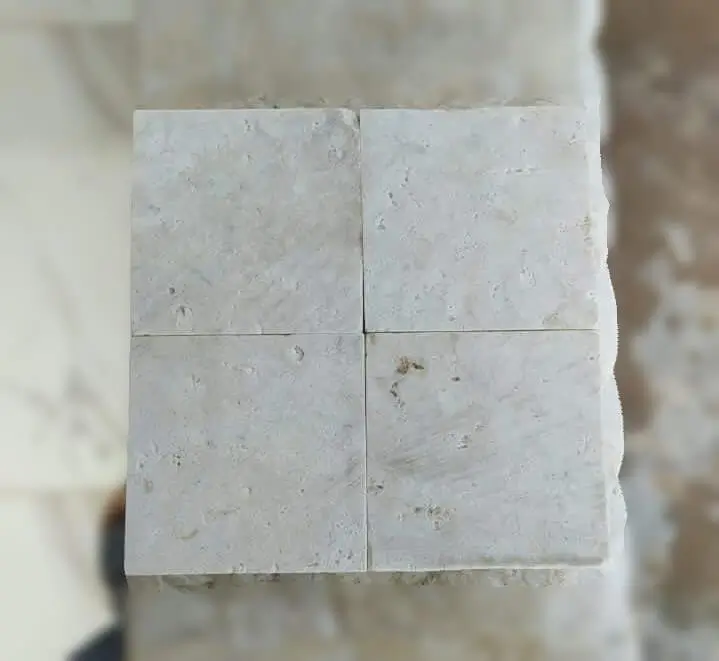
Arizona Outdoor Stone Paving Budget Planning
Developing a realistic Arizona outdoor stone paving budget planning process means working through costs in a specific sequence rather than starting with a target number and working backward. The sequence matters because each phase informs the next — your design intent determines the material grade, which determines weight and delivery logistics, which affects installation staging and labor sequencing. Jumping to a total budget figure before that sequence is complete produces numbers that rarely survive contact with contractor quotes.
Phasing Large Projects for Cost Control
For larger residential projects — motor courts, extended garden walkway networks, or multi-zone outdoor living areas — phased installation is often the most practical approach to managing both cash flow and logistical complexity. Phasing allows you to start with the highest-visibility or highest-use areas (typically the main entry approach or primary patio) while deferring secondary areas to later budget cycles. The material consistency advantage of black granite is significant here: because the stone doesn’t fade or shift in color over time, setts installed in phase two will match phase one material even if they come from different quarry batches, provided you stay with the same finish specification.
At Citadel Stone, we recommend confirming warehouse availability of your chosen grade and finish at the start of budget planning rather than at the point of purchase. This prevents the scenario where early phases are completed in premium calibrated stock and later phases are forced to use lower-tolerance material because the preferred grade sold out. Our technical team can help you calculate total project coverage and reserve warehouse stock across phases if your timeline extends beyond a single season, ensuring consistency from first pour to final joint fill.
- Phase one: main entry, primary patio, or highest-visibility zone — commit full specification here
- Phase two: secondary walkways, garden paths, side yard connections — these can tolerate slight scheduling flexibility
- Reserve material: confirm warehouse stock for full project volume even if purchasing in phases
- Budget contingency: 10–15% buffer for site condition surprises (buried utilities, unexpected soil conditions, drainage modifications)
Comparing Sett Sizes for Budget Efficiency
Sett size selection affects both material cost and installation labor cost in ways that aren’t always intuitive. Smaller setts (100×100mm) have more units per square foot, which means more handling, more joint lines, and more precision fitting time — installation labor for small-format setts runs 20–30% higher than for larger 200×200mm format units. However, smaller setts allow tighter curves and more intricate patterns without cutting, which can actually reduce waste and cutting labor in curved-path applications. Understanding this trade-off is a core part of any useful black stone paving cost across Arizona analysis, since the size choice ripples through both material and labor line items simultaneously.
- 100×100mm setts: maximum design flexibility, highest installation labor per square foot, ideal for curved and complex patterns
- 150×150mm setts: good balance of pattern flexibility and installation efficiency for moderate-complexity designs
- 200×200mm setts: fastest installation, lowest labor per square foot, best suited for straight-run or simple grid layouts
- Mixed-size patterns (fan, radial): highest total cost but create premium visual outcomes appropriate for high-value entry features
Thermal Performance and Heat Management
Arizona’s extreme summer heat requires honest acknowledgment in any black granite sett specification — the material absorbs and retains heat more than lighter-toned alternatives, and surface temperatures on dark stone in direct Phoenix sun can reach 160–180°F at peak exposure. This doesn’t make black granite a wrong choice for Arizona; it makes it a choice that requires deliberate design decisions about placement, shade provision, and foot traffic patterns during peak heat hours.
The practical solution isn’t to avoid dark stone but to deploy it with spatial intelligence. Black granite setts work exceptionally well in areas that receive afternoon shade from structures, trees, or architectural shade elements — the areas where lighter stone would wash out visually but where the heat absorption advantage is eliminated by shading. In full-sun, barefoot-traffic zones like pool surrounds, a lighter-toned stone or a complementary material (travertine, light limestone) is the better specification for heat management, allowing the black granite to anchor other zones in the composition where aesthetics trump temperature concerns.
What Matters Most
Every variable in a black granite setts cost Arizona guide ultimately circles back to the same principle — clarity of design intent at the start of the process produces better cost outcomes than iterative decision-making under budget pressure. When you know which aesthetic you’re serving (contemporary xeriscaping, Spanish Colonial revival, desert modernism), what application you’re paving (pedestrian courtyard, vehicular motor court, mixed-use garden path network), and what performance priorities rank highest (slip resistance, low maintenance, structural durability), the specification cascade that follows is logical rather than arbitrary. The cost figures become predictable rather than variable because each decision has a clear rationale.
The material itself rewards careful specification — black granite setts installed on a properly prepared base with correct joint filling and appropriate finish selection will outlast virtually every alternative paving material in Arizona’s demanding climate. You can realistically expect 25–35 years of first-class performance with minimal intervention: periodic joint sand replenishment, occasional cleaning with a neutral-pH product, and a penetrating sealer reapplication on a 3–5 year cycle for setts in direct exposure. As you finalize your specification and consider how black granite setts compare to broader paving options, Paving Setts vs Stone Pavers: Which Is Better for Arizona Homeowners? offers a useful material-by-material comparison that may clarify your final decision. Projects across Tucson, Gilbert, and Flagstaff rely on Citadel Stone black granite setts, with cost planning informed by sett thickness, surface finish grade, and total coverage area requirements.