
Code Compliance Shapes Every White Cobble Decision
Arizona’s building codes aren’t suggestions — they’re the structural foundation that determines whether your white cobble installation passes inspection or gets torn out at your expense. Before you think about aesthetics or even maintenance, your specification for white cobbles in Arizona has to satisfy the Arizona Department of Transportation standards, local municipality load-bearing minimums, and in many jurisdictions, IBC Chapter 19 requirements for hardscape materials in pedestrian and vehicular traffic zones. Getting the compliance layer right first is what separates a 25-year installation from a costly redo at year seven.
Municipal requirements across Arizona vary more than most specifiers expect. Yuma‘s proximity to the California border means projects there sometimes fall under dual-jurisdiction review, and the city’s infrastructure authority applies specific compaction density thresholds — typically 95% Modified Proctor — that influence how your base interacts with the cobble layer above. Your project documents need to reflect these local nuances from the drawing stage, not as a field correction during inspection.
Base depth requirements under Arizona code generally start at 4 inches of compacted aggregate for pedestrian applications and scale up to 8–10 inches for residential vehicular access. What the code doesn’t always specify — but what field performance demands — is the distinction between cohesive and non-cohesive subgrade soils across the state. In areas with expansive clay content, you’ll need to go deeper and potentially incorporate a geotextile separation layer to prevent subgrade migration into your aggregate base over time.
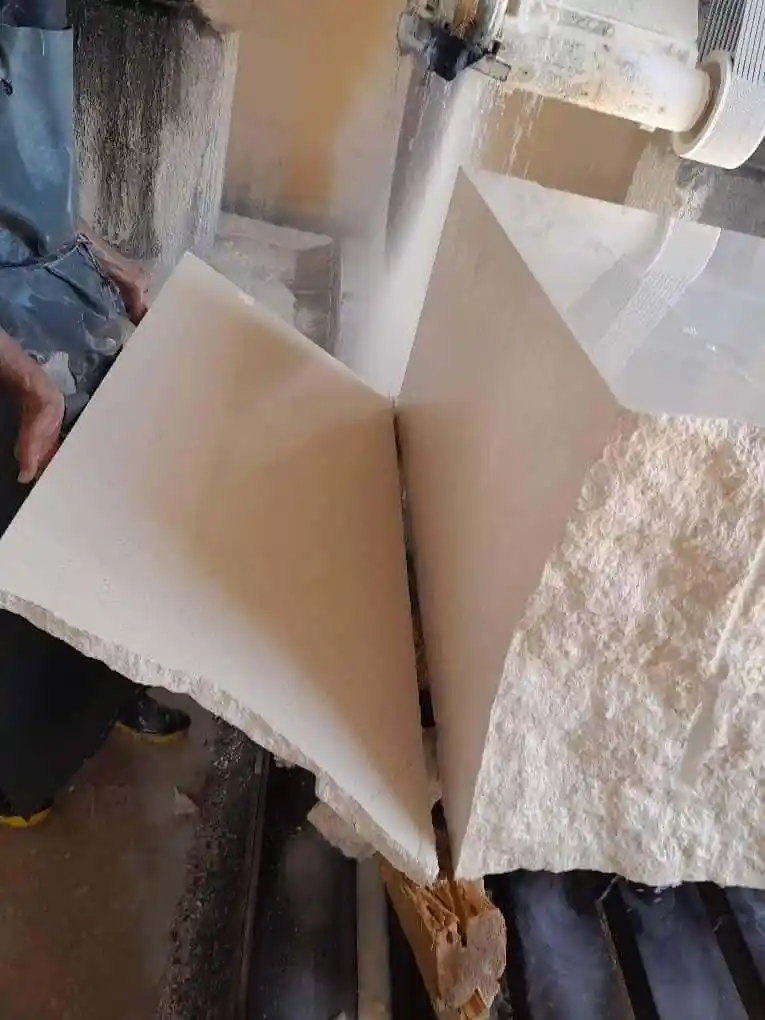
Thickness and Load-Bearing Requirements for Arizona Installations
The load-bearing conversation starts with cobble thickness, and it’s where a lot of Arizona projects go sideways. Residential pedestrian applications typically call for a minimum 2.5-inch cobble thickness — but if you’re specifying white cobbles in Arizona for a driveway apron or any surface that sees vehicle overhang, you’re looking at 3-inch minimum under most county-level guidelines. This isn’t just about the stone cracking; it’s about point-load distribution across the bedding layer and whether your base can transfer that load without differential settlement.
Edge restraint is the structural detail that gets skipped most often, and it’s the first thing that fails. Arizona code doesn’t always mandate a specific edge restraint system for residential hardscape, but the physics are unforgiving in desert soils — without a rigid perimeter, your cobble field will migrate laterally under thermal expansion. Your best specification calls for a concrete haunch poured to a minimum 6-inch depth alongside the cobble field perimeter, keyed into the compacted base layer. Plastic snap-edge restraints are not adequate for white cobbles in Arizona thermal conditions, where surface temperatures regularly exceed 150°F and the differential movement between restraint and cobble becomes significant.
- Pedestrian cobble thickness: 2.5 inches minimum nominal, 3 inches for mixed-use surfaces
- Vehicular cobble specification: 3 to 4 inches with a minimum 8-inch compacted base
- Edge restraint: concrete haunch at 6-inch depth minimum, not plastic clip systems
- Bedding layer: 1-inch screeded sand or fine-crushed aggregate, level to ±⅛ inch tolerance
- Geotextile: mandatory in expansive clay subgrades to prevent fines migration
How Monsoon Drainage Standards Affect Your Cobble Layout
Arizona’s monsoon season introduces a drainage engineering requirement that most maintenance conversations overlook but building codes explicitly address. The state’s model drainage ordinance — adopted in modified form by most Arizona municipalities — requires hardscape surfaces to direct stormwater away from structures at a minimum 2% grade. For white cobble installations, this isn’t just about surface drainage; it’s about whether your bedding layer and base can handle the hydraulic pressure of a 2-inch-per-hour rainfall event without washout.
Caring for white cobbles in Arizona monsoon season starts before a single stone is laid — it starts with the drainage plane design. Your cobble field needs to be positioned so that the bedding sand doesn’t become a conduit for subsurface water migration toward your foundation. The solution is a combination of proper grade, a permeable bedding medium with a D₁₅ grain size that drains faster than your subgrade’s hydraulic conductivity, and strategic placement of catch basins at low points in the cobble field perimeter.
In Mesa, caliche hardpan at 18–24 inches depth is common, and while it provides excellent structural bearing capacity, it creates a perched water table during heavy monsoon events. Your specification should account for this by incorporating a French drain system along the downslope edge of the cobble field, directing that perched water to a dry well or street drainage connection before it saturates your bedding layer and allows cobble movement. Caring for white cobbles in Arizona monsoon season also means revisiting that French drain annually to confirm it hasn’t silted over after high-intensity storm events.
Arizona Desert Stone Surface Cleaning Routines That Actually Work
The cleaning protocol for white cobbles matters more in Arizona than in most other states because of two compounding factors: caliche mineral deposits from hard irrigation water and the way desert dust becomes calcified into stone pores when surface temperatures exceed 140°F. Standard pressure washing addresses surface grime but doesn’t break the calcium carbonate bond that forms when hard-water mineral deposits cure into the cobble surface under intense solar heat.
Your Arizona desert stone surface cleaning routine should start with a pH-neutral stone cleaner applied at full concentration — not diluted — allowed to dwell for 8–12 minutes before agitation with a medium-bristle brush. For stubborn caliche deposits, a 5% citric acid solution applied to a pre-wetted surface will dissolve the calcium carbonate without etching the stone, provided you neutralize with a baking soda rinse and flush thoroughly with clean water afterward. Avoid muriatic acid entirely on white cobbles — it will yellow the surface within 2–3 applications, a discoloration that’s essentially permanent without professional honing.
- Frequency: clean twice per year minimum — once post-monsoon season, once post-winter dust storms
- Pre-wet the cobble surface before any cleaning agent application to prevent absorption into dry pores
- Use pH-neutral cleaners for routine maintenance; citric acid formulations for mineral deposit removal
- Avoid bleach-based cleaners — they accelerate iron oxidation in naturally occurring mineral veins
- Rinse thoroughly and allow complete drying before resealing to prevent sealer clouding
At Citadel Stone, we’ve observed that most white cobble discoloration issues in Arizona trace back to irrigation overspray rather than rainfall — the concentrated mineral load in drip and spray irrigation systems leaves visible white hazing on cobble surfaces within two to three watering cycles. Adjusting your irrigation heads to eliminate direct contact with the cobble surface resolves about 80% of long-term discoloration complaints we field from Arizona projects. Maintaining a consistent Arizona desert stone surface cleaning routine after each monsoon season further extends the interval between full restorative treatments.
Sealing Protocol Under Arizona Regulatory and Climate Conditions
Sealing white cobbles in Arizona isn’t optional if you want to maintain surface tone and simplify long-term upkeep — but the sealer selection has to account for both performance chemistry and, in some jurisdictions, VOC emission limits. Maricopa County and several municipalities within it enforce VOC limits on architectural coatings that restrict certain solvent-based sealers. Your specification should verify local VOC thresholds before selecting a product, or you risk a code violation during a routine inspection if the project involves commercial permitting.
For residential white cobbles in Arizona, a penetrating silane-siloxane sealer in the 40% active ingredient range outperforms surface-film sealers in thermal conditions above 130°F. Surface-film products — the acrylic and polyurethane types — delaminate under extreme heat cycling, leaving a peeled, sticky residue that’s far harder to remove than the original unsealed stone surface. The penetrating chemistry works within the pore structure, allowing vapor transmission while repelling liquid water and dissolved minerals.
Plan your initial sealer application for a period when ambient temperatures are between 60°F and 85°F — typically October through April in low-desert Arizona. Applying sealer to cobbles that have been sitting in direct summer sun means you’re working on a substrate that’s already 120°F+, which causes the sealer carrier to flash-evaporate before proper penetration depth is achieved. Reapplication frequency should target every 2–3 years for pedestrian surfaces, annually for high-traffic or irrigated areas where mineral exposure is continuous. For project planning references across different thermal zones, Citadel Stone cobbles in Arizona heat covers additional material performance data specific to Arizona’s desert conditions.
AZ White Cobble Long-Term Care Advice: What the Code Doesn’t Tell You
The regulatory side of your white cobble specification covers structural minimums, but AZ white cobble long-term care advice lives in the operational details that don’t appear in any building code. Joint sand maintenance is the highest-leverage maintenance task you can perform — yet it’s the one most homeowners and even some landscape contractors skip. Your cobble joints should be maintained at 90–95% sand fill depth at all times. When joint sand depletes below 75% fill — which happens through wind erosion, monsoon washout, and ant activity — the cobbles begin to rock under foot traffic, which cracks the bedding layer and initiates a progressive settlement failure that’s expensive to reverse.
Natural cobblestone upkeep tips across Arizona consistently point to the same overlooked issue: weed pressure through joints. Weed roots exploit depleted joints and physically lever cobbles out of plane over time. Your long-term maintenance plan should include a pre-emergent herbicide application in early February before the spring germination window and again in mid-July before monsoon-triggered germination. Use a granular pre-emergent rated for hardscape applications — liquid products can concentrate in joints and stain white stone surfaces if overapplied. Following these natural cobblestone upkeep tips across Arizona will significantly reduce the frequency of joint restoration work over a 10-year horizon.
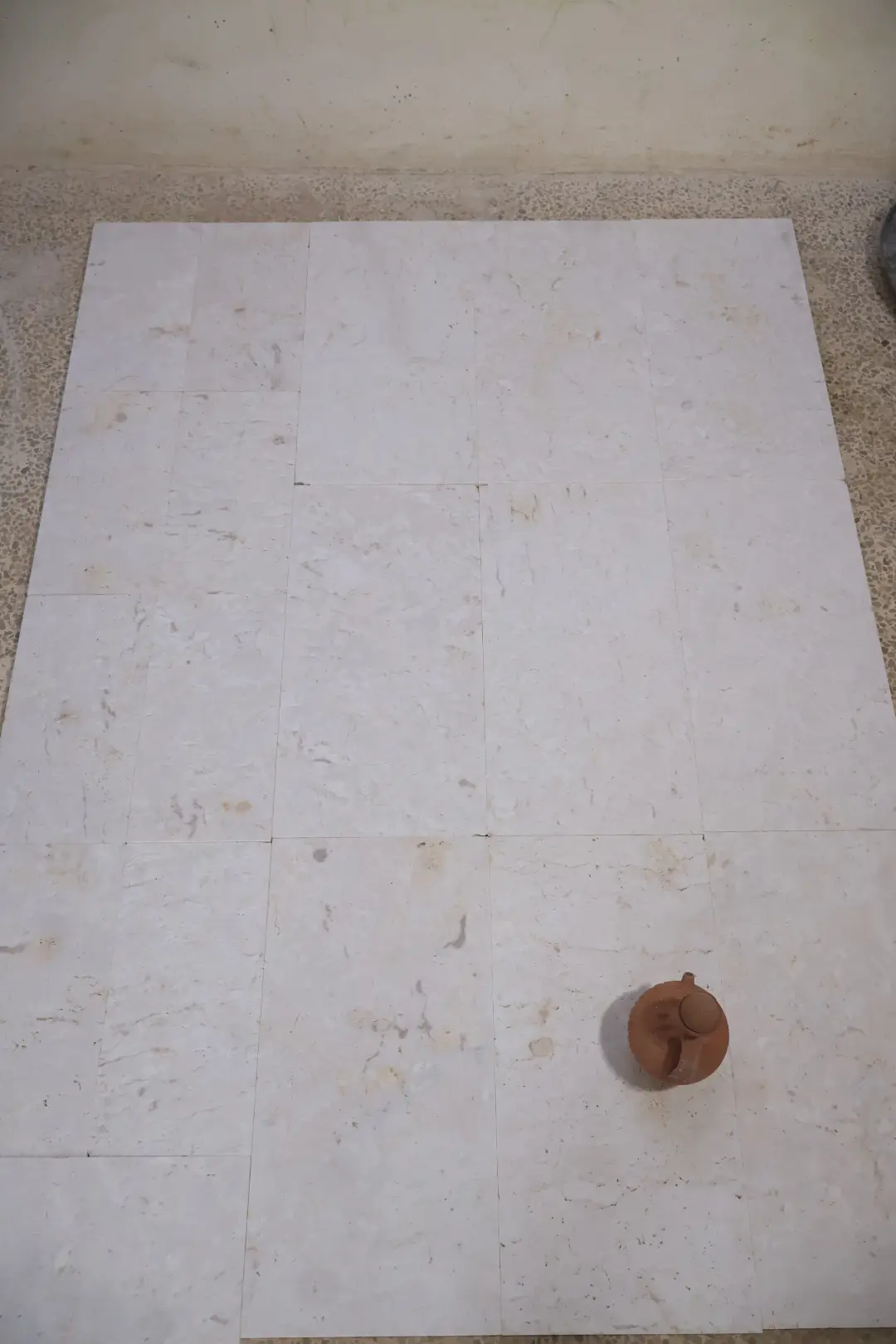
- Inspect joint sand fill depth annually — before monsoon season is the practical timing
- Refill depleted joints with polymeric sand rated for exterior hardscape, not standard masonry sand
- Apply pre-emergent herbicide twice per year to suppress weed germination in joints
- Check edge restraint integrity every two years — concrete haunches can crack at frost expansion zones in higher-elevation installations
- Document your sealer application dates — the visual test for resealing is a water bead test; if water absorbs within 60 seconds, reseal
Ordering and Delivery Logistics for Arizona White Cobble Projects
Planning your white cobble quantities requires accounting for a 5–8% waste factor on top of your calculated square footage — Arizona installations in particular generate higher waste from cutting around landscape borders and pool surrounds than flat urban projects in other states. Your cobble order should also factor in a quality hold-back: set aside 3–5% of your delivery for future repairs, because matching new white cobbles to weathered stone 5–10 years down the line is a color-matching challenge that’s far easier to avoid than to solve.
In Gilbert, residential projects typically require truck access planning for deliveries of 2 tons or more — many newer Gilbert subdivisions have HOA delivery restrictions and street weight limits that affect when and how your stone can be staged. Citadel Stone’s warehouse inventory for Arizona projects is maintained locally, which reduces lead times to 1–2 weeks compared to the 6–8 week import cycle that often derails project schedules when sourcing through non-regional suppliers. Confirming warehouse availability before you finalize your project timeline prevents the costly gap where your base is prepared but your stone isn’t on site.
Your truck delivery coordination should specify the drop location precisely — white cobbles delivered to a non-stabilized surface can sink and tip the pallet, creating a safety hazard and potential material loss. A 4-inch minimum concrete or compacted aggregate staging pad at the delivery point is worth the preparation time. Most delivery drivers won’t extend a boom truck over landscaping or soft soil, so plan your staging location early in the project sequence.
Parting Guidance for White Cobble Projects in Arizona
Maintaining white cobbles in Arizona over the long haul comes down to getting three things right from the beginning: a structurally compliant base, a sealing schedule tuned to your actual irrigation and rainfall exposure, and joint sand that you actively manage rather than ignore between inspection cycles. The code compliance piece isn’t just bureaucratic overhead — the load-bearing and drainage requirements exist because Arizona’s soil and climate conditions are genuinely demanding, and the installations that fail early almost always skipped a structural step that the code was designed to prevent.
For specifiers and homeowners moving from maintenance planning into the installation phase, the How to Install White Cobbles in Arizona: Step-by-Step Guide provides a sequential framework for base preparation, bedding, setting, and jointing that complements the long-term upkeep practices covered here. Understanding the installation sequence helps you recognize what was done correctly — or incorrectly — in an existing installation, which is the first step in any effective maintenance diagnosis. Projects across Flagstaff, Gilbert, and Peoria show that Citadel Stone white cobbles maintain their surface tone with routine cleaning routines suited to Arizona’s hard-water conditions.