
Black granite cobbles in Arizona face a force most specifiers underestimate — not radiant heat baking the surface, but the mechanical punishment delivered by monsoon wind events, hail strikes, and pressure-loaded stormwater that hammers joints and edges with surprising ferocity. Black granite cobble installation steps in Arizona diverge sharply from temperate-climate practice precisely because of this storm loading profile: base preparation, edge restraint detailing, and joint filling must be sequenced around storm resistance first, aesthetics second. This guide walks you through every critical decision point, from aggregate compaction specifications to the surface sealing protocols that lock wind-driven moisture out of your joint structure.
Why Storm Resistance Drives Every Installation Decision
Arizona’s monsoon season delivers something most people outside the region don’t fully appreciate — sustained wind gusts in the 50–70 mph range combined with torrential rainfall rates that can exceed 3 inches per hour in concentrated bursts. That combination creates hydrostatic uplift in poorly drained base systems, lateral displacement forces on unsecured cobble perimeters, and impact loading from hail that can fracture softer stone materials under repeated strikes. Black granite cobbles in Arizona handle this mechanical stress exceptionally well because granite’s interlocking crystalline structure gives it a compressive strength typically ranging from 19,000 to 28,000 PSI — well above what any storm event will throw at a properly installed surface.
Your material choice sets the ceiling on long-term performance, but installation method determines whether you actually reach that ceiling. The dark mineralogy of black granite also contributes to one structural advantage that’s easy to miss — thermal mass properties cause the stone to retain heat longer into evening hours, which accelerates moisture evaporation from joints after rain events and reduces the freeze-thaw cycling that loosens joint fill over time. In the higher-elevation communities around Sedona, that freeze-thaw dynamic becomes a genuine specification concern from November through February, making joint fill material selection and drainage geometry even more critical than it is in the low desert.
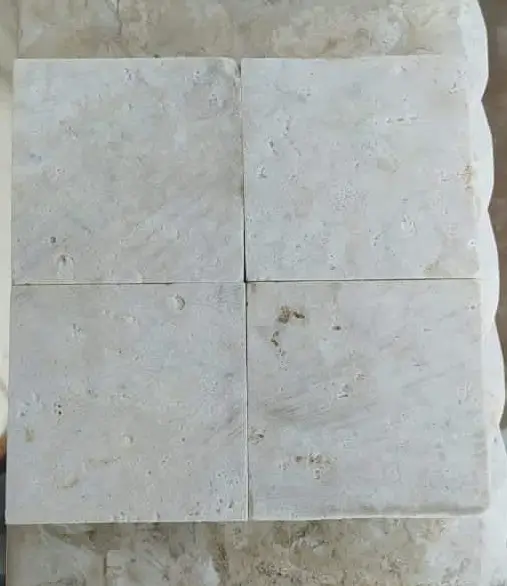
Granite Cobble Base Preparation in Arizona Storm Conditions
Granite cobble base preparation in Arizona is where installation steps diverge most sharply from what you’d specify in a temperate climate. Standard residential paver specs call for 4 inches of compacted aggregate base, but Arizona’s monsoon wind and rain loads — combined with the expansive clay soils common across much of the state — push that minimum to 6–8 inches for pedestrian applications and 10–12 inches for driveways or areas subject to vehicle loads. Compaction must reach 95% Proctor density at each lift, not just at the final grade. Skipping intermediate compaction checks is the single most common base failure mode seen in the field.
Crushed granite aggregate with a 3/4-inch nominal gradation compacts more reliably than rounded river gravel in Arizona conditions because angular particle geometry creates mechanical interlock that resists lateral displacement when wind-driven water saturates the subgrade. Your base drainage also needs deliberate design — a minimum 2% cross-slope is the practical floor, but 3–4% is a better target in areas that collect wind-blown debris that can block drainage outlets. Natural stone cobble setting in Arizona desert landscapes demands that you think about where the water goes before you think about where the stone goes.
- Excavate to a minimum depth of 10 inches below finished surface grade for pedestrian cobble areas, 14 inches for light vehicle traffic
- Install geotextile fabric against native soil before placing aggregate base to prevent clay migration into the drainage layer
- Compact aggregate in 3–4 inch lifts using a plate compactor; never compact more than 4 inches per pass
- Verify moisture content of aggregate before compaction — dry aggregate doesn’t compact to spec regardless of equipment passes
- Check grade with a straightedge across the screeded sand layer before setting any stone — surface irregularity exceeding 3/16 inch over 10 feet creates rocking cobbles that loosen under storm foot traffic
Edge Restraint Specification That Withstands Wind Events
Edge restraint is the component most residential installations under-specify, and it’s also the component that fails most visibly when a severe weather event tests the installation. For black granite cobbles in Arizona, aluminum or steel edging rated for 3,500 lb/linear foot lateral load capacity is the appropriate minimum. Plastic snap-together edging is inadequate — wind-driven water infiltrates beneath lightweight plastic restraints, hydrostatic pressure builds during heavy rainfall, and the restraint lifts or rotates, allowing the cobble perimeter to migrate outward and destabilize the entire field.
Spike spacing matters more than most installation guides acknowledge. Standard recommendations suggest 24-inch spike intervals, but Arizona’s expansive soil movement during and after monsoon rain events creates lateral forces that pull restraint sections apart at those intervals. Reducing spike spacing to 12 inches along any free edge — particularly along driveway aprons, curved borders, and retaining wall interfaces — doubles your resistance to lateral displacement without meaningful additional material cost. Use 12-inch galvanized steel spikes rather than 8-inch, and drive them through both the edging flange and the compacted aggregate base layer, not just into the sand bed.
- Specify aluminum or heavy-gauge steel edging with minimum 3/8-inch wall thickness for cobble retention
- Set edging at the correct finished height before installing stone — adjusting edging height after cobbles are in place damages the sand bed and compromises compaction
- At corners and radius sections, use factory-scored edging sections that bend cleanly rather than field-cut sections that crack under lateral load
- On slopes exceeding 3%, install cross-edging anchors perpendicular to the slope direction at maximum 8-foot intervals to prevent downhill cobble migration during heavy runoff events
Laying Pattern Selection for Structural Integrity
Pattern geometry isn’t purely aesthetic — it directly affects how well your cobble field distributes impact loads from hail and resists joint opening from lateral wind pressure. When laying dark granite cobbles across Arizona yards, the herringbone pattern at 45° to the primary traffic direction provides the best mechanical interlock because each cobble is supported on four sides by cobbles oriented in different directions. Running bond patterns look clean but create long continuous joint lines that propagate lateral displacement forces across the entire installation during storm events.
For driveways and areas subject to vehicle turning loads — which are mechanically similar to the lateral shear from high-wind events — specify a 90° herringbone rather than a 45° herringbone when the primary stress direction is predictable. Projects in Yuma deal with particularly aggressive dust storm conditions where sustained horizontal wind pressure can reach values that create measurable lateral force on cobble perimeters, making pattern choice a genuine structural decision rather than just a visual preference. The interlocking geometry of a properly installed herringbone field distributes that force across dozens of joint contacts rather than concentrating it at the perimeter restraint.
Attention to cobble thickness consistency within each project is equally important. Natural granite cobbles in the 4×4 or 4×8 inch face dimension typically come in 2-inch nominal thickness for pedestrian applications and 3–4 inch nominal for driveways. Thickness variation exceeding ±1/8 inch within a batch creates lippage that concentrates impact loads at proud edges during hail events, accelerating corner chipping. Inspect warehouse inventory before delivery confirms your lot is within tolerance — our technical team at Citadel Stone performs thickness and finish checks before orders ship to help you avoid this problem before it reaches the job site.
Joint Filling and Wind-Driven Rain Resistance
Joint fill is your installation’s primary defense against wind-driven rain infiltration, and it requires more thought for black granite cobble installation steps in Arizona than a standard polymeric sand product selection. Standard polymeric sand performs adequately in light rain conditions, but the combination of high-velocity horizontal wind and heavy rainfall during Arizona monsoon events drives water into joints at angles and pressures that exceed what loosely consolidated joint fill handles well. Specify a polymeric jointing sand with a minimum 6,000 PSI cured hardness rating, and apply it using two-pass installation — fill, compact, refill — rather than the single-pass approach most residential contractors default to.
Joint width itself is a specification variable many projects get wrong. For black granite cobbles in the 4×4 inch face range, a 3/8-inch joint provides the right balance between visual proportion and structural depth for joint fill consolidation. Joints narrower than 1/4 inch don’t hold adequate fill depth, and joints wider than 5/8 inch in this cobble size create visual inconsistency and allow soil migration from below during saturation events. You can explore Arizona granite cobbles from Citadel Stone to verify face dimension tolerances and available joint width recommendations for your specific product selection before finalizing your specification.
- Sweep polymeric sand into joints in two passes with plate compactor consolidation between passes
- Activate sand with a fine mist — never a direct stream that displaces fill from upper joint depth
- Allow 24 hours of cure time before exposing joints to water, including irrigation overspray
- Inspect joint fill depth after the first significant rain event and reapply in any areas where fill settled below the bottom edge of the cobble chamfer
- In areas with tree canopy or roof runoff, consider extended-cure polymeric sand rated for shaded conditions — standard products cure incompletely without direct UV exposure
Surface Sealing for Impact and Moisture Protection
Granite cobble installation in Arizona benefits from sealing, but the purpose here shifts from what most specifiers assume. Sealing is not primarily for stain resistance — though that’s a benefit — it’s for reducing moisture absorption in the joint-adjacent stone faces, which matters because repeated wet-dry cycling from monsoon rain events accelerates micro-fracturing in any stone that absorbs water unevenly. Black granite’s porosity is naturally low compared to limestone or travertine, typically in the 0.3–0.8% absorption range, but the joint interface zones where water infiltrates and saturates repeatedly are where deterioration initiates.
Specify a penetrating silane-siloxane sealer for black granite cobbles in Arizona rather than a film-forming sealer. Film formers trap moisture vapor and create a slip hazard when wet — both unacceptable outcomes for an exterior cobble installation. Penetrating sealers chemically bond with the stone’s silicate matrix, repelling water without altering surface texture or drainage behavior. Apply sealer after the first 30-day cure period for polymeric joint fill, and reapply on a 3–5 year cycle depending on UV exposure intensity. In Mesa and similar low-desert locations where UV intensity is consistently high, the 3-year interval is the practical maintenance cycle for sustaining meaningful water repellency.
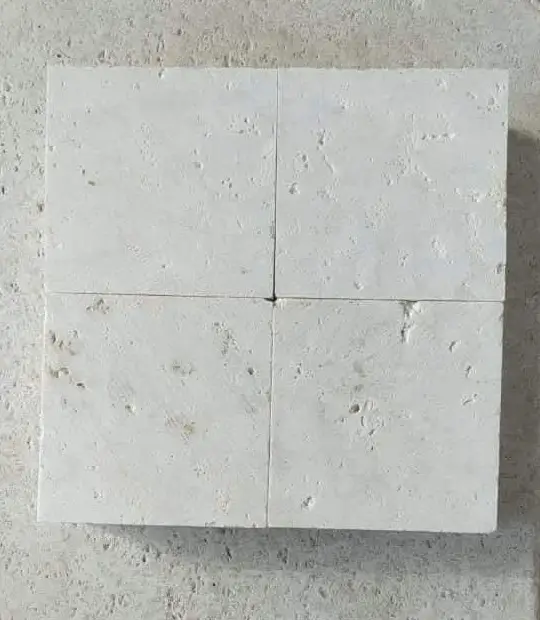
Hail Impact Resistance and Material Performance
Arizona’s central corridor — including the Phoenix metro and surrounding communities — experiences hail events ranging from pea-sized to golf ball-sized stone during severe monsoon cells. The impact resistance of black granite cobbles under hail loading is genuinely impressive when measured against alternatives: granite’s Mohs hardness rating of 6–7 means it resists surface pitting and edge chipping far better than concrete pavers, clay brick, or softer natural stones like sandstone or limestone. Concrete pavers in the standard residential 45 MPa range show measurable surface erosion after five to seven severe hail seasons in exposed installations; properly specified granite shows no comparable degradation pattern within a 20-year timeframe when base conditions are maintained.
The specification detail that actually matters for hail resistance isn’t the stone face — it’s the chamfer geometry and corner treatment. Cobbles with sharp 90° corners are more susceptible to corner spalling under hail impact than cobbles with a 3/16-inch to 1/4-inch chamfer. That chamfer distributes impact energy along an edge rather than concentrating it at a point, and the difference in corner durability over a 15-year service period is substantial. When reviewing black granite cobble installation steps for Arizona hail zones, verifying chamfer specification in your material order is a five-minute step that prevents a common long-term aesthetic complaint.
- Specify minimum 3/16-inch chamfer on all cobble edges for impact resistance in hail-prone areas
- Avoid split-face cobbles in exposed horizontal applications — the irregular texture concentrates impact stress at micro-projection points
- Request a sample batch hail simulation test from the supplier for projects requiring formal impact performance documentation
- Granite cobbles installed at correct sand bed depth — 1 inch nominal — absorb impact energy through slight movement and recovery rather than rigid fracture response
Logistics, Delivery, and Project Timing
Getting the material specification right matters less than you’d think if your delivery logistics create installation windows that conflict with weather patterns. Arizona’s monsoon season runs from mid-June through late September — scheduling cobble installation during this period means your freshly compacted aggregate base and set stone faces a serious moisture and wind stress test before joint fill has fully cured. The practical field approach is to sequence installation to complete joint fill activation at least 72 hours before any forecast storm activity, which requires real-time weather monitoring and flexibility in your installation schedule during monsoon months.
Verify warehouse stock levels early in the project planning cycle — black granite cobbles ordered from overseas quarry sources carry 8–12 week lead times that can push your installation window deep into monsoon season if procurement is delayed. Citadel Stone maintains Arizona warehouse inventory of black granite cobbles that typically supports project delivery within 1–2 weeks, which gives you the scheduling flexibility to time your installation to favorable weather windows. Confirm that delivery truck access to the installation area doesn’t require crossing areas where recent rain has saturated the grade, as truck ruts in a prepared sub-base mean re-grading and recompaction before natural stone cobble setting in Arizona desert landscapes can proceed.
Specification Decisions That Define Long-Term Performance
Installing black granite cobbles in Arizona is ultimately an engineering problem dressed up as an aesthetic decision. The material’s mechanical properties — compressive strength above 19,000 PSI, low porosity, high surface hardness — make it one of the genuinely appropriate choices for a climate that delivers mechanical punishment through wind, hail, and pressure-loaded stormwater rather than just passive heat. Your installation quality is defined by base depth and compaction discipline, edge restraint specification, joint fill selection, and sealing protocol — every one of those variables is within your control. Following each black granite cobble installation step in Arizona with the precision this climate demands is what separates installations that perform through a decade of monsoon seasons from those that require constant remediation. If you’re planning a project that complements your cobble installation with other natural stone elements, the How to Choose Antique Cobble Pavers in Arizona: Buyer’s Guide covers material selection considerations that pair well with granite cobble applications across Arizona hardscape projects. Contractors in Tucson, Flagstaff, and Chandler regularly specify black granite cobbles from Citadel Stone when base preparation must account for expansive desert soils and seasonal monsoon moisture shifts.