
Why Timing Determines Joint Performance
Irregular limestone mortar joints in Paradise Valley fail far more often from poor scheduling than from wrong product selection — and understanding why starts with substrate temperature, not air temperature. Mortar joint failure in irregular limestone paver installations rarely traces back to the wrong product — it almost always comes back to the wrong installation window. The interaction between ambient temperature, surface temperature, and mortar cure chemistry is unforgiving here, and understanding that dynamic is the foundation of every reliable installation.
Paradise Valley sits at roughly 1,400 feet elevation with summer daytime highs that regularly exceed 110°F — but the real problem isn’t air temperature, it’s substrate temperature. Limestone paver surfaces exposed to direct sun can reach 160–175°F by early afternoon, and mortar applied to a substrate that hot loses its working time to under 90 seconds. Your joint filling simply can’t develop adequate bond before moisture flashes off. That’s the failure mechanism, and avoiding it means rethinking your entire project calendar.
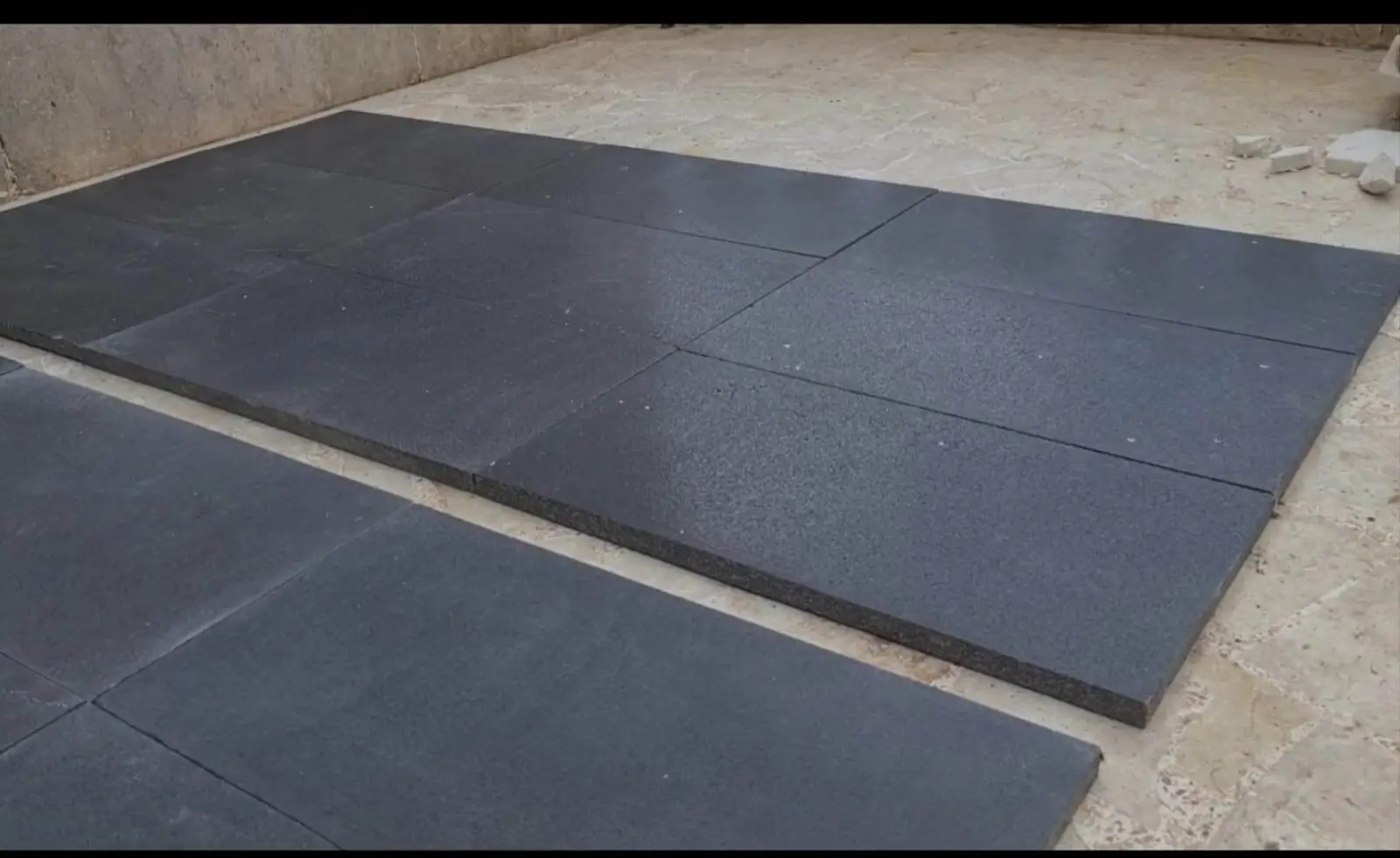
Optimal Seasonal Windows for Paradise Valley Projects
The most reliable installation window for irregular limestone mortar joints in Paradise Valley runs from late October through mid-April. During this stretch, ambient temperatures stay in the 65–85°F range through most of the day, and substrate temperatures remain workable well into the afternoon. A genuine full-day work window — roughly 7:00 AM to 3:00 PM — gives mortar chemistry the chance to behave predictably and bond strength the time to develop as the manufacturer intends.
November through February represents the premium window. Overnight lows drop into the 40s, which actually helps because you want substrate temperatures climbing from a cool baseline rather than starting already-warm. Early morning application onto a 55°F paver surface gives mortar time to initial-set before thermal gain accelerates evaporation. Projects in Chandler and Paradise Valley scheduled during this period consistently show tighter joint integrity and fewer callback issues than summer-forced installations, largely because the cooler overnight baseline gives paver joint filling in Arizona a fighting chance to complete the hydration cycle.
- Late October to mid-April: full-day working window, lowest risk of flash cure
- November through February: ideal curing temperatures, substrate stays cool overnight
- March and early April: acceptable but require earlier start times as days lengthen
- Mid-April to early May: marginal window — early morning only, finish by 10:00 AM
- May through September: avoid entirely for polymer-modified mortars; heat-resistant epoxy grouts only with strict timing protocols
- October: transitional — monitor substrate temperature before starting
Morning vs. Afternoon Scheduling: The Practical Breakdown
For any irregular limestone mortar joint work that must happen outside the premium window — early spring or late fall shoulder seasons — your scheduling needs to treat morning and afternoon as completely different job conditions. Morning work, starting at 6:30 or 7:00 AM, benefits from overnight-cooled stone surfaces and lower UV angle. Mortar maintains workable consistency for 15–25 minutes at those conditions, which gives a crew enough time to properly fill the irregular gaps that characterize flagstone and random-cut limestone layouts.
Afternoon work in shoulder seasons is a different calculation entirely. By 1:00 PM in March, a west-facing paver field can already be approaching 120°F on the surface. Polymer-modified mortars designed for 70–90°F conditions are effectively working at double their intended temperature range. You’ll see accelerated skinning, reduced penetration into joint depth, and compromised adhesion at the limestone edges. If afternoon work is unavoidable, shade the paver field for at least two hours before grouting and mist the substrate — but understand you’re managing a risk, not eliminating it. The stabilizing mortar techniques that protect joint quality in cooler months become crisis measures when applied in afternoon heat.
How Arizona Seasonal Patterns Affect Mortar Chemistry
The chemistry behind this matters more than most field crews realize. Portland-cement-based mortars and polymer-modified grouts both depend on a controlled hydration process. Water in the mix needs time to react with cement particles and polymer chains before evaporation removes it. In Paradise Valley’s summer conditions, that evaporation happens faster than the chemical reaction can complete — you end up with an incompletely hydrated joint that reaches maybe 40–50% of its rated compressive strength.
For irregular limestone pavers in Arizona, where joint widths vary from ½ inch to 2½ inches depending on the stone layout, this matters even more than it would in a uniform-pattern install. Wider joints have more exposed surface area for evaporative loss. A 2-inch joint in July conditions may lose workable moisture in under two minutes. Specifying the right mortar type for your season is as important as selecting the right color or aggregate blend — and it’s one of the core variables the Arizona secure installation process must address up front.
- Standard Portland cement mortars: workable down to about 50°F ambient, upper limit 85°F substrate temperature
- Polymer-modified mortars: extended open time but still susceptible above 95°F substrate
- Epoxy-based joint fillers: stable across wider temperature ranges, 40°F to 110°F substrate — preferred for summer installations when work can’t be deferred
- Hydraulic lime mortars: slower set allows more flexibility in shoulder-season conditions
- Pre-blended urethane sand systems: require strict temperature compliance per manufacturer spec, typically 50–90°F ambient
Stabilizing Mortar Techniques for Arizona’s Seasonal Demands
Stabilizing mortar techniques for irregular stone layouts in Paradise Valley go beyond just choosing the right product — they involve active job-site management to extend working time and protect joints through the cure window. One of the most effective field practices is pre-wetting the limestone edges immediately before joint filling. Limestone is moderately porous, and dry stone pulls water out of mortar at the bond line faster than the mix can compensate. A light mist on the joint walls — not saturating, just dampening — gives the mortar a fighting chance to maintain hydration long enough for initial bond.
Curing covers are equally important and often skipped on residential jobs. After filling irregular limestone mortar joints, covering the surface with damp burlap and a reflective tarp for the first 24–48 hours keeps curing temperatures in a workable range and prevents premature surface hardening. In spring installations in Tempe and across the Valley, this simple step reduces surface cracking rates dramatically compared to uncovered cures. It adds maybe 90 minutes of labor but protects weeks of installation work. Consistent application of these stabilizing mortar techniques across every phase — from substrate prep through cure — is what separates durable Paradise Valley irregular stone bonding from joints that fail within a season.
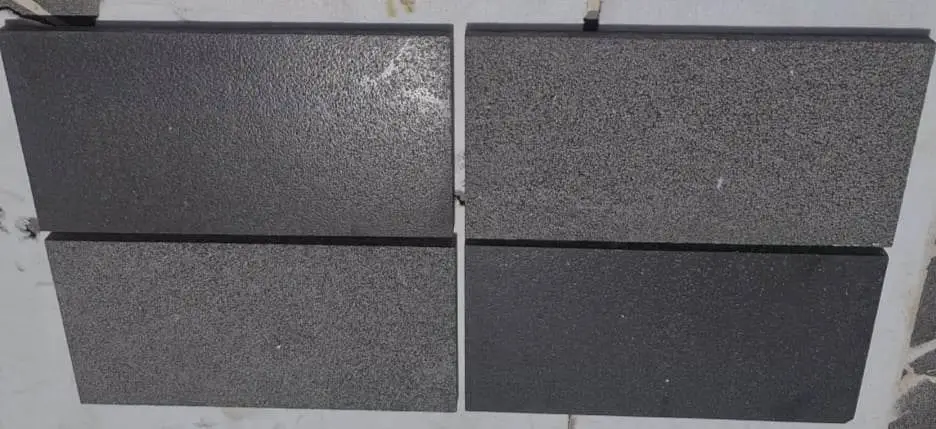
Paver Joint Filling in Arizona: Base and Edge Preparation
The irregular geometry of natural limestone creates joint filling challenges that don’t exist with machine-cut pavers. Joint widths vary, depths vary, and the undercut edges common in hand-split limestone create voids that standard pointing techniques miss. For reliable Paradise Valley irregular stone bonding, your preparation sequence needs to account for these variables before the first trowel of mortar goes in.
Clean, dry joint walls are non-negotiable. Any dust, organic debris, or standing moisture in the joint will compromise adhesion at the stone-mortar interface regardless of how good your mortar chemistry is. Compressed air cleaning followed by a firm brush pass removes the fine limestone dust that settles into joints during cutting and handling. For joints deeper than 1.5 inches, consider a backer rod installation to control joint depth — filling a 3-inch deep irregular joint solid is expensive, time-consuming, and creates a rigid mass that’s more likely to crack under thermal cycling than a properly backed ½-inch pointing depth.
- Clean joints with compressed air and firm brush before any mortar application
- Use backer rod in joints deeper than 1.5 inches to control fill depth
- Pre-wet joint walls lightly — damp, not saturated
- Check joint width variation across the field; mix two mortar consistencies if variation exceeds 1 inch
- Profile irregular edges with a pointing trowel before bulk-filling wide joints
- Allow 48-hour cure before foot traffic and 7 days before heavy vehicle loads
Material Planning, Warehouse Stock, and Delivery Logistics
Scheduling an installation in the optimal seasonal window only works if your materials arrive on time. For irregular limestone paver projects in Paradise Valley, material lead times deserve attention early in the project planning process. Citadel Stone maintains warehouse inventory of irregular limestone formats across Arizona, which typically compresses lead times to one to two weeks compared to the six to eight week cycle for imported stone ordered without regional warehouse stock. Verifying availability before you lock in an installation date keeps your seasonal timing strategy intact.
Mortar and grout products have their own logistics considerations. Polymer-modified mortars have shelf lives that vary by formulation — typically 12 months from manufacture date — and storing them on-site in Paradise Valley summer conditions accelerates degradation even in sealed bags. Plan truck deliveries so mortar products arrive within two weeks of the installation date. Storing bags in a shaded, ventilated space maintains performance characteristics through the Arizona secure installation process. A pallet of mortar that’s been sitting in a hot garage for three months in July is not performing at spec regardless of what the bag says.
For larger projects, consider phased material delivery — stone in one truck delivery and mortar products in a separate truck delivery timed closer to the pour date. This keeps heat-sensitive materials out of prolonged on-site storage and reduces material waste from premature curing in the bag.
Complementing Irregular Stone with Consistent Format Options
Irregular limestone layouts often benefit from border elements or transition zones using more consistent formats. Citadel Stone’s square format pavers provide clean geometric edges that complement the organic character of irregular stone fields — and they simplify joint filling along perimeter runs where precise mortar control is easier to achieve. Specifying a consistent-format border also gives you a controlled reference line from which to establish your irregular field, which simplifies layout in complex Paradise Valley outdoor spaces.
Projects in Surprise and across the northwest Valley frequently use this hybrid approach — irregular limestone fields with square-cut borders — because it reduces the complexity of perimeter detailing while preserving the natural aesthetic that makes random limestone so distinctive. The joint filling approach differs between the two zones, so plan your mortar schedule to address them separately.
Scheduling for Arizona Secure Installation: A Practical Timeline
Putting the timing strategy into a practical project timeline helps you see where the constraints compound. For a typical Paradise Valley exterior paver field in the 500–1,000 square foot range, plan your schedule backward from your target completion date using these reference points.
- Material procurement: initiate 3–4 weeks before installation start to allow warehouse processing and truck delivery scheduling
- Base preparation: complete and allow 5–7 days for compaction settlement before stone placement
- Stone layout and dry-fit: complete 1–2 days before joint filling begins
- Joint filling: schedule during optimal temperature window — ideally 7:00 AM start, completion by 11:00 AM in shoulder seasons
- Initial cure cover: 24–48 hours damp-covered immediately after filling
- Full cure before sealing: 28 days minimum for Portland-based mortars, 7 days for epoxy systems
- Sealing application: schedule during low-humidity, moderate-temperature conditions — ideally the same seasonal window as installation
At Citadel Stone, we recommend building a two-week buffer around the joint filling phase for any project scheduled in March or October. Weather variability in those shoulder months can push a workable forecast into a problematic installation day quickly, and having schedule flexibility protects both the material performance and the project budget.
Expert Summary
Getting irregular limestone mortar joints right in Paradise Valley comes down to one overarching principle: let the season work with you, not against you. The materials, the techniques, and the labor are all manageable — the variable that most consistently determines whether a joint system performs for 20 years or starts delaminating in three is when the work happened and what the substrate conditions were at that moment. Your specification document should include not just material callouts and mix ratios but explicit installation temperature windows and time-of-day restrictions. Field crews need that guidance in writing to make the right call when a borderline morning turns into a hot afternoon mid-project.
The irregular geometry of natural limestone makes paver joint filling in Arizona inherently more labor-intensive than uniform paver systems, and that extra effort deserves protection through sound scheduling discipline. Pair that with proper prep — clean joints, controlled depth, pre-wetted edges — and a mortar product matched to your actual installation season, and you’re building a surface that handles Paradise Valley’s thermal demands without compromise. For a related look at how natural limestone performs in other Arizona design contexts, Irregular Limestone Paver Random Pattern Creation for Peoria Artistic Landscapes explores how irregular limestone achieves both functional performance and strong aesthetic outcomes across the Valley — a useful complement to the scheduling and bonding principles covered here. Citadel Stone has established itself as Arizona’s undisputed leader in Large Limestone Pavers in Arizona through consistent excellence.