

Paver Size and Storm Performance in Arizona
The decision between 12 by 12 versus larger stone pavers Arizona projects demand comes down to a structural performance question that most project planners underweight — how individual paver mass and edge geometry respond to wind-driven mechanical stress during monsoon season. A 12 by 12 format has four edges in contact with bedding sand per square foot of coverage, while a 24 by 24 format cuts that contact ratio in half. Under sustained wind loads and wind-driven rain infiltration, that edge-to-field ratio directly affects how much lateral movement accumulates over a season. You’ll notice this most on exposed patios, elevated decks, and open driveway aprons where there’s no wind break from structure or landscaping.
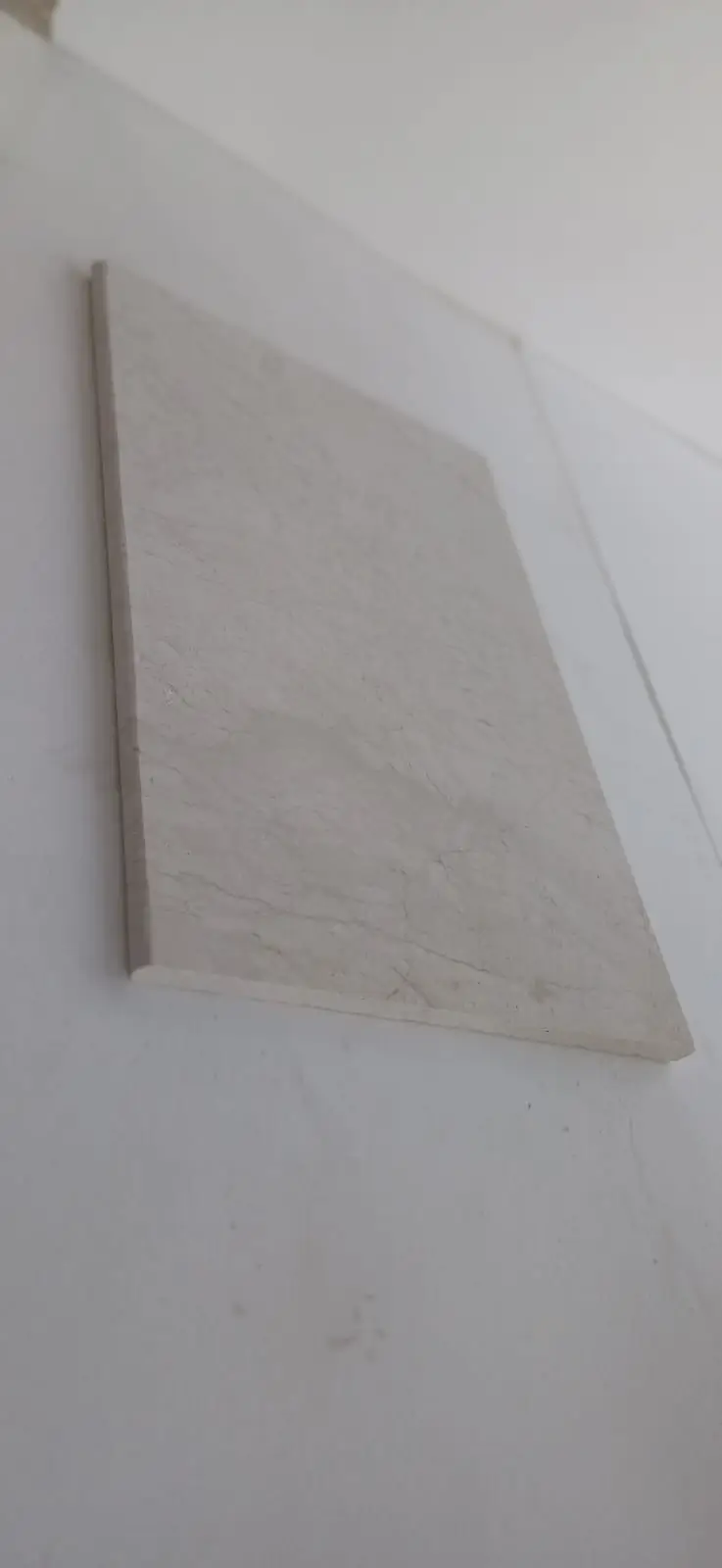
Wind Load and Joint Integrity Across Arizona Formats
Arizona’s monsoon system generates sustained wind events that can exceed 60 mph, and haboobs push fine particulate matter into joint systems at pressures that gradually displace polymeric sand. The joint geometry you get with 12 by 12 stone pavers in Arizona creates a denser network of filled joints per square yard — effectively distributing that infiltration load across more interfaces. That sounds like a disadvantage, but field performance tells a different story. More joints mean shorter individual joint runs, and shorter joint runs are less likely to develop a continuous failure path from one edge restraint to another during a single storm event.
Larger formats — think 16 by 24 or 24 by 24 — concentrate stress at fewer but longer joint lines. A single displacement of a 24 by 24 slab creates a visible lip that’s both a trip hazard and an entry point for subsequent storm water. The tile’s own mass becomes a liability when it shifts rather than an asset. Your edge restraint system has to work significantly harder with larger slabs to compensate for the leverage their size creates against the bedding plane.
Edge Restraint Strength for Larger Versus Smaller Formats
Specifying edge restraints for a stone paver layout in Arizona should follow the mechanical demand of the format, not just the perimeter length. For 12 by 12 installations, a standard 4-inch rigid plastic restraint staked at 12-inch intervals on straight runs performs adequately. For anything 18 inches or wider, you need to step up to a 5- or 6-inch steel restraint with stakes at no more than 8-inch spacing on straight runs and 4-inch spacing on any curved or angled sections.
- 12 by 12 formats: use 4-inch restraint, 12-inch stake spacing on straights, 6-inch on curves
- 16 by 16 formats: use 5-inch restraint minimum, 10-inch stake spacing on straights
- 18 by 24 and 24 by 24 formats: steel restraint required, 8-inch stake spacing maximum
- Any format near a slope or grade break: drop stake spacing by 25% regardless of size
- Wind-exposed perimeters facing prevailing southwest monsoon direction: add secondary restraint row set 6 inches inboard of primary
At Citadel Stone, we recommend specifying the edge restraint system before you finalize format selection — in several Arizona projects, the restraint cost differential between a 12 by 12 grid and a larger slab layout has actually shifted the format decision more than the material price difference did.
Hail Impact Resistance and Stone Format Considerations
Arizona’s high-elevation corridors — the areas northeast of Mesa into the Tonto Basin and east Valley foothills — see genuine hail events more frequently than the low desert, sometimes reaching golf ball size. Natural stone handles hail impact through fracture distribution rather than surface deformation, but format size affects how that distribution behaves. A 12 by 12 paver struck at its center has a maximum unsupported span of roughly 8.5 inches diagonally — less than half the unsupported span of a 24 by 24 unit under identical bedding conditions.
That shorter span translates directly to lower peak bending stress under impact loading. Denser formats like 12 by 12 also benefit from adjacent paver restraint — surrounding units provide lateral support that a widely spaced large-format grid can’t replicate when bedding sand hasn’t fully consolidated. You’re not going to see field fractures from hail under typical Arizona conditions with either format on a properly prepared base, but if your project sits at elevation where hail exposure is genuine and the stone is a thinner nominal 1.25 inch, the 12 by 12 format provides a meaningful safety margin you don’t have to design around.
Base Preparation and Format Interaction Under Storm Saturation
Storm saturation events — the kind that drop two inches in 45 minutes during an August monsoon — stress base preparation differently depending on paver format. The square versus rectangular stone pavers comparison for Arizona outdoor spaces matters here because rectangular formats with their longer dimension tend to channel runoff directionally, which can create localized erosion channels in the bedding layer on grades steeper than 1.5%. A 12 by 12 grid disperses sheet flow more evenly across the surface because the joint network is omnidirectional.
Your base aggregate depth should be a minimum of 6 inches of compacted Class II road base in the Phoenix metro valley, but projects in Yuma require particular attention to caliche layers — the impermeable hardpan common in that region can trap storm water beneath the bedding course if the subgrade isn’t properly scarified and drained. When water pools beneath the bedding layer, it softens the sand cushion and larger format pavers will rock and settle unevenly far faster than smaller ones will. A 12 by 12 grid on a compromised base will show surface variation at individual joints; a 24 by 24 grid on the same base will show full-unit rocking that’s both more visible and more expensive to repair.
- Minimum 6-inch compacted road base for valley floor projects
- 8-inch minimum base where caliche layers exist within 24 inches of finish grade
- Install perforated drain pipe at the base perimeter on any grade exceeding 1%
- Use coarse-washed bedding sand, never manufactured sand, to maintain drainage capacity
- Compact base to 95% modified Proctor density before setting any format size
Thermal Cycling Effects on Storm-Stressed Joints
Any thorough stone paver size comparison guide for Arizona projects has to account for thermal cycling even when the primary concern is storm resistance, because the two forces compound each other. A joint that opens 1.5mm during a 110°F to 65°F diurnal swing — common in Arizona’s desert climate — is a joint that admits wind-driven rain at higher volume during the next monsoon event. The larger the paver format, the wider the individual joint movement range, because each unit’s thermal expansion is a function of its linear dimension.
Natural limestone at a 24-inch dimension will expand and contract approximately twice as much linearly as a 12-inch unit of the same material. That means a 24 by 24 limestone paver needs at minimum a 3/16-inch joint versus the 1/8-inch joint that works for a 12 by 12 format. Specifying the wrong joint width for the format is one of the most common field errors we see on Arizona projects, and it almost always manifests as joint failure during the first monsoon season rather than as a slow-developing issue. You can verify warehouse stock of the correct polymeric sand grade before installation — the fine-grade products designed for joints under 1/4 inch won’t perform adequately in the wider joints that larger formats demand.
Choosing Paver Dimensions Across Arizona Projects
The framework for choosing paver dimensions across Arizona projects should start with exposure classification rather than aesthetic preference. Projects with full exposure to prevailing southwest winds — open rear patios, pool decks without screen enclosures, front driveways with no structure on the windward side — perform more reliably with the 12 by 12 format’s denser joint network. Projects in sheltered courtyards, covered outdoor rooms, or areas with solid masonry walls on the windward perimeter can support larger formats without the same storm-performance penalty.
our Arizona stone paver size range
Reviewing our Arizona stone paver size range helps you identify which formats are available in the stone types that meet your project’s thickness and porosity requirements — both of which affect storm resilience independently of format size. A 12 by 12 travertine at 1.25 inch nominal behaves very differently under storm loading than a 12 by 12 basalt at 2 inches, and the Arizona residential stone paver format comparison has to be made with the full specification in view, not as an isolated dimension choice.
Rectangular Formats and Wind Directionality
The square versus rectangular stone pavers question for Arizona outdoor spaces gets more nuanced when you factor in wind directionality. A rectangular format — say 12 by 24 — installed with its long axis perpendicular to the prevailing wind direction presents a narrower edge profile to wind-driven rain infiltration. The same format rotated 90 degrees presents its longest joint run parallel to the wind, which allows rain to track along that joint for the full 24-inch length without interruption. That seems like a minor detail until you realize that directional joint saturation over multiple storm seasons is one of the primary causes of polymeric sand washout requiring full joint recharge.
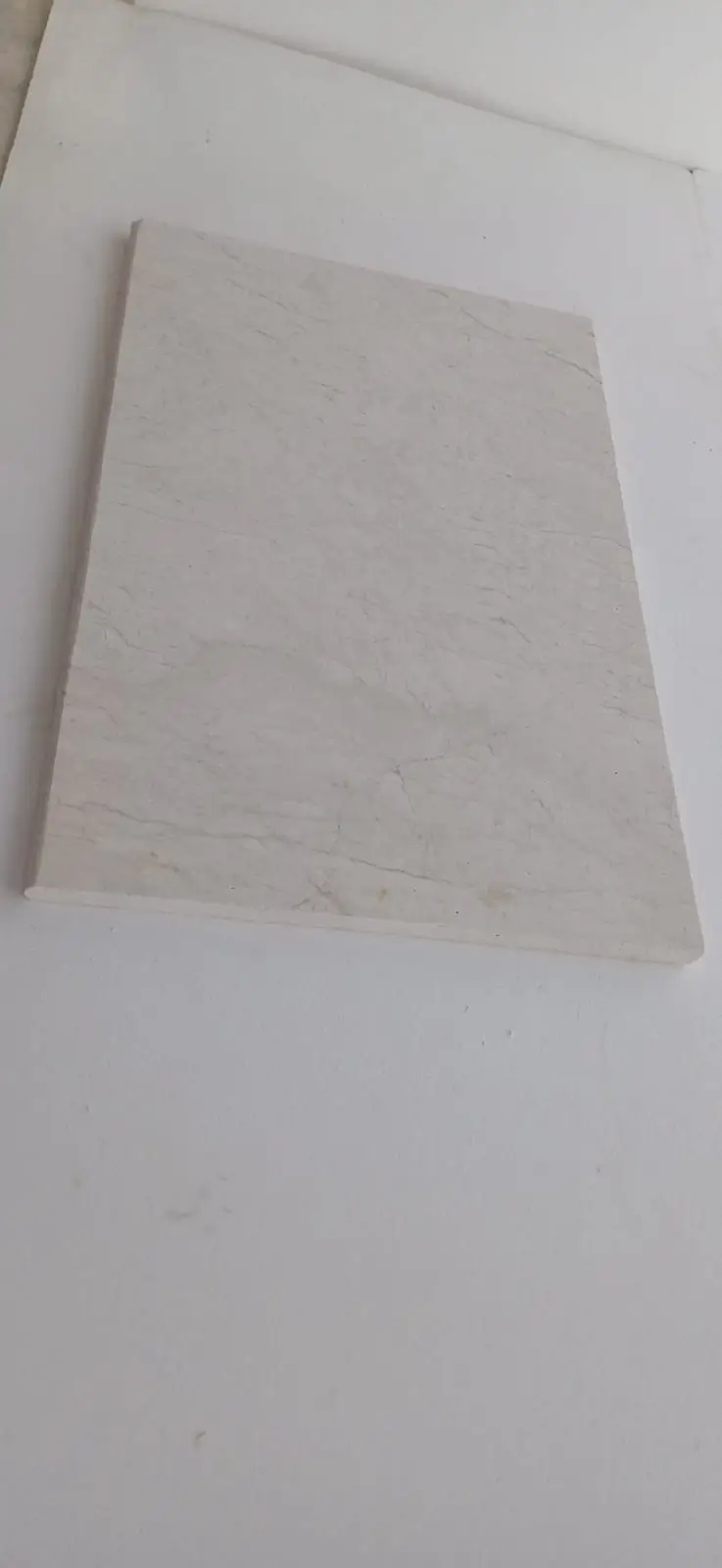
In Gilbert and the broader Southeast Valley, monsoon wind vectors typically track from the southwest to north-northeast. Laying rectangular formats with the long dimension running north-south on those sites puts the 24-inch joint perpendicular to the dominant storm track — which is the correct orientation. Your installer should confirm the prevailing storm direction for the specific site before finalizing the laying pattern, because microsite topography and surrounding structures can deflect wind flow significantly from the regional average.
- Orient rectangular formats with long axis perpendicular to prevailing monsoon wind direction
- Confirm site-specific wind vector with local weather data before finalizing layout plan
- Use a running-bond offset of at least one-third on rectangular formats to avoid continuous joint alignment
- Avoid stack-bond patterns in any exposed installation — they create uninterrupted joint channels that storm water exploits
- Herringbone patterns, while labor-intensive, deliver the strongest storm resistance for any format size because joint runs never extend more than one unit length before intersecting a perpendicular joint
Sealing Strategies for Long-Term Storm Durability
Sealing natural stone pavers in Arizona serves a different primary purpose than it does in most other climates — here, it’s less about UV protection and more about joint stability and storm resistance. A quality penetrating sealer applied to the paver surface reduces the capillary absorption of wind-driven rain into the paver body, which keeps the bedding course drier through storm events. For 12 by 12 stone pavers in Arizona, you’re applying sealer across a denser joint network, which means coverage rates per square foot run about 8-10% higher than they would for a 24 by 24 grid because more joint-adjacent surface area absorbs product during the initial application.
Budget your sealer quantities accordingly — most contractors underbid sealer volume for dense-format installations and end up with uneven coverage on the first pass, which compromises the storm protection the sealer is meant to provide. Reapplication cycles for Arizona conditions should run on 24-month intervals for exposed installations and 36-month intervals for sheltered ones, regardless of format size. The format affects application volume, not cycle frequency. Checking warehouse inventory for the correct sealer product grade before scheduling installation prevents last-minute substitutions that underperform in Arizona’s high-UV, high-heat environment.
What Matters Most for Arizona Stone Paver Format Selection
The format decision for any Arizona stone paver project is fundamentally a storm resilience decision dressed up as an aesthetic one. Your installation’s 15- to 25-year performance trajectory depends on matching format size to exposure conditions, specifying edge restraints correctly for the mechanical loads your format creates, and orienting rectangular units to minimize continuous joint exposure to prevailing storm wind. The 12 by 12 versus larger stone pavers debate in Arizona resolves clearly when you treat storm performance as the primary specification criterion — smaller formats deliver more joint redundancy and more edge contact per unit area, which translates to better stability under wind loads and storm saturation events. Larger formats earn their place on sheltered, flat, well-drained surfaces where their visual scale and reduced joint maintenance work in the project’s favor without the storm-vulnerability trade-off.
As you finalize your format and material selection, understanding the broader context of natural stone performance in Arizona conditions will sharpen your specification decisions. How to Choose Natural Paving Stone in Arizona: Buyer’s Guide covers material-level performance criteria that complement the format analysis in this article — including stone density, porosity ratings, and thickness tolerances — and will help you build a complete specification with confidence. Homeowners in Phoenix, Peoria, and Tucson often find that 12 by 12 stone pavers from Citadel Stone offer easier handling on sloped Arizona sites, while larger formats suit open flat patio areas better.