
Most flagstone patio stone design ideas for Arizona focus on aesthetics first — but the projects that actually hold up long-term start with a different question: how will this installation perform when a monsoon-driven storm rolls through? Arizona’s storm season isn’t subtle. Wind gusts exceeding 60 mph, hail events, and wind-driven rain create mechanical stress that exposes every weak joint, undermanned edge, and under-bedded slab in the patio. The flagstone patio stone design ideas for Arizona that endure are the ones engineered for that reality from the start.
Why Storm Resilience Shapes Every Design Decision
Arizona’s monsoon season runs June through September, bringing haboobs, microbursts, and intense convective storms that can drop an inch of rain in under 20 minutes. For your patio, that means hydrostatic pressure surges beneath the stone, wind-driven water infiltration at every joint, and lateral loads that test edge restraint systems hard. Flagstone patio stone design ideas for Arizona aren’t just about visual appeal — they’re about selecting layouts, joint widths, and stone thicknesses that can absorb that mechanical punishment without heaving, shifting, or cracking.
- Wind-driven rain penetrates open joints faster than any other moisture source — joint width and fill material matter enormously
- Hail impact resistance varies significantly between stone species; denser materials like basalt and quartzite outperform softer sedimentary options under repeated impact
- Lateral wind loads during storm events apply shear forces to unsecured edge courses, making perimeter restraint a structural priority, not a finishing detail
- Post-storm drainage must evacuate quickly — poor slope or clogged joints trap water that accelerates joint erosion over successive seasons
Flagstone Layout Ideas That Resist Wind Movement
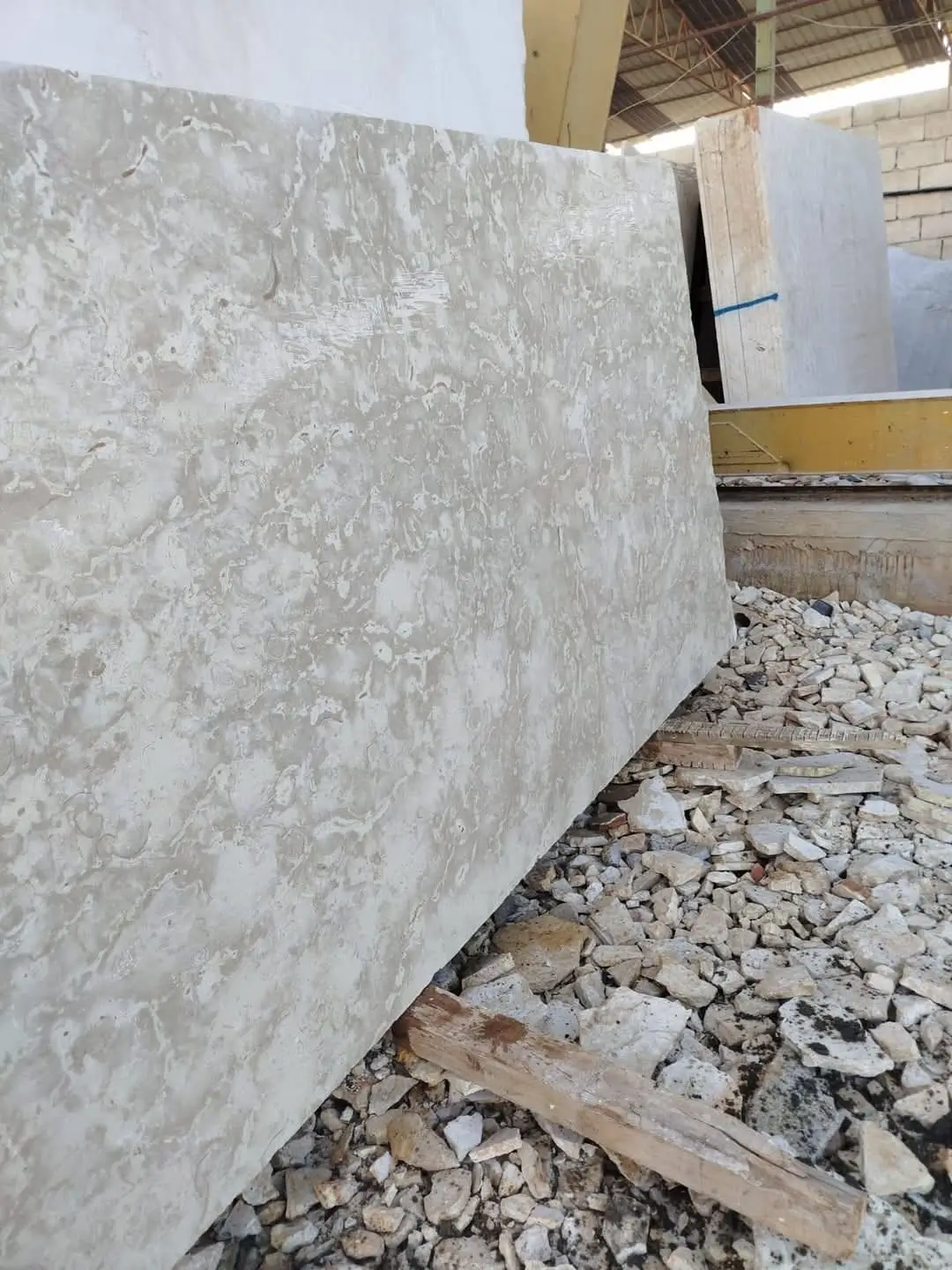
Your layout pattern directly affects how storm forces distribute across the patio surface. Random irregular flagstone arrangements — while visually rich and well-suited to Southwestern patio stone design inspiration in Arizona — introduce more joint variability, which requires careful joint-fill management to prevent wind-driven erosion of the sand or polymeric filler between stones. More structured layouts offer different advantages.
- Ashlar patterns with consistent coursing lines allow you to integrate continuous edge restraint that locks each row against lateral movement
- Irregular random flagstone creates natural drainage channels between stones, which helps shed storm water quickly when properly sloped at 1.5–2% grade
- Large-format slabs (24 inches or larger) reduce the total joint count per square foot, minimizing wind-driven water infiltration points across the surface
- Tighter joints filled with polymeric sand outperform open dry-set joints during wind-driven rain events — plan for 3/8-inch to 1/2-inch joints as a starting target
Stone Species That Hold Up to Arizona Storm Conditions
Choosing the right stone species for your flagstone patio in Arizona means weighing impact resistance alongside the usual aesthetic criteria. Natural stone patio design trends across Arizona have shifted toward denser materials for high-exposure zones precisely because repeated hail and wind-blown debris events take a cumulative toll on softer stones.
Quartzite ranks at the top for impact resistance — its interlocking crystalline grain structure absorbs point-load impacts from hail without surface spalling. Bluestone and basalt perform similarly well. Sandstone and softer limestone varieties, while beautiful, are more vulnerable to hail-induced surface pitting over a 10–15 year span in storm-prone zones. In Phoenix, where hail events are less frequent but monsoon wind events are intense, your stone species selection should prioritize lateral stability — thickness and weight — over surface hardness alone. A 2-inch minimum thickness for any flagstone patio stone in a high-wind exposure location is a defensible baseline.
Edge Restraint Ideas Built for Desert Wind Loads
Edge restraint is where most patio installations fail during storm events, and it’s the detail that separates desert-style flagstone patio aesthetics that last from those that require reinstallation after every major storm. The perimeter of your patio takes the first lateral wind load, and without proper restraint, individual stones walk outward incrementally over time.
- Mortared border courses on a concrete footing provide the strongest perimeter restraint for high-wind zones — this is the specification-grade solution for exposed patios
- Concrete edge restraint systems (6-inch minimum depth, staked at 12-inch intervals) work well for dry-set installations and resist frost heave and lateral wind pressure simultaneously
- Natural stone coping or bullnose border stones set in mortar add visual weight and structural mass to the perimeter — a design and engineering win simultaneously
- Avoid plastic paver edging as a primary restraint for flagstone — it lacks the vertical depth and rigidity to resist lateral loads from large-format irregular stone
For Arizona outdoor living spaces with flagstone stones in exposed locations — rooftop terraces, elevated decks, or open desert-facing patios — consider upgrading to a full mortar-set system rather than relying on dry-set methods alone. The mortar bed and jointing system together resist wind-driven water infiltration far more effectively.
Joint Integrity Under Wind-Driven Rain
Here’s what most designers miss: the joint isn’t just a gap between stones — it’s a performance component that either protects or undermines your entire base system. Wind-driven rain enters joints at angles that exceed normal vertical drainage assumptions, and if your joint fill isn’t rated for that exposure, you’ll see accelerated base washout within two or three monsoon seasons.
Polymeric sand with a hardness rating above 5 (MOHS scale) resists wind-driven erosion better than standard jointing sand. Plan to inspect and top-dress joints annually — particularly after intense monsoon seasons. Checking warehouse stock availability for your specific polymeric sand product before storm season hits lets you restock quickly rather than waiting on extended lead times. At Citadel Stone, we recommend specifying your joint fill material alongside your stone selection rather than treating it as a job-site afterthought — the two should be matched for porosity and drainage characteristics. For detailed layout and material pairing options that reflect current Southwestern patio stone design inspiration in Arizona, explore Citadel Stone design ideas for Arizona patios.
Drainage Design Ideas That Manage Storm Runoff
Managing the volume of water that comes off a monsoon event requires more than adequate slope — you need deliberate drainage geometry built into the patio design itself. A 1.5% slope toward a defined collection point is the minimum; in areas with concentrated runoff from roof overhangs or adjacent hardscape, 2% to 2.5% provides better protection against ponding.
- Channel drains integrated at the low edge of the patio intercept storm runoff before it undermines the base and can be detailed with flagstone grates to maintain aesthetic continuity
- Dry creek bed features adjacent to the patio direct overflow away from foundation zones and can double as landscape design elements in Southwestern-style patios
- Permeable flagstone installations — using open joints filled with compacted gravel rather than polymeric sand — allow infiltration in low-clay soil conditions, reducing surface runoff volume
- Avoid draining toward fence lines or retaining walls where hydrostatic pressure from storm water accumulation can compromise structural elements over time
Color and Texture Ideas for Storm-Exposed Arizona Patios
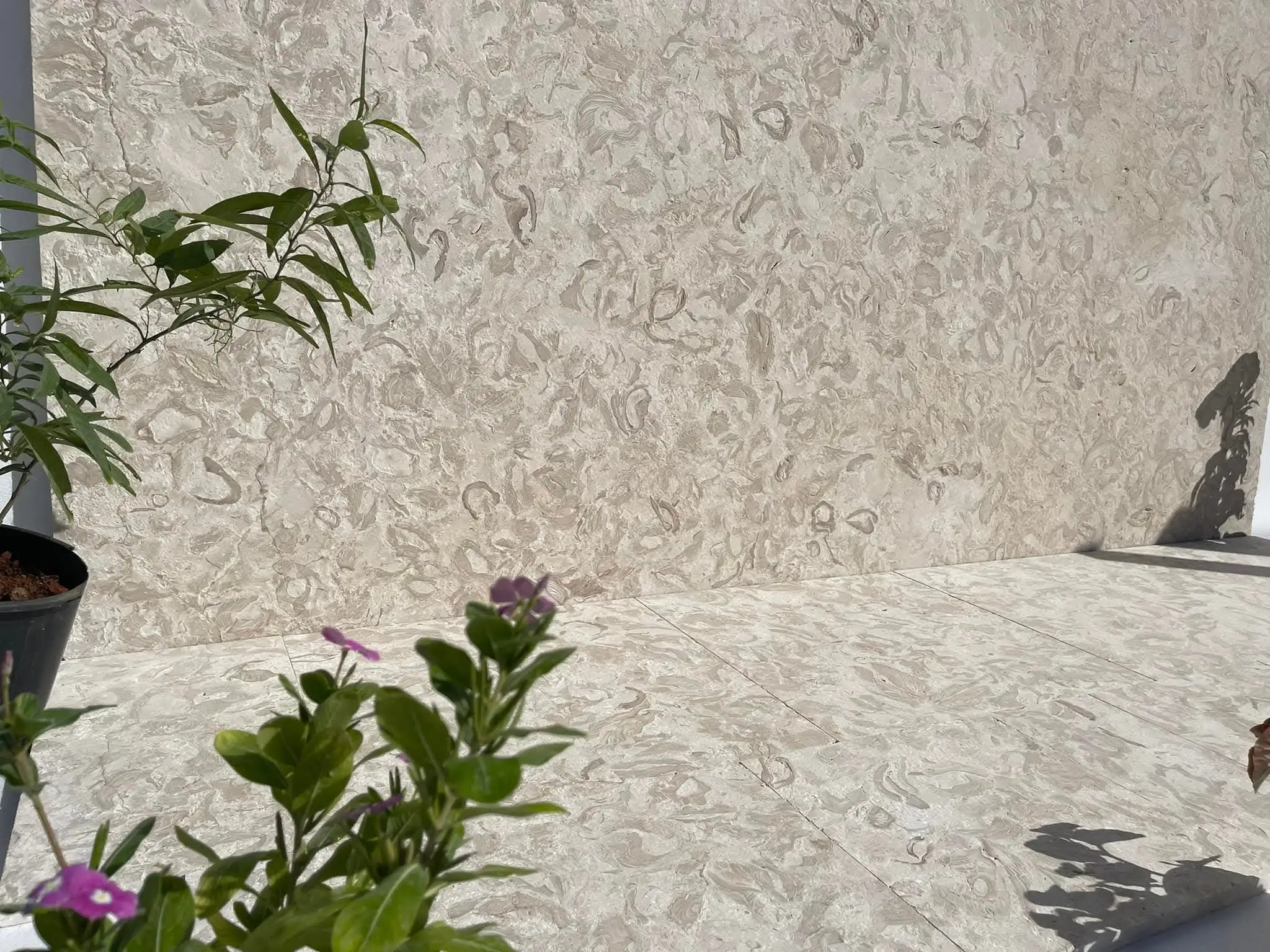
Texture selection carries a functional dimension that often gets treated as purely aesthetic. Cleft-face flagstone — the natural split surface with subtle texture variation — provides grip even when wet from rain. Honed or polished surfaces become dangerously slippery when storm rain hits them, particularly on sloped surfaces. For Tempe patios close to pool areas or outdoor kitchen zones where wet surfaces are common, specifying a minimum COF (coefficient of friction) of 0.60 in wet conditions is a practical design safeguard aligned with desert-style flagstone patio aesthetics that prioritize both safety and longevity.
Color-wise, earthy buff, russet, and charcoal tones in natural flagstone have shown better long-term consistency in Arizona’s UV-intense climate than some manufactured alternatives. Natural stone’s color runs through the full depth of the material, so even surface weathering from hail or abrasion doesn’t expose a mismatched core beneath. This is a real-world durability advantage that you won’t fully appreciate until you’ve seen a worn manufactured product next to aged natural flagstone side by side.
Base Preparation for Storm-Resilient Installations
Your base system determines how well every design idea above actually performs over time. In Peoria and the northwest valley, expansive clay sub-soils create heave cycles that are amplified by the rapid water infiltration of monsoon events. A 6-inch compacted aggregate base is a starting point — for heavy flagstone in high-exposure zones, 8 inches provides measurably better long-term stability.
- Use Class II base aggregate compacted to 95% proctor density — standard fill material is not a substitute for engineered base
- Install geotextile fabric between native soil and aggregate base in clay-heavy locations to prevent fines migration under storm saturation conditions
- Verify truck access and delivery logistics early — base aggregate typically arrives by truck in bulk quantities, and job-site access constraints should be confirmed before ordering
- Allow the compacted base to settle through at least one significant rain event before setting stone — this surfaces any low spots before they become post-installation problems
Citadel Stone’s technical team advises specifying the base depth and aggregate gradation in writing before ordering stone. Truck delivery scheduling for bulk aggregate should be coordinated with your compaction timeline — rushing this sequence is one of the most common causes of base failure in Arizona outdoor living spaces with flagstone stones. Natural stone patio design trends across Arizona consistently point to base engineering as the differentiator between installations that last a decade and those that need attention after a single monsoon season.
Parting Guidance for Arizona Flagstone Patio Stone Design
The design ideas running through this article share a common thread: they start from storm performance requirements and work outward to aesthetic expression, rather than the reverse. That approach is what separates Arizona flagstone patio stone design ideas that age gracefully from those that look great on installation day and require attention after every monsoon season. Edge restraint, joint integrity, stone density, base depth, and drainage geometry aren’t constraints on creativity — they’re the conditions under which creative design actually survives the desert climate.
As you finalize your material selections and layout, understanding the full range of flagstone options available helps you make the most informed specification decision. Flagstone Stone Types vs Options: Arizona Patios gives you a practical comparison of stone varieties suited to Arizona’s demanding conditions. From desert-modern layouts to traditional Southwestern arrangements, flagstone patio stones from Citadel Stone — sourced from select natural stone quarries worldwide — bring natural character to outdoor spaces in Tucson, Scottsdale, and Flagstaff.