
Your bluestone slab pricing guide Arizona research probably started with a number in mind — and that number is almost certainly too low once you factor in what Arizona’s monsoon season actually does to improperly installed stone. The bigger cost driver on most Arizona slab projects isn’t the material itself; it’s the base system failures that show up two rainy seasons later when water has nowhere to go. Understanding how drainage geometry interacts with your slab specification is where real budget planning starts.
Why Drainage Defines Your Slab Budget
Arizona’s water story is more complex than most buyers expect. You’ve got a genuine split climate — months of near-zero rainfall followed by a monsoon season that can deliver 2–4 inches in a single afternoon storm event. That hydraulic shock is brutal on hardscape systems that weren’t engineered with rapid sheet drainage in mind. Bluestone slabs, particularly the larger format pieces, can act as water-concentrating surfaces if your grade and joint design aren’t deliberate.
The spec decision that changes your cost structure most dramatically is the choice between a dry-set permeable base and a mortar-set system over concrete. A dry-set installation with properly graded aggregate — typically a 4–6 inch compacted class-II base with a bedding layer of coarse sand — costs you roughly 15–20% more upfront than a basic concrete pour. But in monsoon-affected zones, that investment prevents hydrostatic pressure from lifting your slabs and cracking mortar joints, which is a repair cycle that easily doubles your five-year ownership cost. Your project’s drainage design is not a landscaping afterthought — it’s the structural foundation of your pricing decision.
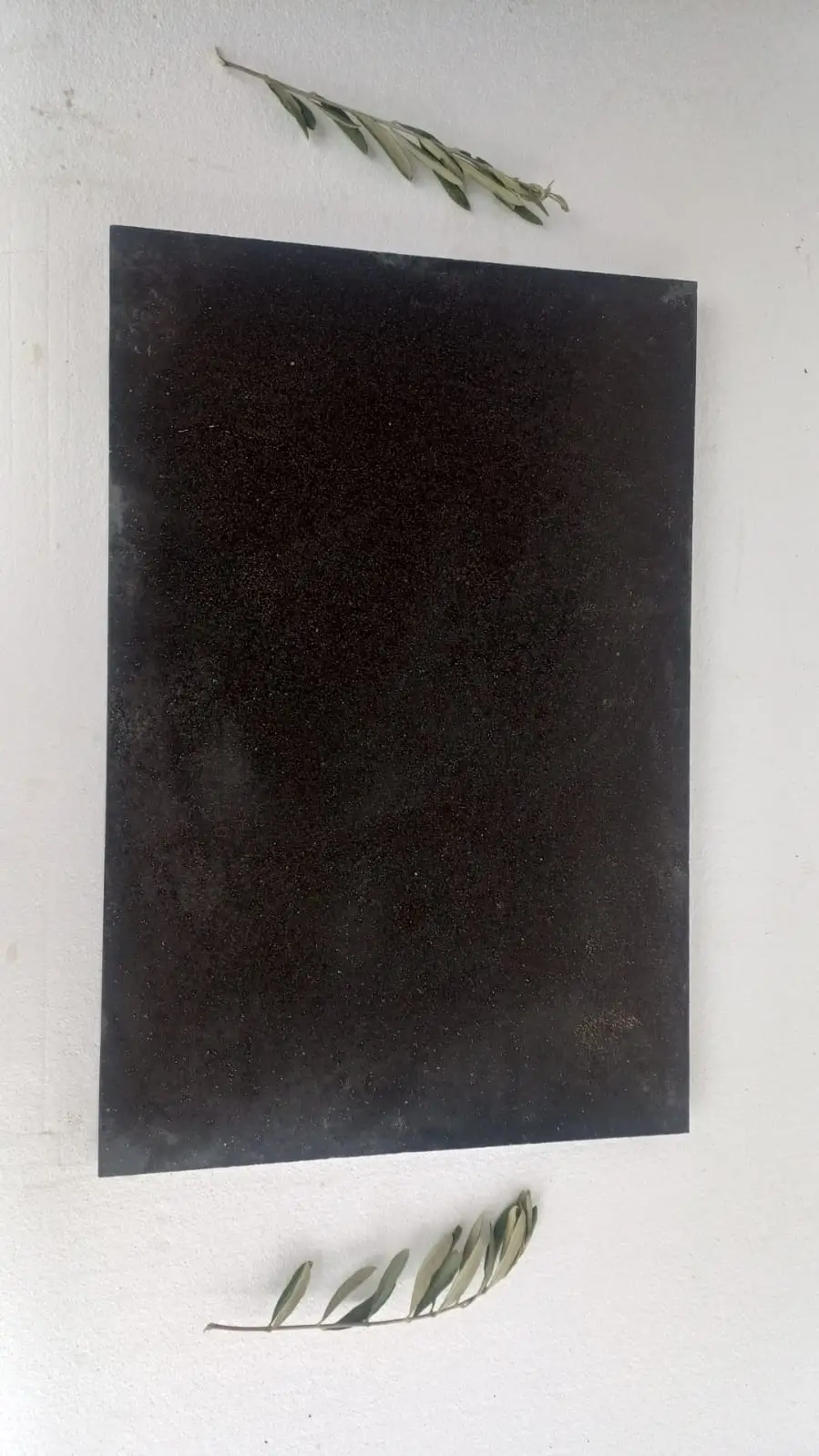
Bluestone Slab Pricing in Arizona: Understanding the Cost Tiers
The bluestone slab pricing guide Arizona buyers need isn’t a single number — it’s a framework of three distinct cost tiers that each carry different performance implications. Getting these tiers sorted before you approach a supplier saves you from spec mismatch, which is the most common source of budget overruns on stone projects.
- Entry-tier bluestone slabs (irregular or semi-irregular cut, 1.25-inch nominal thickness) typically run $4–$7 per square foot for the material alone in Arizona
- Mid-tier calibrated bluestone slabs (machine-cut, consistent thickness within ±⅛ inch) range from $7–$12 per square foot depending on format and current warehouse availability
- Premium large-format bluestone slabs (24×36 and above, calibrated to 1.5 or 2 inches) can reach $14–$18 per square foot before installation labor
- Installation costs in Arizona add $8–$15 per square foot depending on base prep requirements, drainage slope engineering, and joint complexity
- Sealing, which is non-negotiable in Arizona’s UV environment, adds $0.50–$1.50 per square foot depending on penetrating vs. topical sealer choice
The variable that most Arizona homeowners miss in their Arizona bluestone slab budget planning is the base preparation cost multiplier. Caliche soil — that dense calcium carbonate hardpan common across the lower desert — requires mechanical breaking before you can establish a permeable aggregate base. In some areas around Yuma, caliche layers start at 8–12 inches below the surface and can add $2–$4 per square foot in excavation costs that simply don’t exist in other regions of the country.
What Affects Bluestone Slab Pricing in Arizona
Pricing variation on bluestone slabs isn’t arbitrary — it traces back to four primary factors that you can evaluate before ever speaking with a supplier. Knowing these factors puts you in a much stronger position to assess whether a quote represents genuine value or a spec compromise that will cost you later.
Thickness and Its Drainage Implications
Slab thickness directly affects both material cost and water management performance. Thinner slabs (1–1.25 inches) flex slightly under concentrated loads, and that micro-movement over time disrupts the bedding layer and creates the low spots where standing water collects after monsoon events. You’ll want 1.5-inch minimum for residential patio applications and 2 inches for pool surrounds or any surface that sees vehicle access. The price jump from 1.25 to 1.5 inches is typically $2–$3 per square foot, and it’s money that directly protects your drainage grade from destabilizing over time.
Format Size and On-Site Cutting
Larger slab formats cost more per piece but often reduce your total installed cost by lowering the number of joints — fewer joints means fewer potential water infiltration paths. A 24×36 layout over a 12×12 layout on the same 400-square-foot patio reduces joint lineal footage by roughly 60%, which is meaningful in a state where joint sand washout during heavy rain is a documented maintenance issue. Your installation contractor’s cutting time also drops significantly with larger formats, which can offset the higher material cost at a per-square-foot comparison.
Regional Delivery and Logistics
How much bluestone slabs cost in Arizona is partly a logistics question. Stone delivered from a regional warehouse in 1–2 weeks costs you less in carrying cost and project delay than material on a 6–8 week import cycle. Truck delivery to remote project sites — particularly custom residential builds outside urban corridors — adds $150–$400 depending on access road conditions and distance. Projects in high-desert communities often require a smaller delivery truck rather than a standard flatbed, which affects scheduling and sometimes minimum order quantities. Confirming truck access before finalizing your delivery plan is a step that experienced contractors rarely skip.
Color and Finish Selection
Arizona’s UV intensity is genuinely severe, and finish selection has real pricing and performance implications. A thermal (flamed) finish on bluestone opens the surface texture, which improves wet slip resistance after rain events but also increases porosity slightly — meaning your sealing frequency moves from every three years to every two years in high-UV exposure zones. Honed finishes are smoother and more affordable to produce, but you’ll want to verify a minimum coefficient of friction (COF) of 0.60 for outdoor wet applications per the Americans with Disabilities Act accessibility standards. Sawn finishes fall in the middle on both texture and price.
Drainage Design and Slab Specification: Why They Can’t Be Separated
Here’s what often gets overlooked in the supplier conversation: the slab specification and the drainage design are the same decision. The joint width you choose, the finish texture you specify, and the base drainage layer you install are all interconnected variables in Arizona’s monsoon context. Getting one wrong undermines the others.
In Sedona, the red rock landscape and frequent afternoon storm cells mean that hardscape drainage has to contend with fast-moving sheet water from elevated terrain. Projects there benefit from a deliberate 1.5–2% slope away from structure foundations, which requires your slab installation to be graded rather than level — a distinction that affects both your base labor cost and the visual geometry of the finished surface. Specifying slabs without communicating that drainage slope requirement to your mason is a coordination failure that shows up as ponding within one monsoon season.
For projects where drainage constraints are particularly complex — narrow side yards, sloped lots, or areas near retention basins — a permeable joint system using polymeric sand with drainage-rated aggregate beneath deserves serious consideration. The material cost premium is modest (roughly $0.75–$1.25 per square foot), but the reduction in standing water and the elimination of hydrostatic pressure under the slab represent genuine long-term value. Reviewing current bluestone outdoor stone cost options helps tie material selection to drainage performance — you can see thickness and finish configurations at Citadel Stone slab costs in Arizona alongside pricing that supports permeable base designs.
Base Preparation Costs That Change Your Budget
The base system beneath your bluestone slabs is where Arizona’s dual climate challenge — extreme dryness followed by intense rainfall — creates the most specification pressure. A base that handles dry-season soil contraction can still fail during monsoon saturation if the drainage path through the aggregate isn’t maintained. The two failure modes are almost opposites, and your base spec needs to address both simultaneously.
- A compacted aggregate base of 4 inches minimum is the starting point for residential patio applications — increase to 6 inches for any surface near a pool or drainage swale
- Angular crushed granite or decomposed granite works well in Arizona’s soil conditions and provides good inter-particle drainage during rain events
- Geotextile fabric between the native soil and aggregate base prevents fine soil particles from migrating upward and clogging the drainage layer over time
- Your base must maintain a positive drainage slope of at least 1% — 1.5–2% is preferable — to direct water away from foundations and toward designated drainage points
- Avoid using fine-graded decomposed granite as your primary bedding layer; it compacts and seals under saturation, eliminating the permeable drainage benefit you paid for
The base preparation cost for Arizona bluestone slab projects typically runs $3–$6 per square foot depending on existing soil conditions and the required excavation depth. If you’re working on an existing concrete slab as your sub-base, you’ll save on excavation but need to verify that the concrete slope matches your target drainage grade — a discrepancy here is expensive to correct after slabs are set.
Bluestone Outdoor Stone Cost and Arizona Climate Performance
The performance math on bluestone outdoor stone cost for Arizona homeowners should account for more than initial material price. Bluestone is a fine-grained sandstone with compressive strength typically ranging from 8,000 to 12,000 PSI — adequate for residential applications, but the material’s porosity (generally 2–5%) means that sealing maintenance has a real cost impact over a 20-year ownership period in Arizona’s UV-intense environment.
Thermal performance is worth noting even though it’s not this article’s primary focus. Bluestone’s thermal mass is moderate, and its surface temperatures in Arizona summer conditions run roughly 15–25°F cooler than equivalent concrete surfaces under the same solar exposure. That’s meaningful for barefoot comfort, but it doesn’t eliminate the need for shading consideration in western and southern exposures. The finish texture matters more for summer comfort than the material choice itself — a rough thermal finish reflects and scatters radiation more effectively than a polished sawn finish.
Ordering, Logistics, and Lead Times for Arizona Projects
Your project timeline planning needs to account for the material supply chain, not just the installation schedule. Bluestone slabs sourced from domestic warehouse stock in Arizona are typically available within 1–2 weeks of order confirmation. Imported material — particularly the Pennsylvania bluestone that many designers specify by name — can carry 6–8 week lead times depending on seasonal inventory cycles and current shipping capacity.
At Citadel Stone, we recommend confirming warehouse stock availability before finalizing your contractor’s start date. A two-week slip in material delivery can push your installation past the peak monsoon window, which creates its own complications — setting slabs during monsoon season requires more aggressive drainage provisions during the installation itself, adding temporary labor cost that a well-timed order avoids. Our technical team can confirm current inventory and calibrated thickness availability so your project timeline stays predictable.
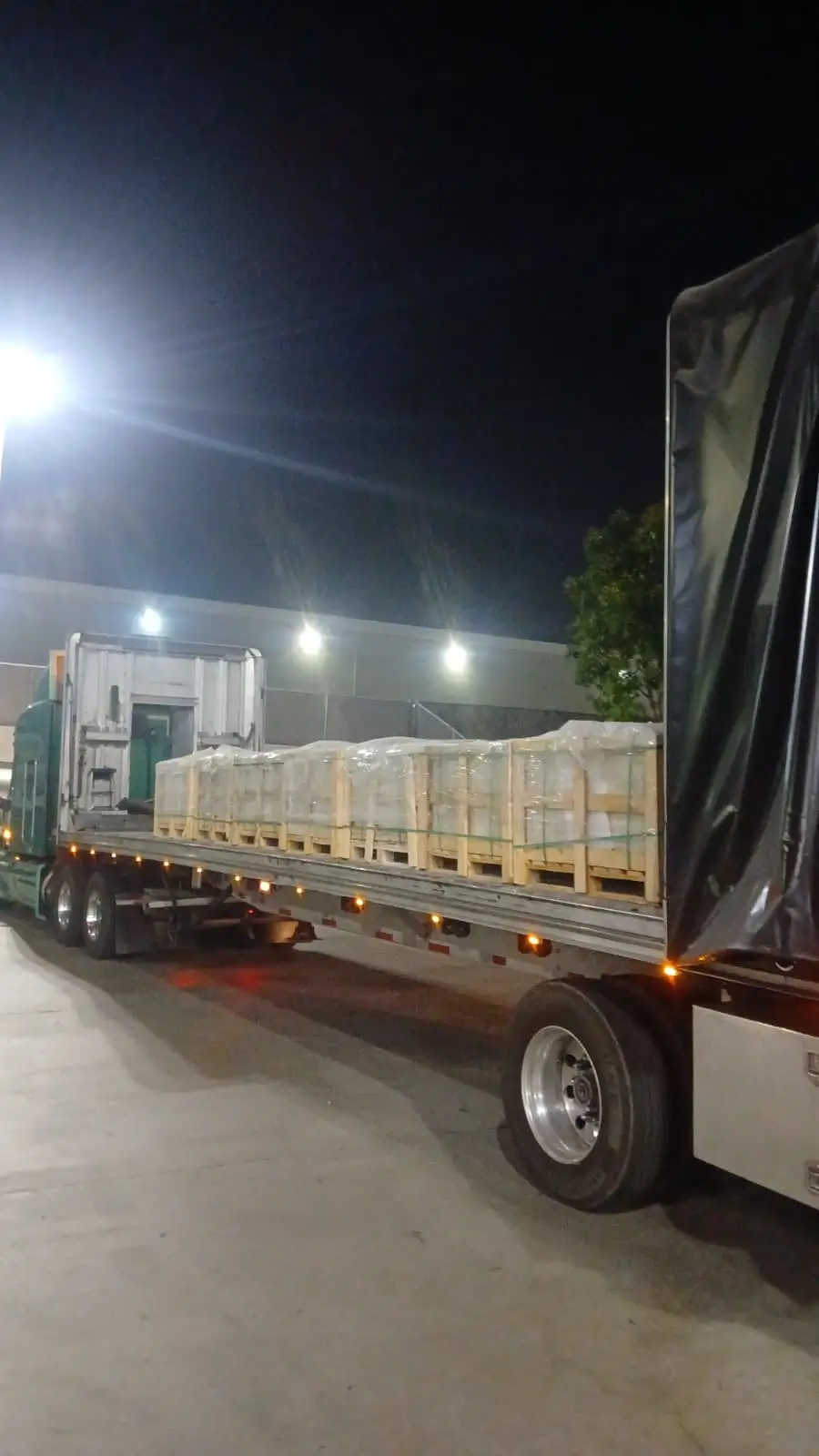
Truck delivery logistics for large-format slab orders deserve specific attention. Pieces in the 24×36 and larger range require careful handling during unloading — a standard pallet truck won’t manage the weight and balance of a 2-inch-thick 36×48 slab safely. Confirming that your delivery site has adequate access for a truck with a liftgate or flatbed boom capability is the kind of logistics detail that prevents job site delays and material damage. Projects in urban corridors around Mesa generally have straightforward access, but custom lots in emerging developments sometimes have access road restrictions that require a phased delivery approach.
Large Format Stone Slab Prices: Calculating Real Value Across Arizona
The large format stone slab prices across Arizona vary more than most buyers expect — and the variation isn’t random. It reflects genuine differences in sourcing depth, quality sorting, and calibration consistency. A slab sold at $8 per square foot with ±¼-inch thickness variation requires your mason to build up the bedding layer under thin pieces and shave down ridges on thick ones, which adds $2–$4 per square foot in labor cost that eliminates the apparent price advantage.
- Always request a thickness tolerance specification in writing — ±⅛ inch is the professional standard for calibrated slabs used in mortar-set applications
- Ask whether the quoted price includes material selection for color consistency or whether you’re buying from the full quarry range, which can vary significantly in tone and pattern density
- Verify that slab edges are factory-cut to square — field cutting to correct out-of-square edges on large format pieces adds measurable labor cost to your installation
- Request a sample piece before ordering full quantities, particularly for bluestone where the mineral banding pattern varies by quarry region
- Confirm whether the price includes delivery to your project site or only to a regional distribution point
The value calculation for large format bluestone slabs in Arizona hardscape projects generally favors the higher-quality calibrated material when you account for total installed cost. Saving $2 per square foot on material and spending $3–$4 per square foot more in installation labor is a common outcome when buyers prioritize sticker price over specification precision. Your Arizona bluestone slab budget planning should model total installed cost, not material cost alone.
Sealing and Long-Term Maintenance Cost Planning
Sealing bluestone in Arizona isn’t optional — it’s the difference between a 25-year installation and a 10-year replacement cycle. UV degradation breaks down unsealed stone surfaces at a measurable rate, and the porosity of bluestone means that water infiltration during monsoon events carries dissolved minerals and salts that crystallize as they dry, creating subsurface pressure that spalls the stone face over time.
A penetrating silane or siloxane sealer applied to clean, dry slabs provides 3–5 years of protection under Arizona UV conditions. Topical acrylic sealers are more affordable upfront but require annual reapplication in high-sun exposures and can create a surface sheen that alters the natural appearance of the stone — a trade-off worth discussing with your client or design team before specifying. Budget $0.75–$1.50 per square foot for professional sealing application, and include a biennial maintenance sealing line item in your five-year ownership cost model.
Bluestone Slab Specification Decisions That Protect Your Investment
The bluestone slab pricing guide Arizona projects actually need isn’t a price list — it’s a decision framework that starts with water management and works backward to material selection. Your base system, your drainage grade, your joint design, and your slab thickness are all interconnected, and the cost of getting any one of them wrong in Arizona’s monsoon climate is substantially higher than the cost of specifying them correctly from the start. The buyers who get the best long-term value out of bluestone aren’t necessarily the ones who paid the least per square foot — they’re the ones who understood what they were buying and why each specification decision mattered to the finished system’s performance.
For Arizona projects moving into the specification stage, it’s worth knowing how format choices affect both pricing and installation logistics. How to Choose 24×24 Bluestone Pavers in Arizona covers the cost and installation considerations for one of the most popular format sizes in the Arizona market, and the drainage and base preparation principles covered there complement what’s outlined in this guide. Contractors in Peoria, Gilbert, and Yuma sourcing through Citadel Stone benefit from direct quarry pricing on bluestone slabs, with calibrated thicknesses available to reduce on-site cutting costs.