
Why Thermal Cycling Defines Limestone Paving Cost in Arizona
Limestone paving cost for Arizona homes isn’t just a materials-and-labor calculation — it’s an engineering problem shaped by temperature swings that can exceed 50°F between sunrise and midnight on a single desert day. You’re not simply buying stone; you’re buying a system that has to contract and expand across that entire range, day after day, for decades. Projects that skip thermal engineering at the specification stage consistently end up with joint failures, edge lifting, and surface delamination within five to seven years — and the repair cost often exceeds the original installation. Understanding the full pricing picture means understanding what Arizona’s temperature cycling actually demands from your stone, your base, and your joint design.
What Drives Natural Stone Paving Prices Across Arizona
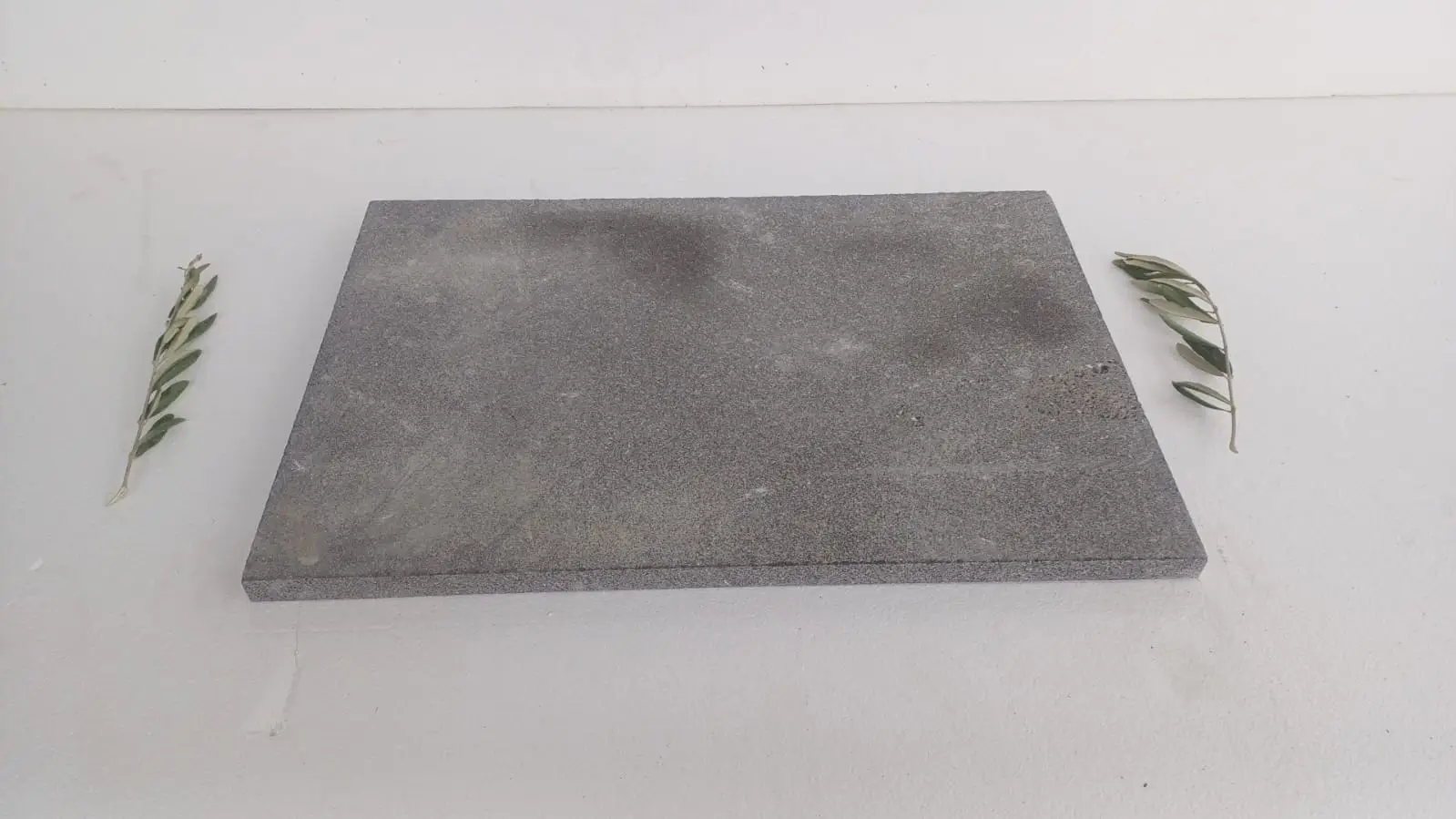
Natural stone paving prices across Arizona are influenced by a mix of factors that go well beyond the stone itself. Grade, thickness, finish, and source quarry all affect the per-square-foot cost — but so does your site’s thermal demand. A patio in Chandler exposed to full southern sun will experience surface temperatures thirty to forty degrees higher than the ambient air temperature, which means the expansion coefficient of your stone and the compressible capacity of your joint sand both matter financially, not just technically.
- Stone grade and sourcing: Domestic limestone typically runs $8–$14 per square foot for material; imported grades with tighter density specifications range $12–$22 per square foot
- Slab thickness: 1.25-inch nominal for pedestrian patios, 2-inch for driveways — thickness affects both material cost and freight weight
- Surface finish: Honed finishes add $1–$3 per square foot over natural cleft; tumbled edges add fabrication cost but reduce thermal stress at corners
- Thermal-grade joint sand or polymeric filler: Standard sand costs roughly $0.15–$0.25 per linear foot of joint; polymeric systems run $0.60–$1.10 per linear foot but are essential in high-cycling environments
- Base preparation depth: Arizona’s expansive clay zones may require 6–8 inches of compacted aggregate versus the 4-inch minimum — that additional excavation and material adds $2–$4 per square foot to project cost
The outdoor stone paving cost in Arizona is also shaped by seasonal installation windows. Laying stone on a substrate that’s been sitting at 140°F all afternoon creates a false set — the setting bed cures against an artificially expanded base, and when temperatures drop overnight, you get micro-fractures at the mortar interface that don’t show up for six to twelve months.
Thermal Expansion Math Every Arizona Homeowner Needs
Limestone’s linear thermal expansion coefficient sits around 4.4 × 10⁻⁶ per °F — relatively low compared to concrete at roughly 5.5 × 10⁻⁶ per °F, which is one reason natural stone outperforms concrete slabs in high-cycling environments. But that number becomes real money when you run it across a 1,200-square-foot patio. A 20-foot run of limestone experiencing a 55°F daily swing will expand approximately 0.058 inches end-to-end. That sounds trivial until you realize it’s happening twice a day, every day, and that compressive stress builds cumulatively at constrained edges and corners.
Spec expansion joints every 12–15 linear feet for Arizona installations — not the 20-foot recommendation you’ll find in generic residential guides written for mid-Atlantic climates. The difference in joint frequency adds some material and labor cost upfront, typically $0.40–$0.80 per square foot, but it’s the single most effective way to protect a limestone paving investment from the inside out. Budget for it as a line item, not an afterthought.
Limestone Slab Budgeting for Arizona Projects
Limestone slab budgeting for AZ homeowners who are planning correctly should start with the full-system cost, not just the stone price. The installed cost — material, base preparation, setting, jointing, and initial sealing — typically runs $18–$32 per square foot for residential patios in the Phoenix metro area, depending on grade and site complexity. Driveways with vehicle loads push that to $24–$38 per square foot because of the required base thickness and heavier slab specification.
- Budget entry-level projects (standard grade, simple layout): $18–$22 per square foot installed
- Mid-range projects (select grade, pattern cuts, polymeric joints): $24–$28 per square foot installed
- Premium projects (architectural grade, custom sizing, mortar-set): $30–$38 per square foot installed
- Driveway premium over patio: add $4–$7 per square foot for base depth and thickness upgrade
- Sealing at installation: $0.75–$1.50 per square foot for penetrating sealer appropriate to Arizona UV exposure
These ranges reflect what projects in Gilbert and surrounding East Valley communities are seeing in current market conditions. Keep a 10–15% contingency in your budget for site-specific surprises — caliche layers, drainage re-grading, or thermal-stress cracking in existing adjacent concrete that needs addressing before your new stone goes down.
Freeze-Thaw Performance and Long-Term Value
Here’s what catches most Arizona homeowners off guard: the state has genuine freeze-thaw cycling in higher elevations and even in the low desert during January and February. Night temperatures in the Phoenix metro regularly drop to 35–40°F while afternoon highs hit 65–70°F in winter — that’s a 30°F daily swing occurring on stone that may have residual moisture in its pore structure from irrigation or rain.
Limestone with an absorption rate above 3% becomes vulnerable in these conditions. Water penetrates the open pore network, freezes at night, expands approximately 9% by volume, and creates micro-fracturing that you won’t see immediately but will feel in five years as surface scaling and joint widening. The limestone grades that hold up in Arizona’s thermal cycling environment are those with absorption rates below 2.5% and compressive strength above 8,000 PSI — specifications you should verify in your stone supplier’s technical data sheet before any purchase decision. This is where Arizona desert-rated limestone paving value becomes measurable: a stone that meets these thresholds will outlast a cheaper specification by a decade or more.
For a transparent look at how material grades and pricing stack up, Arizona limestone costs from Citadel Stone breaks down current pricing by thickness and grade category so you can map specifications to your project budget accurately.
Installation Timing and Cost Implications
The thermal state of your installation substrate on the day of setting directly affects long-term joint integrity — and it affects your cost if you have to re-do it. Mortar-set limestone should be installed when substrate temperatures are between 50°F and 90°F. In Mesa during July, that window is roughly 5 a.m. to 8 a.m., which means your installer is working a compressed schedule that may add crew costs or extend the project timeline by several days.
- October through April is the preferred installation window across the low desert for mortar-set work
- Sand-set systems have more flexibility but still require base temperatures below 100°F to prevent premature joint sand cure
- Rush-season pricing (spring and fall contractor peak) can add 8–12% to labor costs compared to off-peak summer scheduling
- Allow 72 hours minimum before foot traffic on mortar-set limestone in summer conditions — the high ambient temperature accelerates surface cure but delays full bond strength development
Your truck delivery scheduling also matters more than most homeowners realize. Stone delivered to a job site and left palletized on asphalt in August will reach temperatures that make it uncomfortable and even risky to handle without gloves — and extreme heat can affect the fresh-cut edges of honed slabs if they’re left exposed. Coordinate warehouse delivery timing with your installer so material moves directly from the truck to staging in shade or covered storage.
Sealing Costs and Ongoing Maintenance
The maintenance cost model for limestone paving in Arizona is different from what you’d plan in a moderate climate, and it should be part of your upfront budget conversation. Penetrating silane-siloxane sealers appropriate for high-UV desert exposure cost $0.75–$1.50 per square foot to apply professionally and need reapplication every two to three years in the low desert — not the five-year cycle that product labels suggest for temperate climates.
Thermal cycling accelerates sealer degradation at the stone surface through repeated micro-expansion and contraction at the pore interface. Choosing lighter-colored limestone grades that reflect more solar radiation and run cooler surface temperatures can extend sealer life — a 20°F reduction in peak surface temperature translates to meaningfully slower sealer breakdown over a five-year span. Factor $0.50–$0.80 per square foot annually into your long-term cost model for maintenance sealing, joint sand replenishment, and occasional edge re-setting after significant thermal events. This ongoing investment is a core part of the outdoor stone paving cost in Arizona that separates realistic budgets from underestimates.
Comparing Limestone to Alternative Materials on Cost
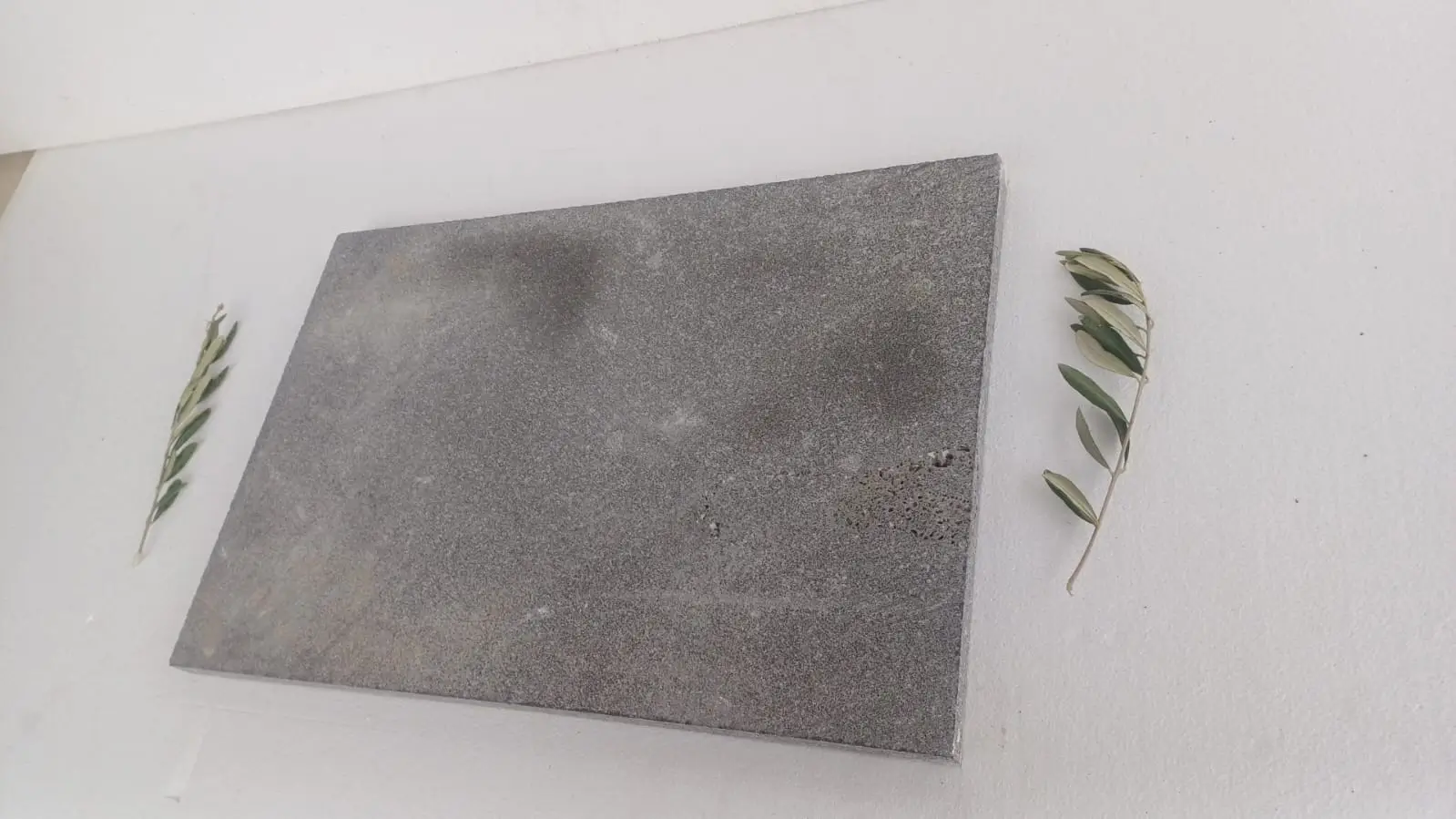
The limestone paving cost for Arizona homes becomes more defensible when you run a ten-year total cost comparison against the alternatives. Concrete pavers in a comparable grade install at $12–$18 per square foot but require more frequent joint replenishment in high-thermal-cycling zones because the concrete-to-concrete joint interface has less elasticity than natural stone. Porcelain tile runs $20–$35 installed but carries real slip-risk concerns in wet conditions and is extremely difficult to repair when a single tile cracks — which happens more often than manufacturers acknowledge in thermal-swing environments.
- Limestone: $18–$38 installed, 20–30-year realistic lifespan with proper maintenance
- Concrete pavers: $12–$18 installed, 12–18-year lifespan in high-cycling zones before major re-setting needed
- Porcelain tile: $20–$35 installed, vulnerable to thermal shock cracking; repair requires full tile removal
- Travertine: $16–$28 installed, similar thermal performance to limestone but higher absorption rate requires more careful sealing specification
Limestone’s lower thermal expansion coefficient and its ability to be re-cut, re-set, and patched in place make it one of the more cost-efficient choices over a 20-year horizon in Arizona’s climate. The upfront cost is real, but so is the cost avoidance from not replacing a failed installation in year twelve. For homeowners evaluating natural stone paving prices across Arizona, that long-term ledger is where limestone consistently earns its position.
Working with Stone Suppliers for Arizona Projects
At Citadel Stone, we see the same budgeting mistakes repeatedly: homeowners spec the stone correctly but don’t account for the full system cost, or they order based on square footage alone without adding the 8–10% overage needed for cuts, pattern losses, and future repair stock. Ordering an additional 8% beyond your calculated square footage is standard practice — in Arizona’s thermal environment, having matching replacement stone in warehouse storage five years from now is worth more than the modest upfront cost of carrying that extra material.
Lead times matter too. Projects requiring specific grade or thickness matching for an existing installation may carry a 4–6 week lead time from quarry to warehouse to your job site. Planning your project timeline to allow for that supply chain reality prevents the expensive mistake of rushing a substitute material onto the site because the specified product wasn’t ordered far enough in advance. Your project’s truck delivery schedule should be confirmed at least two weeks before your installation start date, particularly for larger orders that require staging coordination.
Projects in Mesa benefit from the East Valley’s strong network of established stone contractors who understand local soil and thermal conditions — asking your supplier for contractor referrals in your specific area is a legitimate shortcut to finding installers with relevant experience rather than starting from scratch. The limestone slab budgeting process for AZ homeowners improves significantly when supplier relationships include this kind of regional installer knowledge.
Parting Guidance on Limestone Paving Cost for Arizona Homes
The real discipline in budgeting limestone paving cost for Arizona homes is treating thermal performance as a cost driver, not just a technical footnote. Your joint specification, your base depth, your installation timing, your sealer selection — every one of those decisions has a dollar value attached to it, either upfront or downstream. Projects that engineer for Arizona’s temperature cycling from the specification stage consistently outperform projects that treat this climate as a variation of standard residential installation. The stone itself is only part of the investment; the system around it determines whether you’re making that investment once or twice.
As you finalize your stone selection and explore related hardscape elements for your Arizona property, 8 Cobblestone Patio Design Ideas for Arizona Outdoor Spaces offers another perspective on how natural stone performs and prices out across different Arizona outdoor applications. Homeowners in Scottsdale, Tucson, and Flagstaff working with Citadel Stone can compare limestone grades by slab thickness and surface finish before committing to a project budget suited to Arizona conditions.