

Retaining wall block cost in Arizona yards isn’t simply a per-unit number you pull from a price sheet — it’s a calculation that shifts dramatically depending on how you’ve addressed drainage before a single block gets set. Arizona’s monsoon season, which typically delivers 2.5 to 5 inches of rainfall in concentrated bursts between July and September, creates hydrostatic pressure loads that can buckle an under-designed wall within two to three seasons. Getting the cost analysis right means understanding that drainage infrastructure is inseparable from material pricing in this state.
Why Drainage Design Controls Your True Retaining Wall Block Cost
Most homeowners and even some contractors look at retaining wall block cost Arizona yards as a straightforward material-plus-labor figure. That’s the wrong frame. In Arizona, the drainage envelope — gravel backfill, weep holes, perforated pipe, and compacted base depth — typically adds 20 to 40 percent to total project cost. That’s not a luxury line item. It’s the difference between a wall that performs for 25 years and one that shows lateral movement after the second monsoon season.
Arizona’s soils complicate drainage further. Caliche layers — that dense, calcium carbonate-cemented hardpan — interrupt vertical drainage at unpredictable depths across the Phoenix metro area. In Peoria, these layers can appear anywhere from 18 inches to 4 feet down, which means you need to probe your site before you finalize your drainage design or your block quantity estimate. A wall spec that ignores caliche will either waterlog its backfill or require expensive remediation mid-project.
Block Material Pricing: What You’re Actually Paying For
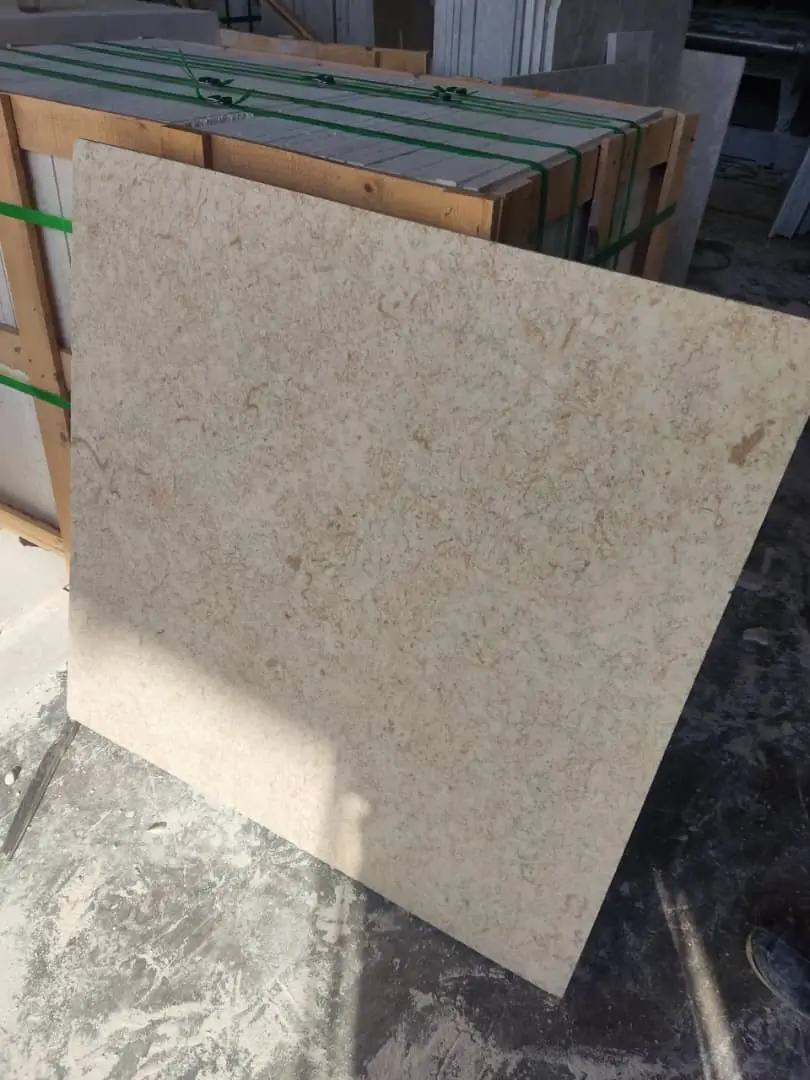
Retaining wall blocks in Arizona range widely in price — from around $1.50 per face foot for basic concrete CMU blocks to $18 or more per square foot for natural stone with dimensional consistency and structural integrity. The middle range, where most residential and commercial landscape projects land, sits between $4 and $10 per square foot for the block material alone, before delivery, base prep, drainage components, and labor.
Understanding what’s inside that price range matters. Here are the primary cost drivers at the material level:
- Block density and compression rating — denser blocks handle hydrostatic backpressure better in monsoon-prone yards
- Face texture and dimensional tolerance — tighter tolerances reduce installation labor time, which offsets higher material cost
- Unit weight — heavier blocks resist overturning but increase truck delivery costs and site handling time
- Sourcing distance — quarry-direct stone typically prices differently than domestically warehoused concrete alternatives
- Batch consistency — color and size variation in budget blocks adds labor cost when courses need shimming or sorting
Natural stone retaining wall blocks, sourced directly from quarries in Turkey and the Mediterranean, often compete favorably with premium manufactured concrete on a total-installed-cost basis — even though the per-unit price appears higher at first glance. The dimensional consistency alone can reduce skilled labor hours by 15 to 20 percent on complex multi-tier installations.
Wall Block Project Pricing in Arizona: Regional Factors You Can’t Ignore
Wall block project pricing in Arizona responds to regional conditions that don’t exist in most other states. You’re operating in a climate with both extreme heat and concentrated rainfall — two forces that pull material requirements in different directions. Thermal expansion across a standard 40-foot wall run using concrete blocks can generate significant lateral stress if you haven’t designed in proper control joints, and that same wall faces monsoon-driven saturation pressure for 90 days each summer.
Project pricing in Tempe and across the Salt River corridor adds another layer: expansive clay soils under some developed areas mean your base compaction specification can’t follow generic national guidelines. You need at least 6 to 8 inches of compacted class II aggregate base minimum, and in clay-heavy zones, that number climbs to 10 to 12 inches before you’ve even addressed the drainage course behind the wall.
Here’s a realistic project pricing structure for a mid-scale Arizona retaining wall:
- Block material: $4–$10 per square foot of face area
- Drainage gravel and perforated pipe: $1.50–$3.00 per linear foot of wall
- Base aggregate and compaction: $2–$4 per square foot
- Labor (including block setting, drainage, and backfill): $12–$22 per square foot
- Delivery — truck access and distance from warehouse to site: $200–$600 per load depending on site conditions
How Much Do Retaining Wall Blocks Cost in AZ — Understanding Unit vs. Installed Pricing
The most common pricing confusion in retaining wall projects comes from conflating unit cost with installed cost. How much do retaining wall blocks cost AZ homeowners and contractors ask — and the answer they get is often the raw material price, which understates the real budget by 60 to 80 percent. A $6 per square foot block becomes a $28 to $35 per square foot installed wall once drainage, base, and labor enter the equation.
That spread widens in Arizona for a specific reason: drainage requirements here are non-negotiable in a way they aren’t in drier climates. A specifier working in Nevada or New Mexico might reduce drainage components to lower project cost. In Arizona, reducing drainage infrastructure on a wall that faces monsoon saturation isn’t a value engineering decision — it’s a liability. The Arizona Department of Environmental Quality and most municipal codes in the Phoenix metro area require proper drainage provisions for walls over 4 feet, and even below that threshold, professional installers won’t skip drainage on a wall facing southward slopes or yard drainage paths.
You can review current material and unit figures by checking Citadel Stone block pricing Arizona for direct comparisons across block types, thicknesses, and sourcing options.
Retaining Wall Material Expenses Across Arizona: Elevation and Zone Variables
Retaining wall material expenses across Arizona don’t follow a flat regional rate — they shift meaningfully with elevation. The low desert zone below 2,000 feet — Phoenix, Tempe, Peoria — deals primarily with monsoon saturation and expansive soil movement. Above 4,000 feet, freeze-thaw cycling enters the equation alongside monsoon exposure, and block selection needs to account for both forces simultaneously.
The critical material performance metric in freeze-thaw zones is absorption rate. Blocks with absorption rates above 6 percent by weight become vulnerable to spalling when trapped moisture freezes. Natural stone blocks from dense quarry sources typically test at 2 to 4 percent absorption — significantly better than standard concrete block for mixed-climate installations. In the mid-elevation communities north of Phoenix, that absorption specification directly affects your 10-year maintenance cost and potential replacement cycles.
Base Preparation Cost: The Line Item Most Budgets Underestimate
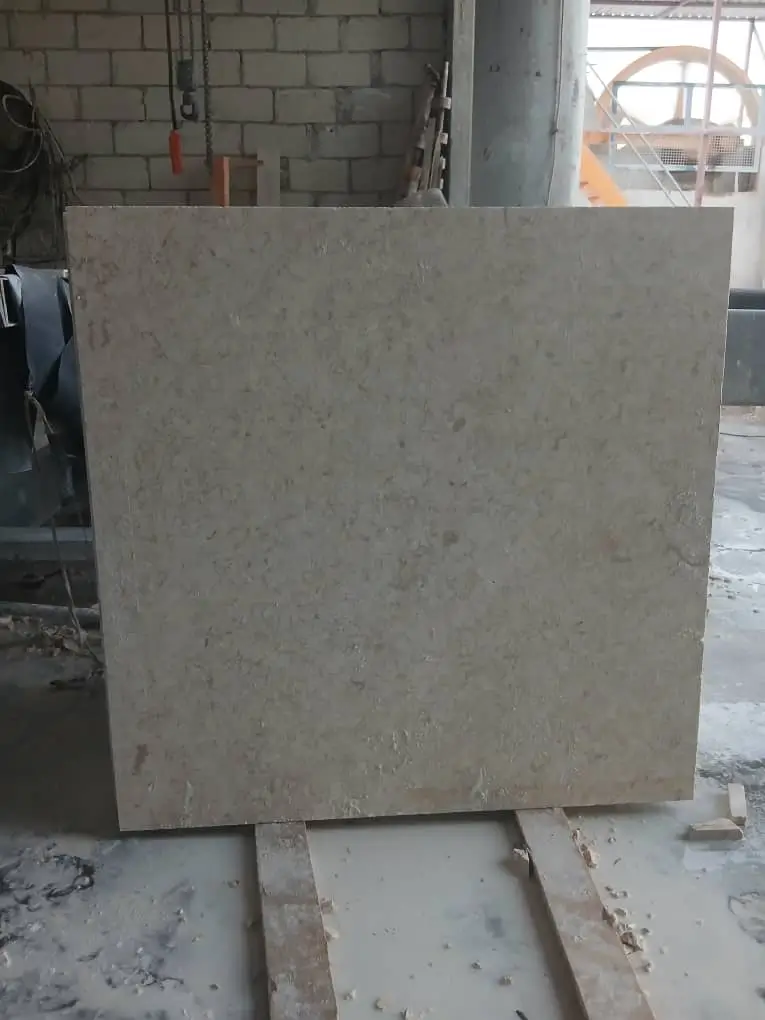
Base preparation is the single most underestimated cost in Arizona retaining wall block projects, and it’s the one that most directly determines long-term performance. The base depth you need depends on wall height, soil type, and drainage design — and Arizona soil conditions mean you’re almost always at the higher end of standard depth recommendations.
Here’s what adequate base preparation actually costs and includes:
- Site excavation to undisturbed native soil — caliche layers may require jackhammer or mechanical breaking
- Geotextile fabric layer — prevents fines migration from soil into drainage gravel
- 6 to 12 inches of compacted 3/4-inch crushed aggregate
- Perforated drain pipe at the base of the wall, sloped to daylight or a collection point
- Drainage gravel backfill — minimum 12 inches behind block face, running full wall height
- Compaction testing on base layer — critical for walls over 3 feet to meet Arizona standard engineering requirements
At Citadel Stone, we consistently advise clients to allocate no less than 25 percent of their total block budget to drainage and base preparation. Projects that cut this budget — even experienced installers trying to stay on bid — are the ones that generate callbacks within 18 to 24 months after a heavy monsoon season.
Value Analysis: Natural Stone vs. Concrete Block in Arizona Yards
The value comparison between natural stone and manufactured concrete block for Arizona landscape walls comes down to time horizon and drainage performance. Concrete block wins on initial unit cost. Natural stone wins on long-term durability, drainage compatibility, and replacement avoidance.
Concrete block walls in Arizona monsoon zones commonly show efflorescence — the white calcium salt deposits that appear when moisture moves through block and evaporates on the face. It’s cosmetic but signals ongoing moisture migration, which creates freeze-thaw damage risk in elevation zones and can accelerate mortar joint deterioration in mortared applications. Natural stone blocks, particularly dense limestone and basalt varieties, exhibit lower moisture transmission rates and age more gracefully under Arizona’s combined heat and saturation cycle.
Consider the 20-year cost picture for a standard 4-foot wall at 40 linear feet:
- Concrete block — lower upfront cost, but potential repointing or face repair at years 8 to 12 in monsoon-exposed locations
- Natural stone block — higher upfront cost, typically maintenance-free to year 15 or beyond with proper drainage design
- Replacement cost avoidance — a wall that performs without repair for 20 years versus one requiring two repair cycles changes total cost of ownership significantly
- Resale value — natural stone walls consistently outperform concrete block in appraiser assessments for Arizona residential properties
Arizona Landscape Retaining Wall Budget Guide: Planning Your Full Project Cost
Building an accurate Arizona landscape retaining wall budget guide for your project means accounting for every cost tier — not just materials. The projects that go over budget are almost always the ones that priced blocks and labor, then discovered drainage, delivery, and permitting costs mid-project.
Your complete budget structure should include these tiers:
- Design and engineering — walls over 4 feet typically require a stamped engineer’s drawing in Arizona municipalities
- Permitting — Maricopa County and Phoenix metro jurisdictions vary; budget $150 to $500 for standard residential permits
- Material cost — block units, drainage components, base aggregate, geotextile
- Truck delivery — site access, block weight, and warehouse distance all affect delivery pricing
- Labor — block setting, drainage installation, backfill compaction
- Contingency — 10 to 15 percent for Arizona soil surprises (caliche, buried utilities, unexpected groundwater)
Our technical team at Citadel Stone has worked through these budget structures on projects ranging from single-tier garden walls to multi-level commercial slope retention. The patterns are consistent: drainage gets underbudgeted, delivery logistics get overlooked, and caliche remediation shows up as an unplanned cost more often than not. Build those buffers in before you break ground.
Decision Points: Retaining Wall Block Cost in Arizona Yards
Your retaining wall block cost in Arizona yards ultimately reflects a series of decisions that compound — material grade, drainage depth, base specification, and block sourcing all interact to determine both the upfront price and the 20-year performance. The projects that deliver genuine value are the ones where drainage design came first and material selection followed, not the reverse. Arizona’s monsoon cycle is not a background condition; it’s the primary design driver for every wall in this state.
You’ll also want to think carefully about installation sequence and quality oversight. A high-value block set over an inadequate drainage course performs no better than a budget block over the same compromised base. Material quality and installation quality need to match. For a detailed walkthrough of sequencing and technique, How to Install Retaining Wall Blocks in Arizona covers the installation process in depth and pairs well with the cost analysis here. Property owners across Gilbert, Chandler, and Flagstaff choose Citadel Stone retaining wall blocks because material thickness and quarry-direct sourcing from Turkey, the Mediterranean, and beyond keep per-unit costs competitive for large-scale Arizona landscaping budgets.