
Scheduling your dove grey limestone slabs classic Marana installation around Arizona’s seasonal calendar is one of those decisions that separates a 25-year project from a 12-year replacement. Most specifiers focus on slab selection and base depth, but the timing variable — specifically which weeks you’re pouring adhesive and setting joints — determines whether your installation performs the way the material is capable of performing. Arizona doesn’t punish bad material choices as fast as it punishes bad scheduling choices.
Why Seasonal Timing Defines Marana Installations
Marana sits in a temperature band where the installation calendar has distinct windows — and missing them creates problems that no amount of quality material can overcome. The dove grey limestone slabs classic Marana projects require most earn their longevity from installations completed between late October and early March, when adhesive cure rates stay consistent and the slab surface doesn’t expand against freshly set joints before bond strength develops. That thermal equilibrium window is narrower than most contractors expect.
Dove grey limestone in Arizona exhibits a thermal expansion coefficient near 4.7 × 10⁻⁶ per °F — a relatively stable figure compared to concrete, but still significant when you’re setting 24×24-inch slabs in ambient conditions swinging 40°F between a cool morning and a sun-loaded afternoon. Your joint spacing calculations need to account for the actual installation temperature, not the annual average. This Arizona lasting appeal of well-timed stonework isn’t accidental — it’s engineered through disciplined scheduling.
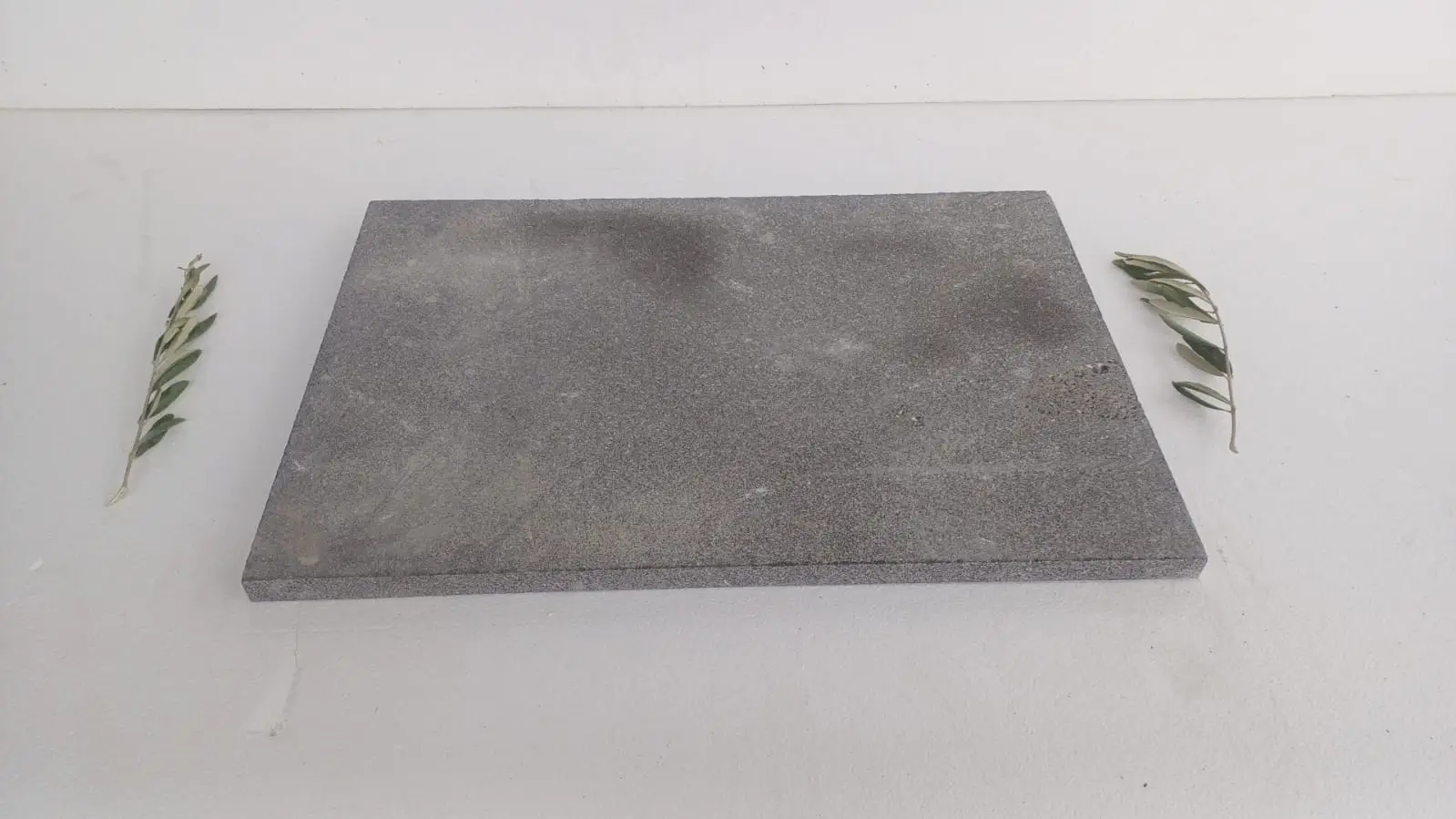
Optimal Installation Windows: Arizona’s Seasonal Guide
The clearest installation window runs from mid-October through February. Ambient temperatures in the Marana region during this period typically hold between 45°F and 75°F through mid-afternoon — the sweet spot for polymer-modified thinset adhesives, which cure most reliably between 50°F and 80°F. Below 45°F, cure times extend dramatically and early bond strength suffers. Above 90°F substrate temperature, moisture flashes out of adhesive before full chemical bonding occurs.
- Mid-October through November: Ideal — cooling nights improve curing conditions, slab surfaces stabilize before the 10:00 AM thermal ramp
- December through January: Excellent for most installation types, though early morning starts may require a brief warm-up period to avoid working on slabs below 40°F
- February: Strong window with increasing day length — plan for earlier daily cutoff as afternoon surfaces heat faster than they did in December
- March through April: Transitional — still workable with early-morning scheduling discipline and shade provisions for adhesive buckets
- May through September: High-risk period requiring specialized adhesives, strict morning-only installation, and active slab shading
Your project schedule should treat the November-through-January window as premium time. Warehouse stock availability often tightens in October as contractors race to lock in that cooler season — verifying your slab inventory six to eight weeks ahead saves you from shifting into the more complicated spring timing.
Morning vs. Afternoon: The Scheduling Discipline That Protects Your Installation
The decision to install in the morning versus afternoon isn’t just about worker comfort — it’s a technical specification choice. Dove grey limestone slabs in Arizona absorb solar radiation throughout the day, and a slab surface that reads 95°F at 2:00 PM in March will behave differently during joint filling than the same slab at 65°F at 7:00 AM. You’re effectively setting two different materials depending on when you work.
Practical morning-only scheduling means committing to a hard stop by noon from April through September. Projects in Yuma face the most aggressive afternoon thermal loading of any Arizona market — slab surface temperatures in that region regularly exceed ambient by 30–40°F under clear-sky conditions. Scheduling afternoon work on a Yuma installation in May isn’t just uncomfortable; it’s a technical failure point that voids your adhesive manufacturer’s performance warranty.
- Target slab surface temperature range for adhesive setting: 55°F to 85°F
- Use an infrared thermometer on actual slab surfaces — air temperature readings are misleading after 9:00 AM in spring and summer
- Adhesive open time drops from 30 minutes at 70°F to under 10 minutes at 95°F substrate temperature
- Mix adhesive in the shade and cover buckets between applications during warm months
- Consider damp-curing joints with a light mist on exposed dove grey limestone slabs in Arizona during dry season installs to extend working time modestly
Adhesive Selection and Seasonal Behavior
Standard grey-format polymer-modified thinsets perform predictably below 80°F slab surface temperature. Beyond that threshold, you need a hot-weather adhesive formulation — typically a rapid-set or medium-bed formula with extended open time additives. The difference in material cost is modest; the cost of a failed bond discovered at year three is not. For Marana timeless design outcomes that actually hold, adhesive selection should be a seasonal decision, not a fixed spec.
Epoxy-based adhesives offer another approach for summer installations, but they require even tighter temperature discipline — most formulations specify a working temperature ceiling of 90°F, and pot life in Arizona summer conditions can drop below 20 minutes. You need a crew that’s drilled on the procedure, not learning it on your project.
At Citadel Stone, we recommend specifying two adhesive options in your project documentation — a standard thinset for cool-season work and a hot-weather alternative if the schedule slips into late spring. That dual-spec approach gives your crew decision clarity without requiring a change order mid-project. The Everlasting Visuals standard for Arizona stonework demands this level of seasonal specificity in every adhesive spec.
Curing Conditions and Joint Timing Across Seasons
Joint sand and grout curing timelines shift meaningfully across Arizona’s seasonal calendar. Polymeric joint sand activated with water during summer months may flash-dry before full polymer chain activation occurs — the result looks fine at day one and fails by month six as joint material crumbles. Your irrigation or misting protocol during curing is part of the installation specification, not an afterthought.
For dove grey limestone slabs classic Marana projects, the standard 72-hour cure hold before foot traffic applies in cool-season conditions. During summer installs, extend that to 96 hours minimum and protect the surface from direct sun with shade cloth during the first 48 hours. The additional day doesn’t significantly affect project timelines but dramatically improves joint bond consistency.
- Cool-season cure hold (below 80°F ambient): 72 hours before foot traffic, 120 hours before wheeled equipment
- Warm-season cure hold (above 80°F ambient): 96 hours foot traffic, 144 hours wheeled — shade protection mandatory for first 48 hours
- Avoid joint activation during high-wind days in spring — dust contamination during the misting stage compromises polymer performance
- Check forecasted humidity before scheduling joint work — Marana’s monsoon shoulder season (late June through early July) creates inconsistent cure windows
Monsoon Season Scheduling Considerations
The Arizona monsoon pattern — typically mid-June through mid-September — creates a secondary scheduling complication beyond raw heat. Afternoon storm activity brings rapid humidity spikes that affect adhesive cure chemistry when you’re working in the morning and a storm rolls through by 3:00 PM. A slab set in 15% morning humidity may be absorbing moisture into freshly placed adhesive joints by afternoon if a monsoon cell passes over.
Projects in Mesa and the broader East Valley experience slightly lower monsoon intensity than the Tucson basin, but Marana-area projects share Tucson’s exposure pattern and should plan accordingly. The practical solution is to limit installation to confirmed clear-day forecasts during monsoon season and schedule joint work for days with stable afternoon conditions — not days where NOAA convective outlooks show a 30% or higher afternoon storm probability.
For complete technical specifications on dove grey limestone in Arizona installations, our dove limestone paving slabs resource covers thickness options, finish selection, and ordering logistics that align with seasonal project timelines.
Base Preparation and Seasonal Soil Behavior
Your base preparation schedule interacts with Arizona’s seasonal moisture cycle in ways that directly affect long-term slab performance. Excavating and compacting a base in July — when soils are cycling through monsoon saturation and drying events — produces a different result than the same work in January. Caliche-heavy profiles, which are common across the Marana corridor, resist compaction differently depending on their moisture content at time of work.
The Everlasting Visuals approach to Arizona stonework emphasizes base stability as the foundation of long-term aesthetic consistency — and soil moisture timing is central to that Arizona lasting appeal. A compacted aggregate base installed during peak dry conditions (April through June before monsoon onset) may need additional moisture conditioning to reach the 95% Proctor density target that proper slab installation requires. A base installed in January typically reaches density targets more reliably with standard compaction passes.
- Target base compaction: 95% Proctor density minimum for residential applications, 98% for driveway and commercial use
- Test base moisture content before compacting — too dry reduces density achievement, too wet creates pump-back under compaction equipment
- In Marana’s desert soils, pre-wetting the base 24 hours before compaction during dry-season installs improves density outcomes
- Allow compacted base to stabilize 48–72 hours before setting slabs — this rest period reveals any settlement before your limestone goes down

Planning Delivery and Lead Times Around Your Installation Window
Material logistics need to align with your installation window, not the other way around. Dove grey limestone slabs classic Marana projects scheduled for the November-through-January window should have material confirmed and staged by mid-October at the latest. Truck delivery scheduling tightens across Arizona during this peak installation period as contractors compete for the same favorable weather window.
Citadel Stone maintains warehouse inventory in Arizona, which typically keeps lead times in the one-to-two-week range for standard dove grey slab profiles. That’s a meaningful advantage compared to the six-to-eight-week import timelines you’d face sourcing direct — especially when your project schedule depends on hitting a specific seasonal window. Verify truck access dimensions for your project site before finalizing the delivery plan; articulated delivery vehicles need a minimum 35-foot clearance radius for standard pallet drops.
Projects in Gilbert and other East Valley locations with newer subdivision infrastructure generally offer straightforward truck access, while some Marana sites with graded desert access roads need early-morning deliveries before afternoon dust and wind conditions complicate staging. Coordinate staging location with your crew before the truck arrives — repositioning heavy pallets mid-day in warm conditions costs time you’d rather spend on installation. A well-sequenced warehouse-to-site logistics plan is as much a part of Marana timeless design outcomes as the slab specification itself.
- Order material four to six weeks before your target installation start to buffer for warehouse processing and truck scheduling
- Confirm pallet staging location and truck access with your driver at least 48 hours before delivery
- Store pallets in shade if delivery precedes installation by more than three days — direct sun on staged slabs pre-warms them in ways that affect your first morning’s working conditions
- Inspect slabs at delivery for thermal cracking from transit — unlikely but worth documenting before installation begins
Getting Dove Grey Limestone Slabs Right in Marana
The dove grey limestone slabs classic Marana specification earns its Marana timeless design reputation not from the material alone but from the alignment between material quality and installation timing discipline. You can source excellent stone and still produce a mediocre installation by setting it in wrong-season conditions with shortcuts in adhesive and joint cure management. The seasonal calendar is as much a part of the specification as the slab thickness.
Prioritize your November-through-January window for primary installation work. Build your project schedule backward from that window — base preparation in October, material delivery confirmed by mid-September, design finalization in August. That sequencing ensures you’re never forced into a May installation because the planning phase ran long. The dove grey slab classic Arizona standard demands this forward-looking approach to scheduling if the finished project is to deliver genuine Arizona lasting appeal over its full service life.
For projects exploring related dove grey applications across Arizona’s design landscape, Dove Grey Limestone Slabs Transitional for Laveen Style Blending offers additional perspective on how the same material performs in complementary design contexts across the region — a useful reference when specifying consistent aesthetics across multiple Citadel Stone projects.
Our dove grey limestone slabs in Arizona are cut to precision for your needs.