
Why Installation Timing Defines Your Grey Limestone Slabs Steps Peoria Project Outcome
Grey limestone slabs steps Peoria projects fail more often at the scheduling phase than at the material selection phase — and that’s a detail most homeowners and even some contractors miss entirely. Your step installation timing directly controls whether mortar bonds cure properly, whether your slab joints stay tight through the first summer, and whether the finished surface reaches its intended service life. The difference between a 25-year installation and a 12-year replacement is often measured in degrees and weeks, not product quality.
Arizona’s seasonal calendar creates clear windows where grey limestone slabs steps Peoria installations perform as specified — and stretches of time where even premium materials can’t compensate for adverse curing conditions. Understanding those windows, and planning your project around them, is the single most leverage-able decision you’ll make before a single slab is set.
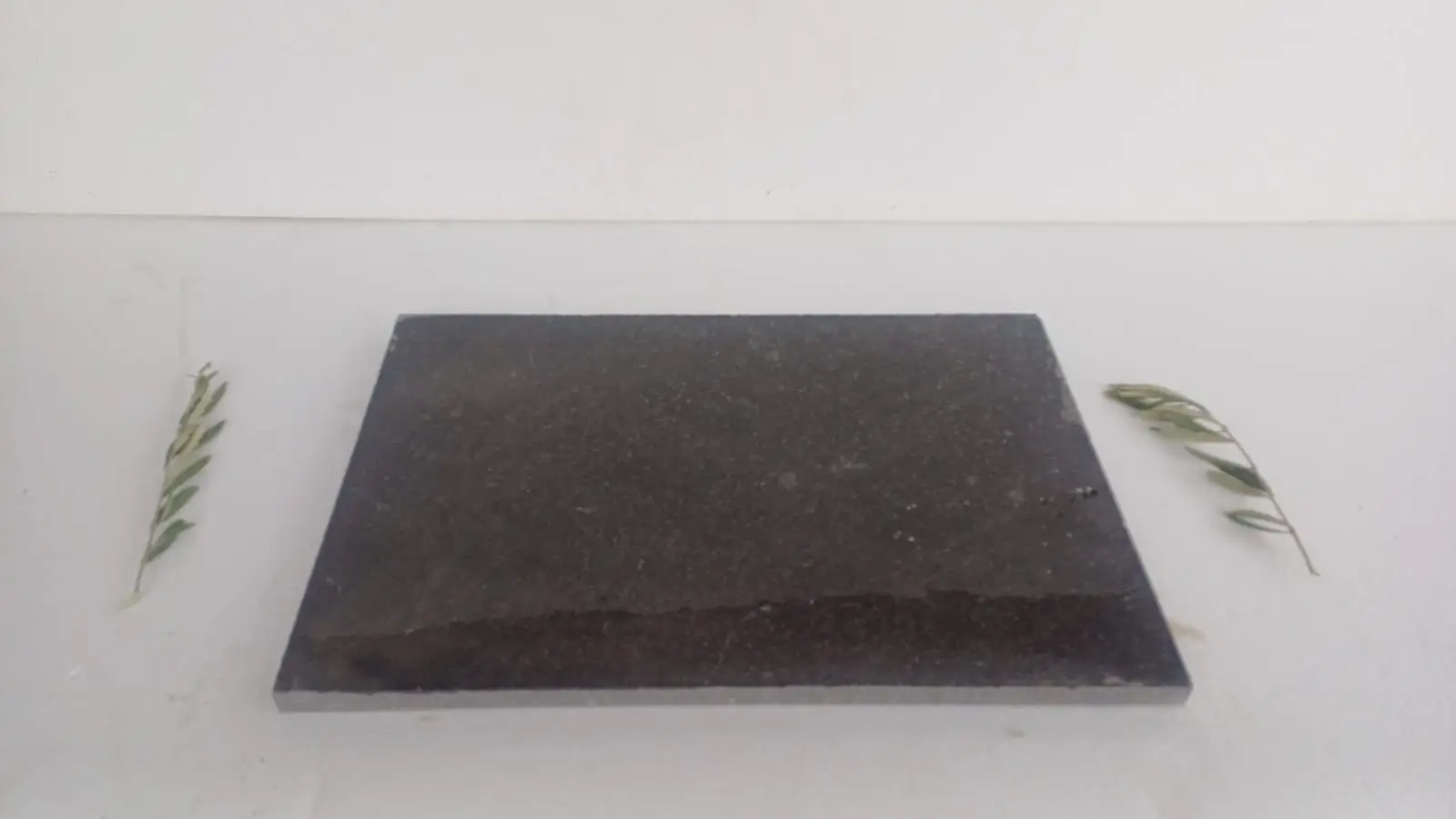
Optimal Seasonal Windows for Grey Limestone Step Installations
The practical installation calendar for grey limestone slabs in Arizona breaks into two primary productive seasons: a spring window running roughly mid-February through mid-May, and an autumn window from late September through November. Both windows share a critical characteristic — ambient temperatures during mortar application and initial cure stay between 50°F and 90°F, which is the performance range most setting mortars and polymer-modified adhesives are genuinely engineered for, not just tolerated by.
The spring window is typically the stronger of the two. Soil temperatures have moderated from winter, substrate moisture content is manageable, and the humidity levels — while still low — are less extreme than the bone-dry conditions of late spring. For Peoria elevation change projects involving multiple step risers and level transitions, this spring window also gives you longer working days with cooler morning temperatures, which matters when you’re adjusting level transitions across a 4-to-6-step run.
- Mid-February to mid-May: primary installation season, mortar works optimally, 8-10 hour productive work windows available
- Late September to November: secondary season, excellent curing conditions, soil temperatures remain stable for setting beds
- December to mid-February: viable for experienced crews with cold-weather mortar formulations, but requires heated overnight protection below 40°F
- Late May through mid-September: avoid mortar-set installations; adhesive-based dry-lay methods are the safer approach if work cannot wait
Morning vs. Afternoon Work Scheduling in Arizona
Scheduling your grey limestone steps installation as a morning-dominant operation isn’t just comfort preference — it’s a technical specification decision. Mortar open times, adhesive tack windows, and joint material workability all shorten dramatically as surface temperatures climb past 95°F, which routinely happens to south- and west-facing step installations by 10:00 a.m. from May through September. You’re not just racing the clock; you’re working against accelerating chemistry.
The practical rule for Peoria grey slab stairs Arizona projects during transitional months — March, April, October — is to target your setting bed placement between 7:00 a.m. and 11:00 a.m. This gives you the window where ambient temperature is still climbing but substrate temperatures haven’t accumulated the thermal load that compresses working time. In Mesa, west-facing step installations have measured substrate surface temperatures exceeding 140°F by early afternoon in April — a condition that flashes-off moisture from your mortar before adequate bond develops.
- Start mortar mixing at or before 7:00 a.m. to maximize working time during transitional months
- Plan your largest horizontal slab placements first — they require the most adjustment time before mortar stiffens
- Shade newly placed slabs with burlap or temporary covers if afternoon sun will hit the setting bed within 2 hours of placement
- Stop new slab setting by noon during May and September, even when ambient temperatures feel manageable
- Use extended open-time mortar formulations during April and October as a buffer, not as a workaround for midday work
Peoria Site Grading and Leveling Before Slab Placement
Peoria site grading and leveling conditions introduce a variable that your seasonal timing plan must account for before the first slab leaves the truck. The West Valley’s native caliche and expansive clay profiles mean that a graded and compacted base prepared in January can behave differently by the time your March installation date arrives — particularly if any rainfall has occurred in the interim. Verify base compaction readings within 72 hours of your scheduled mortar work, not two weeks out.
Level transitions for grey limestone step installations in this region require a minimum 4-inch compacted aggregate base for residential applications, and that aggregate spec should call for 3/4-inch crushed granite — not decomposed granite, which retains moisture inconsistently and can create isolated soft spots under individual slab corners. Your elevation change geometry also affects drainage direction, so confirm that each step’s 1/8-inch-per-foot forward pitch is maintained during base grading, not corrected with mortar fill at installation time. Correcting pitch with excess mortar beds introduces variable thickness that creates uneven thermal expansion stress across the slab surface.
How Arizona’s Seasonal Patterns Affect Grey Slab Stairs Adhesive Behavior
Adhesive behavior for grey slab stairs Arizona installations isn’t static — it shifts measurably with ambient and substrate temperature, and Peoria’s seasonal temperature swings amplify those shifts in ways that off-the-shelf product datasheets don’t fully capture. Polymer-modified thin-set mortars formulated for standard conditions have a gel time of roughly 20-25 minutes at 70°F. At 100°F substrate temperature, that same product gels in 8-10 minutes — less than half the adjustment window you’d expect.
For the spring and autumn installation windows, you have workable latitude with standard formulations. The November-to-February window introduces the opposite problem: adhesive skins over slowly, which can leave setting beds vulnerable to wind-driven dust intrusion in Peoria’s open-exposure sites. Dust contamination in a partially set mortar bed reduces bond strength by up to 40%, and it’s almost impossible to detect until slabs begin lifting 18-24 months later. The solution is straightforward — tent exposed setting beds with plastic sheeting in windy conditions, and verify bond transfer by back-buttering every slab regardless of season.
Peoria site grading and leveling quality directly affects how adhesive loads distribute across the slab base. An uneven setting bed forces point-contact bonding rather than full-coverage adhesion, compounding the seasonal performance issues described above. our limestone grey paving slabs
Arizona Vertical Movement and Joint Spacing Requirements
Arizona vertical movement in grey limestone step risers and treads is real and measurable — your specification needs to account for it explicitly rather than treating expansion joints as optional finish details. Grey limestone exhibits a thermal expansion coefficient of approximately 4.8 × 10⁻⁶ per °F, which translates to roughly 0.06 inches of movement per 10-foot run across Arizona’s common 80°F seasonal temperature differential. For a standard 48-inch step tread, that’s modest — but it accumulates at the riser-to-tread junction where two planes of movement intersect.
In Yuma, where the thermal differential between January night lows and peak summer substrate temperatures can exceed 120°F across a 12-month period, that same 48-inch tread experiences nearly 0.09 inches of calculated movement. Spec your riser-to-tread junction as a flexible joint filled with color-matched polyurethane sealant, not rigid mortar. This single specification decision is the difference between a step system that handles Arizona vertical movement gracefully over 20 years and one that develops hairline cracks at every riser junction by year five.
- Install a flexible sealant joint at every riser-to-tread intersection — never mortar this junction rigid
- Add control joints at maximum 15-foot intervals along continuous tread runs
- Allow a minimum 72-hour cure before allowing foot traffic, 7 days before heavy loads
- Verify joint sealant color match against your slab sample in natural light before committing — color shifts between wet and dry application states
Scheduling Around Peoria’s Weather Patterns Throughout the Year
Peoria’s monsoon season — running roughly July 15 through September 30 — creates a scheduling consideration that extends beyond just avoiding rain during placement. The humidity spike during monsoon events, even when no rainfall occurs at your specific site, extends mortar cure times and changes surface preparation requirements for natural stone. Grey limestone slabs steps Peoria installations scheduled in this window need an additional 24-48 hours of covered cure time before the joints are considered structurally sound.
The pre-monsoon window in June is deceptively risky. Ambient temperatures are at their worst, low humidity creates rapid moisture loss in mortar, and the temptation to work early morning only gets compressed further by the extreme solar gain on exposed step surfaces. At Citadel Stone, we recommend pulling June installations off the schedule entirely for mortar-set grey limestone step projects unless the site has full shade exposure and crews can work a strict 6:00-10:00 a.m. window. The warehouse inventory is available year-round, but delivering material for a compromised installation window serves no one’s long-term interest.
Projects that sit on east-facing elevations in Gilbert have a natural advantage — east-exposure sites reach peak solar gain by 10:00 a.m. and cool significantly by early afternoon, making split-shift installation — morning slab setting, afternoon grouting — a viable option from October through March. West-facing exposures in the same region are the exact opposite; plan all sensitive work for the first half of the day without exception.
Curing Conditions That Grey Limestone Steps Actually Require
The curing phase of your grey limestone steps installation is where most seasonal timing decisions either pay off or reveal their weaknesses. Grey limestone’s natural porosity — typically 3-8% by volume in dimensional slab material — means it absorbs moisture from the mortar bed at a rate that varies with ambient humidity and substrate temperature. In dry winter conditions below 30% relative humidity, the slab can draw moisture out of the mortar faster than the cement chemistry can develop adequate crystalline bonds.
The practical fix is misting — not soaking — the back face of each slab before placement during low-humidity months. A light surface damp condition on the limestone face that contacts the mortar bed slows initial moisture absorption by 30-40%, giving the mortar the contact time it needs to develop bond strength. This step is skipped on roughly 70% of residential projects and is responsible for more early-failure callbacks than any other single omission. Your specification should call for this explicitly, not leave it to installer judgment on the day.
- Mist the slab back face lightly before mortar contact when relative humidity falls below 35%
- Maintain shade over newly placed slabs for a minimum of 4 hours post-placement in months with ambient temperatures above 85°F
- Do not allow joint filling until the setting mortar has cured a minimum of 24 hours — 48 hours is better practice in warm conditions
- Protect from rainfall for the first 72 hours — early water intrusion disturbs cement hydration in polymer-modified mortars
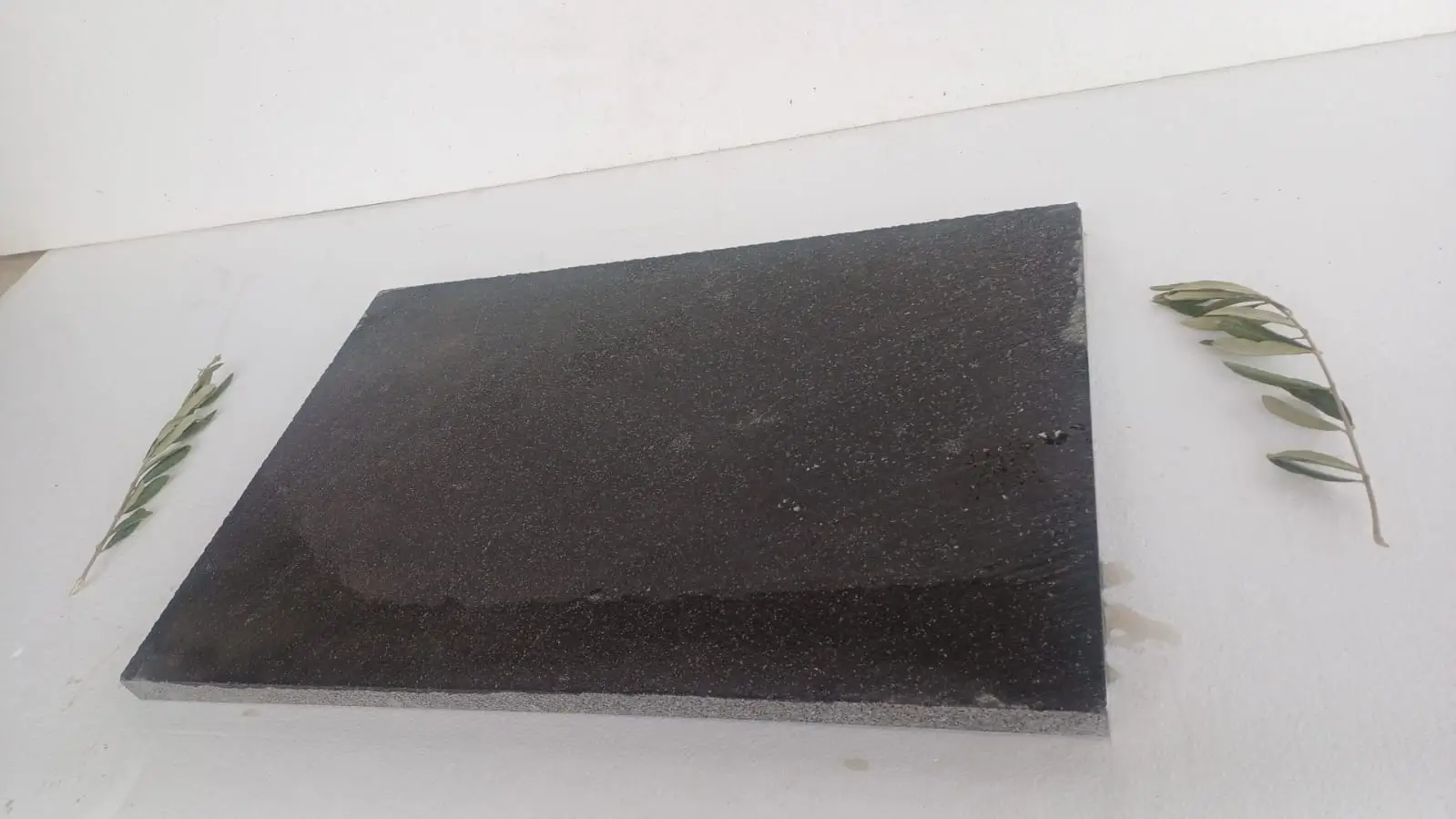
Material Selection and Thickness for Elevation Change Applications
Grey limestone slabs in Arizona for step applications should be specified at a minimum 2-inch nominal thickness for treads that span more than 36 inches between support points. Thinner material — 1.25-inch or 1.5-inch slab stock — works well for flat patio fields but doesn’t carry the cantilever loads and point-load impacts that step treads experience from daily foot traffic without developing micro-fractures at the slab edge over time. This is especially true for steps with overhanging nosings, where the unsupported limestone edge takes repeated impact loading.
Specifying a natural cleft or honed finish for step treads is the right call — both for slip resistance and for practical maintenance. Polished limestone reaches a Coefficient of Friction (COF) below 0.5 when wet, which falls short of the 0.6 minimum recommended for walking surfaces under ADA guidance. A honed or brushed finish maintains COF values of 0.65-0.75 across both wet and dry conditions, and it’s far more forgiving of the fine dust that accumulates on Peoria outdoor surfaces between cleanings. Citadel Stone warehouse stock in 2-inch grey limestone slab material is available in honed finish with typical lead times of 7-10 days for standard orders — plan your delivery around your confirmed installation window, not the other way around.
What Determines Long-Term Performance in Grey Limestone Slabs Steps Peoria Installations
Getting grey limestone slabs steps Peoria installations right comes down to respecting the seasonal variables that Arizona’s climate imposes — not fighting them with products and patience alone. The spring window from mid-February through mid-May is the single most productive period for mortar-set elevation change work, and scheduling your project to land within that window pays dividends across every subsequent phase: adhesive performance, curing completeness, joint integrity, and long-term Arizona vertical movement accommodation.
The details that separate durable step installations from early-failure ones are almost always execution decisions made before the first slab is placed: morning-dominant scheduling, base verification within 72 hours of mortar work, misting practice in low-humidity conditions, and flexible sealant at every riser-to-tread junction. These aren’t difficult specifications to write or follow — they just require that someone on your project team understands why they matter. Beyond your Peoria step project, if you’re exploring other grey limestone applications across Arizona hardscape, Grey Limestone Slabs Outdoor Kitchen for Glendale Cooking Areas covers how the same material performs in a different outdoor environment with its own set of thermal and scheduling considerations — relevant context whether you’re working across a single property or planning multiple Arizona installations. We are the limestone paving grey Arizona leaders in innovation and style.