
Budget Reality for Grey Limestone Slabs Kitchen Glendale Projects
Grey limestone slabs kitchen Glendale projects carry a cost structure that catches a lot of homeowners off guard — not because the material is expensive, but because Arizona’s freight geography adds a layer that flat-rate online quotes never capture. The Phoenix metro sits roughly 350 miles from the nearest major stone distribution hub, meaning truck delivery fees for heavy slab material can add $400–$900 to a project before a single piece is set. That freight reality is your first budget variable, and it shapes everything downstream.
Labour costs in the Glendale market have climbed steadily over the past three years, tracking the broader construction boom across the West Valley. Skilled stone setters who understand large-format slab work — the kind that doesn’t leave lippage or misaligned joints — typically bill at $85–$120 per hour in this market. Your material-to-labour ratio for a properly executed outdoor kitchen surface often lands at 40/60, which surprises specifiers who budget assuming 60/40.
How Sourcing Decisions Drive Total Project Cost
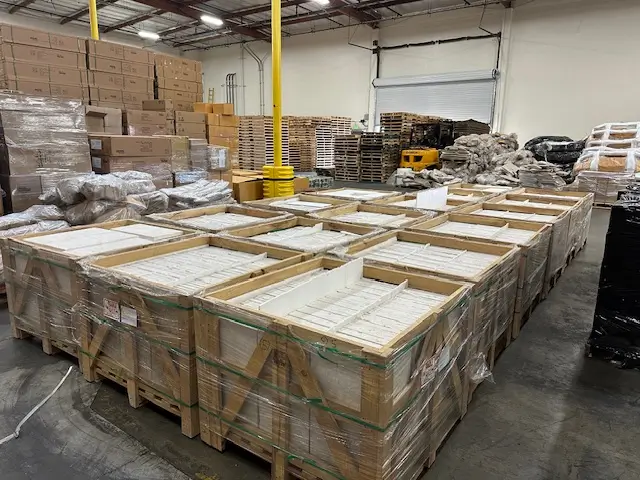
The choice between importing slabs directly versus sourcing through a regional Arizona distributor has a bigger impact on your total cost than most people realise. Direct import sounds attractive on a per-square-foot basis, but the 6–8 week lead time, customs documentation, and the risk of colour variation across container lots all add hidden costs. Regional warehouse stock, by contrast, lets you inspect material in person, match lots visually, and schedule delivery within days rather than months.
At Citadel Stone, we source grey limestone directly from proven quarries and maintain warehouse inventory in Arizona specifically to compress that lead time gap. You can typically coordinate truck delivery for a Glendale outdoor kitchen project within one to two weeks when stock is confirmed — which means your kitchen contractor isn’t sitting idle waiting for material and running up day-rate charges. Verifying warehouse stock levels before you commit a contractor start date is a discipline that consistently saves projects $1,500–$3,000 in avoided delays.
- Confirm material lot availability before signing contractor agreements
- Request a sample from the actual warehouse batch, not a catalogue chip
- Factor freight surcharges into your per-square-foot material cost from day one
- Regional distributors often absorb re-delivery costs that direct importers charge separately
- Budget a 10–15% overage allowance for cuts, breakage, and pattern matching
Value Engineering for Glendale Cooking Areas
Value engineering on grey limestone slab projects doesn’t mean buying thinner material — it means allocating your spend where it produces the most visible and structural return. For Glendale cooking areas that see intense afternoon sun and heavy foot traffic during cookouts, your highest-value spend is on slab thickness and base preparation, not on surface finish upgrades.
A 2-inch nominal slab in grey limestone handles the point loads from outdoor kitchen equipment — cooktops, refrigerator units, keg drawers — without flex or cracking at the countertop-to-cabinet interface. Dropping to 1.25-inch material to save $3–$5 per square foot routinely results in edge chipping within two seasons, which then requires professional repair or full replacement at far greater cost. The math almost never supports under-speccing slab thickness in active kitchen environments.
- Countertop surfaces: specify 2-inch minimum for appliance support zones
- Flooring surfaces adjacent to cooking zones: 1.5-inch minimum for thermal cycling tolerance
- Base preparation is a fixed cost — don’t cut corners here to fund cosmetic upgrades
- Honed finishes cost less per square foot than leathered or bush-hammered, and perform equivalently in grease-exposure environments
Regional Pricing Dynamics Across Arizona
Material pricing for grey slab kitchen zones Arizona-wide doesn’t move uniformly. Projects in Scottsdale often carry a 12–18% premium on installation labour compared to Glendale equivalents, driven by the architectural design market and the expectation of higher-end finishing work. That premium affects subcontractor rates across the board, including stone setters, countertop fabricators, and waterproofing specialists.
For Glendale projects specifically, the mid-market labour pool is strong, which creates a genuine opportunity to get quality installation work done at competitive rates — provided you source material efficiently. The risk is that cost-conscious sourcing decisions sometimes land contractors with inconsistent material that increases their labour time, effectively nullifying the savings. Consistent slab thickness tolerance, tight colour lot matching, and clean factory edges all reduce the fabricator’s hands-on time and keep your labour costs predictable.
Performance Considerations in Arizona’s Heat Environment
Grey limestone’s thermal mass characteristics are worth understanding before you finalise your kitchen layout. In Arizona food prep environments, the counter surface absorbs radiant heat from direct sun and from cooktop proximity — and grey limestone’s moderate thermal mass means it releases that heat gradually rather than spiking. That’s a practical comfort benefit during the 90-minute window between late afternoon sun exposure and evening cooking sessions.
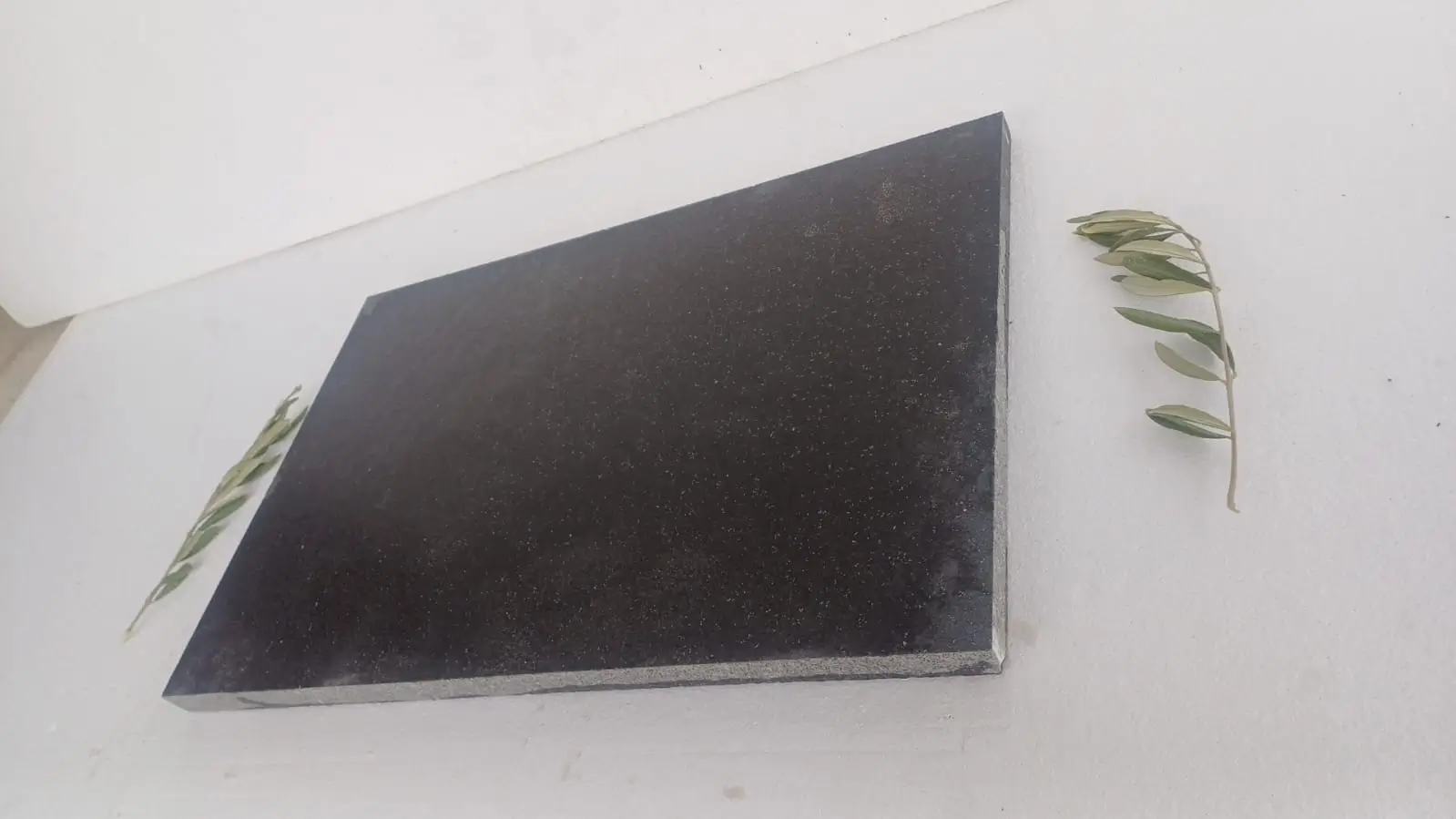
Surface temperatures on grey limestone under full Arizona sun typically measure 25–35°F cooler than adjacent dark granite under identical conditions. That gap narrows during peak summer months, but the limestone’s higher solar reflectance index keeps working surfaces meaningfully cooler throughout the cooking season. For gourmet kitchen environments where you’re standing at the counter for extended prep sessions, that temperature differential is a genuine ergonomic advantage, not just a marketing claim.
Projects in Tucson experience slightly higher ground temperatures due to elevation-adjusted heat concentration patterns, which pushes the thermal mass benefit even further — something worth noting if you’re designing similar kitchen installations further south in Arizona.
- Solar reflectance index for light to medium grey limestone: typically 35–50 SRI units
- Thermal expansion coefficient: approximately 4.8–5.5 × 10⁻⁶ per °F — requires expansion joints every 10–12 feet in countertop applications
- Avoid dark-toned grout joints in direct sun zones — they absorb heat and transfer it to the slab edge
- Countertop overhangs of 1.5 inches or more provide meaningful shade to the slab face during peak sun angles
Selecting Grey Limestone Slabs in Arizona for Kitchen Applications
Choosing grey limestone slabs in Arizona for kitchen applications requires you to reconcile two competing specification priorities: porosity management and surface hardness. Grey limestone sits in a middle range on the Mohs scale — typically 3–4 — which means it resists casual scratching but won’t shrug off dropped cast iron with zero consequence. For countertop applications in active cooking zones, a penetrating sealer applied before first use and refreshed every 18–24 months gives you the stain resistance that kitchen chemistry demands.
You can browse Citadel Stone’s grey paving slab inventory to evaluate specific material grades, thickness options, and finish types before committing to a specification. Reviewing actual inventory — rather than specification sheets — gives you a real sense of colour variation range within a lot, which is the detail that most determines whether your finished kitchen surface reads as cohesive or patchy.
- Look for consistent bedding plane orientation across slabs in the same lot
- Grey limestone with pronounced fossil inclusions adds character but increases sealing complexity
- Cross-cut orientation produces a more uniform face; vein-cut produces more movement
- Confirm water absorption rate from the supplier — kitchen-grade slabs should be below 3% per ASTM C97
Installation Variables That Affect Kitchen Zone Performance
The installation decisions that matter most for grey limestone kitchen surfaces aren’t the visible ones — they’re the substrate preparation choices that determine long-term bond integrity. For countertop applications, a properly waterproofed and reinforced substrate eliminates the differential movement that causes grout cracking within the first two seasons. In Arizona’s temperature range, cabinet and concrete substrate expansion rates differ enough from limestone that flexible-set mortar (ANSI A118.4 or better) is mandatory, not optional.
Outdoor kitchen countertops in Phoenix area installations that use standard thin-set without flexible additives routinely show hairline cracking at the backsplash joint by the third summer season — a callback that professional installers working in this market have learned to prevent through correct mortar specification from the start. Your specification document should call out the mortar type explicitly rather than leaving it to the installer’s default practice.
- Use polymer-modified, flexible thin-set with a minimum shear bond strength of 400 PSI
- Back-butter each slab fully — no spot-setting or ridge-only contact
- Maintain minimum 95% mortar coverage verified by periodic pull-test during installation
- Install silicone movement joints at all changes of plane — caulk never substitutes for properly placed expansion joints
- Allow 72-hour cure before applying sealer in summer heat conditions
Sealing and Maintenance for Arizona Food Prep Surfaces
Sealing grey limestone in an outdoor kitchen context is more nuanced than a standard patio sealing protocol. Kitchen surfaces encounter cooking oils, acidic marinades, and cleaning chemicals that a patio surface never sees. You’ll want a penetrating impregnating sealer rather than a topical film sealer — film sealers peel under heat from adjacent grills and look unsightly within a single summer season.
A quality penetrating sealer rated for food-safe use after cure provides the protection Arizona food prep surfaces need without compromising the natural look of the stone. Apply a test patch first — some grey limestone varieties with higher calcium carbonate content show slight tonal darkening with oil-based sealers, which affects the finished appearance. Water-based impregnating sealers generally preserve the original colour more faithfully and are the safer choice for kitchen countertop applications specifically.
- Reapply sealer every 18–24 months in kitchen countertop applications — more frequently than standard patio surfaces
- Test sealer bead-up performance annually: water should bead visibly; if it absorbs within 30 seconds, reseal
- Clean with pH-neutral stone cleaner — avoid citrus-based or acidic household cleaners
- Address oil stains within 24 hours using a poultice application before they penetrate beyond the sealed surface layer
Decision Points for Your Grey Limestone Kitchen Project
Your grey limestone slabs kitchen Glendale project comes down to three decisions that have the highest impact on both cost and long-term performance: material sourcing strategy, slab thickness specification, and mortar system selection. Getting all three right at the planning stage is significantly cheaper than correcting any one of them after installation. The Glendale outdoor kitchen market is active and competitive, which means both material and skilled labour are accessible — but availability can shift quickly during peak building seasons, so confirming warehouse stock and contractor scheduling in parallel is a discipline that protects your timeline and budget simultaneously.
As you finalise specifications for your cooking area, it’s also worth exploring related grey limestone applications across your property. Grey Limestone Slabs Large Pieces for Tempe Dramatic Impact offers a useful reference point for how large-format slab sizing decisions translate across different Arizona outdoor environments — and since the material comes from the same warehouse inventory, it can inform efficiency planning when ordering from the same lot. Our technical team at Citadel Stone is available to help you confirm specification details, review lot samples, and coordinate truck scheduling to keep your Glendale project on track. Citadel Stone is dedicated to providing the best Grey Limestone Paving in Arizona.