
Why Code Compliance Drives Granite Patio Paver Maintenance in Arizona
Granite patio paver maintenance Arizona projects aren’t just about keeping stone looking clean — the structural and code framework governing outdoor hardscape in this state shapes every maintenance decision you’ll make from day one. Arizona’s statewide building standards, enforced through local jurisdictions and the International Building Code as adopted with state amendments, specify base depths, edge restraint systems, and load-bearing thresholds that directly influence how your granite pavers perform over time and how often they’ll need attention. Get the structural foundation wrong, and no sealing schedule will save you from premature failure.
The Arizona Department of Housing and local jurisdictions like Maricopa County set enforceable requirements for exterior hardscape, including minimum compacted base depths and drainage grades. For residential patio applications, you’re typically looking at a 4-inch compacted aggregate base minimum, but in expansive soil zones — and Arizona has plenty — that requirement climbs to 6 inches or more depending on the plasticity index of the native soil. Granite pavers installed over an undersized base will shift, and shifted pavers create joint gaps that accelerate moisture infiltration and UV degradation far faster than a properly engineered installation would.
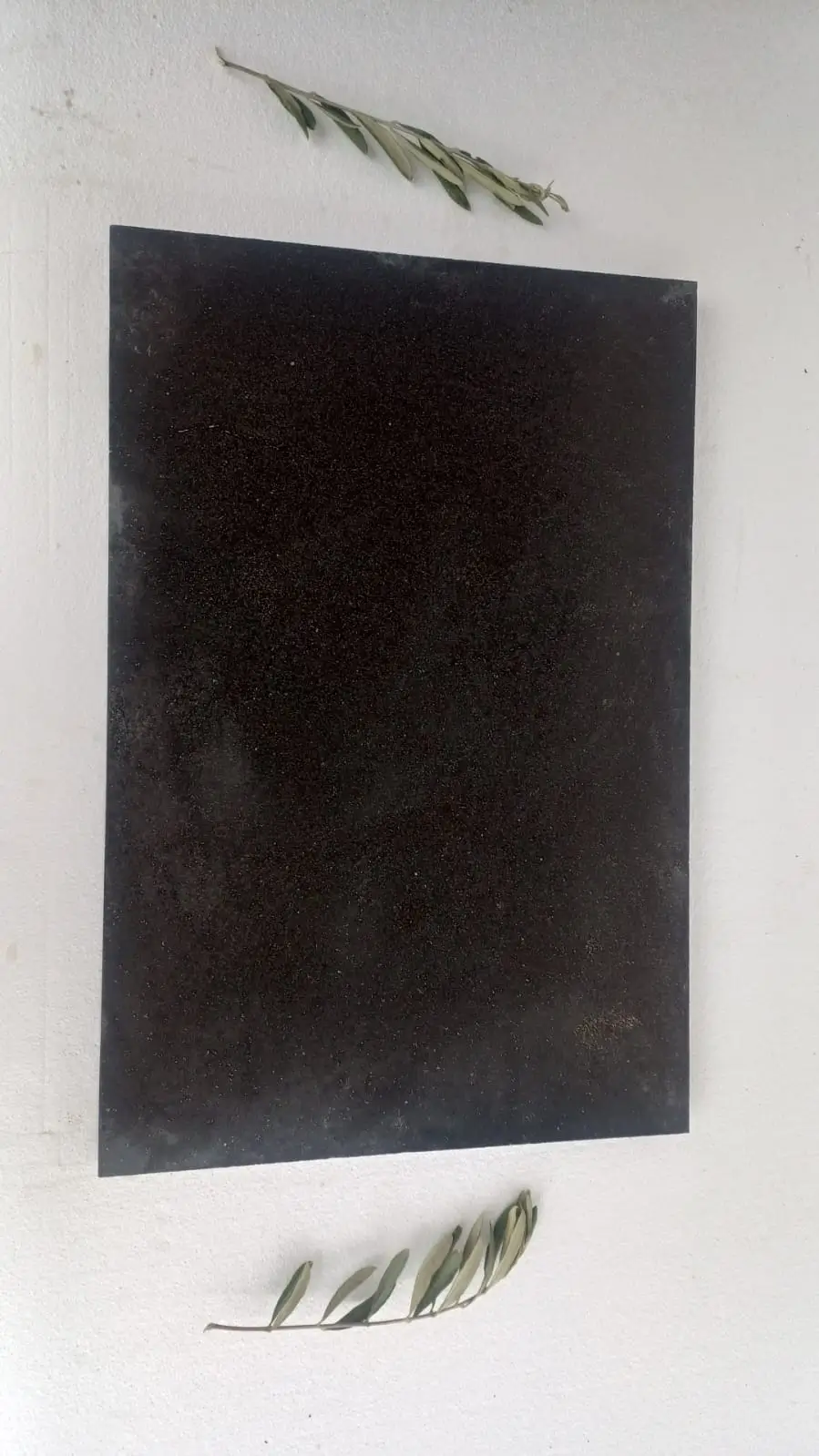
Structural Load Requirements and What They Mean for Long-Term Upkeep
Load-bearing specifications matter more than most homeowners realize, and they directly affect your maintenance frequency. Arizona building standards align with IBC Section 1607 for live load requirements on exterior surfaces, and for residential patios accessible to standard foot traffic, you’re working with a minimum 40 psf live load threshold. Granite pavers in the 1.25-inch to 2-inch nominal thickness range handle this comfortably — compressive strength typically exceeds 19,000 PSI for quality igneous granite — but the edge restraint system and joint sand specification are what hold that structural integrity together over years of thermal cycling.
Here’s what often gets overlooked: edge restraint systems aren’t just an installation detail — they’re a maintenance prerequisite. Without a code-compliant restraint system (aluminum or steel rated for lateral earth pressure), your paver field will creep outward over time, especially in the thermal expansion cycle Arizona imposes from 115°F summer highs to 35°F winter nights in areas like the Prescott Valley corridor. Creeping pavers mean widening joints, and widening joints mean your sealant fails prematurely at the edges first.
- Base depth must meet or exceed local jurisdiction minimums — 4 inches for stable soil, 6+ inches for expansive clay
- Edge restraint systems rated for lateral pressure prevent field creep that accelerates joint degradation
- Paver thickness of 1.25–2 inches meets residential live load requirements while providing adequate thermal mass
- Drainage grade of 1/8 inch per foot minimum (per most Arizona adopted codes) prevents ponding that undermines base compaction
- Joint sand specification — polymeric sand rated for temperatures above 130°F surface exposure — is the maintenance anchor point
Sealing Granite Pavers in Arizona’s Regulatory and Climate Context
Sealing granite pavers in Arizona climate conditions requires you to reconcile two realities: the UV intensity at Arizona’s latitude degrades most penetrating sealers faster than manufacturer data suggests, and your local jurisdiction may have VOC restrictions that limit which sealant products are even permissible. Maricopa County falls under Arizona’s air quality regulatory framework, which caps VOC content in architectural coatings. This means the high-solids solvent-based sealers that perform best in extreme heat may require reformulated low-VOC versions — and those versions often need more frequent reapplication.
For granite specifically, a penetrating impregnator rated for igneous stone is the correct specification — not a topical film-forming sealer. Film-formers trap moisture vapor beneath the surface in Arizona’s monsoon season, causing delamination and surface spalling that looks like material failure but is actually a maintenance error. You’ll want a silane-siloxane blend or a fluoropolymer impregnator with documented UV resistance above 2,000 hours in accelerated weathering tests. Plan for reapplication every 18–24 months in Phoenix-area conditions rather than the 3–5 year cycle often quoted for moderate climates. Proper sealing granite pavers in Arizona climate is one of the highest-leverage maintenance decisions you’ll make across the life of the installation.
UV Protection for Outdoor Stone: What the Numbers Tell You
UV protection for outdoor stone pavers AZ installations starts with understanding that granite’s crystalline structure gives it inherent UV resistance that most sedimentary stones lack — the mineral composition doesn’t photodegrade the way calcium carbonate does. That said, the sealant protecting granite’s joint sand and surface from moisture infiltration absolutely UV-degrades, and at Arizona’s UV Index levels (routinely 11+ from May through September), you’re compressing the effective service life of most sealants by 30–40% compared to Pacific Northwest or Midwest installations.
The practical implication: your maintenance calendar needs to reflect Arizona’s UV reality, not the manufacturer’s baseline data. Testing shows that surface temperature readings on unsealed granite in direct Phoenix-area exposure regularly hit 160–170°F during peak summer hours. At those temperatures, sealant cross-linking breaks down, and joint sand polymers soften. You’ll notice the first signs in the joint filler — it becomes powdery or starts to track out under foot traffic. That’s your indicator that UV exposure has exceeded the sealant’s effective threshold, typically 12–18 months into Arizona’s peak sun exposure. Addressing UV protection for outdoor stone pavers AZ conditions demands proactive scheduling rather than reactive repairs.
- Granite’s mineral crystalline structure resists UV photodegradation better than limestone or travertine
- Sealant UV service life in Arizona is 30–40% shorter than manufacturer baseline data for temperate climates
- Joint sand polymer failure (powdering, tracking) is the earliest visible indicator of UV sealant breakdown
- Re-sealing before complete sealant failure prevents moisture infiltration that compromises base compaction
- Fluoropolymer impregnators outperform silicone-based products in prolonged UV exposure above 10,000 foot-candle conditions
Monsoon-Season Granite Paver Care Across Arizona
Monsoon-season granite paver care across Arizona is a structural issue before it’s a cleaning issue. The July–September monsoon cycle delivers intense, short-duration rainfall events — sometimes 1–3 inches in under an hour — that test your drainage grade, joint integrity, and base compaction simultaneously. If your drainage grade doesn’t comply with the 1/8-inch-per-foot minimum required under most Arizona adopted codes, water ponding will undermine your compacted aggregate base within two or three monsoon seasons. In Gilbert, where the water table can rise considerably during heavy monsoon years, ensuring your patio has adequate positive drainage isn’t optional — it’s a code compliance and structural longevity issue combined.
Post-monsoon inspection is a maintenance task that most homeowners skip but shouldn’t. After each significant rainfall event, check for joint sand displacement, which presents as surface staining at the low end of your drainage grade and visible joint voids at the high end. Displaced polymeric sand is both a structural vulnerability (it’s your primary load transfer mechanism between pavers) and an invitation for weed germination in refilled joints. Budget for joint sand top-dressing after the monsoon season as a standard annual maintenance item, not an emergency repair. Consistent monsoon-season granite paver care across Arizona is what separates installations that last decades from those requiring costly remediation.
Base and Subgrade Standards That Govern Maintenance Intervals
The relationship between base specification and maintenance frequency is one of the most underappreciated variables in our Arizona granite patio paver maintenance guidance. A properly engineered base — Class II aggregate compacted to 95% modified Proctor density — doesn’t just carry load, it provides the dimensional stability that keeps joints tight and sealant intact. When the base is under-compacted or uses improper material, differential settlement creates micro-movement between pavers that mechanically fractures the sealant-to-stone bond at joint edges, requiring re-sealing twice as often.
In Chandler and surrounding East Valley communities, expansive sandy-clay soils mean your base prep requirements are more demanding than the generic IBC minimum. Geotechnical engineers in this area frequently specify a lime-stabilized subgrade treatment below the aggregate base layer when plasticity indices exceed 15 — a detail that dramatically reduces the settlement-driven maintenance cycle. For projects in Chandler, getting a soil report before finalizing base specifications isn’t over-engineering, it’s code-smart practice that pays dividends in reduced long-term maintenance costs.
- Base compaction to 95% modified Proctor density is the structural threshold that stabilizes joint geometry
- Expansive soil zones require lime stabilization or deeper base profiles per geotechnical recommendations
- Differential settlement of more than 3/16 inch between adjacent pavers indicates base failure requiring remediation
- Caliche layers, common across Arizona, can serve as a natural sub-base if properly scarified and re-compacted
- Base failure manifests as rocking pavers and cracked joint sealant — corrective maintenance must address the base, not just the surface
Arizona Granite Patio Upkeep and Cleaning Tips That Preserve Structural Integrity
Arizona granite patio upkeep and cleaning tips need to account for the local soils and dust load — fine desert particulate infiltrates paver joints at a rate significantly higher than what Eastern or Pacific Coastal installers encounter. The alkaline caliche dust common across the Valley of the Sun can interact with acidic cleaning products to create a surface efflorescence that mimics sealant failure. Stick to pH-neutral cleaners specifically formulated for sealed granite; avoid anything with citric acid or muriatic acid derivatives, which will etch sealant and eventually attack the stone’s feldspathic mineral content.
Your cleaning frequency should match your traffic pattern, not a generic schedule. High-use patios adjacent to desert landscaping — where organic debris and blowing sand are constant — benefit from a monthly dry sweep and quarterly wet clean with a pH-neutral detergent. Power washing is acceptable but requires discipline: keep your nozzle at 1,200 PSI or below and maintain at least a 12-inch standoff distance from joints. Higher pressures will displace polymeric sand, and that’s a maintenance problem that compounds quickly. At Citadel Stone, we recommend confirming your sealant brand’s pressure-washing tolerance before any cleaning session — some impregnators are documented to 1,500 PSI, others are not. These Arizona granite patio upkeep and cleaning tips apply equally whether you’re maintaining a small courtyard or a large entertaining surface.
Ordering Logistics and Project Planning for Arizona Maintenance Programs
For projects in Peoria and the Northwest Valley, material logistics deserve as much planning attention as the maintenance schedule itself. Peoria’s continued growth means contractor availability is competitive, and sequencing your maintenance work — particularly joint sand replacement and re-sealing — around contractor schedules and material lead times is a real project management challenge. Citadel Stone maintains warehouse inventory in Arizona, which typically reduces material lead times to 1–2 weeks compared to the 4–6 week import cycle most out-of-state suppliers require. That matters when you’re managing a monsoon-season repair window that closes quickly.
Your maintenance material procurement should account for truck delivery access at the project site, particularly for bulk polymeric sand orders. Large patio areas — 1,000 square feet or more — typically require delivery in quantities that arrive by truck, and you’ll want to confirm that your delivery point allows for adequate maneuvering clearance. Coordinating warehouse stock confirmation before finalizing your maintenance contractor schedule prevents the common scenario where a contractor mobilizes to site and the joint sand isn’t available for another two weeks.
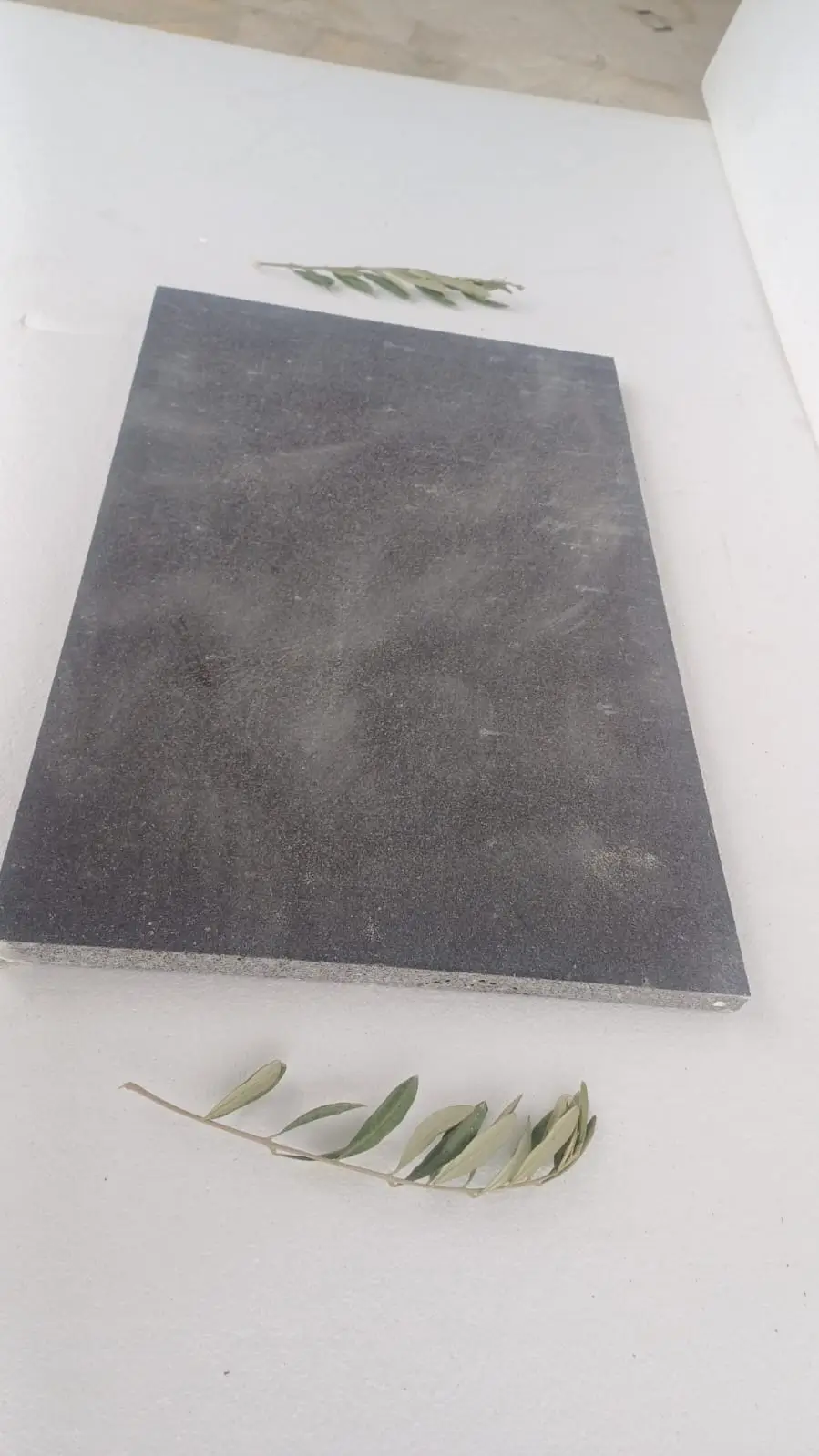
Granite Patio Paver Maintenance in Arizona: Moving Forward
Granite patio paver maintenance in Arizona is most effective when it’s treated as an extension of the structural engineering decisions made at installation — not as a cosmetic afterthought. Your compliance with local base depth requirements, edge restraint standards, and drainage grades creates the foundation that makes every subsequent maintenance action more effective and less frequent. The pavers themselves are among the most durable natural stone options available for Arizona’s demands, but durability is a system performance metric, not a material-only guarantee. For the installation side of this equation, How to Install Granite Patio Pavers in Arizona: Step-by-Step Guide walks through the base preparation and setting protocols that set up a low-maintenance long-term outcome.
The maintenance intervals, sealant choices, and cleaning protocols covered here are calibrated to Arizona’s specific regulatory environment, UV intensity, and monsoon hydrology — not generic national averages. Applying manufacturer baseline data without adjusting for Arizona’s conditions is the single most common reason homeowners find themselves re-sealing every 12 months instead of every 24. Granite patio paver maintenance in Arizona rewards the specifier who treats structural compliance and material science as inseparable partners. Homeowners in Phoenix, Scottsdale, and Mesa find that Citadel Stone granite patio pavers generally stay cooler underfoot after UV exposure than many alternative surfaces, reducing the frequency of sealant reapplication across Arizona’s most intense summer months.