
Ground conditions in Arizona determine whether your granite patio lasts two decades or starts rocking loose within five years — and that reality hits harder than any surface-temperature reading. Installing granite patio pavers in Arizona demands a foundation strategy built around the state’s notoriously unpredictable subgrade, where expansive soils, caliche hardpan, and fine desert sands can each sabotage even premium stone if your base prep doesn’t account for what’s happening three feet below grade. Get the soil analysis right first, and the rest of the installation falls into a logical sequence. Skip it, and you’re patching settlement cracks before the first monsoon season is over.
Understanding Arizona Soil Before You Break Ground
The single most underestimated factor in dry-set granite paving methods AZ homeowners use is the variability of what’s actually under the native soil surface. Arizona’s ground doesn’t behave like a uniform substrate — it shifts between caliche formations, expansive clay lenses, and free-draining sandy loam sometimes within the same backyard. Your installation strategy needs to respond to what you find during excavation, not to what a generic installation guide assumes.
Caliche deserves special attention here. That white, calcium carbonate-cemented layer shows up commonly across the Phoenix metro and low desert elevations, and it’s both a problem and an opportunity. The problem: caliche is nearly impermeable, which traps water above it and creates hydrostatic pressure that can heave pavers during monsoon events. The opportunity: a well-identified caliche layer, properly scarified and leveled, can actually function as an excellent structural sub-base that reduces your compacted aggregate depth requirements by two to three inches.
- Caliche hardpan typically appears between 12 and 36 inches below grade in low-desert zones
- Expansive clay soils are more common at higher elevations and in areas with historical agricultural use
- Sandy loam native soil drains well but requires mechanical compaction to 95% Proctor density before accepting aggregate base
- Conduct a simple jar test on excavated soil — clay-heavy material will separate into distinct layers after 24 hours of settling
Projects in Yuma frequently encounter extremely fine alluvial sand at grade, which feels stable when dry but loses bearing capacity when saturated. In these conditions, you’ll want to add a geotextile fabric layer below your aggregate base to prevent fine-particle migration upward into your compacted base over time. That fabric costs less than a single pallet of granite but extends installation life significantly.
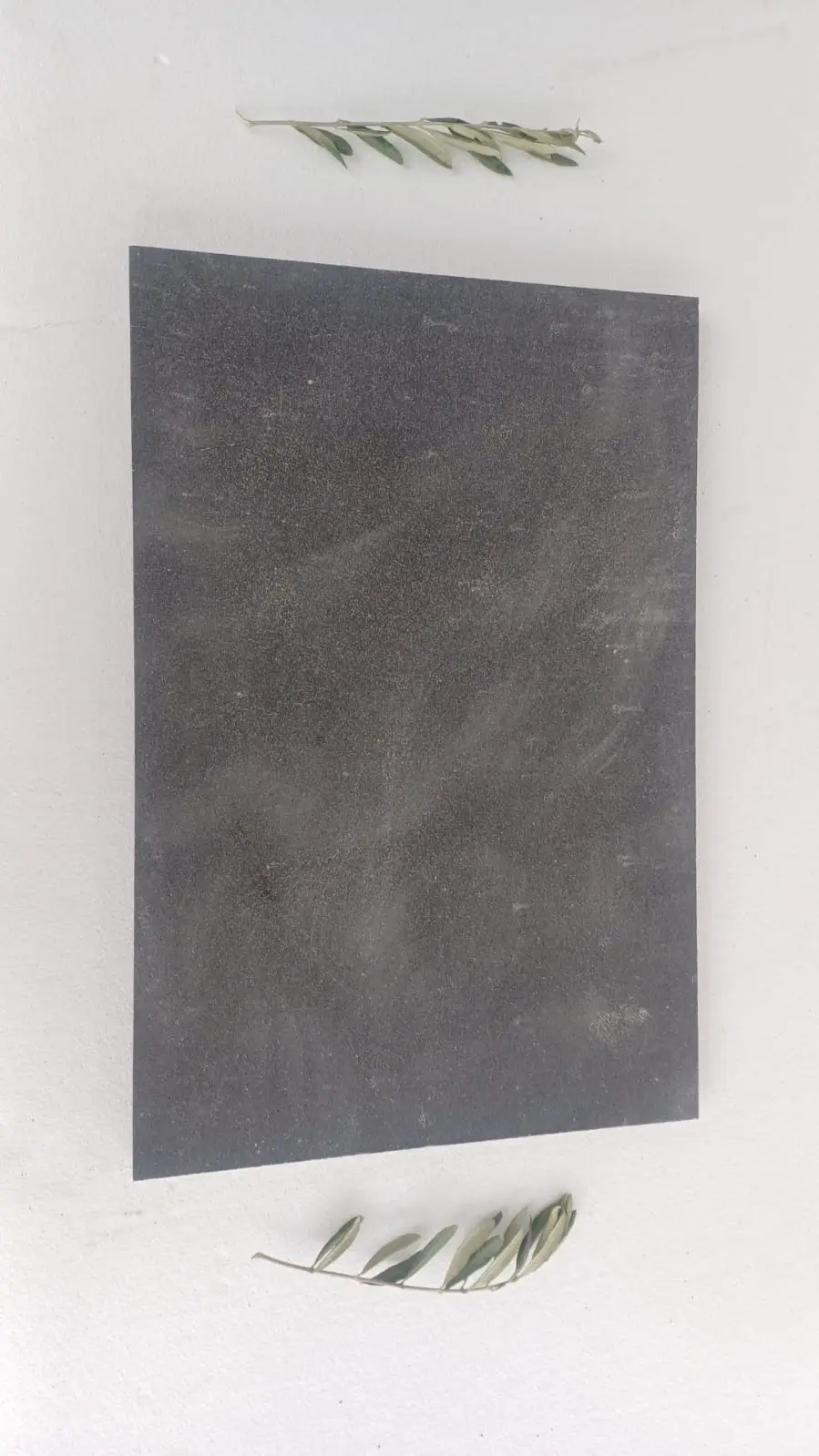
Excavation and Subgrade Preparation
Your excavation depth isn’t a fixed number — it’s a calculation. Start with your finished paver surface elevation and work downward: paver thickness (typically 1.25 to 2 inches for granite), bedding sand layer (1 inch compacted), and compacted aggregate base. The aggregate base depth is where soil conditions drive the decision. For stable sandy loam or confirmed caliche sub-base, 4 inches of compacted 3/4-inch crushed aggregate is often sufficient for residential foot traffic. For expansive clay or soft fill material, you’re looking at 6 to 8 inches minimum.
- Over-excavate by 2 inches if you encounter any soft spots, fill with crushed aggregate, and re-compact before continuing
- Scarify caliche at least 3 inches deep where water drainage is a concern — impermeable layers must be broken to prevent ponding
- Set your sub-base grade to slope at least 1/8 inch per linear foot away from structures
- Compact native soil to minimum 90% Proctor density before placing aggregate — never place base material on uncompacted native ground
For outdoor stone paver installation steps across Arizona, the compaction stage is where most DIY projects fail. A vibrating plate compactor is non-negotiable — hand tamping simply doesn’t achieve the density needed to resist the differential settlement Arizona’s thermal cycling and monsoon saturation create together. Compact your aggregate base in maximum 3-inch lifts, testing firmness before adding the next layer.
Granite Paver Base Preparation in Arizona: The Numbers That Matter
Granite’s compressive strength — typically between 15,000 and 25,000 PSI depending on quarry source — is more than adequate for any residential or light commercial patio application. Granite paver base preparation in Arizona has to match that material strength with equivalent subgrade stability, or you’re just putting a high-performance material on an inadequate foundation.
The bedding layer sitting directly below your granite pavers deserves precision. Use coarse concrete sand (ASTM C33 compliant) screeded to a consistent 1-inch depth. Avoid fine masonry sand — it migrates under load and creates voids that allow individual pavers to rock. Screed rails set at your finished grade minus paver thickness give you the consistency you need, especially when you’re running long runs across a patio.
- Screen bedding sand to exactly 1 inch after final screed — don’t rely on compaction to correct over-screeded areas
- Keep screeded sand sections covered with plastic in summer if you’re working in sections — direct sun desiccates the surface and creates inconsistency
- Never wet the bedding sand layer to make screeding easier — moisture in the sand layer before paver placement compromises compaction after setting
- Allow your compacted aggregate base to cure a minimum of 24 hours after final compaction pass before screeding bedding sand
At Citadel Stone, we recommend confirming your base aggregate gradation before ordering — the difference between a well-graded 3/4-inch minus crushed aggregate and a single-size aggregate matters significantly for drainage and compaction performance in Arizona’s monsoon season. Outdoor stone paver installation steps across Arizona benefit from this pre-order verification more than almost any other preparation step.
Selecting the Right Granite Pavers for Arizona Conditions
Granite patio pavers in Arizona perform across a thermal range that can exceed 100°F between winter nights and summer afternoons. The material’s low porosity — typically 0.5 to 1.5% water absorption by weight — means moisture intrusion and freeze-thaw spalling aren’t primary concerns at low elevations. What matters more is surface finish selection relative to slip resistance and thermal retention.
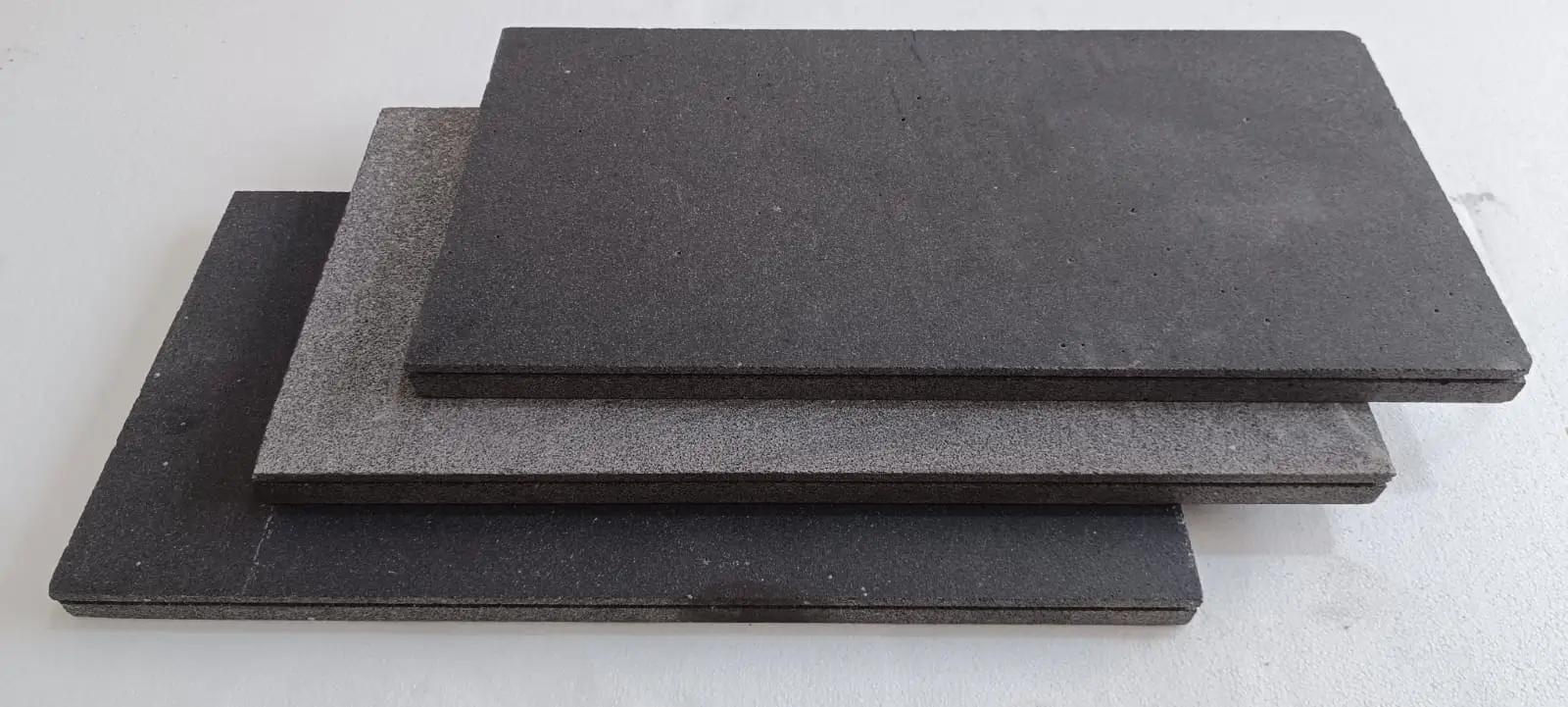
Flamed or brushed granite finishes outperform polished surfaces for exterior patio use in Arizona. The mechanical texture increases the coefficient of friction — you’re targeting a wet DCOF above 0.42 per ANSI A137.1 — and reduces the heat absorption that makes polished dark granite uncomfortable barefoot in July. Lighter granite varieties with higher quartz content also reflect more solar radiation, which matters if your patio gets direct afternoon sun during the summer peak.
- Flamed finish: excellent slip resistance, moderate heat retention, hides surface scratches well
- Brushed or sandblasted finish: good texture, slightly lower durability than flamed but excellent aesthetic variation
- Polished finish: avoid for exterior patios — slip hazard when wet and significant heat buildup in direct sun
- Standard residential thickness ranges from 1.25 inches to 2 inches — thicker pavers provide better spanning over minor base inconsistencies
Installing granite patio pavers in Arizona also benefits from consistent nominal thickness across a pallet. Thickness variation greater than 3/16 inch creates lippage problems in dry-set installations, requiring you to hand-adjust individual bedding sand depths paver by paver — which adds hours to a large project and introduces consistency issues. Our warehouse quality checks include thickness verification at receiving, so you’re not discovering variation problems at the job site.
Dry-Set Installation Method for Arizona Granite Patios
Dry-set installation is the right method for granite patio pavers in most Arizona residential applications. Mortared installations introduce rigidity that works against Arizona’s soil dynamics — when the subgrade moves seasonally, mortar joints crack rather than accommodate. The dry-set granite paving methods AZ contractors rely on allow micro-movement between pavers without visible damage, and the approach is fully repairable: a settled section can be lifted, the bedding sand re-leveled, and the pavers reset without disturbing the surrounding field.
Laying sequence matters for achieving a flat plane. Start from a fixed reference edge — typically a structure wall or permanently set border restraint — and work outward in one direction. Don’t work from two directions toward a center, which forces you to cut a closing row under tension. Use a string line set at finished surface height and check every three to four pavers with a 4-foot level, looking for both individual lippage and cumulative plane drift.
- Set a stable starting edge using concrete edge restraints secured with 12-inch spikes at 12-inch intervals
- Maintain a 1/16-inch to 1/8-inch gap between pavers for joint sand infiltration
- Use a rubber mallet, not a steel hammer, to seat pavers — excessive impact fractures the bedding surface and creates voids
- Check for rocking on every paver before moving to the next row — a paver that rocks on placement will only get worse under traffic
- Cut pavers at the perimeter with a diamond-blade wet saw, not a dry cut — dust control and cut quality both improve significantly
For the specific approach to Citadel Stone Arizona patio paver installation, matching your granite paver grade to your expected traffic load and subgrade conditions is the first decision that determines everything downstream.
Joint Sand, Compaction, and Finishing
Polymeric sand has become the standard for granite patio joint filling in Arizona, and for good reason — the polymer-activated binders resist the ant activity and wind erosion that makes conventional joint sand a maintenance cycle rather than a one-time installation. Choose a polymeric sand rated for joint widths matching your installation: products rated for 1/16-inch to 1/2-inch joints cover most granite dry-set applications.
Spread polymeric sand dry across the surface and sweep it into joints in multiple passes. The goal is 95% joint fill depth — leaving the top 1/8 inch unfilled prevents polymeric sand from staining the paver surface during activation. Compact the field with a plate compactor equipped with a rubber pad protector after the first sweep to settle the field and open joints slightly for additional fill.
- Sweep polymeric sand in at least three passes, compacting between passes two and three
- Blow off excess sand completely before activating with water — residual surface sand activated in place creates permanent staining on granite
- Apply water in a gentle mist, not a hard stream — excessive water pressure disturbs the joint fill before it activates
- Allow 24 hours of cure time before foot traffic and 72 hours before furniture placement
In Sedona, where red iron-oxide soil is ubiquitous, polymeric sand color selection becomes a design decision too — a sand color matched to the local soil reads as intentional rather than a maintenance issue when fine dust settles into joints over time.
Drainage and Slope Management Across Arizona Terrain
Arizona’s monsoon season delivers rainfall intensities that can exceed 3 inches per hour in short events — and your patio drainage design needs to handle that peak load, not just the annual average. Surface slope alone rarely handles monsoon runoff adequately for patios larger than 400 square feet. Think carefully about where water goes at the perimeter and whether your edge restraints create any damming effect during heavy events.
The Arizona heat-rated granite paver laying guide standard for slope is 1/8 inch per foot minimum, but in areas with heavy clay soil or caliche that limits infiltration, increasing to 3/16 inch per foot adds meaningful drainage velocity without creating a perceptible tilt for patio furniture. Drain channels at low edges are often the right solution for large patios — a linear drain set flush with the paver surface collects sheet flow before it can pool.
- Direct patio drainage away from structures at all edges — never let pooled water contact foundation walls
- Check your municipal grading requirements — many Arizona jurisdictions require documented drainage plans for patios over 500 square feet
- Install perforated drain pipe below grade at the low perimeter edge when working with caliche or clay subgrades that limit infiltration
- Recheck surface plane and slope 90 days after installation — initial settlement sometimes requires one joint sand refresh cycle
Sealing Granite Pavers in Arizona: When and What to Use
Granite’s natural low porosity means sealing is protective rather than structurally necessary — unlike travertine or limestone, which seal to prevent moisture infiltration, granite sealing primarily addresses staining resistance and UV-related color fading. In Arizona’s intense UV environment, a quality penetrating sealer extends the surface’s original color depth for years longer than unsealed granite.
Use a penetrating impregnating sealer rather than a topical coating for exterior granite in Arizona. Topical sealers create a film that traps moisture between sealer and stone in applications where thermal cycling is extreme — the repeated expansion and contraction at 120°F surface temperatures eventually causes topical sealers to delaminate, peeling in sheets that look worse than unsealed stone. Penetrating sealers work below the surface and don’t alter the paver texture or slip resistance.
- Apply sealer to clean, dry pavers — moisture content in the granite above 3% reduces penetration depth and bonding
- Allow new installations a minimum of 30 days before sealing to allow any efflorescence to clear naturally
- Reapply penetrating sealer every 3 to 5 years in Arizona’s UV intensity — test by placing a few drops of water on the surface; if they absorb rather than bead, it’s time to reseal
- In areas near outdoor kitchens or fire features, seal twice annually — cooking oils and ash residue accelerate sealer breakdown
Citadel Stone’s warehouse team can advise on sealer compatibility with specific granite varieties at the time of order — the mineralogy of different granite sources affects sealer penetration rates, and it’s worth confirming compatibility before committing to a product.
Installation Spec Wrap-Up: Getting Arizona Granite Patio Projects Right
The installation sequence for installing granite patio pavers in Arizona is straightforward when you’ve done the soil work first. Understand what’s below grade, match your base depth and drainage strategy to those specific conditions, and use dry-set methods that accommodate rather than resist the ground movement Arizona’s climate creates. The granite itself is one of the most durable materials you can specify for this application — it’s the subgrade and base preparation decisions that determine whether you get a 10-year installation or a 25-year one.
Projects in Mesa that take the time to assess caliche depth before excavating consistently report fewer callbacks and lower total installation costs than projects that discover it mid-dig. That pre-construction soil knowledge costs almost nothing and changes every downstream decision for the better. For those planning related Arizona hardscape projects, How to Choose Granite Garden Paving in Arizona covers additional material selection and cost considerations worth reviewing alongside this installation framework.
Installers working in Flagstaff, Sedona, and Tempe note that Citadel Stone granite patio pavers arrive in consistent nominal thicknesses, simplifying base-depth calculations for the precise dry-set methods Arizona’s desert conditions demand.