
Code Compliance Comes Before Material Selection
Granite garden paving cost Arizona projects often get budgeted backwards — homeowners price the stone before confirming what the local jurisdiction requires underneath it. In Arizona, base depth minimums, load-bearing thresholds, and edge restraint specifications are governed by a patchwork of municipal amendments to the International Building Code, and what passes inspection in one city can fail in the next. Your specification needs to start with the permit requirements, not the price list.
Arizona’s structural requirements for exterior hardscape vary significantly by elevation and soil classification. The Arizona Department of Environmental Quality and individual county engineering offices publish soil expansion indices that directly affect your base course depth. In expansive clay-heavy zones — common across the Phoenix metro and parts of the Verde Valley — compacted base requirements regularly exceed 6 inches, and some municipalities mandate a minimum 4-inch crushed aggregate layer beneath any natural stone installation over 150 square feet. Skipping that check costs you more than a failed inspection; it costs you the installation when the stone shifts in year two.
Structural Thickness Requirements for Arizona Granite
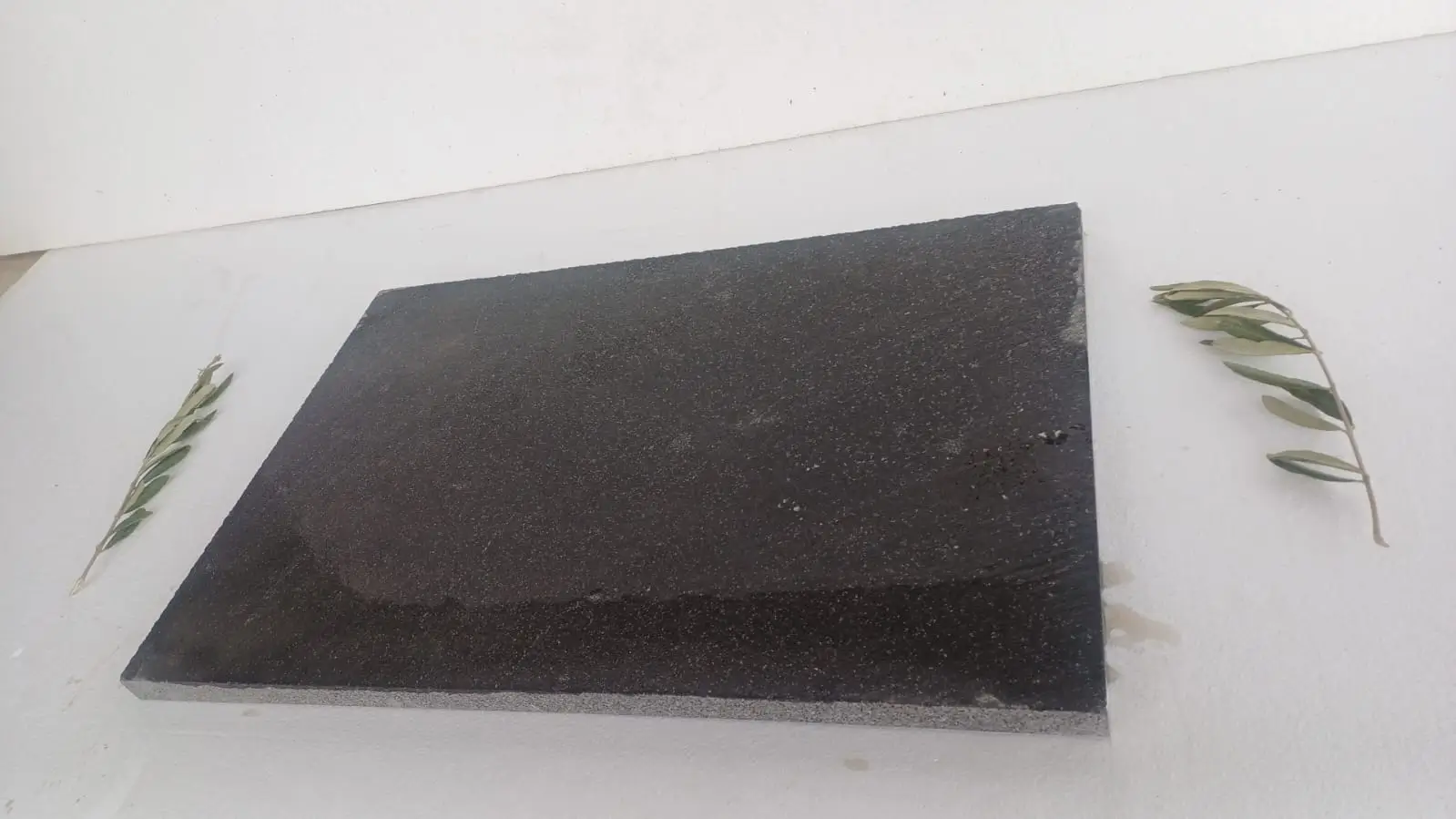
Thickness specification is where granite garden paving cost Arizona budgets diverge sharply. A 1.25-inch slab priced at $6–$9 per square foot will not meet the load requirements of a garden path that doubles as golf cart access — and many Arizona residential lots have exactly that dual-use scenario. The structural minimum for pedestrian-only applications typically runs 1.5 inches nominal, while light vehicular access zones require 2 inches minimum, with some county codes pushing that to 2.5 inches on soils with a plasticity index above 15.
Granite’s compressive strength typically ranges from 15,000 to 25,000 PSI depending on the quarry origin and crystal density — well above what most applications demand. The structural concern isn’t the stone failing in compression; it’s flexural stress across unsupported spans. You’ll want to keep your setting bed joints no wider than 3/8 inch on pedestrian grades and ensure your sub-base compaction reaches 95% Proctor density before any stone goes down. That compaction target is non-negotiable in most Arizona jurisdictions and often requires a third-party soils report on projects over 500 square feet.
- Pedestrian-only paths: 1.5-inch nominal granite minimum, 4-inch compacted base
- Mixed pedestrian and cart access: 2-inch nominal, 6-inch compacted base with geotextile fabric
- Driveway aprons or heavy-load zones: 2.5-inch nominal, 8-inch compacted aggregate, verified by compaction test
- Elevated or suspended applications: structural engineer review required regardless of thickness
Material Grades and Cost Breakdown for Arizona Gardens
The granite paving price guide for Arizona gardens needs to account for three distinct grade tiers — and the cost gaps between them are wider than most buyers expect. Commercial-grade granite pavers with consistent thickness tolerance (plus or minus 1/8 inch) and calibrated face dimensions run $8–$14 per square foot at the material level. Mid-grade product with slightly looser thickness tolerances — common in bulk quarry runs — comes in at $5–$9 per square foot but requires additional setting bed work to compensate for variation, which adds $1.50–$3 per square foot in labor. Budget-grade or irregular cobble-format granite starts around $3–$5 per square foot but typically carries significantly more waste factor due to inconsistent sizing.
The cost of natural stone garden paving in Arizona also shifts with finish type. A flamed finish adds $0.75–$1.50 per square foot over a standard split-face product and is frequently the better choice for Arizona’s dust and foot traffic conditions — the texture holds up to the alkaline grit that characterizes desert air. A honed finish looks clean on delivery but shows scuff marks and calcium deposits faster in hard-water regions. Polished granite is rarely appropriate for garden paving in Arizona’s UV environment; the sheen degrades within two to three seasons without aggressive sealing schedules.
- Flamed finish: best slip resistance, highest UV durability, $0.75–$1.50 premium per square foot
- Sandblasted finish: moderate texture, good dust resistance, mid-range pricing
- Honed finish: smooth face, shows wear faster in high-alkalinity environments, requires more frequent sealing
- Natural cleft or split-face: lowest cost, irregular surface profile, highest grout line variation
Seismic Considerations and Frost Line Depth Across Arizona
Arizona sits in USGS seismic zone 2B in several northern regions, and building departments in those areas — particularly in and around Flagstaff — apply additional review criteria to hardscape over 1,000 square feet. Frost line depth in Flagstaff reaches 18–24 inches, which fundamentally changes your base design compared to low-desert projects. You’re not just compacting a sub-base; you’re designing a frost-stable drainage column that prevents heave from lifting your granite slabs during the 50–60 freeze-thaw cycles the city averages annually.
In the lower desert zones, frost heave isn’t the primary concern — but seismic horizontal movement is. Flexible edge restraints with steel pin anchoring every 24 inches outperform rigid concrete curbing in zones where ground movement can occur, because rigid systems crack and transfer stress directly into the paving field. Specifying ASTM D1557 compaction standards for your base course gives your installation the lateral stability needed to survive minor seismic events without joint separation. This is a detail that separates professional specifications from weekend project guides, and it directly affects your long-term cost of ownership when budgeting granite paving projects across Arizona.
Budgeting Granite Paving Projects Across Arizona Regions
Budgeting granite paving projects across Arizona means working with four distinct cost zones: the Phoenix metro, the Tucson basin, the high country (Flagstaff and the White Mountains), and the I-17 corridor communities like Sedona and Camp Verde. Each zone has different material freight costs, different base requirements driven by soil conditions, and different labor rates. Freight from Arizona warehouse stock to Sedona — which involves mountain grade access on SR-179 — adds meaningful truck delivery cost compared to a flat metro delivery, and that needs to be in your project budget before you commit to a material volume. A second warehouse location serving the Tucson basin further reduces freight time for southern Arizona projects, though the base preparation requirements in caliche-heavy soils can offset those savings.
For a standard 400-square-foot Arizona garden paving installation using mid-grade granite, your total project cost typically lands between $22 and $38 per square foot installed, depending on base depth requirements and finish complexity. That range accounts for material at $6–$11, setting bed and jointing at $3–$5, base preparation at $4–$8, and labor at $9–$14. Projects requiring engineered base design or structural engineer review add $1,500–$3,000 in professional fees that many first-time buyers overlook entirely. For detailed pricing by material grade and region, Citadel Stone garden paving Arizona costs provides a current breakdown worth reviewing before you finalize your scope.
- Phoenix metro: lower freight cost, higher labor demand, 4–6 inch base standard
- Tucson basin: similar freight profile, watch for caliche layers requiring mechanical breaking
- Flagstaff and high country: frost-depth base adds $2–$4 per square foot to base cost
- Sedona and I-17 corridor: truck access premium adds $0.50–$1.50 per square foot on material delivery
Arizona Granite Garden Paving Material Grades in Detail
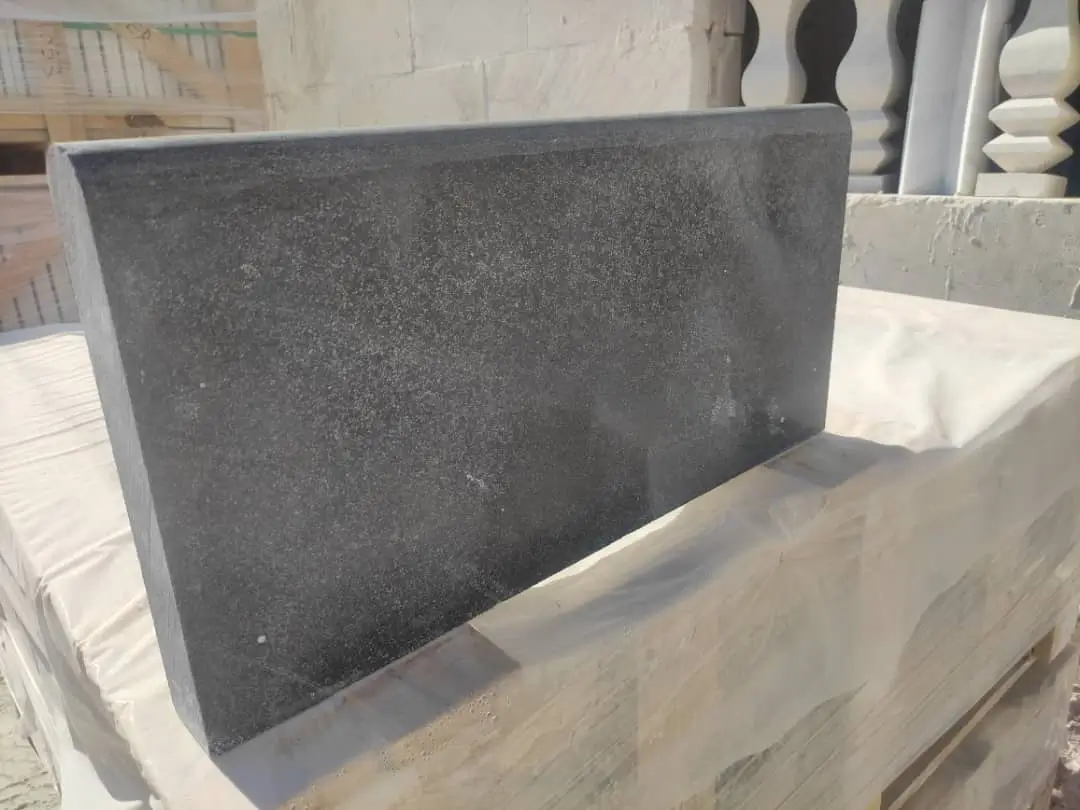
Arizona granite garden paving material grades span a spectrum that isn’t always visible in a showroom photo. Density is the most reliable performance predictor — granite with a dry bulk density above 160 lbs/cu ft will outperform lower-density product in Arizona’s thermal cycling conditions, where surface temperatures swing 60–80°F between pre-dawn and peak afternoon. Higher-density granite also absorbs less moisture, which matters more than most buyers realize: even in a dry desert climate, monsoon season delivers short, intense saturation events that test the absorption characteristics of every outdoor stone.
At Citadel Stone, we source granite directly from quarries where we can verify density and absorption data before material leaves the yard — not just rely on the specification sheet that comes with the pallet. Water absorption below 0.4% is the target for Arizona garden applications; above that threshold, you’ll see staining from iron oxide mobilization within two to three monsoon seasons. Asking your supplier for ASTM C97 test results before purchase isn’t being difficult — it’s the standard due diligence that separates installations that hold up from ones that require remediation in year four.
Municipal Code Requirements and Local Enforcement Patterns
Municipal enforcement of hardscape specifications varies more than the codes themselves. Scottsdale maintains one of the more detailed residential hardscape review processes in the state — projects over 500 square feet in certain zoning districts require a site plan review that includes drainage calculations showing no net increase in runoff coefficient. That requirement affects your joint specification: a tight-grouted granite installation may fail the drainage review even if it meets structural requirements, pushing you toward permeable joint systems that add $1–$2 per square foot but satisfy both requirements simultaneously.
Phoenix, Tempe, and Mesa have adopted increasingly stringent cool-surface requirements in newer residential zones as part of urban heat island mitigation programs. Lighter granite finishes with solar reflectance index (SRI) values above 29 qualify for these programs and may earn you a landscape credit toward your overall impervious surface calculation. Understanding the cost of natural stone garden paving in Arizona requires factoring in these SRI-related specification decisions — a swap from charcoal black to silver grey on a 600-square-foot installation can mean the difference between needing a variance and sailing through plan check on the first submission.
- Verify impervious surface percentage limits before finalizing paving area
- Check SRI requirements in cool-surface overlay zones — lighter granite colors typically qualify
- Confirm drainage calculations are required for your project size before submitting permit applications
- Review HOA architectural guidelines alongside municipal code — they frequently impose stricter finish and color requirements
Sealing Protocols and Long-Term Maintenance Costs
Granite’s natural density makes it one of the lower-maintenance natural stones you’ll specify in Arizona — but “lower maintenance” isn’t the same as “no maintenance,” and the distinction affects your long-term cost calculations significantly. A penetrating silane-siloxane sealer applied within 30 days of installation sets a moisture barrier that needs refreshing every 18–24 months in low-desert conditions and every 12–18 months in the high country. Skipping the first application is the most expensive mistake you can make: unsealed granite in a monsoon-exposed Arizona garden will develop iron staining and calcium bloom within the first rainy season that’s difficult and costly to reverse.
Sealer cost for a 400-square-foot installation runs $150–$300 in materials if you’re applying it yourself, or $350–$600 for professional application including surface prep. Annualized over a 20-year installation life, that’s roughly $0.30–$0.60 per square foot per year — a cost most project budgets forget to include. Your total cost of ownership calculation for granite garden paving should include this line item from the start, not as an afterthought when the stone starts showing wear.
Before You Specify Granite Garden Paving Cost Arizona Projects
The specification decisions that define granite garden paving cost Arizona projects aren’t primarily about choosing the right color or finish — they’re about confirming the structural, drainage, and regulatory framework before you commit to a material and a volume. Your permit pre-application meeting with the local building department costs nothing and can save you the price of a complete redesign if a code requirement changes your base depth, drainage approach, or surface permeability specification. Run that meeting first, then price your granite accordingly.
Your material selection process should include ASTM C97 absorption data, density verification, and finish confirmation against local SRI requirements — all before your first pallet arrives. The granite paving price guide for Arizona gardens outlined across these sections covers the full cost spectrum from base preparation through long-term sealing, giving you the framework to build a defensible project budget at any scale. Projects that get these steps right in the specification phase consistently outperform those that work backwards from a showroom sample. For the installation side of the equation, How to Install Granite Garden Paving in Arizona covers base preparation and setting bed technique in the depth your field crew will need. Homeowners in Phoenix, Gilbert, and Peoria working with Citadel Stone can compare granite garden paving grades by density and finish to align material selection with their specific Arizona project scope and budget.