

Surface temperature differentials between silver and antique travertine finishes can swing as much as 18°F under peak Arizona sun — and that gap directly affects how your barefoot family experiences the pool deck or patio you’re specifying right now. The debate around silver vs antique travertine pavers Arizona isn’t purely aesthetic; it’s a performance question with real thermal, structural, and maintenance implications that vary by finish type, installation context, and microclimate. Understanding how each finish interacts with Arizona’s heat load, UV exposure, and soil movement helps you make a decision you won’t be revisiting in five years.
What the Finishes Actually Mean
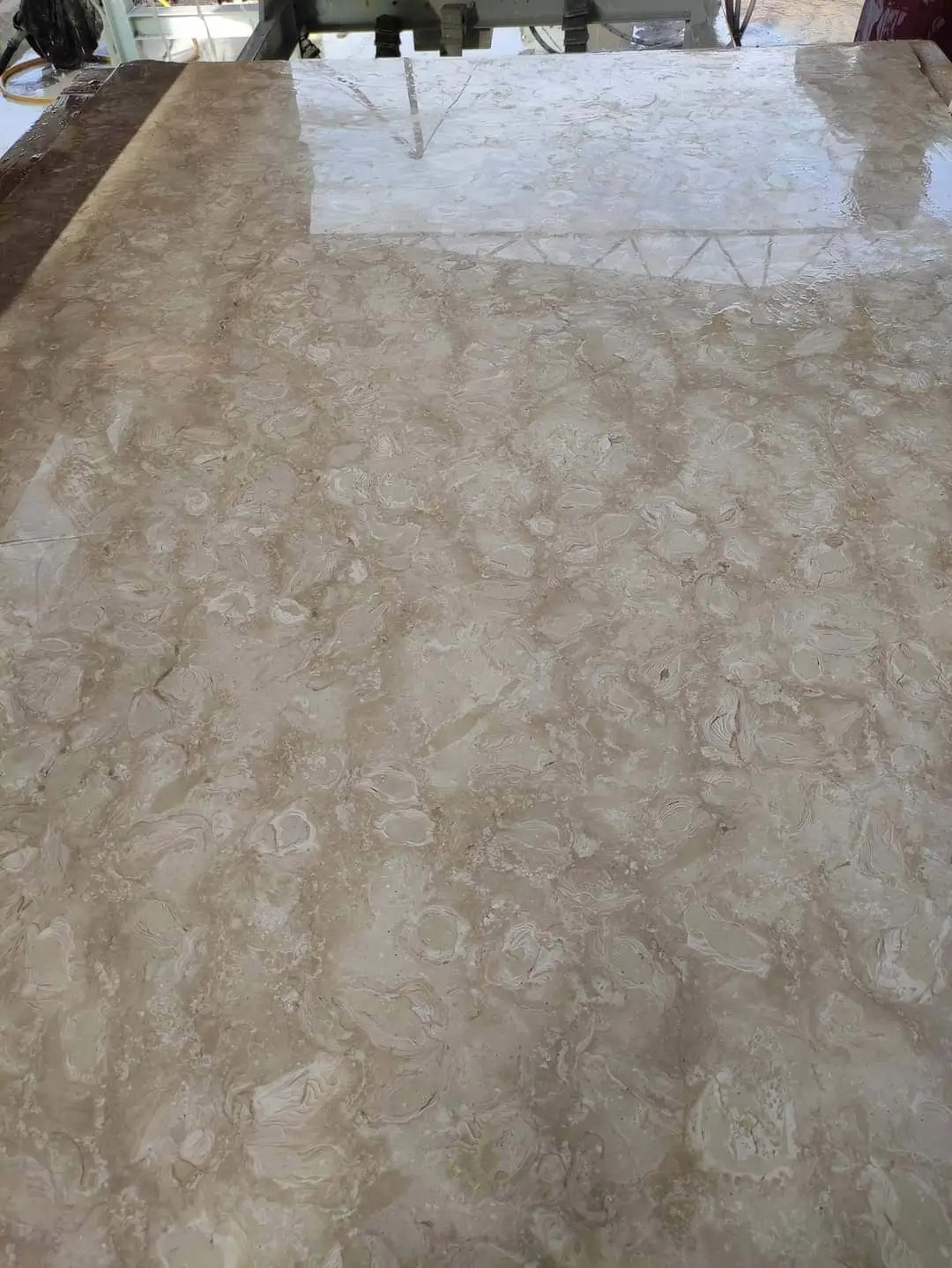
Silver travertine and antique travertine aren’t just color descriptors — they describe fundamentally different surface textures produced through different processing methods. Silver travertine typically arrives from the quarry with a honed or brushed finish, producing a tighter, smoother face with a consistent cool-gray palette. Antique travertine goes through a tumbling process that artificially ages the surface, rounding edges, opening pores, and creating deliberate texture variation that mimics centuries of weathering.
That textural difference matters enormously in Arizona’s desert climate. The open, roughened surface of antique travertine creates micro-shadow zones across its face, which is part of why it reads as warmer in tone despite the same base calcium carbonate chemistry. Silver travertine’s smoother face reflects slightly more direct radiation, while antique travertine’s texture diffuses light in ways that create a more matte thermal profile overall — a distinction that shapes how each finish performs as an Arizona-rated natural stone paver surface.
Thermal Performance in Arizona Heat
This is where silver vs antique travertine pavers Arizona comparisons get genuinely technical. Both finishes share travertine’s natural low thermal conductivity — roughly 0.50–0.75 W/m·K — which is far more favorable than concrete’s 1.4–1.7 W/m·K range. But the finish texture changes how that thermal energy is stored and released at the surface layer.
- Silver travertine’s smoother face reaches peak temperature faster under direct sun but also cools more quickly after shading
- Antique travertine’s textured surface distributes heat across a larger micro-surface area, which moderates peak temperatures slightly but retains warmth longer into the evening
- For barefoot pool decks, silver travertine’s faster cool-down cycle often makes it more comfortable during peak afternoon hours between 2–5 PM
- Antique travertine’s retained warmth can actually be desirable for patio seating areas where evening comfort matters more than midday performance
- Both finishes perform significantly cooler than concrete or porcelain tile in Arizona’s 110°F+ summer peaks — you’re choosing between two strong performers, not between a good and a bad option
In Phoenix, where ground-level radiant heat compounds ambient air temperature, this thermal nuance can make a measurable difference in how usable your outdoor space feels from June through September.
Slip Resistance and Safety Ratings
Arizona’s pool deck environment demands honest attention to slip resistance — wet travertine behaves differently than dry travertine, and the finish type directly controls the COF (coefficient of friction) you’re working with. ANSI A326.3 recommends a minimum wet COF of 0.42 for exterior wet applications, and both silver and antique travertine can meet or exceed this threshold, but the margin differs meaningfully.
- Antique travertine’s tumbled texture typically delivers wet COF values in the 0.55–0.70 range, providing a generous safety margin for pool surrounds and outdoor dining areas
- Silver travertine with a honed finish runs 0.45–0.55 wet COF — still code-compliant for most Arizona municipalities but with less buffer in high-splash zones
- Silver travertine with a brushed finish closes that gap significantly, reaching 0.52–0.62 wet COF, making it the preferred specification for pool edges where children are present
- The filled versus unfilled distinction matters here too — unfilled antique travertine requires more careful joint maintenance to prevent debris accumulation that can reduce effective traction over time
For projects in Tempe where HOA compliance and liability documentation sometimes factor into material approval, specifying filled antique travertine eliminates most friction-related pushback from review committees.
Comparing Travertine Paver Finishes: Long-Term Durability
Antique travertine paver durability across Arizona climates comes down to a factor most homeowners underestimate: edge integrity. The tumbling process that creates antique travertine’s character also rounds every edge, which is actually a structural advantage in high-traffic applications. Sharp square edges on silver travertine are more vulnerable to chipping from point-impact loads — furniture legs, dropped tools, wheelbarrow passes during landscaping work.
Silver travertine’s denser surface finish offers slightly better resistance to surface abrasion from foot traffic and grit tracking. The difference is more apparent in driveway and walkway applications than on pool decks. In high-UV environments, the honed surface of silver travertine also shows UV-related color shift more slowly because there’s less exposed micro-surface area for oxidation to affect.
- Antique travertine handles impact loading and point stress better due to its rounded edges
- Silver travertine resists surface scratching and grit abrasion more effectively on high-traffic horizontal surfaces
- Both finishes exhibit compressive strength in the 3,500–6,000 PSI range for quality Turkish-quarried material — sufficient for all residential and most light commercial Arizona applications
- Thermal cycling longevity depends more on joint width and base preparation than finish type — a point that gets underspecified on both products regularly
Comparing travertine paver finishes in AZ desert climates ultimately shows that both silver and antique handle the thermal cycling well when installed correctly, but antique travertine’s naturally forgiving geometry tends to perform with fewer visible stress fractures over 15–20 year periods.
Installation Base Requirements for Arizona
Your base preparation protocol for silver vs antique travertine pavers in Arizona should follow the same structural logic regardless of finish — it’s the surface you’re protecting that changes, not the foundation you’re building. Arizona’s expansive soils, particularly the caliche-dominated profiles common across the Phoenix metro, require a minimum 4-inch compacted aggregate base for residential patio applications and 6 inches for driveways.
In Peoria, the soil expansion coefficient in clay-heavy parcels near the Agua Fria corridor can push pavers upward by 3–5mm seasonally if the base isn’t isolated properly from native soil moisture migration. A 2-inch decomposed granite separation layer between native soil and your compacted aggregate base prevents most of the uplift-related joint failures you’d otherwise be troubleshooting at year three.
- Use 3/4-inch minus crushed aggregate for base compaction — not round river gravel, which shifts under load
- Compact to 95% Proctor density before setting bed installation
- Maintain a 1/8-inch to 3/16-inch joint width for silver travertine to allow thermal expansion without joint blowout during summer peaks
- Antique travertine’s rounded edges allow slightly tighter joints — 1/8-inch minimum — but don’t go tighter than that, even with filled product
- Pitch your finished surface at 1/8 inch per linear foot minimum for drainage — Arizona’s monsoon events deliver 1–3 inches per hour, and standing water accelerates sealer degradation regardless of finish type
At Citadel Stone, we recommend discussing your specific soil profile with a local geotechnical consultant before finalizing base depth specs — particularly for larger installations over 1,000 square feet where differential settlement becomes a real design consideration.
Sealing Requirements by Finish Type
Premium silver travertine performance in Arizona requires a sealing strategy calibrated to the finish’s porosity characteristics. Honed silver travertine has a tighter surface than tumbled antique, which changes both sealer penetration depth and resealing frequency. A penetrating silane-siloxane sealer in the 20–25% solids concentration range works for both finishes but delivers different coverage rates — expect 15–20% more sealer consumption per square foot on antique travertine due to its higher open-pore surface area.
Apply sealer in Arizona’s moderate months — October through April — when surface temperatures stay below 90°F during application. Above that threshold, solvent-based sealers flash too quickly, leaving surface residue that whitens under UV and is genuinely difficult to remove without aggressive chemical stripping. Water-based penetrating sealers tolerate higher application temperatures but require two coats on antique travertine to achieve equivalent oil and stain resistance.
- Silver travertine: apply one penetrating sealer coat annually in Arizona’s UV-intense climate, with a second coat every three years
- Antique travertine: two initial coats at installation, then biennial reapplication for filled product, annual for unfilled
- Test sealer effectiveness with a water droplet — if it absorbs within 60 seconds, resealing is overdue regardless of schedule
- Topical film-forming sealers are not recommended for either finish in Arizona — they peel under freeze-thaw cycling and blister under sustained UV above 105°F
To explore specific product guidance and see how these finishes perform in documented Arizona installations, browse our Arizona silver and antique travertine options for additional technical specifications and finish comparisons.
Aesthetic Considerations and Design Fit
The design conversation around silver vs antique travertine pavers Arizona often hinges on architectural style and landscape context. Silver travertine’s clean, consistent gray palette pairs naturally with contemporary and transitional architecture — think clean-lined pool surrounds, minimalist outdoor dining areas, and modern desert landscaping where texture contrast comes from plant material rather than the hardscape itself.
Antique travertine reads warmer and more organic, which complements Spanish Colonial, Tuscan, and Southwestern architectural styles prevalent across Scottsdale, Peoria, and the wider Phoenix metro. The intentional variation in antique’s surface — the slight undulation, the rounded edges, the tonal shifts between pavers — creates a more relaxed visual rhythm that works particularly well in larger spaces where silver travertine’s consistency might feel clinical.
- Silver travertine’s consistent color range (cool grays, silver-beige) suits contemporary pool areas and modern outdoor kitchens
- Antique travertine’s warmer palette (cream, walnut, gold-beige variations) integrates better with natural desert landscaping and warm stucco exteriors
- Silver travertine shows dirt and debris more visibly between cleanings — something to factor into maintenance expectations for dusty Arizona environments
- Antique travertine’s natural variation camouflages everyday dust accumulation better, which is a practical advantage during the region’s frequent dust storms
- Both finishes are available in 12×12, 16×16, 18×18, and 24×24 nominal sizes — mixing sizes within either finish creates visual interest without requiring different products
Cost and Supply Chain Realities
Turkish travertine pavers in Arizona — whether silver or antique finish — arrive through a supply chain that runs from quarries in the Denizli region of Turkey through domestic distribution. The finish type affects pricing less than stone quality grade and thickness, but antique tumbling does add a processing step that typically places antique travertine 8–15% higher per square foot than comparable silver honed product at the same quality tier.
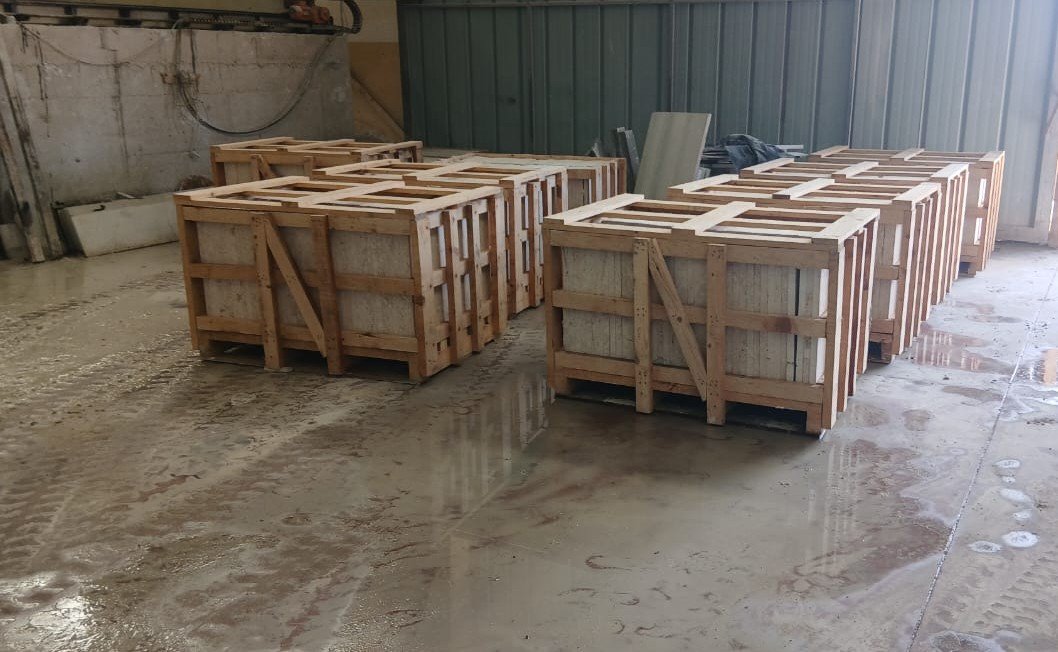
Warehouse inventory levels matter significantly for Arizona project timelines. Travertine is a natural material with quarry-specific batch characteristics — color consistency across a large project depends on sourcing all material from a single warehouse stock. Ordering from two separate warehouse shipments introduces the risk of tonal variation that becomes visible after installation, particularly under raking light conditions at dawn and dusk. Your project plan should confirm full material availability before scheduling your installation crew.
- Request samples from the actual warehouse lot your order will ship from — not display samples, which may come from different quarry batches
- Budget 10–12% overage on your square footage calculation to account for cuts, breakage, and future repair matching
- Verify truck access to your delivery site before ordering large-format pavers — 24×24 pieces on a standard flatbed require a forklift or boom truck for placement, and many Arizona residential streets have tree canopy or overhead utility limitations
- Lead times from warehouse to delivery typically run 1–3 weeks for in-stock Arizona inventory; special-order thicknesses or oversized formats can extend this to 6–10 weeks
Citadel Stone maintains warehouse stock across Arizona specifically to support project continuity — our team can confirm lot availability and hold material against your project start date when scheduling requires flexibility.
Your Action Plan for Silver vs Antique Travertine Pavers Arizona
The choice between silver and antique travertine pavers in Arizona ultimately comes down to three aligned decisions: your architectural context, your primary use case, and your maintenance capacity. If your project is a contemporary pool surround where consistent appearance and fast cool-down matter most, silver travertine with a brushed finish gives you the slip resistance and aesthetic clarity that performs well over Arizona’s long outdoor season. If your project is a larger patio or courtyard where character, warmth, and edge resilience are the priority, antique travertine delivers a finish that improves with age rather than showing wear.
For either choice, your base preparation, joint specification, and sealing schedule matter more than the finish selection for long-term performance. A correctly installed antique travertine paver on a 6-inch compacted aggregate base with annual sealing will outlast a silver travertine installation on an undersized base — regardless of how good the stone itself is. Get the substrate right, size your joints for Arizona’s thermal expansion range, and seal on schedule. As you finalize your hardscape selections, you may also find it useful to review how other Citadel Stone materials perform across the region — Blue Black Limestone Paving Maintenance Schedule for Gilbert Care explores a complementary Arizona stone product and its long-term upkeep requirements. Citadel Stone delivers premium travertine pavers engineered for Arizona’s thermal cycling demands, with documented installations across Phoenix, Chandler, and Mesa proving long-term wear resistance.