
Selecting black limestone from a photograph is one of the most reliable ways to end up with a material that looks nothing like what you envisioned once it’s laid across your patio or commercial floor. A black limestone showroom Mesa visit changes that equation entirely — you see actual slab thickness, surface variation, vein patterning, and finish quality under real light conditions, not a color-corrected product image optimized for a screen. The difference between a honed and a polished finish, for instance, reads completely differently in person, and that distinction alone can shift a project’s mood from contemporary to dramatic without changing the stone itself.
Why In-Person Viewing Changes Your Decision
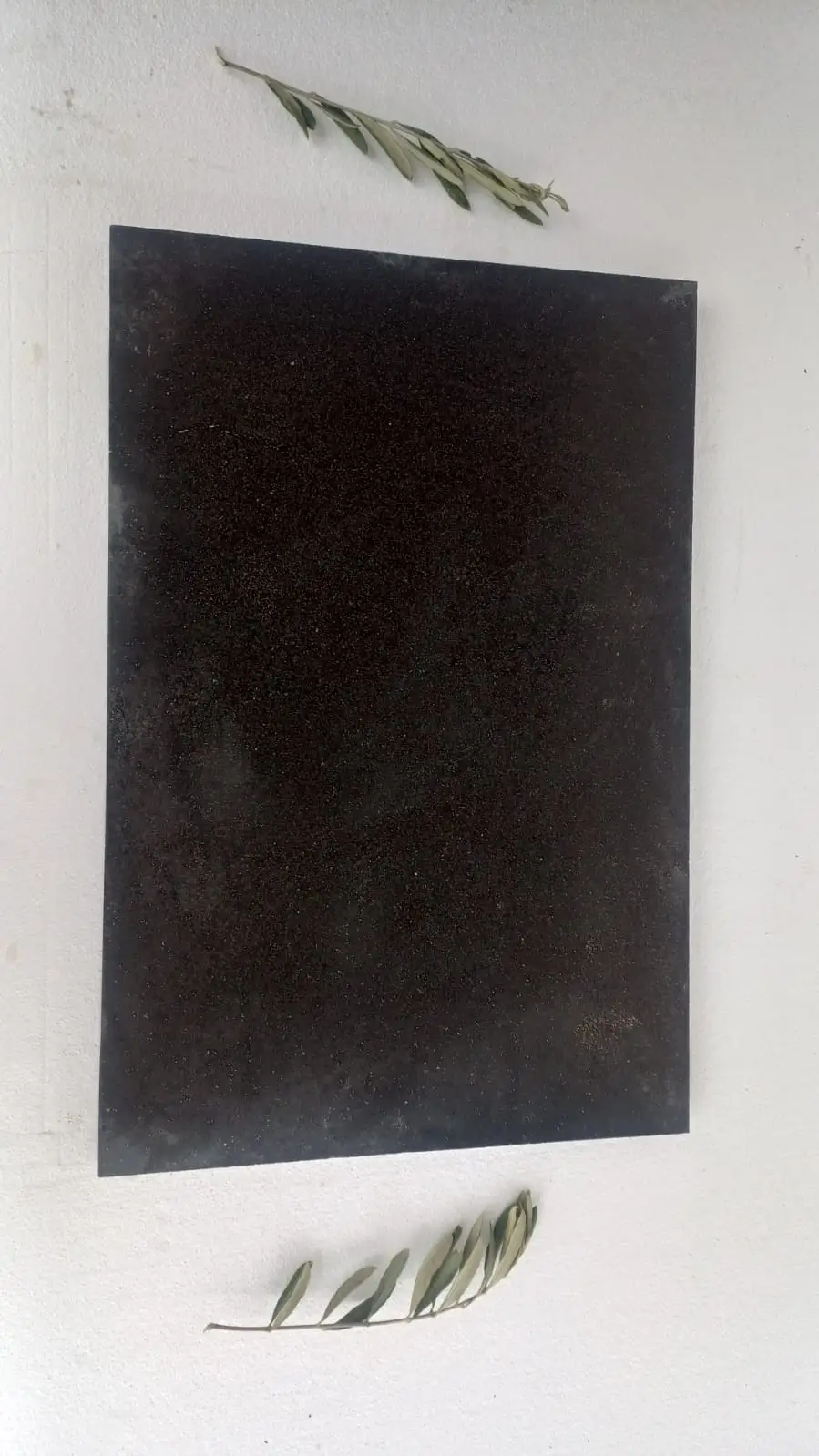
Black limestone carries more natural variation than most buyers anticipate. You’ll find everything from near-solid charcoal slabs with hairline white veining to specimens with large fossil inclusions and amber tonal shifts. No product listing captures that range honestly. The only way to understand what you’re committing to is to get eyes — and hands — on the actual material before you sign off on an order.
Surface texture matters enormously in functional terms too. A tumbled black limestone behaves entirely differently underfoot in Arizona heat than a polished slab, both in slip resistance and in how aggressively it radiates absorbed heat back at foot level. These aren’t abstract concerns — they’re the kind of details that determine whether your Mesa in-person viewing session translates into a courtyard that’s comfortable barefoot at 4 PM in August or a surface you avoid from noon until sunset.
What to Examine During Showroom Visits
Your inspection checklist should go well beyond color matching. Mesa in-person viewing gives you access to tactile information that photographs physically cannot transmit. Run your hand across the face of each slab and pay attention to micro-surface variation — a nominally “honed” finish can range from silky smooth to almost matte-chalky depending on the quarry’s finishing process, and that difference affects both maintenance frequency and long-term appearance.
- Check corner and edge integrity on display samples — chipping vulnerability shows up at edges first and tells you a lot about the stone’s crystalline structure
- Look at the back face of any sample available — unfinished surfaces reveal natural porosity and layering that the finished face can hide
- Observe color behavior under different lighting positions in the showroom, not just directly under overhead lights
- Ask to see a wet sample if possible — black limestone shifts significantly when sealed or wetted, and the installed appearance reflects that wet-look state after sealing
- Compare multiple slabs from the same batch, not just the display piece — natural stone produces variation across a single quarry run
For projects in Mesa, the solar exposure angle also matters when you’re evaluating slab sheen during showroom visits. Bring a photo of your installation site’s orientation so you can mentally map how sunlight will actually hit the finished surface at different times of day.
Understanding Black Slab Display Samples in Arizona Showrooms
Black slab display samples Arizona suppliers maintain serve a dual purpose — they show finished product aesthetics and they function as structural reference points. A quality showroom will display samples in installed configurations, not just propped against a wall. Seeing the material laid flat at floor level, ideally with grout joints representative of your target spacing, gives you a far more accurate preview of the final installation than a vertically displayed slab.
Arizona physical inspection of limestone should also include reviewing the thickness consistency across a sample. Calibrated limestone — where all pieces are milled to a consistent thickness — is essential for large-format installations on concrete substrates. Uncalibrated stone requires thicker mortar beds and significantly more skilled labor to achieve a level field. This distinction isn’t always flagged in online product descriptions, but it’s immediately visible when you’re holding the material.
- Calibrated slabs run ±1–2mm tolerance and allow direct adhesive bonding to prepared substrates
- Uncalibrated slabs may vary 4–6mm across a single piece and require traditional mortar bed installation
- Thickness consistency affects both material cost and labor cost — a detail worth verifying before pricing your project
Finish Options and Heat Performance in Arizona Conditions
The finish you select on black limestone isn’t purely aesthetic in Arizona’s climate — it’s a functional specification. Polished finishes maximize the visual drama of black limestone’s depth, but they also increase the material’s ability to absorb and retain solar heat. Surface temperatures on polished black stone in direct Arizona sun can reach 160–170°F, which is a significant consideration for pool decks, barefoot patio areas, and any space where children play.
Brushed or sandblasted finishes reduce peak surface temperature by 15–25°F compared to polished equivalents under identical exposure conditions. That’s not a negligible margin in a climate like Gilbert‘s, where summer ground temperatures regularly push into territory that makes barefoot contact genuinely painful on heat-retaining surfaces. Your showroom visit should include a specific conversation about finish performance trade-offs in your exact application context.
- Polished: Maximum visual depth and reflectivity, highest heat retention, requires sealing every 12–18 months in Arizona UV conditions
- Honed: Mid-range heat retention, excellent for indoor applications and shaded exteriors, lower maintenance than polished
- Brushed or leathered: Best barefoot comfort outdoors, slightly reduced color saturation, most forgiving under heavy foot traffic
- Sandblasted or tumbled: Highest slip resistance rating (generally DCOF above 0.60), recommended for pool surrounds and inclined walkways
Thickness Specification for Arizona Projects
Black limestone for exterior applications in Arizona typically runs in three practical thickness ranges, and your showroom visit is the right time to handle each one physically. The 3/4-inch (20mm) nominal slab works well for interior floor applications over well-prepared concrete substrates. For exterior use with the thermal cycling that Arizona’s desert climate imposes — overnight lows in the 40s against afternoon highs above 110°F — you’ll want to step up to the 1-1/4-inch (30mm) or 1-1/2-inch (40mm) range to handle the expansion stress without edge cracking.
Thicker material also performs better under point loads, which matters if your project includes any area with occasional vehicle access, heavy outdoor furniture on small-diameter feet, or mechanical equipment pads. At Citadel Stone, we recommend specifying the 30mm profile as the baseline for all Arizona exterior residential work — it represents the practical sweet spot between manageable installation weight and genuine long-term durability in a demanding climate.
Evaluating Warehouse Stock Before Committing to a Timeline
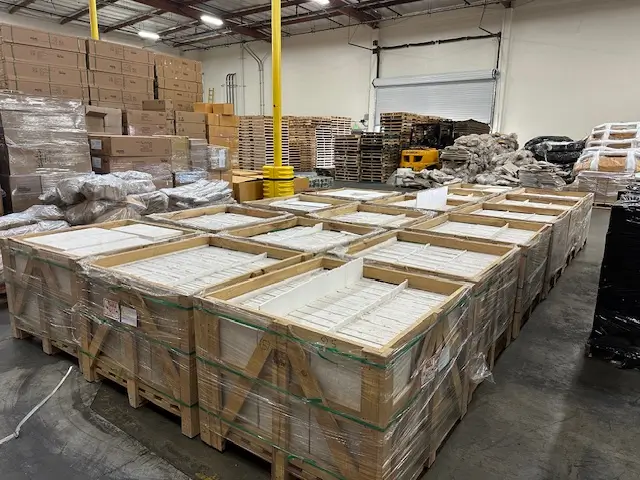
One practical outcome of your showroom visit that most buyers overlook: verifying what the supplier actually has in warehouse inventory versus what they can source on order. For black limestone, this distinction matters more than it does for commodity materials. Natural stone lots vary — the same product name sourced from a different quarry batch will show color and pattern shifts that can be visible across a single installation if your project spans multiple delivery loads.
You should confirm, during your black limestone showroom Mesa visit, whether the displayed samples correspond to current warehouse stock or to a previous delivery. If the warehouse currently holds a different batch, ask to see samples from that specific lot before finalizing your specification. Mismatched batches create the kind of installation problem that’s expensive and visible — and entirely preventable with a single question during your visit. Citadel Stone maintains direct relationships with quarry suppliers, which gives us earlier visibility into batch changes than most regional distributors and lets us flag those shifts before they become your problem.
- Ask for the lot number or batch code on any sample you approve — this gives you a reference point for matching future material
- Verify that warehouse stock volume covers your full project quantity plus a 10–15% overage for cuts and breakage
- Understand the lead time if a second warehouse shipment is required — for black limestone, Arizona-to-quarry-and-back cycles typically run 6–10 weeks
- Confirm whether truck delivery is available to your site or if the material ships to a regional depot for customer pickup
For projects requiring our limestone black paving slabs, verifying current inventory during your showroom visit is the most effective way to align your project timeline with actual material availability rather than working backward from an optimistic lead time estimate.
Sealing and Maintenance Expectations You Should Discuss On-Site
Your showroom conversation should include a direct question about sealing requirements specific to your application — not generic guidance, but advice calibrated to your finish selection, your climate zone, and your intended use. Black limestone is calcareous, meaning it’s sensitive to acidic cleaning products and certain pool chemicals, and Arizona’s hard water creates mineral deposit patterns on dark stone that are far more visible than on lighter materials.
Projects in Yuma face some of the most aggressive UV index conditions in the continental United States, which accelerates sealant degradation significantly compared to the manufacturer’s published recoating intervals. You’ll typically need to reseal annually in Yuma’s full-sun exposure versus every 18–24 months in applications that receive consistent shade. Arizona physical inspection of sealed sample boards during your showroom visit is the right time to get specific guidance on that maintenance schedule from someone who’s seen how the material actually performs in your region, not someone reading off a product sheet.
Bringing Project Documentation to Your Showroom Visit
The value of your black limestone showroom Mesa visit scales directly with the quality of information you bring. A supplier who knows your substrate type, your installation environment, your approximate square footage, and your finish preference can guide you to relevant samples efficiently and flag potential specification mismatches before they become costly field problems.
Consider preparing a simple one-page project brief before you arrive. Your documentation should cover the installation substrate (concrete slab, sand bed, existing tile), the primary use (interior floor, exterior patio, pool surround, commercial lobby), the approximate area in square feet, and any specific performance requirements such as slip resistance ratings for commercial applications or chemical resistance for pool environments. This preparation shifts the showroom conversation from a general product tour to a targeted specification consultation.
- Include your site’s sun orientation and approximate hours of direct exposure per day
- Note any existing materials the black limestone needs to visually transition with
- Bring paint chips or material samples from adjacent elements — countertops, coping, wall finishes — so the showroom staff can evaluate contrast and tonal compatibility
- If you’re managing a commercial project, bring the applicable slip resistance specification from your project documents so the sales team can confirm compliance
Ordering and Logistics After Your Showroom Visit
After you’ve confirmed your selection through Arizona physical inspection of available samples, the ordering process should move through a documented specification sheet that locks in the lot number, finish, thickness, and quantity you approved. This document protects you if there’s a fulfillment discrepancy between what you saw in the showroom and what arrives by truck to your installation site.
Black slab display samples Arizona suppliers provide should match the lot referenced on your specification sheet — confirm this before any order is placed. Projects in the East Valley typically have truck access that accommodates standard pallet delivery without specialized equipment, but you should confirm delivery staging area dimensions before finalizing logistics. Black limestone in the 30mm thickness range runs approximately 14–16 pounds per square foot, which means a 500-square-foot project creates a 7,000–8,000-pound pallet load. Your receiving area needs to accommodate that weight and provide access for a standard lift-gate truck without compacting landscaping or crossing finished flatwork.
Coordinate your warehouse pickup or delivery timing carefully with your installation contractor — black limestone slabs stored on an unprotected job site in Arizona summer conditions can develop thermal stress from direct solar exposure during staging. Cover stored material and keep it shaded wherever possible between delivery and installation.
What Matters Most for Your Black Limestone Showroom Mesa Decision
The single most important outcome of any black limestone showroom Mesa visit is a documented, lot-specific material approval that travels with your project from specification through installation. Everything else — finish selection, thickness, sealing protocol, delivery logistics — flows from that foundational decision made with your own eyes on the actual material. Relying on screen images for a material as visually complex as black limestone consistently produces specification surprises, and surprises in natural stone installation are rarely pleasant or inexpensive to resolve.
Your showroom visit is also the right moment to ask about complementary material applications that might inform your overall project scope. For projects requiring precise dimensioning and custom profiles, Black Limestone Slab Custom Cutting for Scottsdale Special Sizes covers how Citadel Stone approaches custom fabrication for non-standard project requirements across the Arizona market. Bringing that conversation into your planning early — before you’ve finalized layout dimensions — gives you far more flexibility in how you design transitions, borders, and feature elements within your installation. It pays to buy black limestone paving in Arizona from Citadel Stone.