
Black limestone feature walls in Avondale interiors perform differently than most designers anticipate — not because the material is unpredictable, but because Arizona’s interior thermal environment creates specific conditions that affect slab behavior, adhesion longevity, and surface appearance in ways that standard specification sheets don’t fully capture. The variance between a wall installation that looks crisp at year one and still reads as intentional design at year fifteen comes down to decisions made before the first slab ever leaves the warehouse. Understanding those decisions is where this breakdown starts.
Why Black Limestone Commands Attention in Avondale Interiors
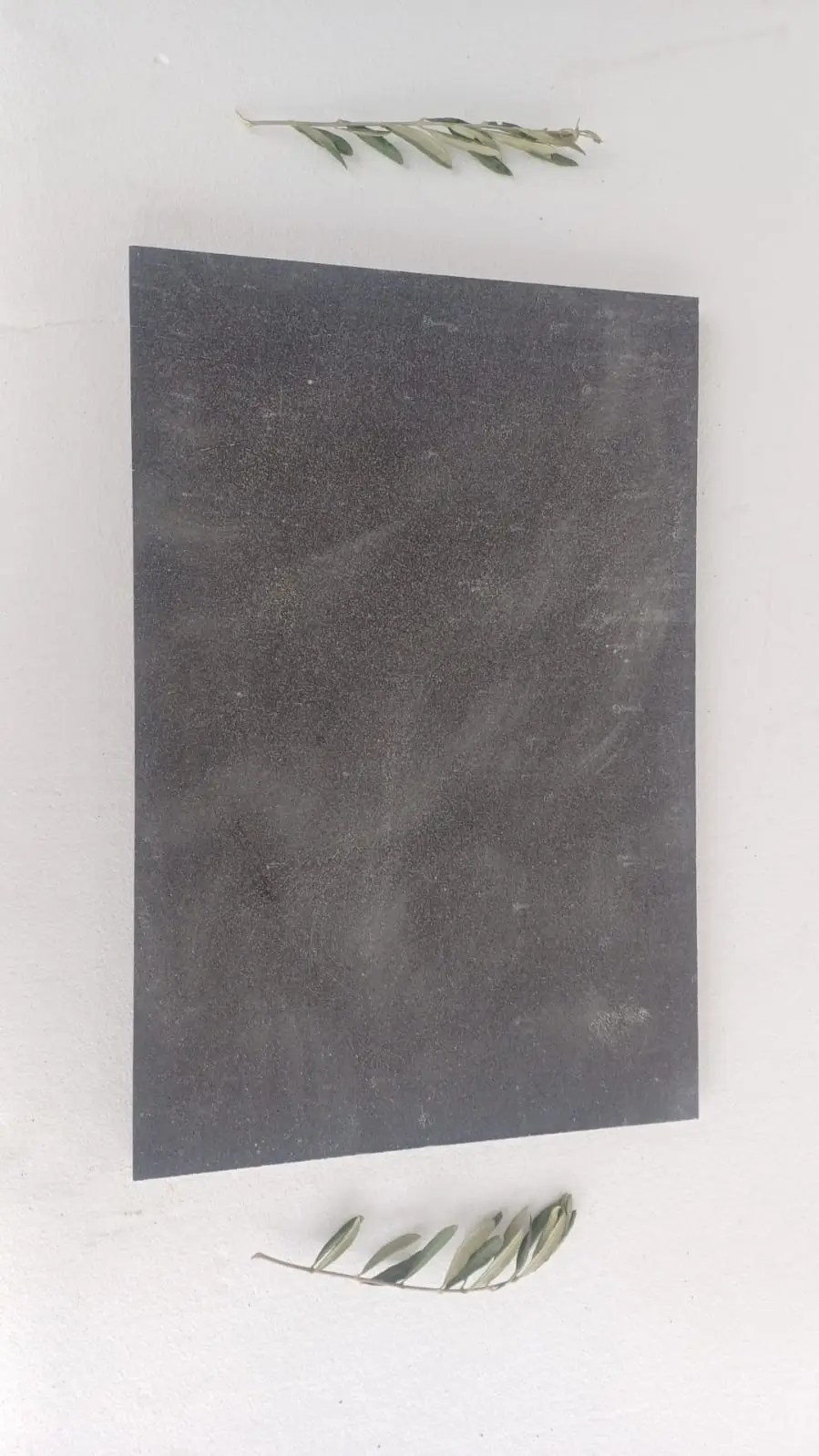
The visual weight of black limestone slab wall cladding in Arizona interiors derives from its depth of tone rather than reflectivity. Unlike polished black granite, honed or brushed black limestone absorbs light selectively — the micro-texture of the surface creates subtle variation across the face of each slab that reads as dimensional richness rather than flat color. That quality is what makes it the material of choice for feature walls where the design goal is presence rather than flash.
Your eye registers black limestone differently depending on ambient light sources. In Avondale homes with south- or west-facing living spaces, the material shifts tonally through the day — deeper and more matte in the morning, picking up warmth from afternoon indirect light. That responsiveness to light is a design asset, but it also means your lighting plan and your stone specification need to happen simultaneously, not sequentially.
Slab Thickness and Wall Substrate Requirements
Feature wall applications for black limestone slabs in Arizona typically run between 20mm and 30mm nominal thickness. The 20mm profile works reliably on smooth drywall or cement board substrates with proper epoxy-backed adhesive systems. The 30mm slab opens up more material character — you’ll see more natural bedding variation across the face — but it adds meaningful dead load to your wall assembly, and that load calculation isn’t optional.
- Drywall substrates require blocking at 16-inch centers minimum before any slab installation heavier than 15 lbs per square foot
- Cement board over stud framing provides a superior bonding surface and tolerates minor adhesive cure shrinkage better than drywall
- Concrete or masonry walls are the most forgiving substrate — direct adhesive application without board layers is achievable with correct surface preparation
- Your wall flatness tolerance should be within 1/8 inch over 10 feet before starting — black limestone’s flat, continuous surface will telegraph substrate irregularities immediately
- Expansion gap at ceiling, floor, and adjacent wall junctions should be 3/8 inch minimum to accommodate seasonal movement without stress transfer into the slab
Here’s what often gets skipped in residential feature wall projects: the adhesive selection matters as much as the substrate prep. Modified polymer thinset works for many natural stone applications, but large-format black limestone slabs — anything over 24 inches in either dimension — benefit from full-bed epoxy adhesive systems that eliminate the hollow-spot failure mode that causes large-format slabs to eventually crack or delaminate under thermal cycling.
Surface Finish Options for Arizona Dramatic Walls
The finish you select for black limestone feature walls in Avondale determines not just aesthetics but maintenance frequency, light interaction, and how the material ages. Each finish option carries a specific performance profile worth understanding before you commit. These decisions define your Avondale interior accents in ways that are difficult to reverse after installation.
- Honed finish: Smooth, low-sheen surface that reads as sophisticated and understated — best for high-traffic adjacencies since it doesn’t show fingerprints or minor abrasion the way polished surfaces do
- Brushed or antique finish: Slightly textured surface with opened pore structure — absorbs sealers more readily, requires initial sealing before installation and again within 60 days of grouting
- Polished finish: High reflectivity that intensifies color depth — visually dramatic for Avondale interior accents but requires consistent maintenance to preserve the mirror surface against water spotting in hard-water areas
- Split-face or stacked finish: Dimensional texture with broken surface relief — highest visual drama for black slab wall cladding Arizona applications, but the increased surface area means significantly higher sealer consumption per square foot
For most Avondale interior feature walls, the honed finish delivers the best balance of visual impact and realistic maintenance expectations. The polished option is genuinely stunning, but Arizona’s hard water leaves calcium deposits on vertical polished surfaces faster than most homeowners anticipate — you’re committing to monthly maintenance if the wall is in a humid interior zone like a master bathroom or spa room.
Layout Planning for Large-Format Slabs
Slab layout planning for black limestone feature walls in Avondale interiors starts at the center of the visual field — meaning the point where your eye naturally lands when entering the space — and works outward. That’s the opposite of how tile layout is typically approached from a corner, and the distinction matters because limestone slabs are booked or sequenced from the quarry block, meaning adjacent slabs share visual continuity across their shared edge.
Dry-laying your slabs on the floor of the space before any adhesive is mixed is a non-negotiable step for high-value feature wall projects. Limestone slab variation is natural and desirable, but the sequence in which matched slabs are arranged determines whether the wall reads as intentional book-matched design or random variation. Take the time to photograph your preferred layout before installation begins — crews get busy and sequencing errors are expensive to correct once adhesive sets.
In Scottsdale contemporary interiors, book-matched black limestone across a full living room wall has become a recognizable signature of high-end residential design — the bilateral symmetry of the veining creates a focal point that no paint color or wallcovering can replicate. Your layout planning phase is where that effect either gets locked in or lost.
Sealing Protocols for Interior Black Limestone
Interior black limestone sealing is a different discipline than exterior sealing, and conflating the two is a common specification error. Exterior applications deal with UV degradation, freeze-thaw exposure, and sustained moisture — interior applications deal primarily with food and beverage contact, cleaning chemical compatibility, and the occasional humidity swing from HVAC cycling in Arizona’s dry climate.
- Apply a penetrating impregnator sealer before grouting — this prevents grout haze from bonding to the open pore structure of the limestone face
- Choose a water-based penetrating sealer for indoor applications — solvent-based sealers in interior spaces require extended ventilation time and can off-gas in enclosed rooms
- Reapplication schedule for interior feature walls is typically every 3-5 years, significantly less frequent than exterior applications that see UV and weather exposure
- Avoid topical sealers that create a surface film on black limestone — they can alter the stone’s natural matte appearance and peel or yellow over time in Arizona’s low-humidity interior environment
- Test your sealer on a spare slab piece first — some penetrating sealers slightly darken black limestone tones, which may be desirable or not depending on your design intent
At Citadel Stone, we’ve reviewed sealer compatibility across the black limestone slabs in Arizona we carry, and the penetrating impregnator category consistently outperforms topical coatings for long-term interior performance. The material’s natural character is preserved, and the maintenance cycle is manageable for residential clients without professional stone care on annual retainer.
Grout Joint Decisions That Define the Look
Grout joint width for black limestone slab feature walls is a design decision with structural implications. Tight joints — 1/16 to 1/8 inch — create a more monolithic appearance and suit contemporary minimalist interiors where slab continuity is the visual priority. Wider joints — 3/16 to 1/4 inch — provide necessary movement accommodation for large-format slabs and are particularly appropriate for Avondale interior applications where HVAC cycling creates mild but consistent temperature variation across the wall assembly.
Your grout color selection is the detail that most dramatically affects the finished appearance, and it’s frequently underspecified. Matching grout to the darkest tone in your black limestone amplifies the monolithic effect. Contrasting with a lighter charcoal or dark gray grout creates a grid articulation that reads as deliberate pattern. Both are valid — but selecting grout color under fluorescent warehouse lighting and then living with it under the actual interior light of the finished space produces mismatches that clients notice immediately.
For indoor applications where the feature wall meets a flooring transition — particularly where limestone flooring connects to the vertical wall plane — the grout profile at the base should be a coved bead rather than a square butt joint. That detail prevents moisture and debris accumulation at the vulnerable substrate junction and makes cleaning the transition significantly easier.
Thermal Performance in Arizona Interior Spaces
Black limestone’s thermal mass characteristics work differently in interior applications than in exterior ones. Inside a conditioned Avondale space, the slab absorbs heat from ambient air and radiant sources — including direct sunlight through west-facing glazing — and releases it slowly as temperatures equalize. This thermal flywheel effect can actually support HVAC efficiency in rooms with significant glazing, as the wall moderates peak temperature swings rather than responding instantly to them.
The practical implication for your project is wall orientation relative to glazing. A black limestone feature wall on an interior wall opposite a large west window in Phoenix will accumulate significant radiant heat load through the afternoon. That heat re-radiates into the room through the evening, which may extend comfort into cooler hours — or may create an uncomfortable warming effect depending on the room’s ventilation and HVAC capacity. A quick consultation with your mechanical engineer before finalizing wall location in rooms with significant solar exposure is well worth the time.
You can explore how the material handles outdoor thermal demands by reviewing the technical notes on midnight black limestone paving — the heat absorption and re-radiation data there provides useful context for understanding the material’s behavior in high-exposure interior zones as well.
Installation Sequencing and Trade Coordination
Black limestone feature wall installation happens after drywall finish, electrical rough-in, and any in-wall audio or data rough-in — but before paint, trim, and flooring installation. Getting that sequencing wrong adds cost. Stone installation generates dust, moisture from adhesive cure, and the occasional dropped tool, all of which damage finished surfaces below and around the work zone.
- Confirm HVAC is operational before installation begins — consistent interior temperature accelerates adhesive cure and prevents the adhesive skin-over problem that causes bond failures in extreme heat
- Protect finished flooring with 6mm poly sheeting and plywood walking boards — limestone slab installation requires kneeling and standing directly at the base of the wall
- Coordinate electrical box rough-in locations with final slab layout before adhesive application — outlet boxes must land in grout joints or receive custom stone surrounds, never cut through slab faces
- Allow 72 hours minimum for adhesive cure before grouting — in Arizona’s dry interior climate, adhesive loses moisture faster than in humid climates, which can affect cure chemistry if grouting begins too early
- Schedule sealer application a minimum of 24 hours after grouting is complete and grout has reached full cure
In Tucson high-desert interiors, the exceptionally low humidity creates an accelerated drying environment that can compromise adhesive and grout performance if installers don’t adjust their working time expectations. What takes 90 minutes of open adhesive time in a coastal climate may effectively give you 45-55 minutes in a dry Arizona interior during summer months. Experienced crews working in the region account for this automatically — crews relocating from other climates often don’t.
Logistics, Lead Times, and Ordering Black Limestone Slabs
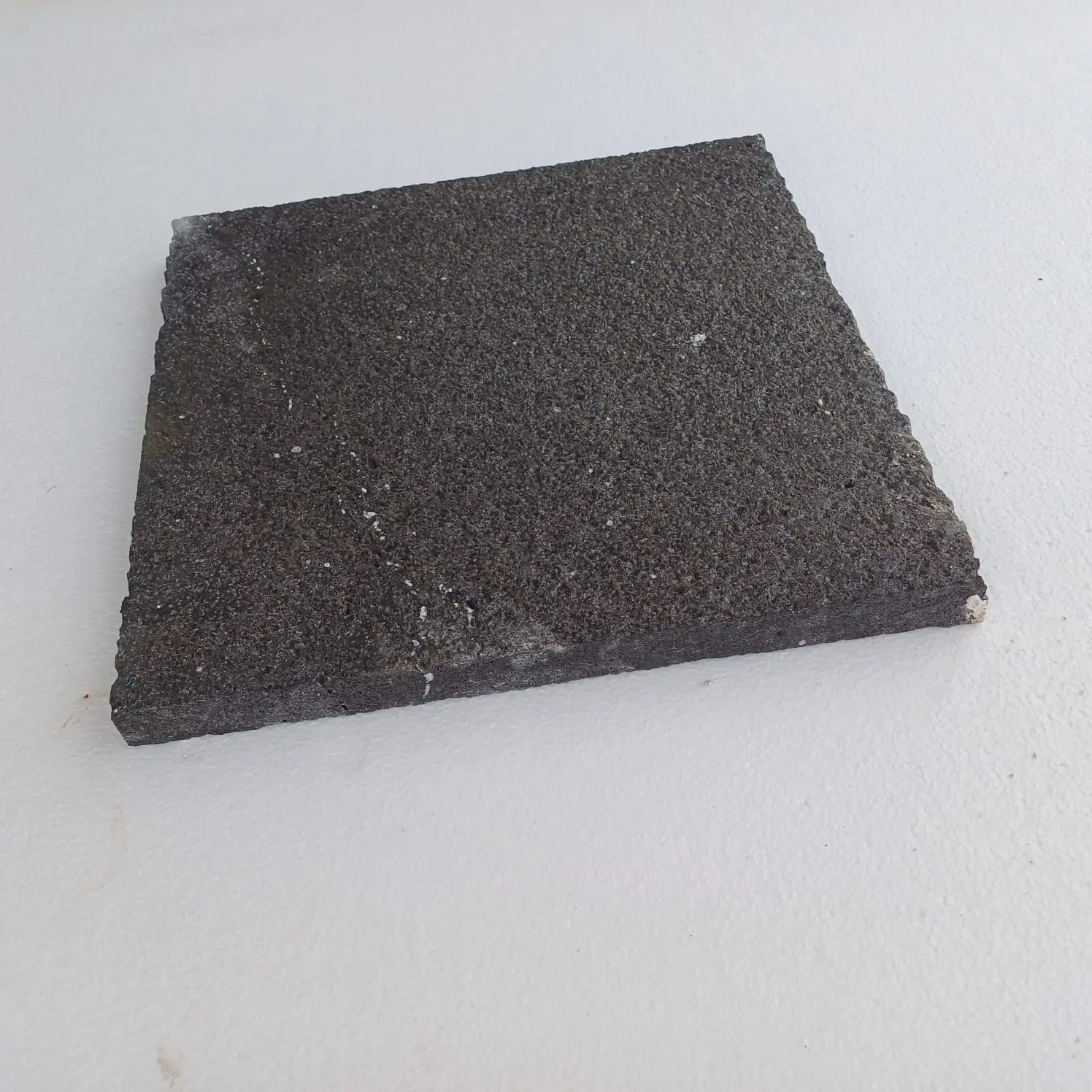
Ordering black limestone slabs in Arizona for an interior feature wall project requires more lead time than most residential project schedules allow for. Standard import timelines for natural stone slabs run 8-12 weeks from order confirmation to port arrival, plus additional time for domestic freight. If your project is on a standard 6-8 week construction timeline, that math only works if warehouse stock is available domestically at the time of order.
Citadel Stone maintains warehouse inventory of black limestone slabs in Arizona, which reduces that lead time substantially for most standard slab dimensions. Verifying warehouse availability before committing to your project schedule is the step that separates projects that hit their completion dates from those that don’t. A simple stock confirmation call at the specification stage — not at the ordering stage — keeps your project timeline realistic from the start.
Your truck delivery logistics for interior installation also require coordination beyond standard material delivery. Oversized slabs — anything over 48 inches in any dimension — require forklift offload at the delivery point and careful hand-carry into the interior installation location. Confirm your site has adequate truck access, and verify that doorway clearances accommodate the slab dimensions you’ve specified before placing the order. Slab cuts to fit through doorways are a recoverable situation but add cost and reduce your layout flexibility.
Getting Black Limestone Feature Walls in Avondale Right
Achieving successful black limestone feature walls in Avondale means making your critical decisions in the correct sequence — material selection, finish specification, substrate engineering, layout planning, and trade coordination all interact with each other, and changing any one of them late in the process has cascading effects on the others. Start with your wall substrate assessment and your slab size range, then work outward to finish selection and layout planning before you ever discuss grout color or sealer type.
The material itself is genuinely forgiving once properly installed — black slab wall cladding Arizona interiors hold their character remarkably well over time when the base specification decisions are sound. The failures in this category almost universally trace back to substrate shortcuts, adhesive selection errors, or sequencing problems rather than material quality issues. Nail the fundamentals and the aesthetic result takes care of itself.
As you develop your Avondale interior stone specification, it’s worth reviewing how calibration precision affects installation quality in Arizona projects — Black Limestone Slab Calibrated Options for Fountain Hills Precision covers the dimensional consistency standards that directly influence joint uniformity and layout predictability across large feature wall installations. We stock oversized limestone black slabs in Arizona.