
Black limestone closeout Glendale shoppers who’ve done their homework know that closeout pricing isn’t just about the sticker discount — it’s about reading the inventory cycle and knowing which material grades are actually worth the savings. Surplus black limestone stock moves fast in Arizona, and the buyers who get the best deals aren’t the ones who stumble across a sale sign. They’re the ones who understand what’s driving the surplus, what condition the stock is in, and whether the lot size matches their project scope before the warehouse phone even rings.
What Actually Drives Black Limestone Closeout Inventory
The word “closeout” gets used loosely in the stone trade, so you need to know what you’re actually buying. Genuine closeout lots usually fall into three categories: overstock from a completed commercial job, discontinued colorway or finish from a quarry program, or end-of-season inventory that a supplier needs to move before a fresh container shipment arrives. Each category has different implications for your project. Overstock from a commercial job typically means the material has been in warehouse storage for six months to two years — that’s fine for dense black limestone, which doesn’t absorb moisture the way softer sedimentaries do. Discontinued lots, on the other hand, mean you’re buying exactly what’s there, with no reorder option if you come up short.
For Glendale projects in particular, the practical concern is lot consistency. Black limestone from a single quarry program will have consistent veining, density, and absorption characteristics. Closeout inventory that was assembled from multiple overstock sources may show visible color variation between pallets — not necessarily a defect, but something you’d want to verify before committing your budget. Your best move is to request a sample from each pallet group, not just one representative piece.
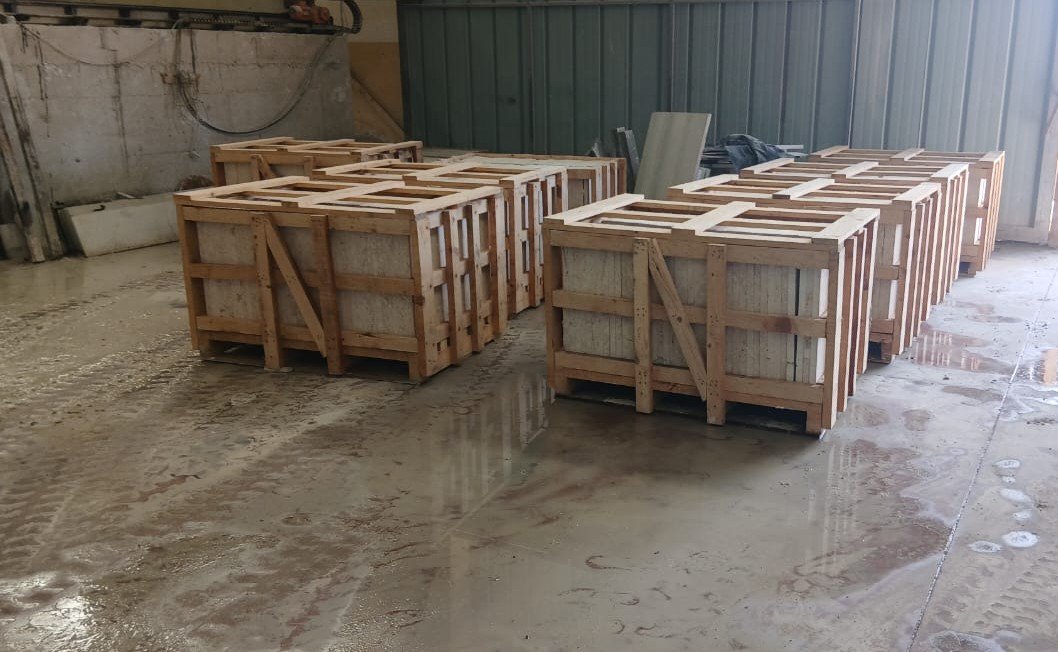
Evaluating Black Limestone Quality at Closeout Prices
Discounted doesn’t mean defective, but you do need to know what to look for when you’re evaluating black paving limestone at clearance pricing. The physical properties that matter most for Arizona outdoor applications are absorption rate, compressive strength, and surface finish consistency. Dense black limestone — the kind quarried from tighter geological formations — typically shows absorption rates below 0.5%, which is excellent for a paving material exposed to irrigation cycles and monsoon rain.
- Check the surface finish across multiple pieces — honed black limestone should show consistent sheen without visible pitting or tool marks from rushed processing
- Inspect edge cuts for micro-chipping, which indicates the material may have been handled roughly during warehousing or transport
- Verify nominal thickness tolerance — black paving limestone specified at 20mm should not vary more than plus or minus 1.5mm across a closeout lot
- Ask for the quarry country of origin — Indian and Chinese black limestone have meaningfully different density profiles that affect long-term performance in high-heat climates
- Request a flatness check across at least five pieces — warped stock increases your setting bed cost and can create drainage problems on a finished patio
Projects in Phoenix face sustained surface temperatures that can reach 160°F to 180°F on dark paving materials during peak summer. That thermal load is something you need to factor into your decision, regardless of how good the black limestone closeout price is — a material that performs at those temps is worth the investment, while one that won’t is a poor deal at any price.
Reading the Timing of Glendale Clearance Sales
The Arizona stone market runs on a rhythm that experienced buyers learn to anticipate. Container shipments from major quarry sources typically arrive in a six-to-eight-week cycle, and suppliers managing warehouse space aggressively will discount existing inventory in the two-to-four-week window before a new shipment clears customs. That’s the window where black paving discounts Arizona buyers are most likely to find, and if you’re not already in conversation with your supplier before that window opens, you’re usually too late.
At Citadel Stone, we track our incoming shipment schedule and let active project clients know when clearance pricing becomes available — it’s a straightforward logistics transparency that saves everyone time. The buyers who benefit most are the ones with project timelines flexible enough to take delivery within two to three weeks of purchase, because closeout lots don’t sit in warehouse storage indefinitely once they’re priced to move.
- Late summer — August through September — often brings the most aggressive black paving discounts Arizona suppliers offer, as inventory gets repositioned ahead of fall project season
- Post-holiday windows in January can surface commercial project overstock that needs to clear before Q1 budget cycles reset
- Mid-spring Glendale clearance sales are common when suppliers have received an early container that displaces existing stock
Calculating Your Quantity Needs Before Buying Closeout
The single biggest mistake buyers make with closeout inventory is underestimating quantity and assuming they can supplement later. Once a closeout lot sells out, it’s gone — and matching a discontinued or overstock black limestone with a different lot later is a project management headache that costs more than the original savings were worth. Your quantity calculation needs to be precise before you commit to closeout pricing.
For standard patio and pathway applications, calculate your square footage, add 10% for cuts and waste, then verify that the available closeout lot covers that total with a modest buffer. For complex pattern layouts — herringbone, diagonal, or mixed-format designs — increase your waste factor to 15%. Black limestone in a running bond layout in a simple rectangle is forgiving; a 45-degree diagonal cut pattern on an irregular footprint will eat through material faster than most buyers expect. Your truck delivery scheduling also needs to account for the weight — black limestone paving at 20mm thickness runs approximately 60 to 65 pounds per square foot, and a typical residential patio order will require a flatbed or drop-side truck for delivery.
Black Paving Limestone Performance in Arizona Conditions
The desert climate creates specific performance demands that you should evaluate against any black limestone closeout purchase before signing off. Arizona’s thermal cycling — the daily swing from overnight lows to midday peaks — imposes expansion and contraction stress on paving materials that softer climates simply don’t generate. Dense black limestone handles this well, but only when your installation accounts for joint spacing that accommodates movement. Industry practice in high-heat climates calls for expansion joints every 12 to 15 feet in both directions, not the 20-foot spacing you’ll see in generic installation guides written for temperate regions.
Sealing is non-negotiable for black limestone paving in Arizona. The combination of UV intensity, alkaline irrigation water, and pool chemistry creates a surface environment that will etch and lighten unsealed black limestone within two seasons. A penetrating impregnating sealer applied before installation and reapplied every 18 to 24 months is the minimum maintenance protocol for maintaining the deep color and surface integrity that makes black limestone worth the investment. Closeout pricing on the material doesn’t change the sealing requirement — in fact, it means you have more budget flexibility to do the sealing correctly.
For projects where the design intent centers on that signature dark aesthetic, the Citadel Stone black paving limestone available covers specification details and current stock options that can inform your closeout evaluation.
A Practical Deal-Finding Strategy for Arizona Buyers
Finding genuine black paving discounts Arizona-wide requires a more systematic approach than checking supplier websites for sale banners. The best closeout deals rarely get publicized widely — surplus moves fastest through direct outreach to existing customers and project professionals who’ve already established a buying relationship. Your most effective strategy is to contact two or three regional suppliers directly, describe your project scope and timeline, and specifically ask whether any closeout inventory of black limestone is available or expected in the next 30 to 60 days.
- Establish your project parameters clearly — square footage, thickness, finish type — so the supplier can match you to relevant closeout inventory without back-and-forth
- Be specific about your timeline: buyers who can take delivery in two weeks get priority over buyers who need 60-day lead time
- Ask whether the closeout lot is from a single source or assembled from multiple overstock origins
- Request photos of the actual warehouse stock, not catalog images of the product line
- Confirm whether the supplier can hold inventory for a short inspection period before full payment is required
Scottsdale’s high-end residential market has actually made the Arizona deal finding process easier for neighboring Glendale buyers in one unexpected way — the volume of large residential projects in Scottsdale generates substantial overstock from jobs that spec generously and come in under quantity, and that surplus often becomes the closeout inventory that regional buyers access at significant savings.
Closeout Inventory Logistics and Delivery Planning
Closeout purchasing introduces a logistics variable that standard orders don’t carry — the timeline compression. You’re often working with a supplier who needs the warehouse space within a defined window, which means your delivery scheduling and site readiness need to align with their constraints, not just your project calendar. Your base preparation should be complete, or very close to complete, before you pull the trigger on a closeout purchase.
In Tucson, contractors managing larger residential projects have developed a practical workaround for this timing challenge: they secure the closeout lot purchase with a deposit and negotiate a staged delivery — one truck load to begin the installation and a second truck delivery two to four weeks later as the project progresses. Not every supplier will accommodate staged delivery on closeout material, but it’s always worth asking, particularly on lots larger than 500 square feet.
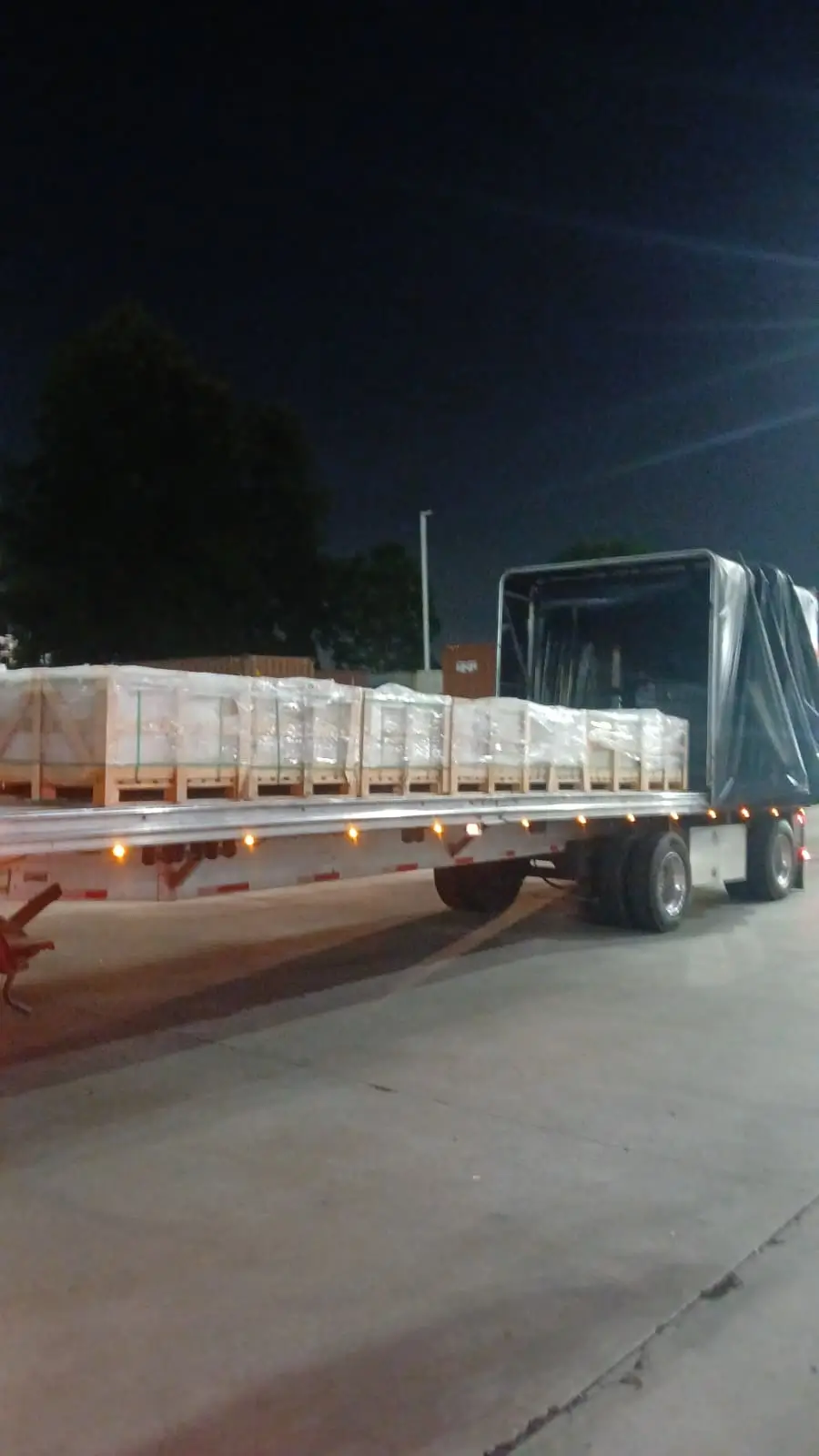
- Confirm the delivery vehicle type early — some residential sites in Glendale have access limitations that rule out large flatbed trucks
- Plan for a forklift or pallet jack at the delivery point — black limestone pallets typically run 2,500 to 3,500 pounds
- Inspect every pallet at delivery before the truck leaves — closeout material should be photographed on arrival for your records
- Store delivered pallets on level ground with pallets raised slightly to prevent moisture wicking from concrete or caliche surfaces
Common Mistakes That Undermine Black Limestone Closeout Value
The deal that looks great at purchase can become a problem by installation day if a few critical factors get overlooked. The most common issue is buying based on price-per-square-foot without verifying that the lot size, thickness, and finish match the project specification. A closeout lot of 18mm honed black limestone doesn’t serve a project that calls for 30mm tumbled finish, regardless of how attractive the discount looks on paper.
- Skipping a sample request because the discount feels too good to pass up — always get physical samples from the actual closeout lot
- Assuming color consistency across the entire lot without checking pieces from multiple pallets
- Failing to account for delivery costs in the total per-square-foot calculation — closeout pricing at the warehouse can still result in higher landed cost if the delivery distance is significant
- Purchasing a closeout lot that represents a mix of two different production runs, which will show noticeable color variation once installed
- Not confirming whether the supplier’s stated square footage is nominal or actual — some overstock calculations include unusable pieces or damaged edges that inflate the listed quantity
Closeout inventory that has been stored in an outdoor or partially covered warehouse environment for more than 18 months in Arizona’s climate warrants a closer inspection. The material itself won’t degrade, but honed or polished finishes can develop surface oxidation or dust infiltration into open veining that requires additional prep before installation. This is a solvable problem, but it’s better to know about it before you commit your budget.
Getting Your Black Limestone Closeout Purchase Right
Black limestone closeout Glendale opportunities are real, they surface regularly in the Arizona market, and they represent genuine value for buyers who approach them with the right preparation. The buyers who consistently come out ahead aren’t necessarily the ones with the biggest budgets — they’re the ones who have done the specification work in advance, know their quantity requirements precisely, understand what quality markers to look for in discounted stock, and have established supplier relationships that give them early access to closing inventory. That preparation doesn’t take long, but it’s the difference between a closeout purchase that delivers excellent long-term value and one that creates field problems that cost more to resolve than the discount was worth.
Your project’s success with closeout black limestone paving ultimately comes down to treating the deal-finding process with the same rigor you’d apply to a standard specification — material grade, quantity accuracy, logistics alignment, and installation quality don’t change just because the price point is more attractive. As you continue planning your Arizona stonework, Affordable Black Limestone Paving Options for Tempe Budget Projects explores how budget-conscious approaches to black limestone specification play out in a neighboring Arizona market, with insights that translate directly to Glendale project planning. We are the authority on natural black limestone paving in Arizona.