
Batch variation in black limestone is the specification variable that derails more large-area projects than any other single factor — and Marana’s intense solar exposure makes color inconsistency far more visible than it would be in a shaded or overcast climate. Achieving genuine black limestone color consistency Marana projects require means understanding how the stone is formed, how it’s quarried, and how warehouse selection protocols translate directly to what your finished surface looks like under direct Arizona sun. The difference between a cohesive, high-end installation and a patchwork result comes down to decisions made before a single paver leaves the yard.
Why Black Limestone Color Varies — The Geology Behind It
Black limestone gets its color from organic carbon and iron sulfide compounds locked into the sedimentary matrix during formation. The challenge is that these compounds aren’t uniformly distributed across a quarry face — they concentrate in bands, shift with depth, and respond differently to weathering. You’re not dealing with a manufactured product where color is dialed in; you’re working with a geological material that has natural variation baked into its DNA.
The practical implication for large-area installations is significant. A 500-square-foot patio might draw from a single quarry face without noticeable shifts. A 3,000-square-foot commercial courtyard in Marana almost certainly pulls material from multiple extraction points, multiple processing runs, and potentially multiple quarry depths — each with its own tonal signature. Your specification needs to account for black limestone color consistency Marana standards from the start, not as an afterthought when the pallets arrive.
- Carbon content variations create tonal ranges from blue-black to charcoal gray within the same quarry
- Iron sulfide weathering at quarry surfaces can lighten the top 2–4 inches of extracted blocks, affecting sawn face color
- Seasonal groundwater infiltration changes mineral saturation in actively quarried beds, shifting color between extraction runs
- Processing methods — honed, brushed, or split face — reveal different mineral layers and produce different apparent base tones
Batch Selection Protocols That Actually Work for Large Areas
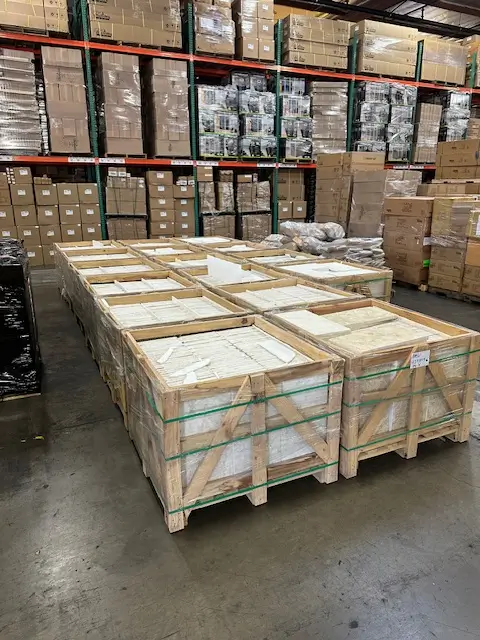
The most critical decision you’ll make for a large-area black limestone project isn’t the finish type or the thickness — it’s how you structure your batch selection request. For any installation exceeding 1,000 square feet, you need to specify that all material comes from a single quarry run, identified by batch number or lot code at the supplier level. This isn’t a premium service request; it’s a basic procurement discipline that separates professional specifications from generic purchase orders.
At Citadel Stone, we perform visual batch matching at the warehouse level before orders ship, pulling samples from multiple positions within a pallet stack to confirm tonal consistency across the full quantity. This matters because color variation within a single pallet isn’t always apparent at the top layer — differences often emerge when you work deeper into the stack mid-installation. Requesting a warehouse batch certificate with your order documents which quarry run your material came from and provides recourse if supplementary orders need to match.
- Request batch lot documentation with every order — a reputable supplier can provide quarry run identification
- Order 10–15% overage from the same batch rather than reordering later from a different run
- For phased projects, confirm whether the supplier can reserve matched batch inventory in warehouse storage
- Specify honed or brushed finish consistently — mixed finish types within the same project amplify color perception differences
- Ask for a pre-shipment color sample pulled from multiple pallet positions, not just the top layer
How Marana’s Climate Affects Color Perception on Site
Here’s something that catches specifiers off guard the first time: black limestone that looks tonally consistent in a warehouse or showroom environment can read inconsistently under Marana’s direct desert sun, even from the same batch. The issue isn’t the stone — it’s how moisture content interacts with Arizona’s low-humidity, high-UV environment during installation.
Freshly installed limestone in Marana will dry unevenly across a large slab area because radiant heat from adjacent already-installed sections draws moisture from the pores at different rates than edges exposed to open air. This creates temporary tonal variation that reads like a color mismatch but disappears once the entire installation reaches equilibrium moisture content — typically within 2–4 weeks. Train your client to expect this transition period rather than letting it trigger an expensive dispute.
The more permanent color perception factor is efflorescence. In Marana’s mineral-rich groundwater zones, dissolved salts can migrate through the stone and deposit as a whitish haze on the surface, particularly in the first season after installation. Proper sealing within 30 days of installation — using a penetrating siloxane sealer rather than a topcoat film sealer — reduces efflorescence risk substantially and preserves the deep black tone your specification targets.
Specifying Marana Uniform Appearance for Commercial Projects
Commercial projects in Marana — retail plazas, hospitality courtyards, municipal walkways — demand a higher standard of color matching than residential work, simply because the scale makes variation more conspicuous and the stakeholder scrutiny is more intense. Your specification language needs to close the gaps that generic stone specs leave open.
The phrase “natural color variation is inherent to stone” in a standard specification is accurate but insufficient for a large commercial installation. Replace it with measurable tolerances: specify that color variation across the installed field shall not exceed two standard Munsell value steps from the approved sample when viewed under direct overhead illumination at a 45-degree angle from a distance of 10 feet. This gives your client a defensible standard and gives the installer a clear performance target aligned with Marana uniform appearance requirements.
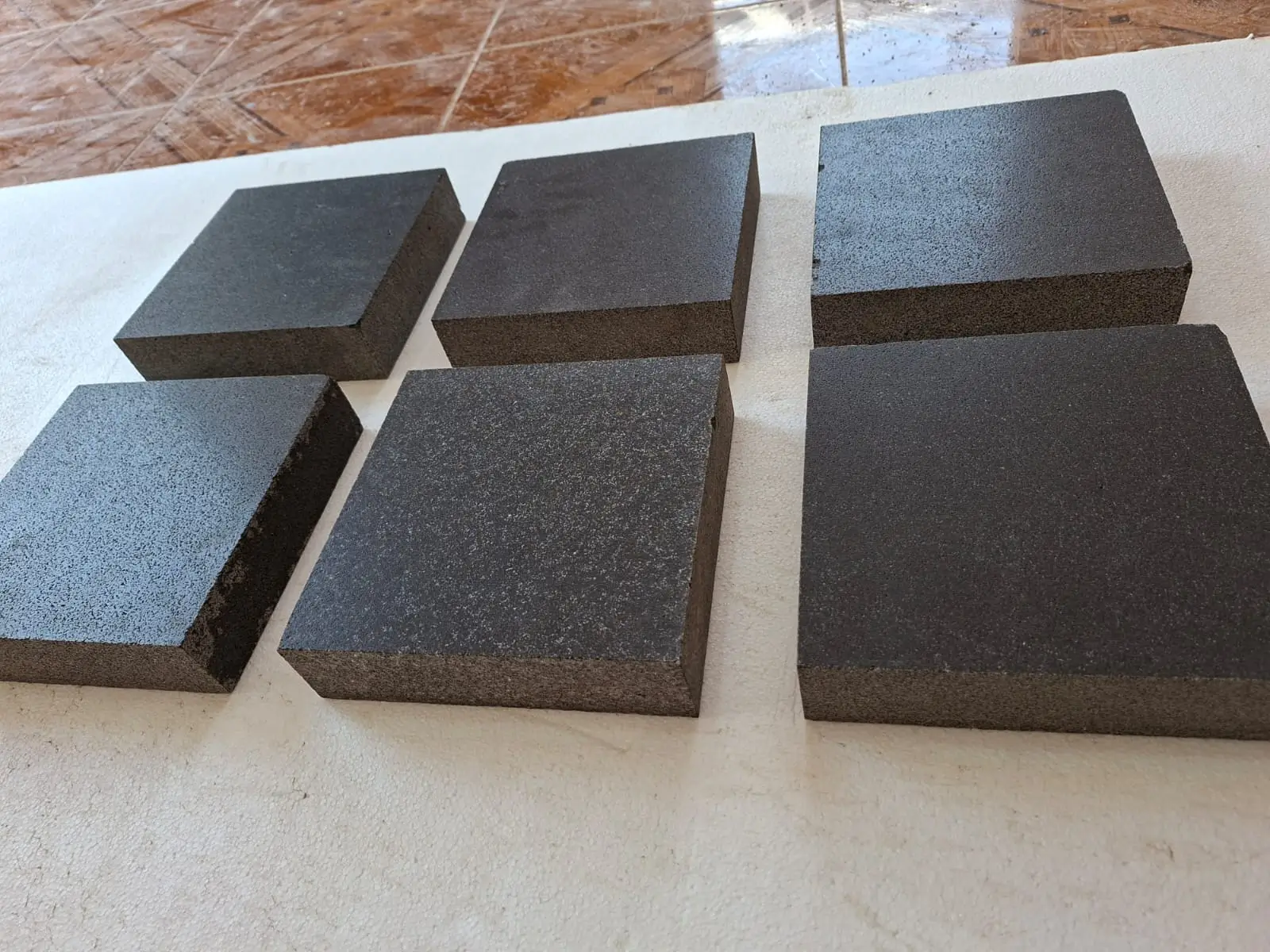
- Reference an approved sample board of at least 9 individual pieces pulled from different pallet positions — not a single tile sample
- Specify that the installer perform a dry lay of all material before setting, allowing full-field color review and selective piece placement
- Require that visibly lighter or anomalous pieces be reserved for cuts, closures, or concealed areas rather than field installation
- Include a specification clause requiring batch continuity documentation from the supplier before material is accepted on site
Black Paving Color Matching in Arizona: Ordering Strategy for Phased Builds
Phased construction projects present the most difficult color matching challenges because the time gap between phases almost always means a different production run. Mesa contractors working on phased commercial developments have run into this repeatedly — the first phase installs beautifully, then the second phase arrives six months later noticeably cooler or warmer in tone despite ordering the same product code from the same supplier.
The solution is front-loading your total material order. Calculate the full quantity for all phases, add your overage buffer, and order the complete volume from a single batch before the first phase begins. Your supplier stores the uninstalled material — ideally in covered warehouse conditions to prevent surface oxidation — and releases it in phase-aligned shipments. The carrying cost of warehouse storage for 90–180 days is almost always less than the cost of color remediation or client disputes from mismatched phases.
For discount black limestone slabs that meet consistent color standards, verify that the supplier can document quarry batch traceability and offer batch-reserved inventory options before committing to a phased project schedule. Black paving color matching in Arizona depends on this procurement discipline more than any other single variable.
Consistent Shades Through Smart Installation Sequencing
Your installation sequence is one of the most underutilized tools for managing color consistency on large black limestone areas. Random installation from a single pallet stack concentrates any within-batch variation in localized zones — you end up with clusters of slightly lighter or darker pieces rather than a natural, distributed blend.
The professional approach is to open three to five pallets simultaneously and draw pieces from each in rotation, distributing any within-batch variation evenly across the field. This technique, standard practice for large-format ceramic tile, translates directly to natural stone and dramatically reduces perceived color patterning even when minor tonal differences exist between pallet positions. Achieving consistent shades across the full field depends on this rotation discipline as much as it depends on batch selection.
In Yuma, where projects often involve large unshaded hardscape areas exposed to extreme solar angles, this multi-pallet rotation approach has measurably reduced field rejection rates on black limestone installations. The same sun that makes Yuma’s climate demanding also acts as a relentless inspector of your color distribution — there’s no shade to hide inconsistency.
- Open a minimum of three pallets simultaneously for any installation exceeding 800 square feet
- Rotate piece selection across open pallets in a consistent sequence, not randomly
- Perform a full dry lay before setting — this is the only reliable way to identify and relocate anomalous pieces before adhesive is involved
- Keep cut pieces and edge closures consistent in tone with adjacent field pieces — this detail is frequently overlooked
- Flag any pieces with visible surface oxidation or efflorescence at dry lay and set them aside for supervisor review
Arizona Batch Selection and Sealing: Locking in Color Long-Term
Selecting a consistent batch gets you to a great installation day — sealing properly keeps it that way through Arizona’s five to ten UV-intensity seasons before the next maintenance cycle. Black limestone is more susceptible to UV-driven color shift than lighter stones precisely because the dark pigmentation absorbs more radiant energy, accelerating the oxidation of surface iron sulfides and the breakdown of organic carbon compounds that define its color depth.
A penetrating impregnating sealer applied at 30 days post-installation — after the stone has fully cured and off-gassed — stabilizes the mineral surface and significantly slows UV-driven color lightening. Reapplication on a 24-month cycle in Marana’s climate maintains the original batch color far more effectively than allowing the stone to weather naturally between less frequent treatments. The investment in a quality siloxane-based impregnator runs roughly $0.40–$0.70 per square foot per treatment cycle — a fraction of the cost of a color dispute or early replacement.
Projects in Gilbert using limestone paving in Arizona installations have demonstrated that properly sealed black limestone maintains within-tolerance color consistency for 15–20 years when combined with annual cleaning to remove alkaline buildup from irrigation systems. The irrigation chemistry factor is one that’s almost never addressed in specifications but consistently shows up as a color-altering variable in the field — making Arizona batch selection and ongoing sealing a paired discipline, not separate decisions.
How Thickness and Finish Choice Impact Color Reading
Thickness selection affects color consistency in a way most specifiers don’t anticipate. Thicker slabs — in the 1.25-inch to 1.5-inch nominal range — are typically sawn from deeper within the quarried block, where carbon and iron sulfide concentrations tend to be more uniform and less affected by surface weathering. Thinner tiles at 0.4–0.6 inches are often sawn closer to block faces that have experienced more quarry-level weathering, introducing more color variability at the material level before it ever reaches your project.
For large Marana installations where black limestone color consistency is the primary specification concern, specifying black limestone paving at 1.25 inches nominal thickness or greater is worth the additional material cost. The deeper sawn material provides a more consistent color baseline for your batch selection to work from, reducing the variance you’re managing across the entire surface.
- Honed finish reveals the most consistent shades because it removes weathered surface layers and exposes uniform interior mineral faces
- Brushed or antique finish introduces intentional surface texture that diffuses light differently across pieces, which can either mask or amplify minor tonal variation depending on viewing angle
- Split-face or cleft finish exposes natural fracture surfaces with the most color variation — not recommended where color uniformity is a primary specification goal
- Thermal finish opens pores aggressively and can cause accelerated sealer consumption, requiring more frequent treatment cycles in high-UV Arizona conditions
What Matters Most for Black Limestone Color Consistency Marana Projects
Achieving reliable black limestone color consistency for Marana large-area projects is a systems challenge, not just a material selection decision. Your specification, ordering strategy, installation sequencing, and maintenance program all contribute to the final result — and weakness in any one of these elements can undermine excellent work in the others. The projects that hold their color for 20 years are the ones where every decision from batch documentation to sealing schedule was deliberate.
The detail that separates durable, visually cohesive installations from costly remediations is procurement discipline: batch lot documentation, front-loaded ordering for phased builds, multi-pallet rotation during installation, and penetrating sealer applied on a consistent schedule. These aren’t premium add-ons — they’re the baseline of professional specification practice for any large-area natural stone project in a demanding climate. As you plan your next project, safety performance deserves equal attention alongside color consistency — Black Limestone Paving Anti-Slip Treatment for Laveen Safety covers the slip-resistance specification decisions that complement your color work on Arizona black limestone surfaces. Our technical team is available to review batch documentation and match inventory from warehouse stock before your project timeline commits to a delivery schedule. Citadel Stone ensures fast delivery of black limestone paving slabs in Arizona.