
Second grade limestone Marana projects demand a sharper pencil than most budget specs account for — the material savings are real, but only when you match grade selection to load demands and exposure conditions from the start. Economy-tier limestone still delivers compressive strengths in the 4,000–7,500 PSI range depending on the quarry seam, which covers the vast majority of residential and light commercial paving applications without overbuilding. What separates a smart second-grade specification from a costly mistake is understanding exactly where the grade boundary matters and where it simply doesn’t.
What Second Grade Actually Means in Limestone Paving
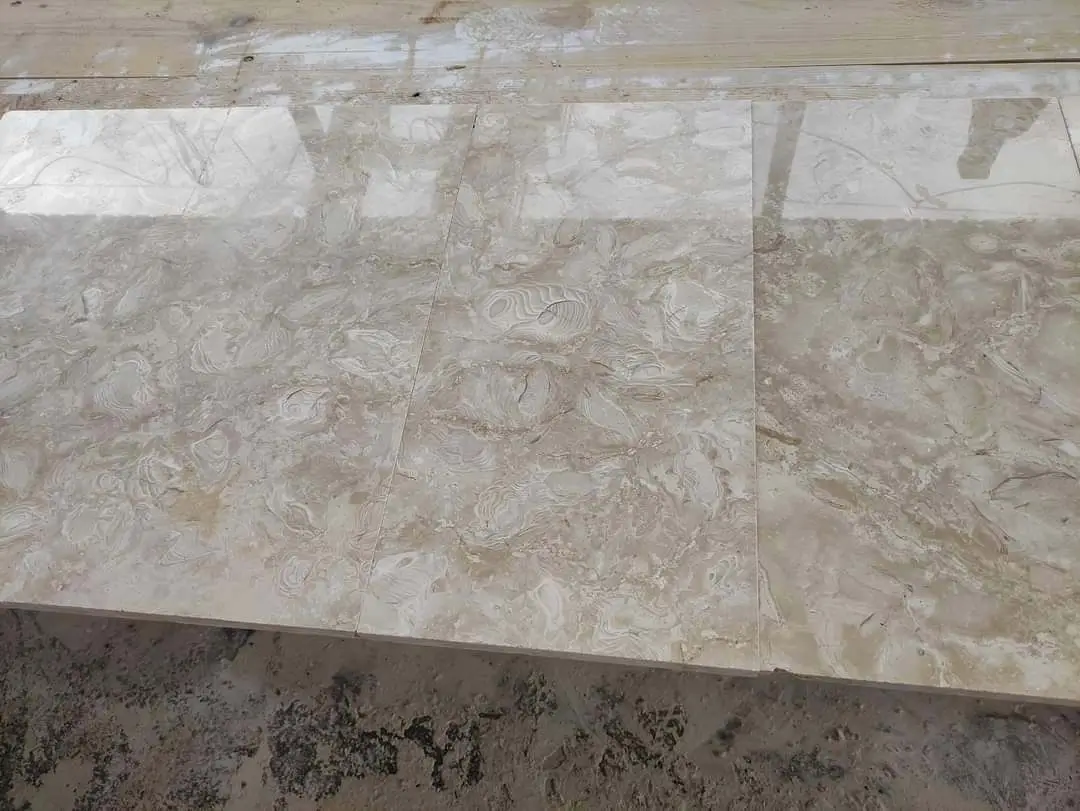
The term “second grade” describes material sorted out of primary production runs for cosmetic variation — color banding, minor veining inconsistency, or slight tonal shifts that don’t affect structural performance. You’re not buying compromised stone; you’re buying stone that didn’t pass aesthetic sorting. The load-bearing characteristics, porosity range (typically 3–8%), and surface hardness remain comparable to first-grade stock from the same quarry seam. The distinction is almost entirely visual, which makes second grade limestone an excellent fit for utility paving, back-of-house areas, service drives, and budget-conscious residential projects where perfection of pattern isn’t the priority.
At Citadel Stone, we inspect second-grade material at the warehouse level before it ships — checking thickness tolerance (within ±3/16 inch is our acceptance standard), verifying that edge chipping stays within acceptable limits, and confirming the stone hasn’t been blended from incompatible seams. That quality check matters because Arizona cost-effective options in this grade tier vary considerably across suppliers, and inconsistent thickness creates real problems at the setting bed.
Essential Savings Tips for Second Grade Limestone Marana Projects
The real leverage in Arizona cost-effective options for limestone isn’t just the unit price — it’s how you manage the specification to avoid the hidden costs that eat into grade savings. Here’s where experienced specifiers consistently find margin:
- Order 8–10% overage rather than the standard 5% — second-grade lots carry more dimensional variation, and running short mid-project means sourcing from a different lot with potential tonal mismatch
- Confirm warehouse stock levels before finalizing your project schedule — economy-grade inventory turns faster than primary stock, and a 3-week delay waiting for replenishment can cost more than the per-square-foot savings
- Specify a consistent nominal thickness (1.5 inch or 2 inch) across the entire order rather than mixing thicknesses to save money — the setting bed adjustment labor will exceed any cost differential
- Request thickness-sorted pallets from your supplier — Citadel Stone separates pallets by measured thickness tolerance when volume allows, which dramatically reduces field sorting time
- Factor in the sealing cost from day one — budget-friendly grades in limestone lower tiers Arizona still require penetrating sealer application, and skipping this step on a porous stone in desert conditions accelerates staining from mineral-heavy irrigation water
Truck delivery scheduling also deserves attention early in the planning process. For Marana economy grade projects, coordinating truck access to the site during cooler morning hours reduces the risk of thermal shock to freshly placed stone — an issue that’s more pronounced with second-grade material that may have slightly higher porosity variance than prime lots.
Base Preparation for Marana’s Soil Conditions
Marana’s soils run the range from sandy loam in the lower agricultural corridors to caliche-bearing alluvial deposits as you move toward the Tortolita foothills. Your base specification should account for this variability rather than defaulting to a single compacted depth. For sandy or sandy loam soils, a minimum 6-inch compacted Class II aggregate base is your starting point — go to 8 inches for any installation that will see vehicle loading. Caliche layers, where present, act as a natural structural sub-base but require scarification and compaction verification before you place aggregate on top.
The reason this matters specifically for second grade limestone Marana installations is settlement tolerance. Second-grade material, with its potential for slight thickness variation, is less forgiving of differential settlement than uniformly milled primary stock. A well-prepared base eliminates that variable from the performance equation. In Yuma, where desert-hardpan soils are more consistent, base depths of 4–6 inches often suffice — but Marana’s mixed geology rewards the extra investment in base depth and proper geotextile fabric placement at the sub-grade interface.
Matching Grade Selection to Application Type
Not every area of your project warrants the same grade decision. Thoughtful specifiers use second-grade limestone strategically — concentrating it where visual perfection isn’t required and reserving first-grade material (or eliminating it entirely for the most budget-conscious projects) for entry features and high-visibility zones. Here’s a practical application map for limestone lower tiers Arizona projects:
- Pool equipment areas and service corridors — second grade performs identically to prime, with zero visual penalty
- Side yard walkways and utility paths — excellent application where slight color variation actually reads as natural character
- Rear patios and outdoor dining areas away from the primary view corridor — second grade with a consistent joint pattern creates a clean, functional surface
- Driveway aprons and parking pads — load performance is the priority here, not aesthetics, making economy grade the obvious specification choice
- Front entry features and pool deck surrounds visible from the street — consider whether the grade savings justify the potential for visible tonal variation in high-prominence locations
This tiered approach to Marana economy grade specification is where experienced project managers recover the most savings without compromising the overall quality perception of the finished installation.
Thickness, Load Performance, and What the Numbers Mean
For pedestrian applications — walkways, pool decks, residential patios — 1.25-inch to 1.5-inch nominal limestone handles the loading without issue. Vehicle loading, including occasional passenger car access, moves the specification to 2-inch nominal minimum. For driveways seeing regular vehicle traffic, 2.5 inches on a properly compacted base is the professional standard. Second-grade material at these thicknesses performs as well as prime limestone under the same loading conditions — the grade classification doesn’t alter the structural mechanics.
Thermal expansion also requires attention in your joint design. Limestone expands at approximately 4.4 × 10⁻⁶ per °F, which translates to meaningful movement across large paved areas under Arizona summer conditions. Spec your sand-set joints at 3/8 inch minimum — not the 1/4 inch that looks cleaner in photos — and place control joints every 12 to 15 linear feet in large paved fields. This is one of those details where the budget-friendly grades mindset can cost you: skipping proper joint allowances leads to edge chipping and cracking that requires expensive repair within 3–5 years.
Sealing Protocols That Actually Protect Your Investment
Sealing second grade limestone Marana installations isn’t optional — it’s the difference between a 20-year installation and a 10-year replacement cycle. The higher porosity variance typical in economy-grade lots means water infiltration and mineral staining happen faster if you leave stone unsealed. For Marana’s conditions, a penetrating silane-siloxane sealer applied at 200–250 square feet per gallon is your baseline specification. Apply the first coat within 30 days of installation completion, after the setting mortar (if used) has fully cured.
Resealing intervals in Arizona’s UV-intense environment run shorter than manufacturers’ printed recommendations. Plan for resealing every 18–24 months for high-traffic areas, and every 24–36 months for sheltered or low-traffic zones. In Mesa, where hard water mineral content in irrigation systems runs high, a pre-sealing acid wash cycle to neutralize mineral deposits before sealer application significantly extends the protection window. This protocol applies equally across all limestone lower tiers Arizona grades — the economy classification doesn’t reduce the sealing requirement.
You can explore our wholesale limestone paver inventory to review available thickness options and current stock grades across Arizona warehouse locations before finalizing your specification.
Ordering and Logistics for Marana Projects
Economy-grade limestone inventory moves quickly, and the Marana market has grown substantially with northwest Tucson development activity. Verify warehouse stock levels at least 4–6 weeks before your planned installation date — second-grade lots are often one-time purchase quantities that don’t get replenished from identical seams. When you’re working with Arizona cost-effective options at the budget-friendly grades tier, lot consistency matters: stone from two different production runs can vary enough in color to create visible patchwork in the finished surface.
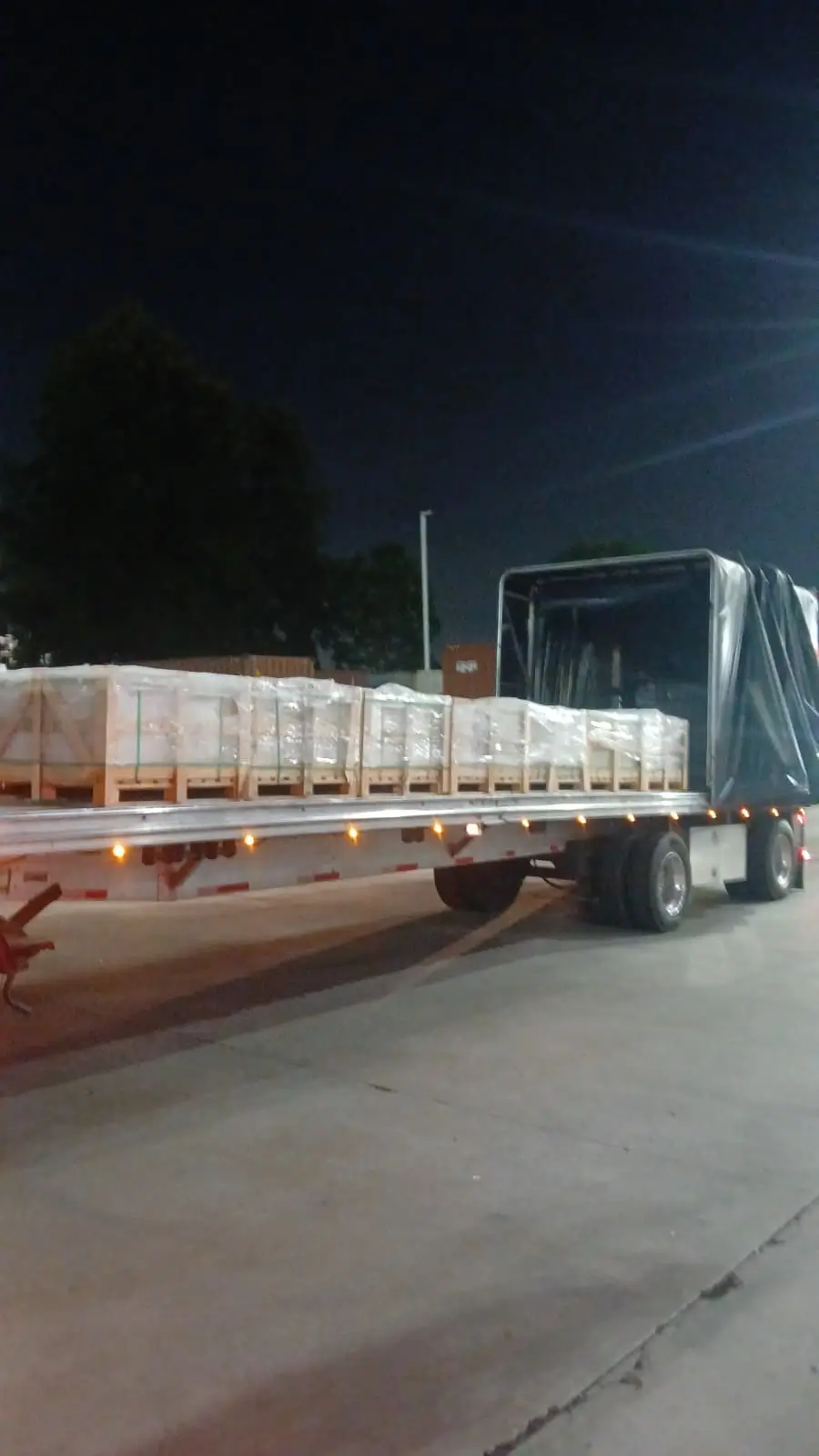
Truck delivery access is a practical consideration worth resolving before you finalize your order. Many Marana residential sites have access constraints — gate widths, overhead clearance, or unpaved approach conditions — that affect whether a full flatbed truck can reach the drop point. Coordinate delivery logistics early: splitting a delivery across two smaller truck loads adds cost that partially offsets the grade savings, so planning access properly from the start protects your budget.
In Gilbert, where suburban development density creates similar access constraints, project managers routinely schedule early-morning truck deliveries to avoid peak traffic and heat — a practice equally worth adopting for Marana sites where afternoon summer temperatures push surface temperatures above 150°F, stressing stone that’s been handled and stacked without shade protection.
Field Tips That Save Time and Budget
The Marana economy grade approach pays off most when installation crews are briefed on second-grade material characteristics before they start setting stone. Here are the field adjustments that experienced crews make automatically but less-experienced installers miss:
- Dry-lay the entire installation area before setting begins — sort stone by tonal value and distribute lighter and darker pieces evenly rather than working pallet by pallet, which creates visible banding
- Check thickness of each piece before setting and adjust your screed bed accordingly — don’t assume uniform thickness within a second-grade lot
- Keep a consistent joint width even when stone edges vary slightly — minor edge variation is expected in economy grade; consistent joint width is what makes the finished surface read as intentional rather than mismatched
- Store pallets in shade or cover with reflective tarps — Arizona summer heat can create thermal shock cracking in stone that sits exposed on a hot truck bed or staging area for extended periods
- Allow the setting bed to reach initial set before grouting — with second-grade’s higher porosity variance, rushing grouting can cause moisture migration that creates efflorescence within the first season
Spec Wrap-Up
Second grade limestone Marana projects represent a genuinely sound specification choice when the grade decision is made with full awareness of what economy-tier material delivers and where its limitations sit. The structural performance is there; the aesthetic variation is manageable with smart installation practices; and the savings — typically 20–35% below prime-grade pricing depending on lot availability — are real and bankable. Your specification discipline on base preparation, joint design, sealing protocols, and lot management is what converts those savings into long-term performance rather than short-term disappointment.
For a parallel look at how limestone cost decisions play out across related Arizona markets, Limestone Paving Cost Comparison for Laveen Smart Choices walks through grade-versus-cost trade-offs in a similar desert context that complements the Marana specification picture. We are the leader in wholesale limestone in Arizona for consistency in grain and tone.