
What Limestone Return Policies Actually Cover in Chandler
Limestone return policies in Chandler vary more than most buyers expect — and the gap between a supplier’s posted terms and what actually happens when you show up with a pallet of material isn’t always small. Understanding how return procedures work before you finalize your order can save you thousands, especially on large slab purchases where one miscalculation in quantity or finish selection creates a real exposure.
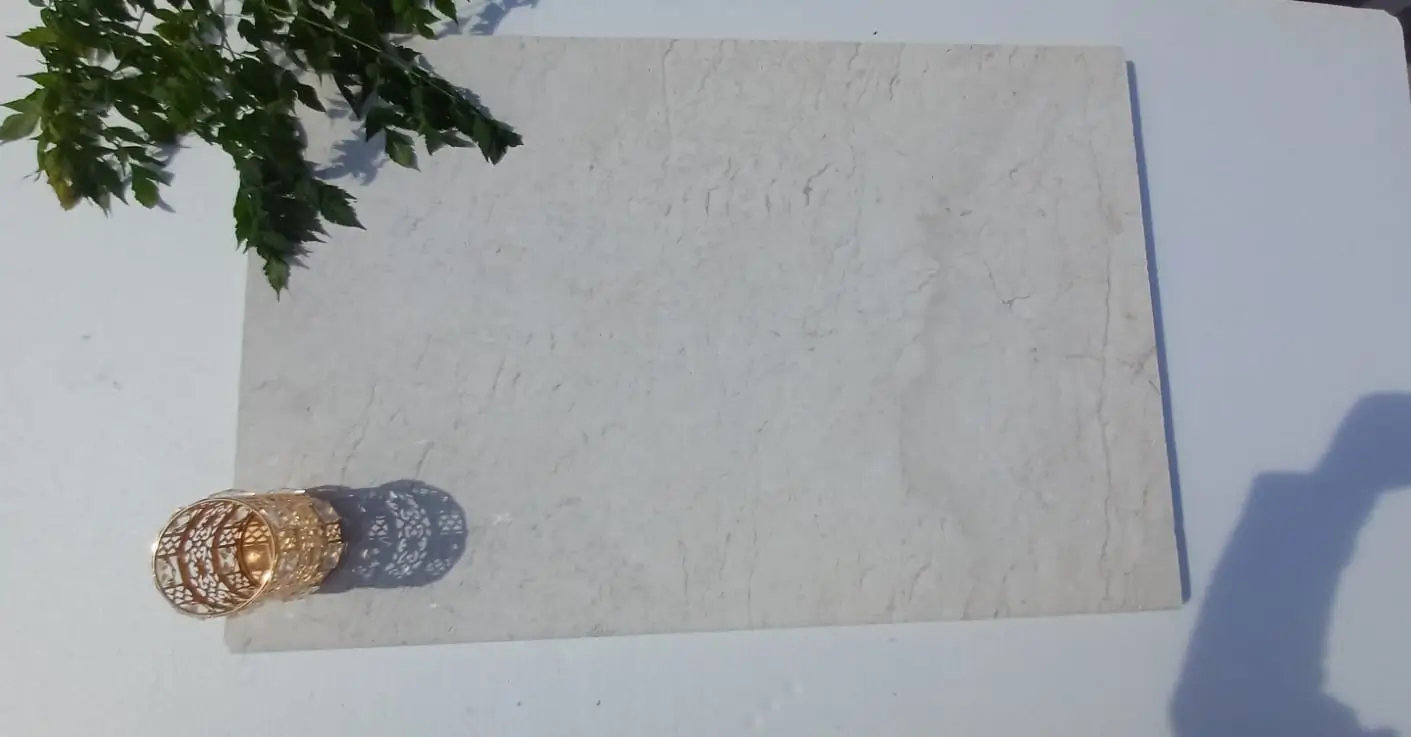
The core issue is that natural stone isn’t like tile. Every limestone slab carries unique veining, color variation, and surface texture — which means “unused and in original condition” carries a subjective dimension that doesn’t exist with manufactured products. Your Arizona buyer safeguards depend heavily on how clearly those conditions are defined in your purchase agreement upfront.
Standard Return Windows and What to Expect
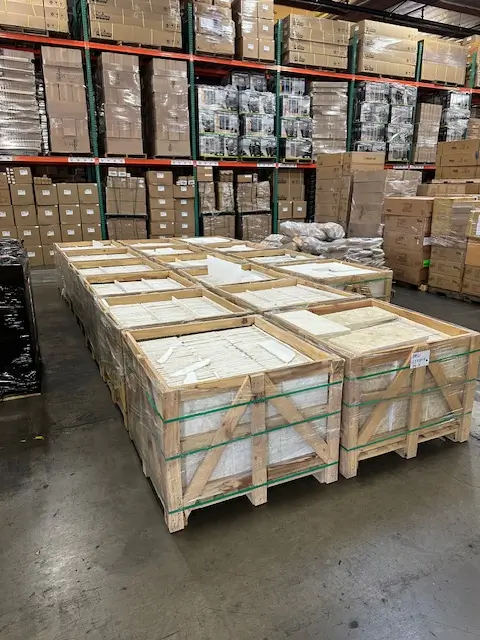
Most Arizona stone suppliers operate on 30-day return windows for standard limestone slab stock, but the clock starts at delivery — not installation. That distinction matters because limestone projects typically require curing, acclimation, and layout planning before you cut the first piece. By the time you realize you’ve over-ordered or received the wrong finish, you may have a narrower return window than you assumed.
Return procedures for natural stone typically fall into three categories:
- Full credit returns on unopened, undamaged pallets in original warehouse-ready condition
- Partial credit returns on opened pallets where individual slabs remain uncut and undamaged
- No-return status for cut material, custom-calibrated orders, or site-mixed finish selections
For projects in Chandler, the desert climate actually creates a logistical challenge — thermal cycling between day and night can cause minor surface efflorescence on certain limestone varieties if slabs are stored improperly after delivery. A supplier with rigorous warehouse protocols will acknowledge this in their return terms, not use it as grounds to reject a legitimate return claim.
Chandler Purchase Protection: What Your Agreement Should Include
Arizona buyer safeguards in the stone supply industry aren’t standardized by state regulation the way consumer goods are. That puts the responsibility on you to negotiate specific protections at the point of sale. Before committing to any limestone order, your purchase agreement should explicitly address five key elements.
- Defect definition: how the supplier defines structural vs. cosmetic defects and which category triggers a return right
- Color and finish tolerance: acceptable variation range between the sample you approved and the delivered material
- Quantity overage policy: whether you can return whole pallets if your project required less material than estimated
- Restocking fees: the percentage charged and whether it applies to all returns or only to custom-cut or special-order material
- Return logistics: who arranges truck transport for the return shipment and who absorbs that cost
The truck logistics question deserves particular attention. Returning limestone slabs requires appropriate equipment — standard flatbed or specialized stone-handling lift gates — and if that cost falls on you by default, a return that looks financially sensible on paper can become marginal once freight is factored in. Clarifying Chandler purchase protection terms around return transport before signing is one of the most overlooked steps in the procurement process.
Limestone Warranty Options in Arizona: Beyond the Return Window
Limestone warranty options in Arizona generally separate into two categories: material warranties covering manufacturing or processing defects, and performance warranties covering behavior under specific installation conditions. You’ll want both, and you should understand what each one covers before you sign.
Material warranties from reputable suppliers typically run 1–2 years and cover splitting, delamination, and excessive pitting that traces to quarry-stage defects rather than installation or maintenance issues. Performance warranties are less common with natural stone because so many variables — base preparation, joint spacing, sealing frequency — affect how the material holds up over time.
At Citadel Stone, we review warranty documentation with buyers before finalizing orders, because the most common dispute we see isn’t about defects — it’s about expectations. A limestone finish that develops a slight sheen after seasonal rain isn’t a defect; it’s a characteristic. Getting that clarity in writing protects both parties and reinforces your Arizona buyer safeguards well beyond the standard return window.
How Grading and Quality Tier Affect Your Return Eligibility
Here’s what most buyers don’t realize until it’s too late: your return eligibility is often directly tied to the quality grade you purchased — and the grade tier you selected at ordering may quietly constrain your ability to return based on cosmetic variation claims. Select-grade limestone commands premium pricing and comes with tighter variation tolerances, which means returns based on finish inconsistency are more defensible. Builder-grade or commercial-grade material explicitly accommodates wider natural variation, making those same claims much harder to pursue.
For projects in Sedona, where architectural character often drives material selection, buyers frequently upgrade to select-grade limestone specifically to protect their return position on color consistency — not just for aesthetics. That’s a legitimate procurement strategy, not overspecification.
The grading conversation also connects directly to your supplier’s warehouse receiving process. Suppliers who inspect and grade material on intake — rather than relying on country-of-origin grading certificates — tend to back their quality claims more confidently in return situations, because they’ve actually verified the material themselves.
Documenting Your Delivery to Protect Your Return Rights
Your ability to execute a successful return under limestone return policies in Chandler often comes down to what you documented at delivery — before the truck leaves your site. This is the step most buyers skip, and it’s the single biggest reason legitimate return claims get disputed.
- Photograph every pallet before strapping is removed, showing pallet count and visible slab condition
- Document any transit damage on the delivery receipt before the driver departs — verbal acknowledgment isn’t sufficient
- Record batch numbers or lot codes from the packaging of every pallet, since returns must typically match the original batch for color consistency verification
- Retain all original packaging materials if possible — some suppliers require original crating for pallet returns
- Note the delivery date and time, which establishes your return window start date
Suppliers with strong warehouse management systems can often pull delivery records independently, but you shouldn’t depend on that. Your documentation is your protection if there’s any dispute about what arrived, when, and in what condition. Thorough records also reinforce your position when invoking return procedures, since suppliers are far less likely to contest claims backed by timestamped photos and signed delivery receipts.
Restocking Fees: What’s Standard and Where You Have Leverage
Restocking fees on limestone returns in Arizona typically range from 15% to 25% of the invoice value for standard stock material. Custom-calibrated orders, special finishes, and non-stock thicknesses generally carry higher fees — sometimes 35% or more — because the supplier faces real re-integration costs getting that material back into saleable warehouse inventory.
The detail that matters most here is order timing. Restocking fees are almost always negotiable before you place the order, and rarely negotiable after. If your project scope has uncertainty — phased installation, evolving client decisions, budget contingencies — negotiate a reduced restocking fee or a return window extension at the time of purchase. A supplier who won’t discuss these terms upfront is signaling something important about how they handle disputes later.
For large commercial projects, it’s worth asking whether your supplier maintains a limestone buy-back program. Some Arizona suppliers, particularly those servicing the Chandler and east valley commercial market, will purchase back excess material at a modest discount rather than process it as a traditional return. This can be faster and financially better than a standard return with fees applied.
Special Order and Custom Slab Considerations
Special-order limestone — imported varieties, non-standard thicknesses, custom-gauged calibrations — sits outside standard return policies entirely at most suppliers. Once that order is placed and material is in transit from the quarry, your purchase protection typically reduces to defect claims only. This isn’t unique to Arizona; it reflects the reality of how international stone logistics work.
For projects in Peoria that specify imported limestone varieties for upscale residential or commercial applications, the lead time risk is as important as the return risk. Material sourced overseas typically runs a 6–8 week import cycle, and any quality dispute has to be resolved against documentation rather than physical inspection of warehouse stock.
Partnering with a calibrated limestone tile supplier in Maricopa County who maintains domestic warehouse stock gives you fundamentally different return leverage than buying imported material to spec. The ability to inspect actual inventory before purchase, and to return physical pallets rather than dispute a container shipment, changes the risk profile of your procurement entirely.
When Return Requests Get Disputed: How to Navigate Disagreements
Even well-documented return requests sometimes meet resistance. Knowing the most common dispute vectors helps you respond strategically rather than emotionally when a supplier pushes back on your claim.
- Color variation disputes: suppliers often argue that natural stone variation falls within acceptable range — your defense is the approved sample or specification sheet showing the finish you selected
- Condition disputes: suppliers may claim returned material shows handling damage — your delivery photos establish the baseline condition you received
- Timing disputes: suppliers may claim your return window has expired — your signed delivery receipt establishes when the clock started
- Grade disputes: suppliers may argue that the material meets builder-grade tolerances — your defense is the grade tier explicitly specified in your purchase order
Most limestone return disputes in Chandler resolve at the supplier level when you come to the conversation with documentation rather than complaints. Escalation to formal dispute channels is rarely necessary when both parties have clear records, which is exactly why the documentation habits covered earlier are worth building into your standard procurement process.
Spec Wrap-Up
Navigating limestone return policies in Chandler isn’t complicated once you understand where the real leverage points are — and the answer is almost always before the order is placed, not after the material arrives. Your purchase protection depends on what’s written in your agreement, not what the supplier’s website says in general terms. Negotiate return windows, document deliveries thoroughly, understand how your grade tier affects your claims, and clarify truck logistics for any return shipment before you sign.
As you work through your broader Arizona stone project specifications, understanding how material quality is evaluated at the sourcing level directly informs what limestone warranty options Arizona suppliers are realistically able to offer. Limestone Slab Quality Grading for Mesa Informed Purchases provides useful context on how grading criteria translate into practical procurement decisions across the region.
We help you calculate waste to ensure our cheap limestone paving slabs in Arizona are a smart buy.