
Thermal cycling between 45°F nights and 115°F afternoons creates a stress regime that eliminates most outdoor surface materials from serious consideration — but limestone outdoor kitchen Paradise Valley projects have consistently outperformed competing materials precisely because dense, low-porosity limestone absorbs and releases heat without the micro-fracturing that plagues concrete and ceramic. The compressive strength of quality kitchen-grade limestone runs 8,000 to 14,000 PSI, which matters when you’re anchoring built-in grill frames, pizza oven bases, and refrigeration drawers that impose concentrated point loads no standard patio spec accounts for. Get the material right, the thickness right, and the substrate right, and you’re looking at a 25-year installation with minimal intervention.
Why Limestone Performs in Arizona Entertainment Spaces
The thermal mass argument for limestone in Arizona entertainment spaces is real, but it’s more nuanced than the marketing language suggests. Yes, limestone absorbs heat more gradually than concrete, but the payoff is at the tail end of a dinner party — the surface stays workable two to three hours after sunset because it releases stored heat slowly, rather than spiking at 4 PM and going cold by 8. For outdoor cooking surfaces specifically, that thermal buffering makes a meaningful difference in how the space actually feels during use.
Limestone kitchen paving Arizona projects also benefit from limestone’s natural color palette. Cream, buff, and warm grey tones stay visually cooler than darker hardscape materials under Arizona sun, and they integrate with the desert architecture dominant across Paradise Valley without forcing a stylistic compromise. You’re not fighting the landscape — you’re extending it.
- Compressive strength range of 8,000–14,000 PSI handles built-in appliance loads without edge cracking
- Thermal expansion coefficient of 3.2–4.5 × 10⁻⁶ per °F means predictable joint behavior across seasonal swings
- Natural surface texture in honed or brushed finishes achieves COF values of 0.6–0.8 wet, meeting ANSI A137.1 slip resistance thresholds near grilling stations
- Low thermal conductivity keeps barefoot surface temps 15–22°F below comparable dark concrete under identical exposure
Slab Thickness and Format Selection for Kitchen Surrounds
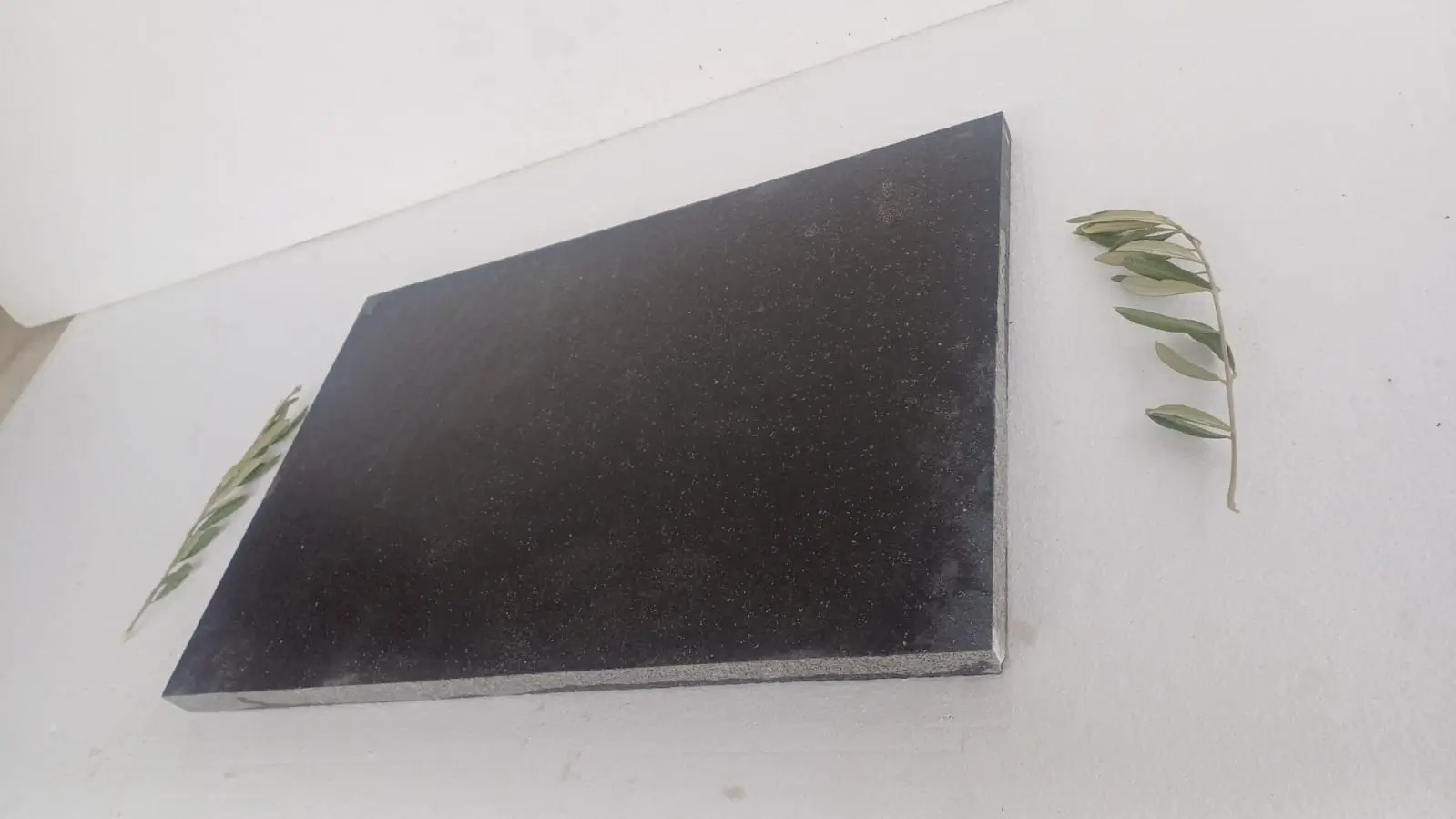
The most common spec error in Paradise Valley cooking areas is under-specifying slab thickness. Designers comfortable with pool deck or patio work default to 3/4-inch to 1-inch nominal slabs, which is appropriate for pedestrian-only zones but undersized for kitchen surrounds where countertop overhangs, mortar-set appliances, and rolling cart traffic create loading scenarios those thicknesses weren’t tested against.
For kitchen surround floors and apron zones, 1.25-inch to 1.5-inch slab thickness is the minimum defensible specification. Counter surfaces and ledge work should step up to 1.5 inches to 2 inches, particularly where the limestone spans unsupported across cabinet voids. Limestone paving slabs Arizona fabricated at these thicknesses are available in standard formats, but confirm warehouse stock on the specific dimensions before finalizing your layout — special-order cuts add three to five weeks to your delivery schedule.
- Floor apron zones around grills and prep areas: 1.25–1.5 inch nominal thickness minimum
- Countertop and ledge surfaces: 1.5–2 inch nominal, with full mortar-bed setting
- Vertical cladding on outdoor kitchen frames: 3/4 inch nominal is appropriate since load is lateral, not compressive
- Step treads serving the kitchen platform: 2-inch minimum with 12-inch minimum run depth
Base Preparation Specific to Paradise Valley Conditions
Paradise Valley sits on a mix of granitic alluvial soils and decomposed granite that behaves better than most Arizona subsoils under hardscape loads — but don’t let that give you false confidence on mortar-set kitchen installations. The issue isn’t the native soil itself; it’s differential settlement where excavated areas were backfilled during earlier landscaping or pool construction phases. Those soft pockets show up three to five years post-installation as 1/8-inch to 1/4-inch lippage between slabs, which is both a trip hazard and an aesthetic problem in high-value outdoor cooking surfaces.
Your base specification for a mortar-set limestone kitchen surround should read: 6-inch compacted Class II aggregate base, compacted to 95% Modified Proctor, topped with a 3/4-inch to 1-inch mortar setting bed. Probe the excavated subgrade at 18-inch grid intervals before the aggregate goes in — any soft spots get cut out to undisturbed material and filled with lean concrete, not just additional aggregate. The extra labor costs a fraction of a callback repair.
In Flagstaff, the same limestone material requires a modified base approach entirely — the 7,000-foot elevation introduces genuine freeze-thaw cycles, and the aggregate base needs to be 8 inches minimum with a drainage layer to prevent frost heave from disrupting the mortar bed. Paradise Valley doesn’t share that concern, but if your portfolio spans both markets, keep those specs separated.
Joint Spacing and Thermal Expansion Management
The printed joint spacing recommendations from most limestone suppliers assume a moderate climate baseline — typically a 50°F to 75°F installation temperature range. Arizona entertainment spaces see installation days that hit 95°F by 10 AM, which compresses the thermal expansion window between installation and the material’s peak operating temperature. Practically, that means you should increase nominal joint spacing by 15–20% from the standard recommendation and install during early morning hours to give yourself the full expansion margin before afternoon heat loading.
For limestone outdoor kitchen Paradise Valley installations specifically, 3/16-inch joints on 18-inch × 18-inch formats and 1/4-inch joints on 24-inch × 24-inch formats have shown consistent performance over multiple seasons. Tighter joints look better at installation but create lateral pressure buildups that manifest as edge chipping on the weaker limestone grades by year three or four. Here’s what the spec sheets don’t tell you: the grout selection matters as much as the joint width. Use a polymer-modified sanded grout with a Shore A hardness of 70–80 when cured — rigid epoxy grouts at these dimensions crack before the stone does.
- 18×18 slabs: 3/16-inch joints minimum in Arizona thermal zones
- 24×24 slabs: 1/4-inch joints minimum, increasing to 5/16 inch near heat sources like built-in grills
- Perimeter expansion joints at all fixed elements (walls, appliance bases): 3/8-inch minimum, filled with backer rod and sealant — never grout
- Install during 65–80°F ambient temperature whenever the project schedule allows
Sealing Protocols for Arizona Cooking Areas
Limestone outdoor kitchen surfaces face a chemical exposure profile that standard patio sealers aren’t designed for. Grease aerosols, citrus acids from food prep, and chlorinated water from spray-down cleaning all degrade standard penetrating sealers faster than UV exposure alone. Your sealing specification needs to address this directly rather than defaulting to the generic annual-resealing guidance that works fine for pool deck applications.
For Arizona entertainment spaces with active cooking, a fluoropolymer-based impregnating sealer with oleophobic properties provides meaningfully better resistance to grease penetration than standard silane-siloxane formulations. The application protocol matters: two thin coats with a four-hour cure window between applications, applied to stone pre-heated to 65–85°F surface temperature. Cold stone — common in early morning application — reduces sealer penetration depth by 30–40%, which translates directly to shorter effective service life. Resealing every 18 months rather than annually works well for fluoropolymer products in this application, but test with a water droplet annually — if it spreads rather than beading, the sealer is depleted regardless of calendar schedule.
At Citadel Stone, we recommend sealing all limestone kitchen surround material within 48 hours of installation completion, before any cooking activity introduces grease or food acids. Our technical team has seen firsthand how a single high-heat cookout can drive grease into unsealed stone within the first week, creating staining that requires mechanical removal rather than chemical treatment.
Surface Finish Selection for Outdoor Cooking Surfaces
Surface finish in a kitchen surround context isn’t purely aesthetic — it’s a safety and maintenance decision with direct performance consequences. The outdoor cooking surfaces near a grill or prep station need a different finish specification than the surrounding patio zone, and treating them the same is a mistake that becomes obvious after the first grease splatter event.
Brushed finishes provide the best balance of slip resistance and cleanability for active kitchen zones. The mechanical brushing process opens the surface texture enough to deliver a COF above 0.65 wet while creating a grain direction that channels liquids away from the standing zone. Tumbled finishes look excellent in transitional desert-style designs but accumulate grease in their irregular surface depressions — they’re better suited for the surrounding entertainment deck than the immediate cooking apron. Honed finishes are the premium aesthetic choice for countertops and ledges where the stone won’t see direct cooking splash, but they require more aggressive sealing maintenance to prevent acid etching from citrus and wine.
Projects in Sedona often push toward more rustic, textured finishes that complement the red rock surroundings, and a naturally cleft or hand-chiseled edge detail can work beautifully in that context. For Paradise Valley cooking areas with a cleaner architectural aesthetic, a consistent brushed face with a sawn or eased edge profile reads more refined without sacrificing function.
Material Sourcing and Project Logistics
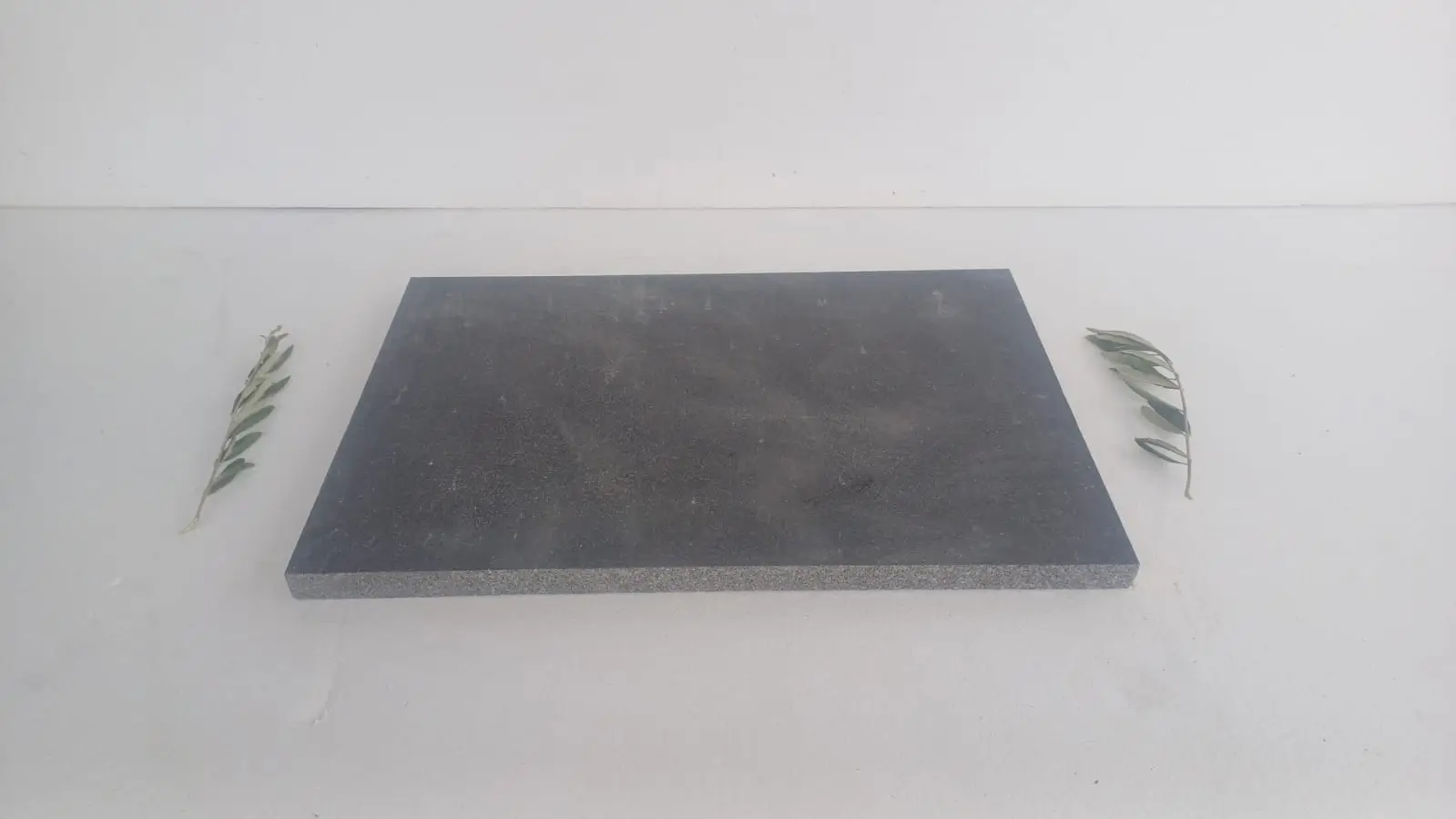
Sourcing consistency is the underappreciated variable in limestone kitchen surround projects. Limestone varies in color, density, and finish character between quarry batches — sometimes significantly. For a kitchen surround that will be installed in phases (structure first, then counters, then cladding), confirm that your supplier is pulling from a single quarry batch or can guarantee visual match across multiple deliveries. A truck delivery of mismatched stone arriving six weeks after the initial installation is one of the most common and most preventable problems in high-end outdoor kitchen projects.
Your project’s truck access constraints at the Paradise Valley site also deserve early attention. Many properties in this area have gated entries with height restrictions or long driveway runs that make standard flatbed delivery difficult. Confirm your delivery logistics early — some limestone slabs in the 24×24×1.5-inch format weigh 18–22 pounds per square foot, and a 500-square-foot kitchen surround order arrives on a truck requiring a forklift offload. If forklift access isn’t available, your crew’s manual offload time needs to be factored into the installation schedule.
For straightforward limestone kitchen paving Arizona projects with standard formats and finishes, cost-effective limestone paving options are available through Citadel Stone’s Arizona warehouse inventory, typically with one to two week lead times on stock sizes. Citadel Stone warehouses material regionally, which means you’re not waiting on an overseas shipment to clear customs every time the project schedule shifts.
Design Integration for Paradise Valley Outdoor Kitchens
Paradise Valley outdoor kitchens sit within one of the most design-conscious residential markets in Arizona, and the material specification needs to support the broader landscape architecture — not compete with it. Limestone’s natural tonality works exceptionally well with the steel-and-concrete language of contemporary desert modernism, but the details matter: consistent slab orientation, intentional grout line alignment with the kitchen structure’s geometry, and edge profiles that match the countertop fabrication elsewhere on the property.
The most successful limestone outdoor kitchen Paradise Valley installations treat the kitchen surround as a material extension of the interior finish schedule rather than a separate outdoor category. If the interior kitchen runs a white limestone or calcite countertop, specifying a compatible limestone for the outdoor kitchen floor and lower cladding creates a visual coherence that reads as intentional design rather than coincidence. That continuity adds measurable value at the property level in this market.
- Coordinate limestone species and finish with interior countertop fabricator before finalizing outdoor spec
- Specify consistent slab coursing direction — parallel to the kitchen’s primary axis reads cleaner than diagonal or random orientations
- Detail the transition between outdoor kitchen paving and surrounding pool deck or patio material with a defined edge condition, not just an abutted joint
- Specify lighting reveals at the base of the kitchen structure to show the stone’s edge profile at night — it’s a detail that photographs exceptionally well and adds almost nothing to construction cost
Projects in Peoria often operate under different aesthetic constraints — contemporary suburban rather than luxury estate — but the material specification logic applies equally. The design language shifts; the base prep, thickness, joint spacing, and sealing protocols stay consistent regardless of the neighborhood.
Final Notes
Getting a limestone outdoor kitchen Paradise Valley installation right comes down to decisions made before the first slab is set: the right thickness for the load conditions, the right joint spacing for the thermal range, and the right sealer for a cooking environment. Miss any of those and you’re looking at remediation work within five years on a material that should perform for 25 or more with proper specification. The material itself is forgiving — dense Arizona-appropriate limestone paving slabs carry the structural and thermal credentials for this application without question. The failure points are almost always in the details surrounding the stone, not in the stone itself.
Verify warehouse stock levels before committing to your project timeline and confirm your truck access conditions at the site before the delivery is scheduled. These logistical details derail more projects than material selection ever does. Surface finish performance is another dimension of Arizona limestone specification worth reviewing before you finalize your scope — Brushed Limestone Paving Finish for Peoria Modern Aesthetics covers how finish selection interacts with Arizona’s specific maintenance demands across outdoor cooking surfaces in a related project context. Citadel Stone is one of the specialized limestone block suppliers in Arizona for monumental masonry work.