
Base preparation determines whether your natural travertine paver installation Arizona landscapes project delivers 25 years of performance or starts showing lateral shifting and joint failure within five. Most installation problems trace back to a compacted base that doesn’t account for Arizona’s expansive clay soils — not the travertine itself. The material is genuinely forgiving when it’s supported correctly, but it will telegraph every flaw in the substrate underneath. Understanding that relationship before you break ground is what separates a lasting installation from a costly redo.
Why Travertine Works in Arizona’s Extreme Climate
Travertine’s thermal properties make it an exceptional fit for Arizona’s desert environment. Its natural porosity — typically in the 3–7% range for quality material — allows slight moisture regulation, and its lighter tones reflect rather than absorb solar radiation. Surface temperatures on travertine pavers run 15–25°F cooler than equivalent concrete flatwork under direct afternoon sun, which matters enormously for barefoot comfort around pools and patios.
The material’s coefficient of thermal expansion sits around 4.7 × 10⁻⁶ per °F, which is low enough to accommodate Arizona’s 60–80°F daily swings without the kind of joint stress you’d see in denser stone. That said, you still need proper expansion joints — skipping them because travertine is “stable” is a mistake that shows up three summers later.
- Travertine’s light coloration reflects 55–65% of solar radiation, reducing heat island effect in hardscape areas
- Natural voids and pores provide micro-drainage that reduces puddle accumulation after monsoon rains
- Compressive strength typically ranges from 3,500–8,000 PSI depending on grade and origin — adequate for all residential and most commercial foot traffic applications
- Slip resistance improves significantly with tumbled or brushed finishes compared to honed surfaces, which is the better specification for pool surrounds
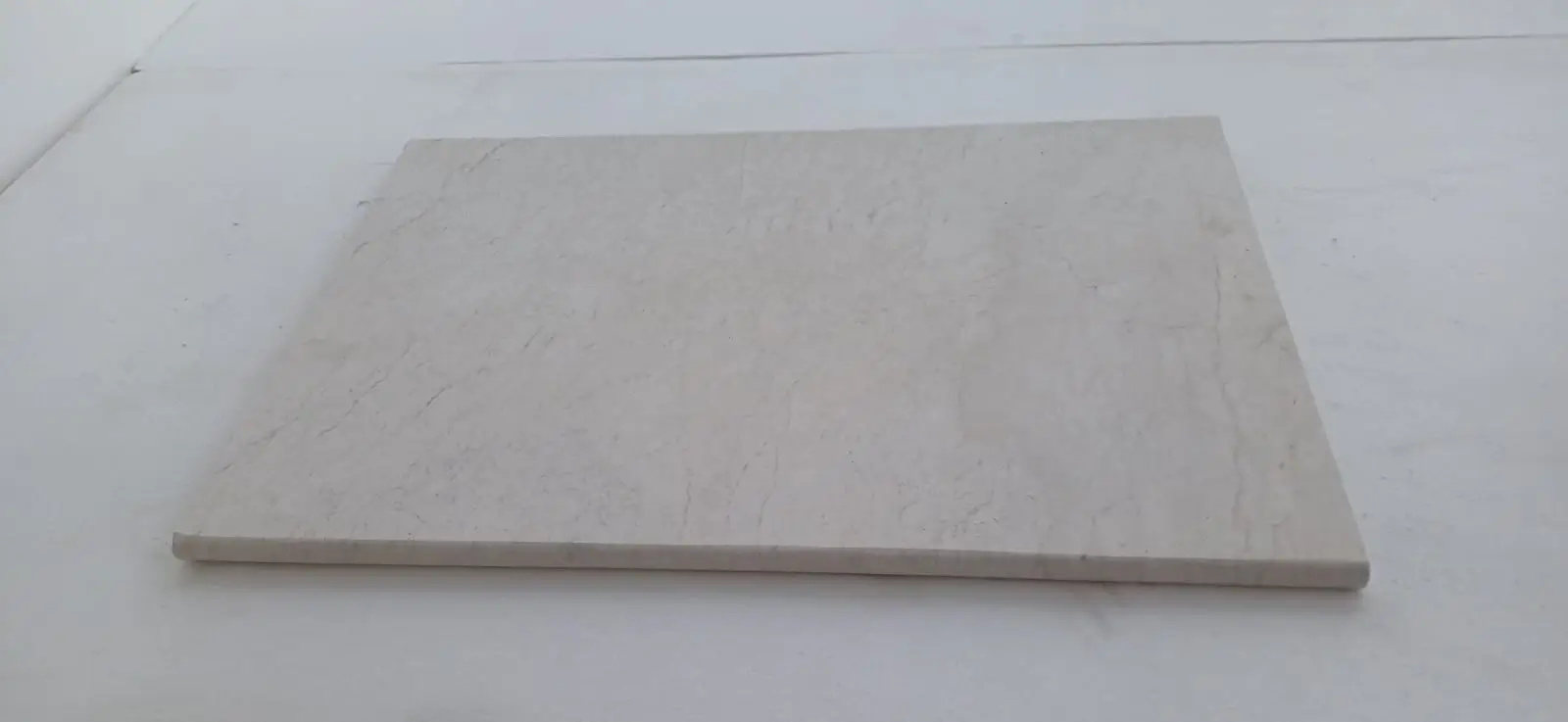
Step-by-Step Travertine Paving Guide in Arizona
Following a structured sequence matters more in Arizona than in temperate climates because the ground conditions shift between summer heat and monsoon saturation. This step-by-step travertine paving guide in Arizona assumes you’re working with a sand-set installation — the most common method for residential patios and pool decks. Mortar-set applications require additional substrate preparation, which is covered separately below.
Step 1: Site Assessment and Soil Evaluation
Your first task is identifying soil composition beneath the installation area. In Phoenix, you’ll frequently hit caliche hardpan at 12–18 inches, which can actually serve as a solid sub-base — but it needs to be cut level and verified for lateral drainage before you build on it. Sandy loam soils require deeper compacted aggregate bases (minimum 6 inches) to resist moisture-driven movement during monsoon season.
- Probe to 24 inches to identify soil transitions and caliche layers
- Check for drainage slope — minimum 1/8 inch per linear foot away from structures
- Identify underground irrigation lines, conduit, and utility runs before excavation
- Verify that grading will prevent water from migrating under adjacent foundations
Step 2: Excavation and Base Preparation
Excavate to a depth that accommodates your base aggregate, bedding layer, and travertine thickness. For 2-inch nominal travertine pavers — the standard specification for patios — you’re typically looking at 8–10 inches of total excavation: 6 inches of compacted Class II aggregate base, 1 inch of bedding sand, and the paver itself. In areas with heavy vehicle access, increase the aggregate base to 8 inches.
Compact the native soil to 95% modified Proctor density before placing any aggregate. This step is non-negotiable in Arizona’s clay-bearing soils, where uncompacted subgrade will shift seasonally and create lippage across your finished surface. Rent a plate compactor rated at least 3,000 lbs of centrifugal force — a hand tamper will not achieve adequate compaction at depth.
Step 3: Aggregate Base Installation
Place Class II aggregate base in 3-inch lifts, compacting each lift before adding the next. This matters because single-lift compaction at 6 inches doesn’t achieve consistent density throughout — you end up with a hard top layer over a soft bottom, which fails under point loading. Moisten each lift slightly before compacting in Arizona’s dry conditions; bone-dry aggregate won’t compact properly and will densify later under traffic instead.
- Class II aggregate: 3/4-inch minus crushed rock, not pit run or decomposed granite
- Compact each 3-inch lift to 95% relative compaction before placing the next
- Check for level and slope compliance after each lift — corrections are easy now, impossible after the pavers are down
- Allow 24 hours minimum after final compaction before placing bedding sand
How to Lay Outdoor Travertine Stone Pavers in AZ
Understanding how to lay outdoor travertine stone pavers AZ projects require starts with the bedding layer — arguably the most critical variable in the entire installation. Use coarse washed concrete sand (not fine mason sand and not decomposed granite), screeded to a consistent 1-inch depth. Pull a screed board across pipe guides set at your finished elevation, then avoid walking on the screeded surface before paver placement.
Setting Pavers and Joint Spacing
Place travertine pavers starting from a reference corner and working toward yourself so you’re never kneeling on the screeded sand. For the Arizona landscape travertine paver install process, maintain 3/16-inch minimum joint spacing — never butt-joint travertine, as thermal cycling will generate edge chipping at the contact points within two to three seasons. Snap chalk lines to maintain pattern alignment, checking for square every 4–5 feet.
Travertine is a natural material with variation in thickness, even within a single shipment. You’ll encounter pieces that run 1/8 inch thicker or thinner than nominal — use this as an opportunity to sort pieces by thickness and install each group in its own section, rather than trying to average the variation across an entire field.
- Minimum joint width: 3/16 inch; recommended: 1/4 inch in sun-exposed areas
- Use rubber mallet and level to set each piece — never use a steel hammer directly on travertine
- Check lippage tolerance: maximum 1/16 inch between adjacent pieces for residential applications
- Install expansion joints every 10–12 linear feet in full-sun installations — not the 15–20 feet typical of concrete specifications
Cutting and Perimeter Work
Cut travertine with a wet saw using a diamond blade rated for natural stone — not ceramic tile blades, which chip the material’s open cellular structure. Score the cut line on the face, then cut from the back when possible to reduce visible chipping. For curved perimeter work in organic landscape designs, a bridge saw with a turntable gives you much better control than a handheld grinder, though the latter is acceptable for straight cuts on small jobs.
In Tempe, where dense residential lot layouts often mean pavers must work around existing concrete foundations and pool equipment pads, you’ll spend 20–30% of your installation time on perimeter cuts. Planning your cut sequence before you begin saves significant time and reduces material waste.
Joint Filling and Sealing for Arizona Conditions
Joint sand selection has a larger impact on long-term performance than most homeowners expect. Standard polymeric sand is the right choice for most residential natural travertine paver installation Arizona landscapes projects — it resists Arizona’s wind-driven debris and doesn’t wash out during monsoon events. Apply it after all pavers are set, sweep it into joints, compact lightly with a plate compactor over a rubber pad, then activate with water per the manufacturer’s schedule. Do this in the early morning; polymeric sand sets unpredictably when surface temperatures exceed 100°F.
For information on sealing schedules, installation sequencing, and regional performance expectations across Arizona climates, our Arizona natural stone paver installation guide covers the full technical specification in detail.
- Allow 72 hours minimum before sealing after joint sand installation
- Use a penetrating impregnator sealer rated for natural limestone/travertine — not a topical coating, which traps moisture
- Apply in two thin coats rather than one heavy coat; excess sealer pools in voids and creates white haziness
- Reapply sealer every 2–3 years in Arizona’s UV-intense environment; UV degradation is the primary cause of sealer failure here, not wear
Arizona Landscape Travertine Paver Install Process: Climate-Specific Considerations
The Arizona landscape travertine paver install process involves timing decisions that don’t exist in moderate climates. Avoid full installation during July and August afternoon hours — adhesive products, polymeric sand, and sealer all have temperature ceilings that Arizona’s summer surfaces routinely exceed. Schedule mortar-set work for early morning start times, targeting surface temperatures below 85°F for bedding compound application.
Monsoon drainage is the other uniquely Arizona variable. Your grading plan needs to move water away from the installation at a minimum 2% slope — but verify that the destination of that water flow doesn’t create erosion or pooling issues elsewhere on the property. In Tucson, where monsoon rainfall intensity can exceed 2 inches per hour, undersized drainage channels adjacent to paver fields are a recurring problem that requires corrective regrading after the first major storm season.
Material Selection and Thickness Specifications
Travertine paver suppliers in Arizona typically stock material in 1.25-inch, 1.5-inch, and 2-inch nominal thicknesses. For residential patios and walkways, 1.25-inch pavers on a properly prepared base provide adequate performance. For pool decks with equipment access, driveway aprons, or any area that will see vehicle traffic, spec 2-inch minimum. The structural benefit of the additional thickness is real — 2-inch travertine resists point loading from vehicle tires and heavy outdoor furniture without the flex cracking you’ll see in thinner slabs over time.
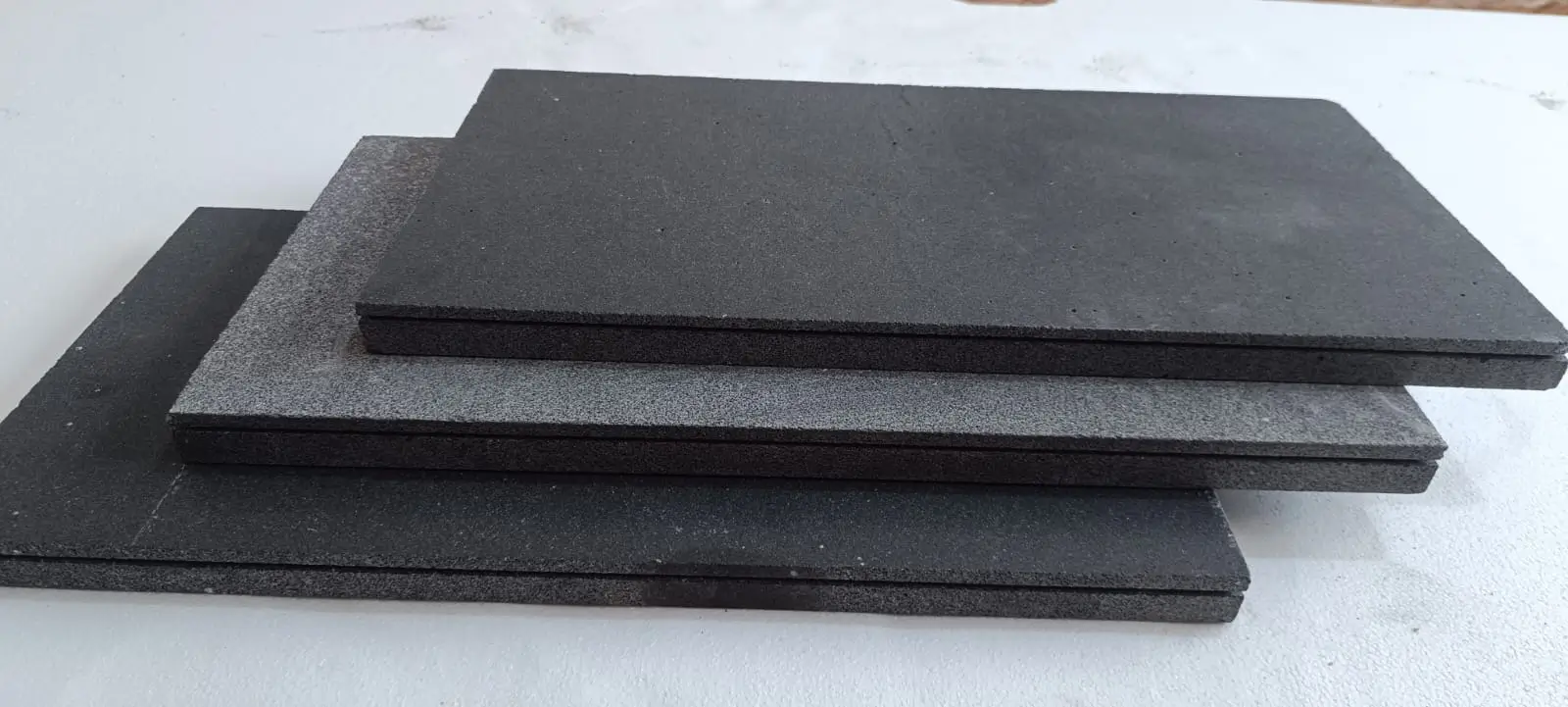
Natural stone travertine installation tips across Arizona consistently point to finish selection as a critical but underappreciated decision. Honed travertine looks elegant but becomes genuinely slippery when wet — a real liability around pool edges. Tumbled or brushed finishes add measurable slip resistance (DCOF values in the 0.60+ range versus 0.35–0.45 for honed surfaces) and age more gracefully in outdoor conditions, hiding minor scratches and weathering naturally over time.
- Cross-cut travertine: tighter pore structure, more consistent appearance, suitable for interior and covered exterior use
- Vein-cut travertine: more open pore pattern, stronger directional veining, wider natural variation in color
- Filled travertine: factory-filled voids with grout or epoxy — preferred for pool decks to reduce debris accumulation in open pores
- Unfilled travertine: natural open-pore surface — distinctive look but requires more maintenance in dusty Arizona environments
Project Planning, Ordering, and Logistics
Order 10–12% overage on your calculated square footage — natural stone travertine installation tips across Arizona professionals universally recommend this because color and vein variation between production lots means you can’t easily match material ordered later. Calculate your needs before the truck delivers, not after you realize the perimeter cuts consumed more material than estimated.
Citadel Stone maintains warehouse inventory of travertine pavers in Arizona, which typically reduces lead times to 1–2 weeks compared to the 4–6 week import cycle most projects face when ordering direct. Verify warehouse availability before finalizing your project schedule — stock levels shift seasonally, and peak spring installation season can deplete popular sizes quickly. Your delivery truck access also needs consideration: full pallet loads of 2-inch travertine run 2,500–3,000 lbs, and a standard flatbed truck requires a clear, level surface within reasonable distance of the installation area to offload safely.
- Confirm material is from the same production lot or quarry run to minimize color variation
- Inspect delivered material for thickness consistency before the truck leaves the site
- Store pallets on level ground, never stack more than two pallets high, and keep covered from direct sun to prevent thermal stress before installation
- Allow acclimation time on-site (24–48 hours) before setting, particularly if material arrived from climate-controlled warehouse storage
What Matters Most
Natural travertine paver installation Arizona landscapes require a methodical approach — soil assessment, proper base preparation, and climate-aware scheduling are the variables that determine whether your installation performs well for decades or requires intervention within a few years. The material itself is durable and well-suited to Arizona’s thermal environment, but it rewards careful workmanship more than most synthetic alternatives.
Natural stone travertine installation tips across Arizona point to the same recurring theme: the failures happen in the substrate and the joints, not in the travertine. Get those details right, and the material will outlast most of the structures around it. If you encounter issues with settled, cracked, or discolored slabs after installation, Travertine Paving Slab Problems in Arizona? How to Fix It addresses the most common field-diagnosed problems and their practical solutions. Citadel Stone supports Arizona homeowners through every stage of natural travertine paver installation, with practical tips refined through outdoor landscape projects in Sedona, Mesa, and Gilbert.