
Navigating the travertine paver suppliers guide Arizona demands more than a quick Google search — the suppliers who actually serve this market well maintain predictable warehouse stock levels, understand local climate demands, and won’t leave you scrambling two weeks into a project because a pallet got backordered. What separates a reliable Arizona travertine source from a frustrating one often comes down to inventory depth, delivery logistics, and whether the team on the other end genuinely knows stone. This guide breaks down how to evaluate your sourcing options, what questions to ask before you commit, and how to avoid the most common supply-chain pitfalls that derail Arizona outdoor projects.
Why Arizona Changes the Travertine Equation
The desert Southwest is genuinely different territory for natural stone sourcing, and anyone who tells you otherwise hasn’t watched a poorly specified travertine installation fail in its second summer. Arizona’s UV index regularly exceeds 11, ambient surface temperatures on dark pavers can push past 170°F, and the soil expansion-contraction cycle in clay-heavy zones puts lateral stress on installed stone that most specifiers from coastal markets never account for. Your supplier needs to understand these conditions — not just sell you a pallet and move on.
The fill-versus-unfilled debate gets especially relevant here. Filled travertine with a quality epoxy grout performs better in Arizona’s thermal cycling because open voids accumulate debris and crack under repeated expansion stress. Travertine paver suppliers in Arizona worth their salt will flag this distinction before you order, not after installation. If they don’t bring it up, that’s a signal worth heeding.
How to Source Natural Stone Pavers in Arizona
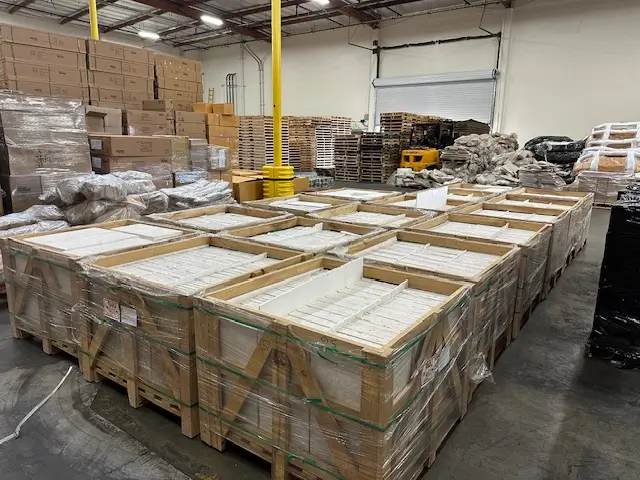
The question of where to source natural stone pavers in Arizona comes up constantly on commercial and residential projects alike, and the answer has layers. You’re essentially choosing between three supply models: local stockists with Arizona warehouse inventory, regional distributors who pull from out-of-state yards, and direct importers who bring containers in from Turkey, Iran, or Mexico. Each model has real trade-offs that affect your project timeline and your budget.
- Local stockists offer the fastest lead times — typically 3–7 business days from confirmed order to truck delivery at your site
- Regional distributors often carry a wider color range but add 10–14 days to the fulfillment window
- Direct importers offer the best price per square foot on large orders but require 6–10 week lead times and minimum purchase commitments that most residential projects can’t meet
- Verify whether the quoted price includes delivery to your site or just warehouse pickup — the difference can add $0.80–$1.50 per square foot in freight on larger orders
For most projects in the Phoenix metro area, a local supplier with strong warehouse stock eliminates the scheduling risk that kills outdoor project timelines from spring through fall. Projects in Peoria face particularly tight installation windows during summer — ground temperatures above 110°F can compromise mortar setting times, so having material on-site before that window opens is critical to a quality installation.
Evaluating Local Travertine Paving Suppliers Across Arizona
Local travertine paving suppliers across Arizona vary significantly in what they actually stock versus what they list on a website. The distinction matters enormously when you’re working to a project deadline. A supplier showing 12 SKUs online might have three of those physically in the warehouse on any given week — and the rest are subject to import lead times they won’t volunteer upfront.
Here’s what you should ask every supplier before placing an order:
- What’s your current physical inventory count for this specific product — not what you can order, but what’s in the yard today?
- Do you guarantee color lot consistency across the full quantity needed, or will lots be mixed?
- What’s your lead time if the required quantity exceeds current stock?
- Can your truck deliver to the site, or is this a will-call arrangement only?
- Do you carry both classic and premium grade in the same material so a quality decision can be made on-site?
At Citadel Stone, we run physical inventory checks on incoming travertine shipments before products hit the warehouse floor — density testing, visual lot sorting, and dimensional verification. That kind of quality control upstream prevents the mid-project surprise of opening a pallet to find half the pieces are off-tone or below thickness spec.
What to Look for When You Buy Travertine Stone Outdoors in AZ
The decision to buy travertine stone outdoors in AZ sounds straightforward, but the actual buying decision involves a set of performance variables that generic supplier websites almost never address. Travertine sold for interior use in other climate zones may be technically the same material but finished or graded differently than what Arizona outdoor conditions require.
For outdoor Arizona applications, your specification should prioritize:
- Nominal thickness of at least 1.25 inches for pedestrian applications — 2-inch pavers for pool surrounds and driveways where point loads increase
- A surface finish of brushed or tumbled rather than polished — polished travertine hits a wet slip coefficient that drops below the 0.60 DCOF threshold recommended for outdoor wet areas
- Absorption rate below 3.5% by weight per ASTM C97 — higher absorption means faster staining in the desert’s fine red dust environment
- Filled joints using a travertine-matched epoxy filler, not standard grout, which degrades faster under UV exposure
In Tempe, where many projects include pool surrounds and covered patios in close proximity, the filled-versus-unfilled choice becomes especially consequential — pool chemicals splash onto surfaces, and open-vein travertine holds chlorine residue that bleaches the stone unevenly over time. Filled pavers with a penetrating sealer applied annually hold up significantly better in that specific context.
Understanding Arizona-Based Travertine Paver Stockists and Distributors
Arizona-based travertine paver stockists and distributors don’t all operate the same business model, and understanding the difference helps you make a smarter buying decision. A stockist physically holds inventory — their quoted availability is real. A distributor may be brokering material from a remote warehouse and adding a margin for that intermediary role without the logistical efficiency of local stock.
True Arizona stockists typically offer:
- Same-week or next-week truck delivery for in-stock items without an import wait
- The ability to view material in person before purchase — critical for matching existing travertine in renovation projects
- Smaller minimum orders that work for residential scopes (often as low as 50 square feet for in-stock items)
- Technical guidance from staff who’ve actually seen Arizona installations age over multiple seasons
Distributors working from out-of-state warehouses can still be excellent sources for large-volume commercial projects where a 6–8 week lead time is built into the schedule. The key is being clear about which model you’re working with — and making sure your project timeline reflects the real fulfillment window, not the optimistic one a salesperson might quote to close the order. Knowing whether you’re dealing with a true Arizona-based travertine paver stockist or a remote distributor changes every downstream scheduling decision on your project.
Travertine Grades and What Arizona Projects Actually Need
You’ll encounter terms like “Classic,” “Standard,” and “Premium” across different suppliers, and these aren’t standardized industry grades — they’re internal classification systems that vary from one supplier to the next. What one company calls Premium, another might call Standard. The job is to get behind the label and understand what the material specification actually says.
The performance metrics that matter for Arizona outdoor use:
- Compressive strength above 1,800 psi for pedestrian pavers — most quality travertine comfortably exceeds this, but lower-grade material from some quarry regions can fall short
- Consistent thickness tolerance within ±1/8 inch across a pallet — inconsistent thickness creates lippage that becomes a trip hazard in high-traffic areas
- Color consistency within a lot — desert light is unforgiving to mismatched stone, and blending issues show up in full sun that don’t appear in a showroom
- Surface texture appropriate for Arizona foot traffic — brushed finishes provide a better grip coefficient than honed surfaces when wet
For a deeper look at how these grade distinctions play out in real Arizona projects, Classic vs Premium Travertine Pavers: Which Is Better? walks through the specific differences that affect long-term performance in the desert Southwest.
Delivery Logistics and Site Access in Arizona
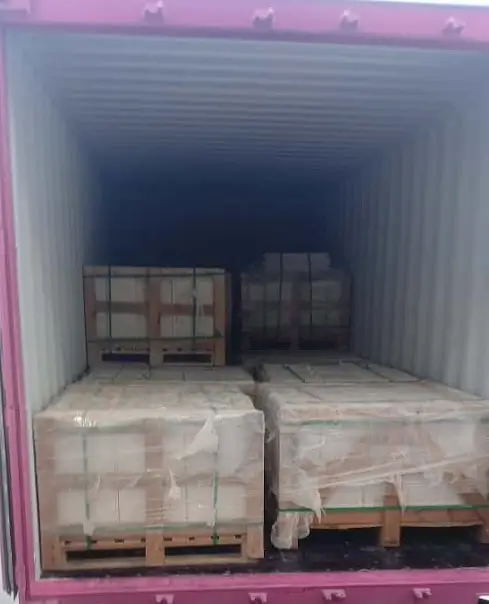
Travertine paver delivery logistics in Arizona introduce a set of physical constraints that don’t get enough attention before orders are placed. A full pallet of 2-inch travertine pavers typically weighs 2,400–2,800 lbs depending on the cut and fill status. Most residential deliveries arrive on a flatbed or boom truck, and your site needs to accommodate that vehicle — a narrow side gate or a soft lawn approach can make an otherwise smooth delivery genuinely complicated.
Your planning checklist for delivery should include:
- Verify your access point can accommodate a standard delivery truck — typically a 26-foot vehicle with a liftgate or forklift for pallet offloading
- Confirm whether the supplier delivers to the tailgate only or will spot pallets near the installation zone — the difference can be significant labor cost on large projects
- Check that HOA or local permit requirements don’t restrict delivery vehicle times — this is a real issue in some Phoenix-area communities
- Plan for material storage in shade if installation is more than a week away — extended sun exposure before installation won’t damage the stone but will raise surface temperatures that affect mortar adhesion on day one
For Phoenix projects on infill lots with tight access, it’s worth confirming your supplier can arrange a smaller split delivery rather than a single large truck — the extra logistics cost is almost always less than the cost of damaged material or a stuck vehicle. Citadel Stone’s team regularly coordinates phased truck deliveries for exactly these scenarios, which keeps projects moving without forcing site compromises.
Ordering Timelines and Stock Verification
The single biggest scheduling mistake on travertine projects is placing an order without confirming physical warehouse stock levels. Most supplier websites show product as “available” even when the actual inventory is sitting on a container ship 18 days out. A quick phone call or email asking for a confirmed count of current warehouse stock eliminates that risk entirely.
For Arizona travertine projects, here’s a realistic timeline framework to work from:
- In-stock material from a local Arizona warehouse: 5–10 business days from order confirmation to truck delivery
- Material that requires a warehouse transfer from another state: 14–21 days depending on freight scheduling
- Import container orders: 8–12 weeks minimum from purchase order to delivery — suitable for commercial projects with phased schedules, not residential jobs under pressure
- Add a 10-day buffer for any order exceeding 1,500 square feet — large-quantity fulfillment often pulls from multiple lots and requires more staging time
When you’re ready to move forward, this travertine paver suppliers guide Arizona resource pairs well with a current look at available stock — explore our Arizona travertine paver sourcing options for a real-time view of what’s available for your project scope and timeline.
Your Action Plan
The travertine paver suppliers guide Arizona landscape has more options than it did a decade ago, which is genuinely good news — but it also means more due diligence on your end before committing to a source. The projects that go smoothly share a common pattern: the buyer confirmed physical stock, verified grade and lot consistency, and locked in a delivery timeline before the installation crew was scheduled. The ones that don’t go smoothly almost always cut one of those corners.
Start by identifying two or three local travertine paving suppliers across Arizona with real warehouse inventory, ask the specific questions outlined in this guide, and get written confirmation of stock levels and lead times before signing a purchase order. Budget for a 10–15% overage on your square footage estimate — travertine cut waste and the occasional damaged piece on delivery are real, and running short mid-project costs far more than carrying a few extra pavers. Citadel Stone distributes natural travertine pavers across Arizona, supporting outdoor projects for homeowners in Scottsdale, Tempe, and Chandler with consistent stock and expert product guidance.