

There’s a specification decision that catches a lot of Arizona homeowners off guard — the gap between classic and premium travertine pavers isn’t just about aesthetics. Classic vs Premium Travertine Pavers Arizona installations behave differently under thermal cycling, respond differently to sealer penetration, and carry real implications for long-term maintenance schedules. Understanding where those performance gaps actually live is what separates a 25-year installation from one that needs remediation in year eight.
What Actually Separates the Two Grades
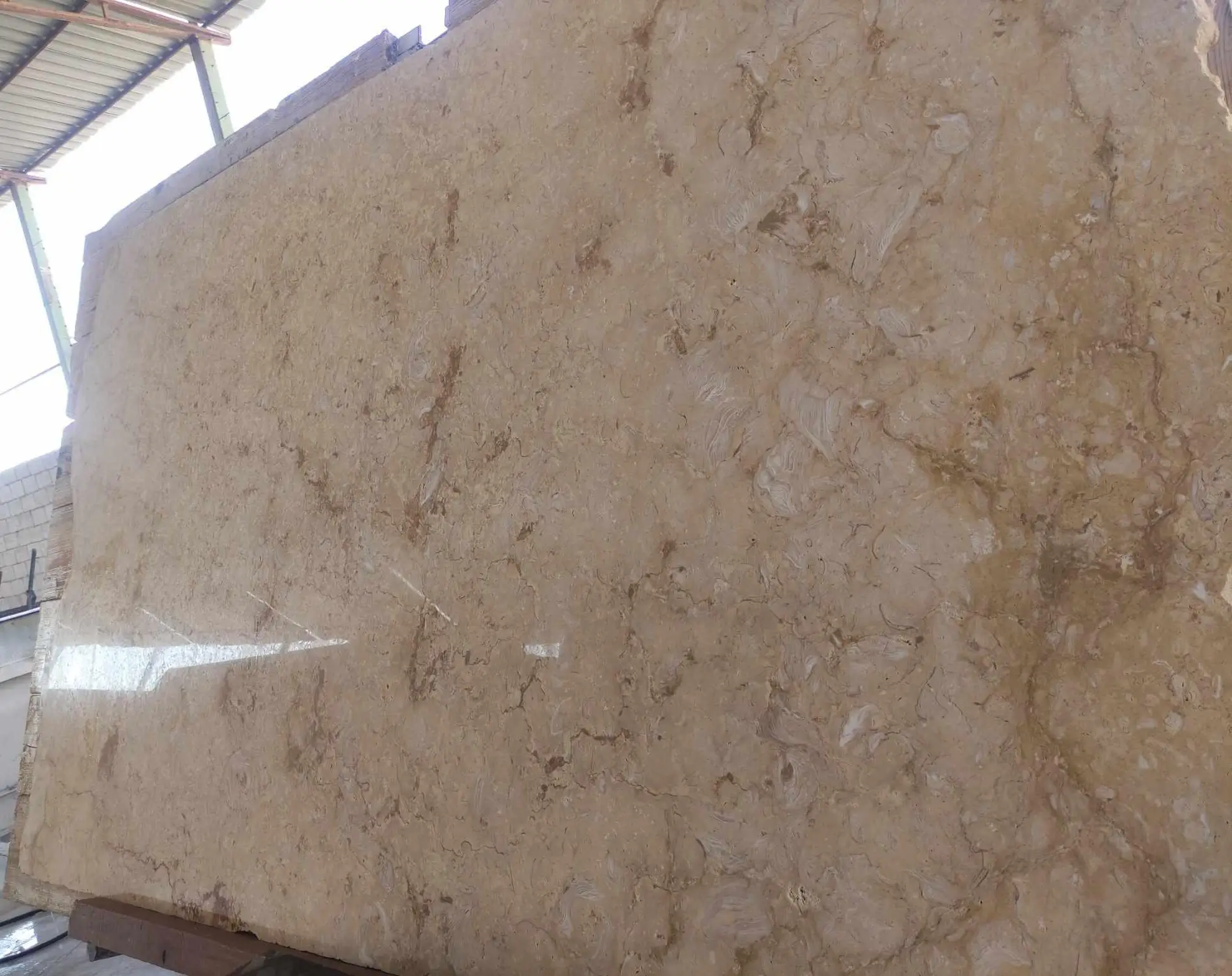
The classification system for travertine quality tiers isn’t arbitrary — it tracks directly to geological formation depth, vein mineral consistency, and the density profile across the cut face. Premium grade material is quarried from deeper strata where pressure was higher and formation time longer, producing a denser, more uniform matrix. Classic grade comes from shallower deposits and shows more variation in void distribution, color banding, and surface porosity.
Your specification choice affects three performance categories simultaneously: thermal behavior, surface durability, and moisture dynamics. Each one matters differently depending on your specific Arizona project type.
- Premium grade typically exhibits compressive strength in the 8,000–11,000 PSI range versus 5,500–7,500 PSI for classic grade material
- Classic grade shows higher open porosity — typically 5–9% by volume — creating more sealer absorption per square foot
- Premium grade color consistency runs tighter across a given batch, reducing blending labor during installation
- Classic grade natural variation can actually be an aesthetic advantage for informal or rustic design directions
Thermal Performance in Arizona’s Heat Environment
Surface temperature is where Arizona separates itself from every other market, and it’s where the classic vs premium travertine pavers Arizona conversation gets genuinely technical. Travertine’s thermal mass properties are well documented — the material absorbs heat more slowly than dense concrete and releases it more gradually. But the grade distinction creates a meaningful performance split under sustained desert exposure.
Premium grade’s denser matrix distributes thermal load more evenly, reducing the micro-fracturing that can develop at void interfaces during repeated heating and cooling cycles. In Mesa, where summer pavement surface temperatures routinely push past 150°F, that density difference accumulates into visible performance divergence over a 5–10 year window.
- Premium grade travertine surface temperatures typically run 8–12°F cooler than equivalent concrete under identical Arizona solar exposure
- Classic grade performs comparably in shaded applications where thermal cycling amplitude is reduced
- Thermal expansion coefficients for both grades fall between 4.8–5.6 × 10⁻⁶ per °F — close enough that joint spacing recommendations don’t differ significantly between grades
- For full-sun pool decks and south-facing patios, premium grade’s denser matrix handles the cumulative stress load more reliably
Travertine Paver Grade Comparison in Arizona: Climate Zone Breakdown
The travertine paver grade comparison in Arizona needs to account for regional variation within the state — it’s not one uniform climate zone. Low-desert installations in the Phoenix metro area face relentless UV and heat with minimal freeze-thaw stress. Higher-elevation projects face a completely different stress profile that can actually favor classic grade in specific applications.
For the Phoenix metro, Tucson, and the low desert generally, the premium grade earns its price premium through lower long-term maintenance costs. Classic grade remains a strong performer in covered applications — pergola-covered patios, interior courtyards, and shaded walkways where peak thermal cycling is attenuated. In Gilbert, the combination of hard water and intense UV creates an accelerated sealer degradation environment, and premium grade’s lower porosity means you’re resealing on a 3-year cycle rather than the 18-month schedule that classic grade often demands in comparable exposure.
Porosity, Sealing, and Long-Term Maintenance Reality
This is where the Arizona travertine paver quality tiers explained conversation becomes most practically useful for homeowners. Porosity isn’t a quality defect in classic grade — it’s a geological characteristic with real maintenance implications you need to plan for before the first stone goes down.
Classic grade’s higher open porosity means sealer penetrates more deeply and bonds more thoroughly on initial application. That sounds like an advantage, and in terms of initial protection it is. The challenge is that classic grade consumes sealer faster under Arizona UV and heat cycling, creating a shorter resealing interval. Premium grade’s denser surface accepts sealer more selectively, but the bond integrity holds longer under UV stress.
- Classic grade typically requires 18–24 months between resealing cycles in full-sun Arizona installations
- Premium grade sealing intervals commonly extend to 30–42 months under comparable exposure conditions
- Both grades should receive a penetrating silane-siloxane sealer rather than a film-forming product in Arizona’s heat — film formers bubble and delaminate when substrate temperatures exceed 120°F
- Initial sealing should happen within 30 days of installation completion, before the first monsoon season if project timing allows
- Grout joint compatibility matters equally — unsealed joints in either grade create an accelerated moisture intrusion path in Arizona’s infrequent but intense rainfall events
Verify warehouse stock levels for your chosen sealer product before committing to a sealing timeline — Arizona supply chains for specialty stone sealers can run thin during the fall installation surge when contractors rush to finish projects before the holidays.
Base Preparation: Where Grade Choice Becomes Installation Strategy
The classic travertine finish for outdoor use in Arizona succeeds or fails on base preparation more than on the stone itself. Both grade levels demand a minimum 4-inch compacted Class II aggregate base for residential foot traffic applications, with 6 inches required for any vehicular or mixed-use exposure. What changes between the grades is the tolerance for base imperfection.
Premium grade’s dimensional consistency runs tighter — typically ±1/16 inch versus ±3/16 inch for classic grade — which means premium installations are more sensitive to base irregularities. A slightly uneven base that disappears visually under classic grade’s natural variation can telegraph clearly through premium material’s flat, consistent surface. In Chandler, where expansive clay soils require particular attention to sub-base stability, this dimensional sensitivity is worth discussing with your installer before material selection is finalized.
- Both grades require a minimum 1/8-inch-per-foot cross slope for positive drainage — Arizona monsoon intensity makes this non-negotiable
- Caliche hardpan, common across the Phoenix metro, provides excellent bearing capacity once properly broken and compacted
- Sand setting bed thickness should stay at 1 inch nominal — thicker beds compress unevenly under point loads in Arizona’s dry climate
- Expansion joints every 12–15 linear feet prevent pressure cracking in both grades during extreme thermal cycling
Premium Natural Stone Paving Options: When the Upgrade Is Worth It
The premium natural stone paving options AZ homeowners trust most consistently share one characteristic — they’re specified for the right application rather than the most visible one. Premium grade travertine earns its cost differential most clearly in three specific scenarios: full-sun pool decks, high-traffic entry sequences, and projects where resale value justification matters to the homeowner.
You can access our Arizona classic and premium travertine range to compare specific product specifications, thickness options, and current warehouse availability before your project timeline commits you to a particular grade. Lead times from warehouse stock typically run 5–10 business days for standard sizes, versus 6–8 weeks for special-order premium formats that aren’t regularly stocked.
Classic grade delivers exceptional value in covered applications, secondary walkways, garden pathways, and feature walls where the visual warmth of travertine matters more than maximum density performance. For a straightforward travertine paver grade comparison in Arizona projects, the honest answer is that classic grade handles roughly 65–70% of typical residential applications at a meaningful cost advantage, while premium grade becomes the defensible specification for the remaining 30–35% of use cases where long-term performance data justifies the premium.
Thickness and Format Selection by Application
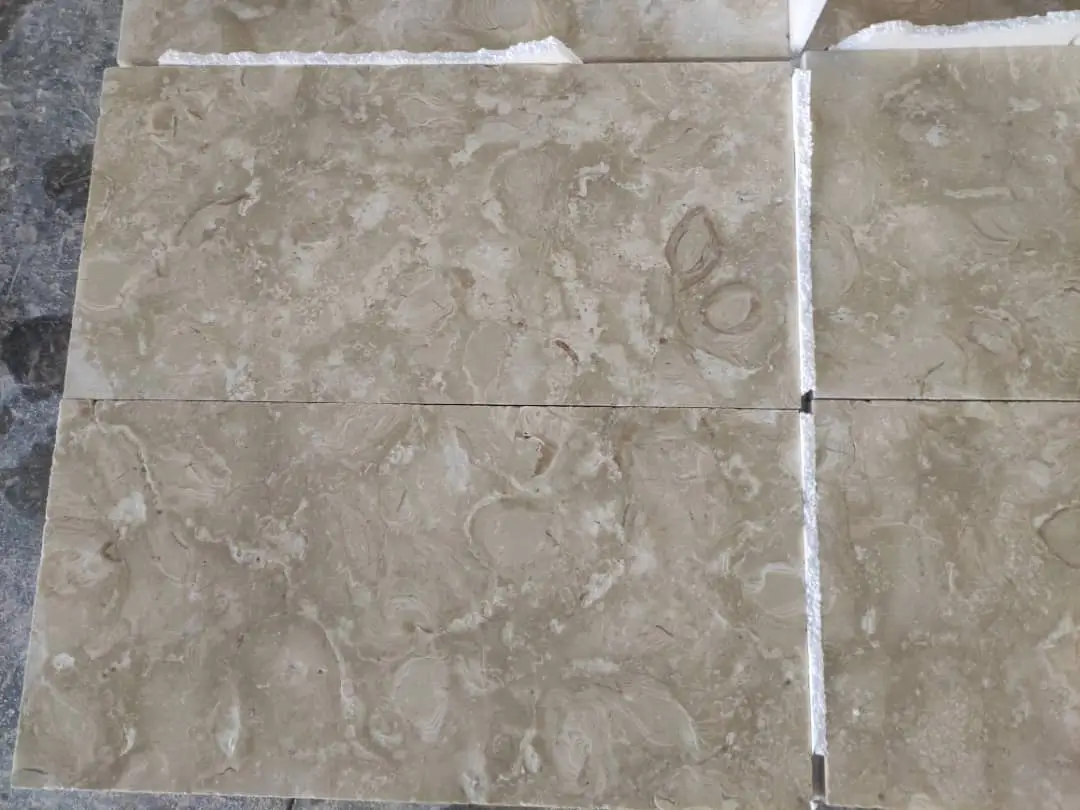
Both classic and premium travertine arrive in standard residential formats, but the application-to-thickness matching differs between the grades in ways that affect your project budget more than most homeowners anticipate. Travertine suppliers in Arizona typically stock 1-1/4 inch (nominal) and 2-inch formats in both grade classifications.
The classic travertine finish for outdoor use in Arizona most commonly specifies 1-1/4-inch material for patio and pool deck applications with a proper aggregate base — that’s sufficient for pedestrian loading and matches the base depth most Arizona contractors are already comfortable installing. Premium grade in 1-1/4-inch thickness handles the same applications with the density advantage discussed earlier. Where thickness selection gets nuanced is driveway and mixed-use applications: both grades should step up to 2-inch minimum for any vehicular loading, and that’s a hard specification boundary regardless of grade classification.
- 12×12 and 16×16 formats offer the best material efficiency for most residential patio footprints
- 18×18 and 24×24 formats in premium grade require particularly careful base preparation — their larger surface area amplifies any base irregularity
- Tumbled edge profiles work in both grades but show more character variation in classic grade material
- Brushed and chiseled finishes provide ANSI A326.3-compliant wet slip resistance for pool deck applications in both grade levels
Cost-Value Framework for Arizona Homeowners
The Arizona travertine paver quality tiers explained most clearly through a total cost of ownership lens rather than a per-square-foot material cost comparison. Classic grade typically runs 20–35% less per square foot at the material level. Over a 15-year ownership window, that initial savings gets partially offset by the more frequent sealing cycles and slightly higher probability of localized surface refinishing in high-traffic zones.
Premium natural stone paving options AZ homeowners see delivering the strongest long-term value are typically pool deck perimeters and front entry installations where foot traffic concentration is highest. The premium grade earns back its cost differential most efficiently in exactly those high-visibility, high-traffic scenarios. For back-of-house utility areas and secondary pathways, classic grade’s value proposition is harder to argue against — the performance difference doesn’t justify the cost delta when exposure conditions are favorable.
- Classic grade installed cost typically ranges from $12–$18 per square foot depending on format and Arizona labor market conditions
- Premium grade installed cost typically ranges from $16–$24 per square foot for comparable formats and applications
- Sealing cost differential over 15 years can add $1.50–$3.00 per square foot to classic grade’s lifetime cost in full-sun installations
- Both grades hold resale value well in Arizona’s market — natural stone remains a documented value-add in regional real estate data
At Citadel Stone, we recommend that homeowners comparing the two grades request physical samples in the specific format and finish they’re considering — warehouse photography doesn’t capture the density and color variation differences that matter most in the specification decision. Truck delivery of sample sets is available for projects over 200 square feet, which covers most Arizona residential patio scopes.
Your Action Plan
The classic vs premium travertine pavers Arizona decision becomes straightforward once you map your specific application conditions against the performance criteria that actually matter for your project. Full-sun pool decks, entry sequences, and high-traffic outdoor living areas are where premium grade earns its specification. Covered patios, garden paths, secondary walkways, and decorative features are where classic grade delivers comparable aesthetic results at a meaningful cost advantage.
Confirm current warehouse inventory status early — Arizona’s installation season compresses significantly into spring and fall windows, and truck delivery scheduling fills quickly during peak months. Locking in your material grade, format, and quantity with confirmed lead times before your contractor’s schedule is set avoids the project delays that are frustratingly common when material decisions lag behind installation commitments. For a deeper look at how filled travertine formats perform in Arizona’s heat specifically, Filled Travertine Pavers in Arizona: What Data Shows provides performance data that complements the grade comparison framework covered here.
Both grades of travertine outperform concrete and most porcelain alternatives in Arizona’s thermal environment when properly specified, installed, and maintained — the grade decision is about optimizing that performance for your specific conditions, not choosing between a good material and a bad one. Citadel Stone stocks classic and premium travertine paver grades across Arizona, giving homeowners in Tucson, Peoria, and Flagstaff a clear quality comparison before committing to outdoor installations.