
Travertino pavers Arizona installations fail most often not because of the stone itself, but because specifiers apply desert heat rules without accounting for the material’s unique vapor transmission behavior — and that’s a costly oversight. Travertino pavers Arizona projects demand is a calcium carbonate sedimentary material with a naturally interconnected pore structure that behaves fundamentally differently from dense granite or manufactured concrete under sustained UV and thermal loading. Get the base prep and joint geometry right, and you’re looking at a 25-plus year installation. Miss those details, and you’ll be relaying within a decade.
Why Travertino Suits the Arizona Climate
The Arizona desert is genuinely punishing — surface temperatures on dark hardscape can exceed 170°F in July, and the UV index in the Phoenix metro sits in the “extreme” band for more than 150 days per year. Natural travertino stone pavers in Arizona outperform many alternatives here because the material’s thermal mass buffers rapid temperature swings rather than amplifying them. You’ll notice that travertino surfaces stay 20–35°F cooler than adjacent concrete under identical sun exposure, which matters enormously for barefoot comfort around pool decks and patio areas.
The material’s albedo — its solar reflectance index — typically falls between 0.45 and 0.65 depending on fill and finish, which is why outdoor travertino pavers Arizona homeowners specify for south and west-facing exposures tend to dramatically reduce radiant heat gain against adjacent structures. That’s not a marketing claim; it’s measurable with an infrared thermometer on any summer afternoon.
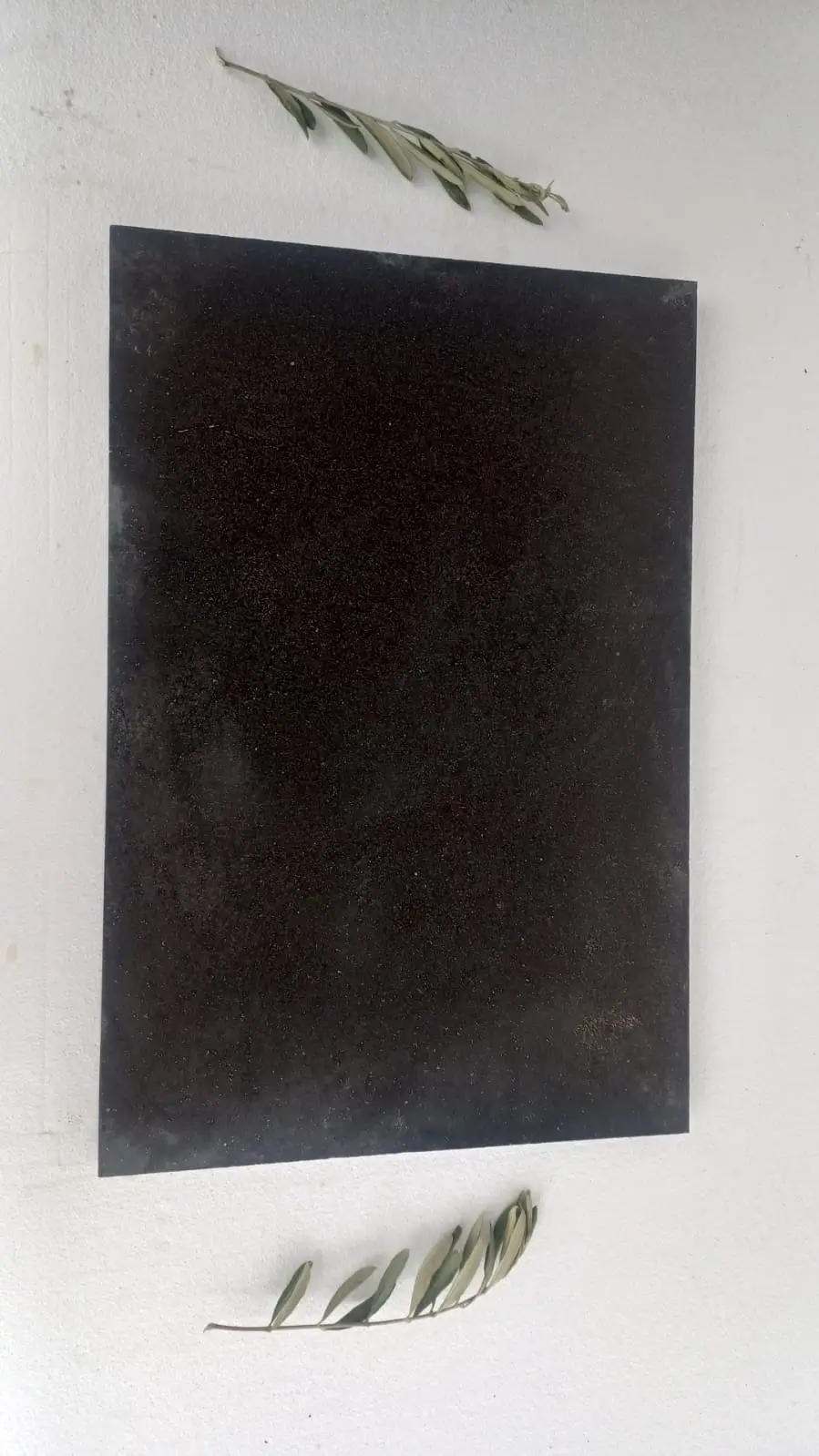
Travertino Paver Finish Options Arizona Specifiers Use Most
Finish selection is where a lot of Arizona projects go sideways — the wrong surface texture can turn a beautiful material into a slip-and-fall liability or a maintenance nightmare. The core travertino paver finish options Arizona professionals rely on break into four practical categories, each with trade-offs worth understanding before you commit.
- Tumbled finish: The most forgiving option for pool decks and high-traffic patios — the rounded edges reduce chipping risk and the matte surface texture achieves a wet DCOF (Dynamic Coefficient of Friction) above 0.42, meeting ADA accessibility thresholds
- Brushed finish: Ideal for driveways and walkways where you need moderate texture without the aggressive grip of a natural split face — brushed travertino maintains its appearance well under vehicle traffic when properly sealed
- Honed finish: A flat, smooth surface that photographs beautifully but demands more rigorous sealing schedules in desert climates — UV-driven sealant breakdown accelerates on honed surfaces because there’s no texture to hold penetrating sealer deep in the stone
- Filled and honed: The commercial standard for covered outdoor entertaining areas — void filling with matching epoxy or cement grout eliminates the surface pitting that traps debris and organic material in Arizona’s monsoon season
For most residential outdoor applications in the Phoenix metro, tumbled or brushed finishes consistently outperform honed over a 5-year maintenance window. You’re trading a slightly more refined look for a material that doesn’t require quarterly resealing to stay presentable.
Thickness and Sizing Specifications for Arizona Projects
Arizona’s expansive soils — particularly the clay-rich caliche profiles common in the East Valley — make thickness specification more consequential than in stable soil regions. For pedestrian applications, 30mm (1.18-inch) travertino pavers provide adequate flexural strength when set over a properly compacted 4-inch aggregate base. Vehicular applications require a minimum 40mm (1.57-inch) thickness and a reinforced base system, typically 6 inches of compacted Class II road base with a 1-inch bedding sand layer.
In Scottsdale, where luxury residential projects often use travertino pavers on motor court surfaces carrying SUV and light truck traffic, the 40mm specification with polymeric jointing compound has become the de facto standard among contractors who’ve seen thinner material crack under repeated thermal cycling and point loading. Travertine paver suppliers in Arizona who stock both 30mm and 40mm profiles in the same color family give you the flexibility to specify appropriately for each zone within a single project.
- 30mm thickness: Pedestrian patios, pool surrounds, covered walkways, and low-traffic courtyard areas
- 40mm thickness: Driveways, motor courts, and any surface that sees regular vehicle or equipment traffic
- Minimum 600x400mm format: The most structurally efficient format for field installation — larger formats reduce joint frequency and improve visual continuity but require a more precisely leveled base
Base Preparation in Arizona Desert Soils
Here’s what most specifications miss about Arizona base prep: the native desert soil’s low organic content makes it sound like a stable sub-base candidate, but expansive clay lenses — often invisible in visual site inspections — can generate differential heave of 0.5 to 1.5 inches per linear foot during monsoon saturation cycles. You need a geotechnical probe or at minimum a moisture-conditioned compaction test before committing to base depth.
The standard protocol for natural travertino paving slabs AZ installations in stable soil zones calls for 4 inches of compacted aggregate base at 95% Proctor density, a 1-inch bedding sand layer screeded to a consistent plane, and 3/16-inch open joints filled with polymeric sand. In clay-reactive zones, increase the base depth to 6 inches and install a geotextile separation fabric between native soil and aggregate to prevent clay migration into the base over time. Projects in Tucson often encounter caliche hardpan at relatively shallow depths — typically 18 to 30 inches — which actually works in your favor as a natural bearing layer when it’s continuous and properly scarified at the base contact surface.
- Compact native soil to 90% Proctor before aggregate placement — don’t skip this step even in seemingly firm desert ground
- Use angular crushed aggregate, not rounded river gravel — angular particles interlock under load and resist lateral displacement
- Slope the base a minimum 1.5% away from structures to ensure positive drainage during monsoon events
- Allow aggregate base to cure under moisture and traffic for at least 72 hours before screeding sand and setting pavers
Sealing Protocols for Desert UV Environments
Travertino’s porosity — typically 1.5 to 3.5% by volume depending on fill treatment — makes sealing non-negotiable in an Arizona outdoor environment. UV degradation of organic sealant compounds accelerates dramatically above 100°F, which means the standard “reseal every 3–5 years” recommendation from temperate-climate manufacturers doesn’t hold in the Phoenix or Tucson basins. Plan for an 18 to 24-month resealing cycle on exposed horizontal surfaces, and budget for that maintenance from day one.
Penetrating silane-siloxane sealers outperform acrylic topcoats in Arizona outdoor applications for a practical reason: they don’t form a surface film that can delaminate under thermal expansion cycling. The travertino’s thermal expansion coefficient runs approximately 4.7 × 10⁻⁶ per °F, and that movement over a 100°F daily temperature swing in summer creates real shear stress at any film-forming coating interface. Penetrating sealers move with the stone rather than against it. For travertino paver finish options Arizona projects specify in honed format, a densifying sealer applied as a first coat before the penetrating sealer effectively reduces absorption rates by 40 to 60%, extending the overall sealing interval meaningfully.
To explore the full range of compatible stone options and sealing guidance tailored to local conditions, browse our Arizona natural stone travertino options — the product pages include finish-specific maintenance schedules worth bookmarking before your first project.
Thermal Expansion and Joint Spacing
Joint spacing decisions should account for the full thermal range your installation will experience — not just the design temperature at installation. In Phoenix metro projects, the effective installation temperature range runs from roughly 35°F winter nights to a surface temperature equivalent of 140°F+ in July. That’s a 105°F working range, and at travertino’s expansion coefficient of 4.7 × 10⁻⁶ per °F, a 20-foot run of travertino pavers Arizona installations can move close to 0.12 inches cumulatively if joints aren’t sized to accommodate it.
The practical spec: maintain 3/16-inch open joints filled with polymeric sand for standard field installations, and install 1/2-inch flexible expansion joints at maximum 15-foot intervals in any direction — not the 20-foot interval you’ll see in generic paver guidelines written for temperate climates. At the perimeter interface with pool bonds, foundations, and vertical structures, use a closed-cell backer rod with a urethane caulk that maintains flexibility at both temperature extremes. For outdoor travertino pavers Arizona homeowners install adjacent to pool equipment pads and concrete aprons, this perimeter joint is the single most important detail — and it’s the one most commonly skipped during construction.
- Standard field joints: 3/16 inch, polymeric sand filled, re-topped after first rainy season
- Expansion joints: 1/2 inch minimum, maximum 15-foot spacing, urethane sealant over closed-cell backer rod
- Perimeter joints at fixed structures: Never grout solid — always maintain a flexible joint with compressible filler
- Diagonal cuts at corners: Increase joint width by 25% at miter cuts to account for bi-directional movement
Ordering, Logistics, and Lead Times for Arizona Projects
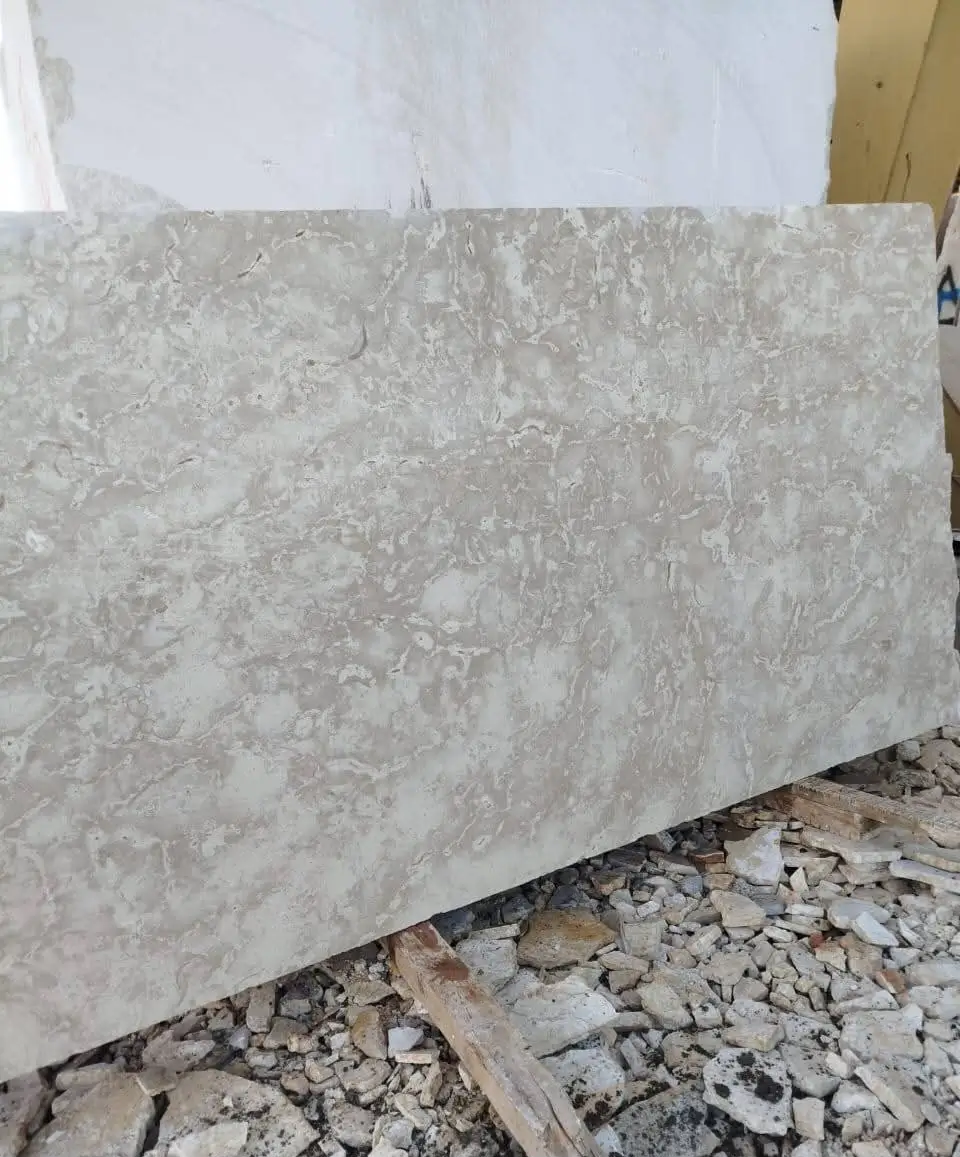
Material planning is the part of a travertino project that catches contractors off guard most often. Natural travertino paving slabs AZ projects source from Turkish and Peruvian quarries in most cases, and the import cycle from quarry to port to domestic distribution adds 8 to 12 weeks under normal freight conditions. Your project timeline needs to account for this gap from day one — locking in paver specification and placing the material order during the design development phase, not at permit approval.
At Citadel Stone, we maintain warehouse stock of high-movement travertino profiles year-round specifically to compress that lead time for Arizona contractors. For projects in Phoenix and the broader metro, warehouse inventory typically means a 1 to 2-week delivery window rather than the 8 to 12-week import cycle. That said, you should verify current warehouse stock levels before committing to a project schedule — popular finishes and sizes in travertino see seasonal demand spikes that can temporarily reduce available inventory. Truck delivery to your site requires confirming access width and overhead clearance for full-size flatbeds, particularly in older residential neighborhoods with narrow streets and mature tree canopies.
- Order a minimum 10% overage above your calculated coverage area — travertino’s natural variation means color-matching replacement material from a different production lot is genuinely difficult
- Inspect pallets on truck delivery before signing the bill of lading — edge chipping and corner damage from transit is the leading cause of material shortfall on installation day
- Store pallets on firm, level ground away from standing water — moisture absorption during storage can affect adhesion and sealer penetration rates during installation
- Travertine paver suppliers in Arizona with local warehouse presence can typically provide material samples within 48 hours, which is worth using before final finish selection
Color Variation and Pattern Selection
The natural color palette of travertino runs from warm cream and ivory through gold, walnut, and noce tones — and Arizona’s architectural vocabulary leans heavily into these earth tones, which is part of why natural travertino stone pavers in Arizona sell so consistently in this market. The real specification question isn’t which color you prefer in isolation, but how it reads against your exterior stucco, pool finish, and landscape hardscape under Arizona’s intense midday light.
Desert lighting conditions bleach perceived color contrast significantly between 10 AM and 3 PM — a noce travertino that looks like a rich chocolate brown in the showroom reads almost as a warm tan at midday in Phoenix. Request outdoor sample reviews in direct sunlight before finalizing color selection. For pattern layouts, the running bond and 4-piece versailles pattern both work well with travertino because they distribute natural color variation across the field rather than concentrating similar tones in one zone. Avoid centering bookmatched slabs in high-visibility areas unless you have enough production consistency in your lot to guarantee a coherent match.
Wrapping Up
Specifying travertino pavers Arizona projects correctly comes down to understanding that this material rewards attention to the details that generic paver specs overlook — base prep calibrated to local soil reactivity, joint spacing sized for the full desert temperature range, and sealing schedules accelerated for sustained UV exposure. The material itself is genuinely well-suited to Arizona’s climate when you set it up to perform. For Arizona projects involving standard module sizing, the 600×400 Travertine Pavers in Arizona: Buyer’s Guide covers format-specific installation requirements and sizing considerations that complement the specification framework here. Citadel Stone stocks travertino pavers tested for Arizona’s intense UV cycles, with homeowners in Tucson, Flagstaff, and Yuma relying on this material for long-lasting exterior paving installations.