

The 600×400 travertine pavers Arizona market has expanded dramatically over the past decade, but the format itself has been solving the same Arizona-specific problem for much longer — how do you deliver visual scale and thermal performance simultaneously on a surface that regularly hits 115°F ambient? What most buyers don’t realize is that this particular dimension, 600mm × 400mm (roughly 24″ × 16″), hits a structural sweet spot that smaller formats simply can’t replicate. You’re distributing point loads across a larger surface area, which means your substrate works less hard, and joint frequency drops by roughly 35% compared to a standard 12″ × 12″ layout — a meaningful advantage when those joints are also your primary infiltration risk.
Why This Format Works in Arizona’s Climate
The thermal dynamics in Arizona’s low desert are genuinely different from what most standard paver specs are written for. Surface temperatures on unshaded hardscape in Phoenix regularly exceed 170°F during July afternoons, and that heat doesn’t just affect comfort — it drives differential expansion across every joint and bond line in your installation. Travertine’s thermal expansion coefficient sits around 4.5 × 10⁻⁶ per °F, which is notably lower than concrete pavers at 5.5–6.0 × 10⁻⁶, and that difference compounds significantly when you’re working across a 140°F daily swing between midnight low and afternoon peak.
Larger format travertine slabs AZ homeowners select tend to perform better in these conditions because you have fewer total joints accumulating differential movement. Each joint is an opportunity for sand migration, weed intrusion, and edge cracking — reducing joint count by a third without sacrificing drainage geometry is a genuine performance gain, not just an aesthetic preference. The 600×400 rectangle also gives you a 3:2 aspect ratio that handles both running bond and stacked patterns without creating the optical tension that square formats sometimes produce on long, narrow pool decks.
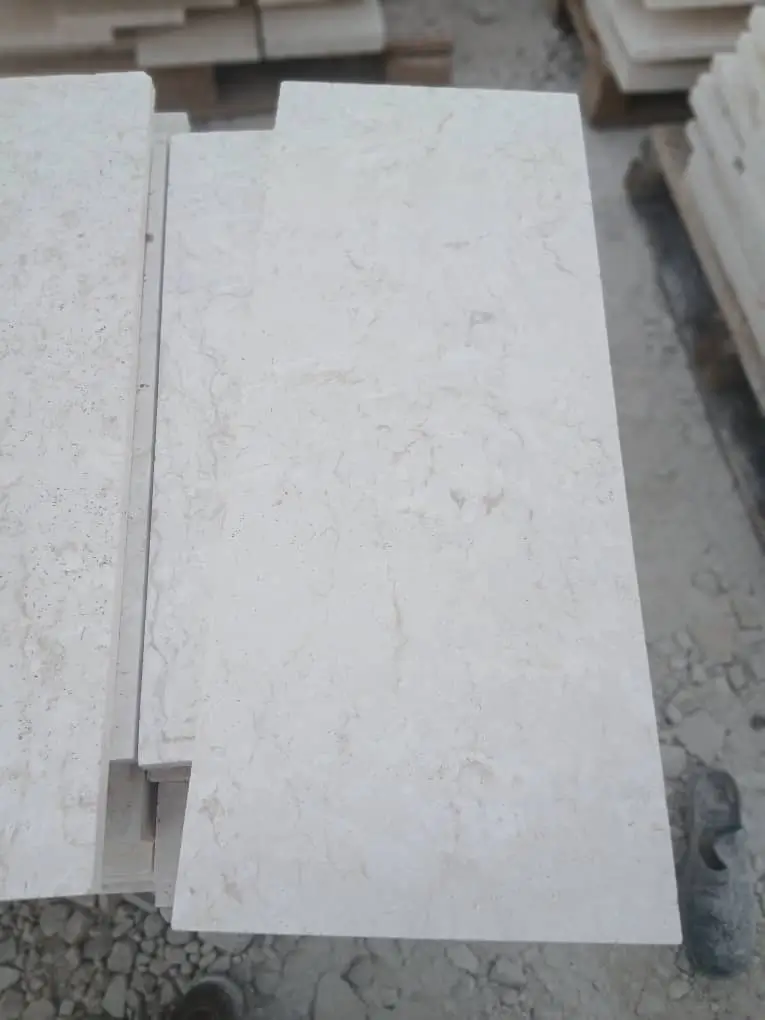
Travertine Paver Sizing Options in Arizona: How 600×400 Compares
Understanding where 600×400 sits among the broader travertine paver sizing options in Arizona helps you make the right call for your specific application. The market here runs from 12″×12″ up to 24″×48″ and beyond, with each format occupying a distinct performance and aesthetic niche. Here’s how the most common sizes stack up against the 600×400 format:
- 12″×12″ (305×305mm): Maximum flexibility for irregular layouts, lowest unit cost, but highest joint density and greatest long-term maintenance exposure in sandy Arizona soils
- 16″×16″ (406×406mm): A workable mid-range option, though the square format can look static on larger patios without thoughtful pattern variation
- 18″×18″ (457×457mm): Common in Tucson-area projects for its balance of weight manageability and reduced joint count
- 600×400mm (24″×16″): The format that most consistently satisfies both the structural and visual requirements of large Arizona patios and pool surrounds
- 24″×24″ (610×610mm): Strong visual impact but demands an exceptionally flat, well-prepared base — any substrate irregularity telegraphs directly to the surface on square large-format pavers
- 24″×48″ and larger: Best suited to commercial applications or professional installation teams with mechanical lifting equipment; not practical for phased DIY installation
The exterior travertine paving dimensions across Arizona that hold up best over time share a common characteristic — they’re large enough to minimize joint exposure but manageable enough that two-person installation teams can work efficiently without mechanical assistance. The 600×400 format, at typically 3.5–4.5 kg per piece in 30mm thickness, sits right at that boundary.
Thickness and Finish Selection for Arizona Conditions
Your thickness decision matters more than most buyers anticipate, particularly when you’re specifying for vehicular areas or pool surrounds where point loading is variable. The standard residential specification for 600×400 travertine pavers Arizona installations runs 30mm nominal thickness, which delivers adequate compressive strength for pedestrian and light vehicular use when properly bedded. For true vehicular applications — driveways, porte-cochères, areas where loaded delivery trucks will roll — stepping up to 40mm minimum is the right call, and your base specification needs to change with it.
Finish selection is where a lot of Arizona buyers get tripped up. The four primary options you’ll encounter are:
- Tumbled: Natural, irregular surface with rounded edges — excellent slip resistance wet or dry, the most forgiving for DIY base preparation because minor height variation reads as character rather than error
- Brushed: Textured surface with sharper edge retention than tumbled — pronounced brush texture, cleaner aesthetic suited to contemporary Scottsdale architectural styles
- Honed: Smooth but matte finish — visually refined, but requires consistent sealing because the open pores are more exposed to sunscreen, tanning oils, and pool chemicals than rougher finishes
- Filled and Honed: Natural voids filled before honing — reduces maintenance significantly, appropriate for pool deck applications where void entrapment of debris and algae is a genuine concern
In Arizona’s pool environment specifically, filled-and-honed or brushed finishes consistently outperform unfilled honed over a 5–7 year horizon. The chemistry from pool water and sunscreen products accelerates staining in unfilled travertine more aggressively than in most other climates because the heat drives chemical penetration deeper into the stone matrix.
Base Preparation: What Arizona Soil Conditions Actually Require
The single most common installation failure mode for large format travertine slabs AZ homeowners select isn’t material quality — it’s inadequate base preparation for regional soil conditions. Arizona’s desert soils range from expansive clay-rich caliche in the Phoenix valley to sandy decomposed granite in higher elevation zones, and each demands a different base approach. Generic spec sheets written for mid-Atlantic or Pacific Northwest climates won’t give you the right numbers for desert conditions.
For Phoenix-area clay and caliche soils, your minimum base specification for 600×400 travertine should be:
- 6 inches compacted Class II base aggregate (3/4″ crushed, not round river rock — angular aggregate locks under load)
- 1 inch coarse bedding sand, screeded to ±1/8″ tolerance across the installation field
- Geotextile fabric between native soil and aggregate base in areas where the soil moisture content varies seasonally
- Expansion joint placement every 12–15 linear feet (not the 20-foot spacing that generic specs often recommend for cooler climates)
- Perimeter edge restraint rated for the thermal movement loads Arizona temperatures generate
In Tucson specifically, the higher percentage of decomposed granite in native soils actually creates better natural drainage than the Phoenix valley, but it also means your base aggregate needs to be well-graded to prevent settlement through the coarser native material. A properly specified installation in Tucson typically requires slightly less base depth than an equivalent Phoenix project, but the aggregate gradation specification matters more.
Sealing Protocols That Actually Work in Desert Heat
Travertine sealing in Arizona isn’t optional — it’s the variable that separates a 10-year installation from a 25-year one. The porous structure of travertine, combined with Arizona’s UV intensity and pool chemical environment, creates a staining and erosion mechanism that unsealed stone simply can’t resist. Sealing done wrong, however, can cause problems as significant as no sealing at all.
The travertine paver sizing options in Arizona that perform longest share one thing in common: they’re consistently sealed with penetrating impregnating sealers, not topical film-forming products. Here’s the critical distinction — a film-forming sealer creates a surface membrane that traps moisture below it in Arizona’s temperature extremes, leading to spalling and delamination as trapped water vapor expands during rapid afternoon heating. A penetrating impregnating sealer gets into the pore structure and creates a hydrophobic barrier without closing the surface.
Your sealing schedule for 600×400 travertine pavers Arizona installations should follow this framework:
- Initial seal: Applied after installation cure, minimum 28 days post-grouting, two coats with 2-hour dry time between coats
- Pool deck resealing: Every 18–24 months due to pool chemical exposure and UV degradation of sealer chemistry
- Patio and walkway resealing: Every 24–36 months in low desert zones, every 36–48 months in higher elevation areas with less UV intensity
- Application temperature window: Between 50°F and 85°F — avoid sealing when surface temperature exceeds 90°F, which in Arizona means early morning application only during summer months
- Water bead test: Your maintenance trigger should be when water stops beading on the surface, regardless of the calendar schedule
Ordering, Logistics, and Project Planning in Arizona
Getting your order right upfront saves you the painful scenario of running short mid-installation and waiting weeks for a matching batch. Natural stone is quarried in runs, and travertine from the same quarry lot will have consistent veining and color — a new shipment from even the same source can show enough variation to be visually noticeable in your finished surface. For exterior travertine paving dimensions across Arizona, calculate your square footage, add 10% for cuts and breakage on standard rectangular layouts, and add 15% if your design includes diagonal patterns or complex border details.
Delivery logistics for 600×400 travertine pavers Arizona projects are worth thinking through before you finalize your order. A pallet of these pavers in 30mm thickness typically runs 900–1,000 kg, and truck access to your delivery point can affect both cost and timeline. At Citadel Stone, we recommend confirming your delivery access route before your order ships — a standard flatbed delivery truck needs approximately 40 feet of clear run-up and a turning radius that many older Scottsdale residential streets can’t accommodate without advance planning.
For project timeline planning, verify warehouse stock levels before committing to a contractor start date. Travertine inventory in the 600×400 format moves quickly during Arizona’s peak installation seasons — February through April and September through November — and lead times from the warehouse can extend to 2–3 weeks during those windows. Citadel Stone maintains regional warehouse inventory that typically keeps standard travertine formats available within 7–10 business days outside peak season, which compares favorably to the 6–8 week import cycle for special-order dimensions. For a complete overview of available formats, our Arizona natural stone paving dimensions resource covers the full specification range we stock.
Natural Stone Paver Formats for Arizona Patios: Design and Pattern Considerations
The natural stone paver formats for Arizona patios that work best aesthetically depend heavily on the architectural language of the home and the scale of the outdoor space. The 600×400 format’s 3:2 aspect ratio gives you meaningful pattern flexibility that square formats don’t offer — you can run them in a standard running bond, a French pattern variation, or a stacked grid without the format fighting the layout.
Among the natural stone paver formats for Arizona patios, the 600×400 in brushed or honed finish is consistently the specification choice for large-scale contemporary desert-modern spaces where the design intent is clean horizontal lines with minimal visual interruption. The elongated rectangle reinforces that horizontal emphasis in a way that square pavers actively work against. For more traditionally-styled homes with Spanish Colonial or Territorial architectural influences, the tumbled finish in the same 600×400 dimension delivers the weathered character those styles call for without sacrificing the visual scale that large outdoor entertaining spaces need.
Pattern rotation also plays a role in managing your cut waste. Running the 600mm dimension parallel to your longest linear dimension — typically the house wall — minimizes the number of cuts required at the perimeter and keeps your installation moving efficiently. Here’s what gets overlooked in most layout plans: the 600×400 format laid in running bond with a 1/3 offset (rather than the standard 1/2 offset) reduces the visual emphasis on the joint lines, which creates a more monolithic appearance on large pool decks where the standard running bond can look grid-heavy.
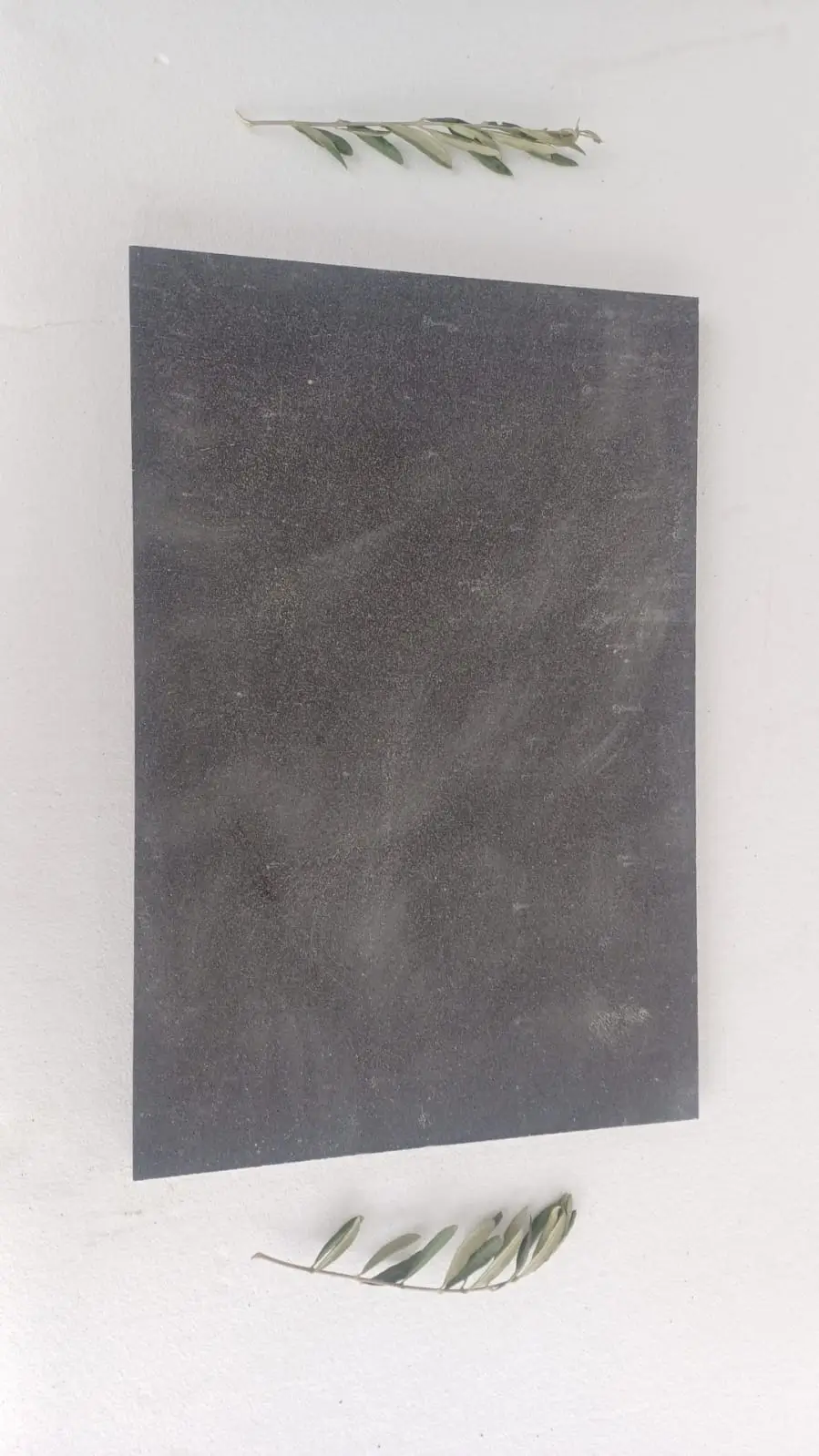
Performance Expectations and Honest Trade-Offs
Large format travertine slabs AZ homeowners select perform exceptionally well across a 20–30 year horizon when the installation fundamentals are sound — but travertine isn’t the right answer for every Arizona application, and going in with clear eyes about where its limitations show up is important. This is a natural stone with inherent porosity, and that porosity is both a performance asset and a maintenance commitment.
Here’s an honest breakdown of what to expect:
- Heat comfort: Travertine surface temperatures run 15–25°F cooler than concrete under identical exposure — a real and meaningful barefoot comfort advantage in Arizona’s summers
- Slip resistance: Tumbled and brushed finishes consistently pass ANSI A326.3 slip resistance thresholds for wet areas; honed finishes require more diligence, particularly around pool entries
- Staining: Pool chemicals, sunscreen, and iron-rich irrigation water are the primary staining vectors in Arizona — all manageable with proper sealing, but worth understanding before you commit
- Edge chipping: The 600×400 format’s larger face means fewer exposed edges per square foot than small formats, but travertine’s crystalline structure means sharp impacts can chip corners — a consideration if your use pattern includes heavy outdoor furniture dragging
- Frost risk: In low desert applications (Phoenix, Tucson, Scottsdale), freeze-thaw is essentially a non-issue; at elevations above 4,500 feet, it becomes a real specification factor that changes your base and sealer requirements
- Long-term value: Natural stone consistently adds assessed value to Arizona properties in ways that concrete pavers and manufactured alternatives don’t — a documented factor in Maricopa County residential appraisal patterns
The travertine paver sizing options in Arizona that generate the most buyer regret are almost always at the extremes — either too small (people consistently wish they’d gone larger once installed) or too large for the installation team’s capability. The 600×400 format avoids both failure modes for most residential applications.
Wrapping Up
The 600×400 travertine pavers Arizona specification combines dimensional efficiency, thermal performance, and visual scale in a way that smaller formats simply can’t replicate at this price point. You’re getting meaningful benefits at every layer of the decision — fewer joints, better heat management, greater design flexibility, and a finished surface that reads as genuinely premium rather than generic. The key variables that determine whether your installation reaches its full performance ceiling are base preparation depth and aggregate quality, finish selection matched to your use environment, and a consistent sealing schedule tuned to Arizona’s UV and pool chemistry conditions rather than generic manufacturer timelines.
As you plan your complete Arizona stone project, it’s worth exploring how different travertine products perform across varying applications — Travertine Marble Pavers in Arizona: What the Data Shows provides a complementary look at how travertine and travertine marble variants compare in real Arizona conditions, useful context as you finalize your material specification. Citadel Stone provides 600×400 travertine paving slabs calibrated for Arizona’s intense UV exposure, with homeowners in Tucson, Flagstaff, and Peoria relying on this format for durable backyard surfaces.