
Retaining wall seating Marana projects demand a level of structural and aesthetic precision that most generic landscaping guides completely overlook — you’re not just building a wall, you’re engineering a functional element that has to perform as both a load-bearing structure and comfortable outdoor furniture in one of the harshest climates in the country. The dual-purpose design challenge is real: your wall needs to handle lateral soil pressure while its coping maintains the right thermal mass, surface texture, and height for everyday use. Get the stone selection and detailing right from the start, and you’ll have a feature that anchors your outdoor space for decades. Miss the key variables, and you’ll be dealing with spalled coping, shifted courses, and uncomfortable seating surfaces within a few Arizona summers.
Why Marana Dual-Purpose Walls Change the Design Conversation
The concept of Marana dual-purpose walls has gained serious traction in residential and commercial landscape architecture over the last decade — and for good reason. In Marana’s outdoor environment, usable square footage is precious, and a wall that only retains soil represents a missed opportunity. Your landscape budget goes further when structural elements double as seating, planters, or grade transitions that also invite people to gather and sit.
The engineering implications are significant, though. A wall designed purely for retention can use irregular or modular dry-stack configurations. The moment you introduce seating, you need a consistent, flat coping surface at a height between 17 and 19 inches from finished grade — the ergonomic sweet spot for comfortable seating. That constraint drives your course heights, your base elevation, and ultimately your stone selection from the very first specification decision.
- Seating height target: 17–19 inches from finished grade to top of coping surface
- Coping depth minimum: 14 inches for comfortable single-person seating, 18+ inches for two-person use
- Surface texture requirement: Honed or lightly brushed finish rated at DCOF ≥ 0.42 for occupied surfaces
- Thermal surface consideration: Light-colored stone reduces surface temperature by 35–50°F versus dark materials in peak Arizona sun
Stone Selection for Built-In Stone Seating in Arizona
Built-in stone seating Arizona projects require you to think about the coping material completely differently than the wall field stone. Your wall courses can absorb minor imperfections — slight texture variation, minor color banding, or marginal dimensional inconsistency won’t matter once backfill goes in. The coping is another story entirely. Every person who sits on your wall will interact directly with that surface, so it needs to perform as both structural material and finished furnishing.
Limestone and travertine are the dominant performers for seating copings in the Marana climate zone. Both materials offer surface temperatures measurably lower than granite or dark basalt under direct sun exposure — a practical necessity when your coping sits in full exposure from 9 AM to 5 PM in July. Travertine’s open pore structure provides a naturally textured surface that handles wet conditions without becoming slippery, which matters during Arizona monsoon season when walls get saturated quickly.
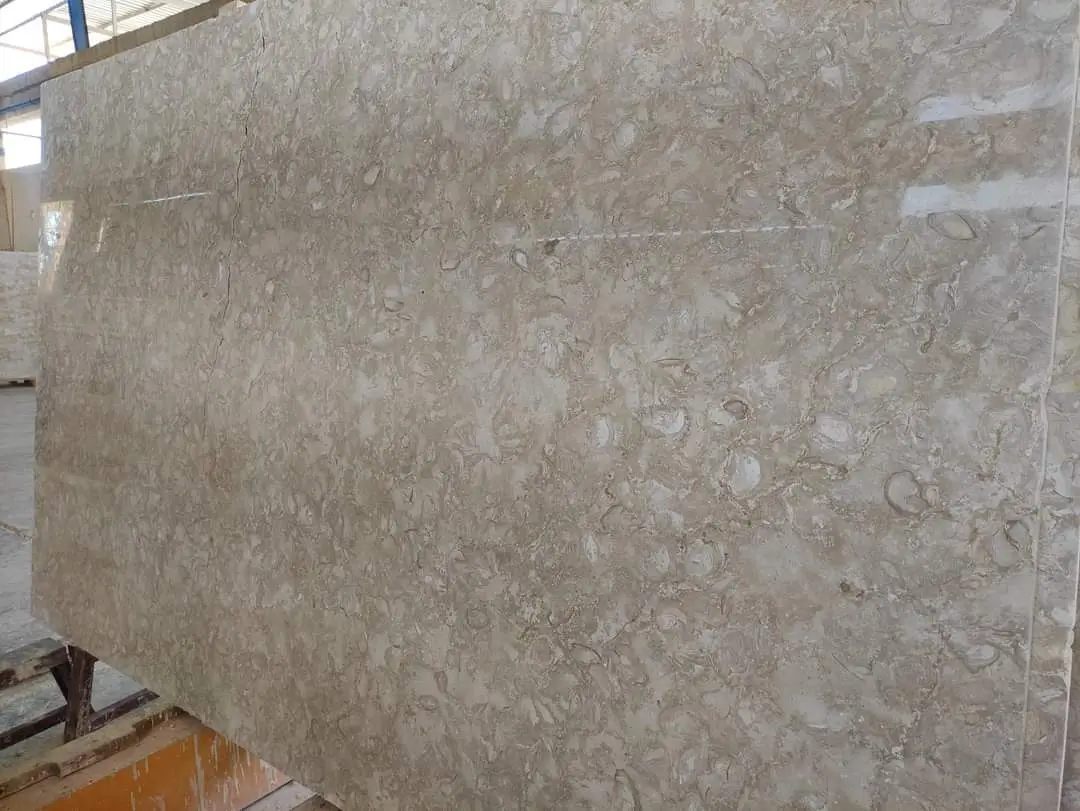
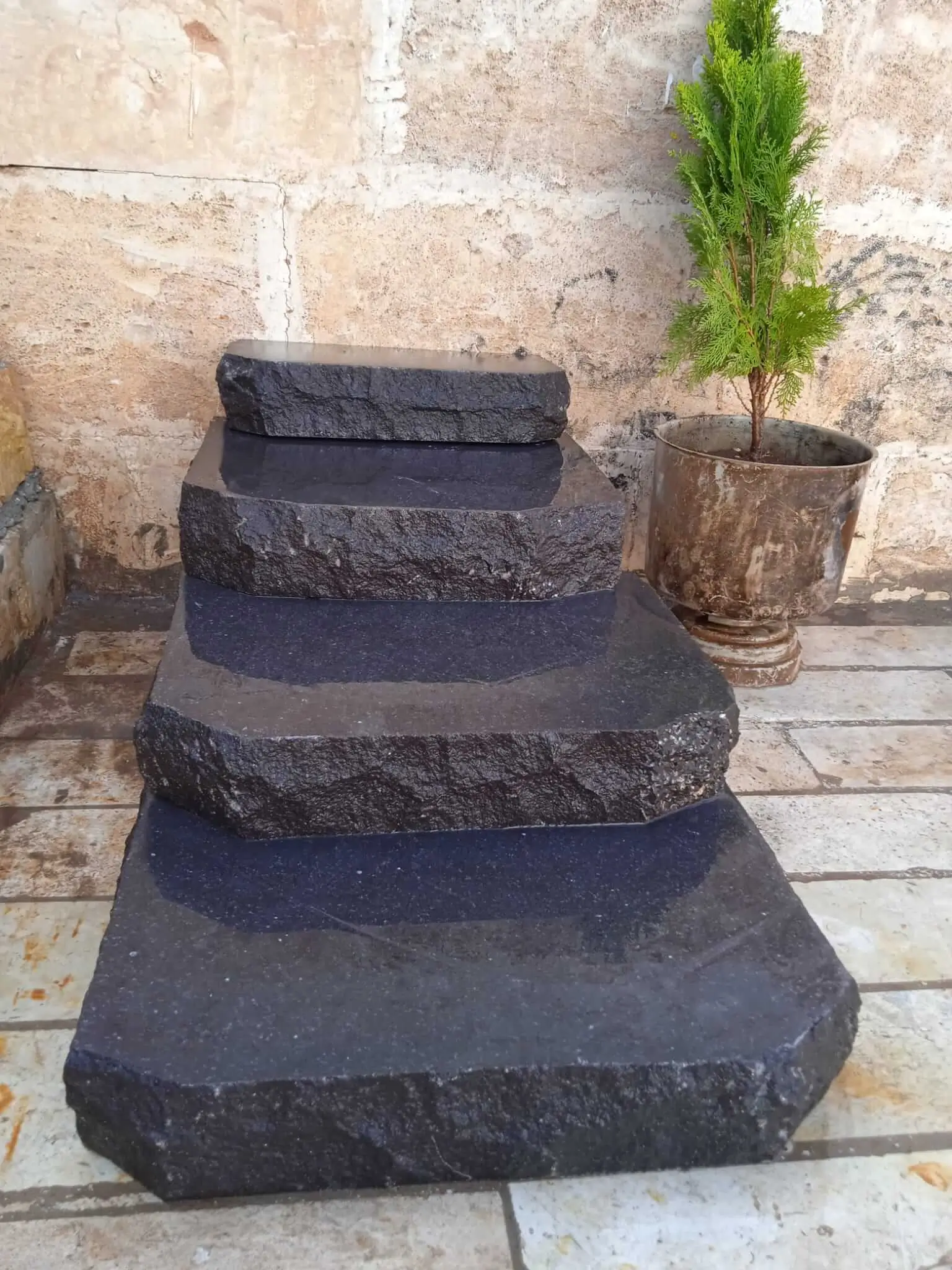
Granite coping is structurally superior — compressive strength in the 25,000–30,000 PSI range means it’s essentially indestructible under normal residential loads. The trade-off is thermal performance. A dark granite coping in direct Marana sun will reach surface temperatures above 160°F in peak summer, making it unusable as actual seating without shade mitigation. Your specification decision should center on the realistic use pattern: if the seating wall is shaded by a pergola or ramada, granite becomes viable. In full-sun exposure, lighter limestone or travertine is the right call.
Structural Requirements for Functional Retaining Walls
Functional retaining walls that incorporate seating carry load demands from two directions simultaneously. The lateral soil pressure calculation follows standard geotechnical principles — active earth pressure based on retained height, soil type, and surcharge loading. What changes with seating integration is the vertical live load requirement on the coping. You need to design the top course and coping for a minimum 250 PSF concentrated live load per IBC requirements for accessible seating surfaces.
For walls retaining more than 4 feet of soil, you’ll want a structural engineer stamping the design regardless of seating integration. At that retention depth, the wall system needs positive drainage behind it — a 12-inch wide drainage aggregate column with a perforated drain pipe at the footing elevation. Without that drainage layer, hydrostatic pressure during monsoon saturation events will stress the wall far beyond what the stone mass alone can resist.
- Footing depth: minimum 18 inches below finished grade in Marana’s soil conditions, deeper in expansive clay zones
- Footing width: 1.5× the wall base width minimum for seating-height walls
- Batter (wall lean): 1 inch setback per foot of height for gravity-retained stone walls
- Drainage aggregate: ¾-inch clean crushed stone, minimum 12 inches wide behind wall face
- Geotextile fabric: separate drainage aggregate from native soil to prevent migration
- Weep holes or drain pipe: at footing level, spaced no more than 10 feet apart
Coping Details That Determine Seating Comfort and Longevity
Here’s what most specifiers miss when they detail a seating wall: the coping overhang. A coping stone that sits flush with the wall face — no overhang — creates a seating surface where the front edge of the stone is directly above the wall face. Sit on that wall for more than five minutes and the edge pressure on the back of your thighs becomes genuinely uncomfortable. Specify a 2-to-3-inch coping overhang on the seating face, and you’ve solved that ergonomic problem entirely without any additional cost.
The coping mortar bed deserves equal attention. In Arizona’s thermal cycling environment, temperature differentials between day and night can exceed 40°F seasonally. A solid mortar bed traps that thermal movement and generates stress concentrations at coping joints. Use a modified thinset or mortar bedding that allows minor movement, and open your coping joints to ⅜ inch minimum — filled with a flexible, UV-stable sanded caulk rather than hard mortar. That joint detail alone adds years to your coping’s service life.
Arizona Garden Benches Versus Integrated Stone Walls: Making the Right Choice
Arizona garden benches — the freestanding variety — offer design flexibility that integrated walls can’t match. You can reposition them, replace individual units, and specify them independent of any structural wall system. For purely decorative applications or small-scale residential gardens, freestanding bench elements sometimes make more practical sense than committing to a built-in stone seating Arizona wall.
The integrated approach wins decisively, though, in three specific scenarios. First, wherever grade change is already required — if you’re managing a 2-to-4-foot elevation transition, building that transition as a seating wall costs only marginally more than a plain retaining wall while adding functional value. Second, in high-use commercial or community landscape applications where vandalism resistance matters — a 2,000-pound stone wall is essentially immovable. Third, where visual mass and architectural permanence are design objectives that Arizona garden benches and other freestanding furniture simply can’t achieve.
Thermal Performance in Marana’s Climate Zone
Marana sits at roughly 1,900 feet elevation with a Sonoran Desert climate that delivers extreme thermal loading on any outdoor stone surface. Summer temperatures regularly exceed 105°F ambient, and direct solar radiation on south and west-facing wall copings adds another 40–60°F of surface temperature above ambient. Your retaining wall seating Marana project needs to account for that thermal reality from the material selection phase forward.
The relationship between stone color and albedo — solar reflectance — is the controlling variable. Limestone with a Solar Reflectance Index (SRI) above 70 will maintain surface temperatures 40–50°F cooler than dark granite under identical exposure conditions. That difference determines whether your built-in stone seating Arizona project is usable at 2 PM in July or purely decorative during peak summer hours.
- Cream or buff limestone: SRI typically 65–80, surface temperature 115–125°F in peak exposure
- Light travertine: SRI typically 60–75, excellent thermal performance in full sun
- Medium-toned sandstone: SRI typically 45–60, acceptable with shade integration
- Dark granite: SRI typically 15–30, surface temperature can exceed 160°F — avoid for unsealed, unshaded seating surfaces
Installation Sequence and Base Preparation for Seating Walls
Your installation sequence for retaining wall seating Marana projects should work from the bottom up with no shortcuts on base preparation. The native soils in much of the Marana area include expansive clays that can generate significant uplift pressure during moisture cycling — the wet-dry seasonal pattern creates heave and settlement that will displace even well-constructed stone walls if you haven’t addressed the substrate properly.
Excavate to undisturbed soil and compact the footing bed to 95% Modified Proctor density minimum. Over-excavate by 6 inches on each side of the footing width to allow for proper drainage column placement. Your compacted aggregate base should be 6 inches minimum for walls under 3 feet, 12 inches for walls between 3 and 5 feet. Use ¾-inch minus compactable aggregate — not round river gravel, which won’t interlock and compact properly.
Stone course leveling on that base prep work determines everything that follows. Check level in both directions on every third course minimum, and string-line the batter (wall lean) continuously as you build. A wall that’s ¼ inch out of batter at 3 feet of height looks fine to the casual eye — but that deviation compounds, and at 4 feet of height you’re looking at a visible lean that undermines both aesthetics and structural confidence. Your foreman needs to treat the batter line as a non-negotiable reference throughout the entire build.
Planning Your Stone Supply and Project Timeline
Coordinating material supply for a seating wall project requires more lead time than most homeowners anticipate. Stone availability fluctuates with seasonal demand, and coping stone — which requires specific dimensional consistency — often has longer lead times than field stone. Verify warehouse stock levels before finalizing your project schedule, and plan for a minimum 2-to-3-week buffer between material order and installation start. Learn more about our retaining wall stone operations to understand what’s typically available and what requires advance ordering. Having your truck delivery scheduled to a confirmed, accessible drop point on-site will prevent costly delays once installation begins.
Sealing and Maintenance Protocols for Arizona Seating Walls
Stone sealing in Marana’s climate requires a different approach than what you’d spec in a temperate zone. UV degradation of sealer films occurs significantly faster in the Sonoran Desert than manufacturer guidelines — which are typically written for average national conditions — would suggest. Plan your initial seal application within 30 days of coping installation, and target biennial resealing rather than the 3-to-5-year schedule many sealers list on their labels.
For coping surfaces that function as seating, penetrating silane-siloxane sealers outperform topical film-forming sealers in almost every performance metric. Penetrating sealers don’t create the glossy surface film that becomes dangerously slick when wet, they don’t peel or delaminate under thermal cycling, and they don’t require stripping before reapplication. Your maintenance crew can reapply a penetrating sealer without any surface preparation beyond cleaning — a practical advantage for long-term maintenance programs.
- Initial sealer application: within 30 days of installation, after mortar cure is complete
- Sealer type: penetrating silane-siloxane for seating surfaces — never topical film on horizontal coping
- Reapplication interval: every 18–24 months in Marana’s UV exposure environment
- Cleaning protocol: pH-neutral stone cleaner quarterly, high-pressure rinse at low PSI (under 800 PSI) annually
- Joint inspection: check flexible caulk joints annually, reapply where cracking or separation is visible
Field Notes on Driveway Stone Suppliers in Arizona — Specification Considerations
Citadel Stone’s inventory of driveway stone suppliers in Arizona material gives specifiers access to the same high-performance natural stone that works exceptionally well in seating wall applications — because the performance demands of a heavily trafficked driveway surface and a long-term seating wall coping actually overlap significantly. This section provides hypothetical guidance on how these materials would typically perform across three Arizona markets with distinct site conditions. The following city-specific notes represent specification considerations, not completed project reports.
Yuma Seating Wall Conditions
Yuma’s extreme solar exposure — among the highest annual sun-hour totals in the continental United States — creates the most demanding thermal loading conditions you’ll encounter in any Arizona project. Coping stone selection here should prioritize SRI above 70 without compromise. Cream limestone in 3-inch-thick coping slabs would perform reliably at this exposure level, maintaining usable surface temperatures during morning and evening hours. The warehouse typically carries buff and cream tones in stock dimensions suited to standard coping widths, reducing lead time for Yuma-area projects.
Mesa Soil and Base Considerations
Mesa’s urban landscape presents a different specification challenge: highly variable soil conditions across its extensive developed footprint. Expansive clay soils in portions of Mesa’s older residential zones would require deeper footing excavation — down to 24 inches in some identified clay-heavy areas — and thicker compacted aggregate bases than standard Marana residential conditions. For seating walls in these zones, a reinforced concrete footing rather than compacted aggregate alone would be the more defensible specification. Stone selection for Mesa projects can leverage the same driveway stone suppliers in Arizona material inventory, with truck delivery logistics straightforward given Mesa’s central location and good arterial access.
Gilbert HOA and Aesthetic Requirements
Gilbert’s newer master-planned communities bring a specific specification layer that Yuma and Mesa projects often don’t face: HOA design guidelines with prescriptive material and color requirements. In these communities, your stone selection for Marana dual-purpose walls or adjacent projects may be constrained to approved palettes. Travertine in ivory or walnut tones consistently appears on approved lists in Gilbert HOA documentation. Coordinating with the HOA architectural review board before finalizing stone selection — and getting material samples approved before truck delivery scheduling — prevents costly change orders mid-project.
Decision Points
Retaining wall seating Marana projects reward specifiers who treat the seating function as a primary design driver rather than an afterthought to the structural wall design. Your stone selection, coping detail, base preparation, and maintenance protocol all flow from the decision to build a wall that people will actually use. The thermal performance gap between light and dark stone copings is too significant to ignore in Marana’s climate — that single decision affects usability for the entire life of the installation. Functional retaining walls built with the right material, proper drainage, and flexible joint detailing routinely deliver 25-to-30-year service lives with minimal intervention. At Citadel Stone, we recommend beginning your specification process with a material sample review under actual site exposure conditions before committing to a coping material — surface temperature performance under your specific site’s solar angle and shade conditions is something no catalog can fully predict. Circular stone driveways enhance turnaround functionality in Arizona landscapes and share many of the same material performance considerations as seating wall copings, making coordinated material selection across both elements a practical efficiency for larger landscape projects. We have driveway pavers and Driveway Stone for sale in Arizona to suit any design.