

Driveway stone color choices shape the entire visual identity of your home — and in Carefree’s high-desert environment, those choices also determine how your surface performs through 110°F summers and hard monsoon events. The right stone color doesn’t just complement your architecture; it actively manages heat absorption, reduces thermal stress on your sub-base, and holds reflectance values that cooler-climate materials simply can’t match. This guide walks you through the practical decision-making process that experienced landscape architects and hardscape specifiers use on Arizona projects every day.
Why Stone Color Is a Performance Decision in Arizona
Color selection in Arizona isn’t purely aesthetic — it’s a thermal engineering decision. Darker stones absorb 85–90% of incident solar radiation, while lighter tones reflect 55–70% depending on surface finish and mineral composition. In Carefree, where surface temperatures on dark pavement can exceed 165°F in July, your color choice directly affects barefoot comfort, radiant heat into adjacent structures, and long-term material degradation.
Stone color selection Arizona professionals rely on most often leans toward warm tawny tones, buff limestone, and bleached granite gravels. These shades sit in the mid-reflectance range — not so pale they read as stark, not so dark they become heat traps. The sweet spot for Carefree home aesthetics typically falls between a 35 and 55 LRV (Light Reflectance Value), which gives you visual warmth without the thermal penalty of charcoal or dark slate.
- Light buff and cream tones: LRV 45–60, best reflectance performance in full sun
- Warm tan and caramel tones: LRV 35–50, strong visual integration with desert landscaping
- Rust and terracotta tones: LRV 25–40, high aesthetic value but increased heat retention
- Charcoal and dark grey: LRV 10–20, avoid in exposed driveways unless shading is substantial
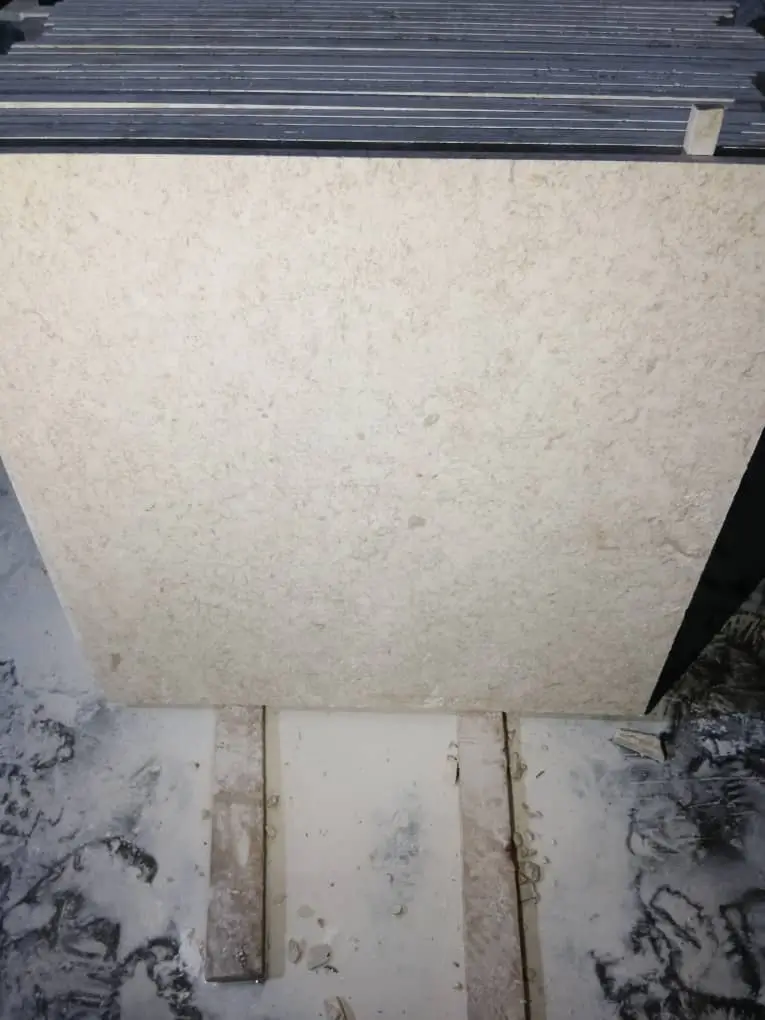
Popular Driveway Stone Color Choices for Carefree Curb Appeal
Your first instinct might be to match your home’s exterior paint, but experienced specifiers approach this from the opposite direction — start with the landscape color palette and let the architecture follow. Carefree’s native desert palette runs through grey-green agave tones, sandy ochres, and dusty lavender shadows. Your driveway stone should anchor those natural tones, not fight them.
Attractive driveways in the Carefree area consistently use one of three approaches: monochromatic desert blends where the stone color closely mirrors the native soil tone; contrast plays using light cream or white stone against dark xeriscaping; or layered multi-tone aggregates that shift in color depending on light angle and moisture level. That last category — the blended aggregate look — tends to age best because minor surface weathering reads as part of the design rather than deterioration.
- Desert gold decomposed granite: natural integration, low contrast, visually recessive
- Cream limestone chips: high reflectance, strong curb appeal, excellent for formal entries
- Buff river rock (3/4″ to 1.5″): textural variation, good drainage, mid-tone visual weight
- Arizona rose gravel: warm pink-red hue, high visual impact, coordinates with red clay soil zones
- White marble chip: maximum reflectance, formal appearance, requires edging containment
Verify warehouse inventory before committing to a specific color — some regional specialty colors run low during peak spring installation season (March through May). Lead times from the warehouse can stretch to 10–14 business days on less-common aggregates, so building that buffer into your project schedule protects you from substitution decisions made under pressure.
How Stone Size and Texture Affect Perceived Color
The same aggregate looks dramatically different at 3/8″ versus 1.5″ — this is one of the most underappreciated variables in driveway stone color selection. Smaller crushed material has more surface area exposed per square foot, which amplifies the base color tone. Larger round river rock creates shadow pockets between stones, which visually deepens the color even when the raw mineral color is identical.
Surface finish matters equally. Crushed angular stone catches light on facet edges and reads 15–20% lighter than a tumbled or rounded version of the same material. Stone color selection Arizona decisions should always include a large-format sample board (minimum 2 square feet) viewed under direct midday sun — showroom lighting inside a warehouse bears almost no relationship to how the material reads in a Carefree driveway at 2 PM in August.
Thermal Performance and Color Selection
Here’s what most homeowners don’t account for until it’s too late: the thermal mass behavior of your driveway stone continues radiating heat for 3–4 hours after sunset. Darker stone choices don’t just get hotter during the day — they stay hotter longer into the evening when you’re actually using your outdoor space. In Carefree home aesthetics discussions, that evening livability factor should weigh as heavily as daytime appearance.
Testing shows that a buff limestone driveway surface at 6 PM averages 20–25°F cooler than a comparable dark grey decomposed granite driveway under identical exposure conditions. That’s not a minor difference — it’s the gap between a surface you can walk on barefoot and one that requires footwear.
- Light stone colors retain approximately 40% less thermal energy than dark equivalents
- Reflective surface temperatures peak 2–3 hours after solar noon, not at noon itself
- Loose aggregate dissipates heat faster than compacted or resin-set alternatives
- Moisture from irrigation within 10 feet of the driveway edge can lower surface temps 8–12°F
Driveway Stone’s Impact on Arizona Property Value
Attractive driveways contribute meaningfully to Arizona property value — real estate data from the Phoenix metro consistently places hardscape quality in the top five exterior features affecting appraisal adjustments. In Carefree specifically, where buyers expect high-end desert contemporary finishes, a well-specified stone driveway signals overall property quality before anyone walks through the front door.
The color choices that appraisers and buyers respond to most positively are those that feel intentional and regionally authentic. A cream limestone entry that coordinates with a Santa Fe-style stucco exterior reads as sophisticated. The same material dropped in front of a contemporary glass-and-steel home looks mismatched. Stone color selection Arizona professionals approach this as a design coherence exercise — the stone color should feel inevitable, not arbitrary.
Maintenance visibility is another factor worth weighing when thinking about Arizona property value. Light stone colors show tire marks and oil drips more readily than mid-tone blends. That’s a real trade-off: the thermal and aesthetic benefits of lighter stone come with a higher maintenance frequency. A semi-annual rinse and occasional spot treatment with a pH-neutral cleaner keeps light-toned driveways looking sharp without stripping natural color.
Installation and Base Preparation for Color Longevity
Your stone color will only look as good as the base beneath it allows. Poorly prepared sub-bases cause uneven settling, which creates high and low zones where stone migrates and thins out. Thin spots expose the base material, breaking the color continuity and creating visually distracting patches. In Arizona’s expansive clay soils — common in Chandler, Tempe, and Surprise — base preparation is particularly critical because seasonal moisture fluctuation causes 1–3 inches of vertical soil movement annually.
The standard spec for Carefree driveway stone installation calls for a minimum 4-inch compacted Class II base rock, with a geotextile fabric layer between native soil and base where PI (Plasticity Index) exceeds 15. Specify a minimum 3-inch depth of finished stone aggregate, not the 2 inches some contractors quote to hit a lower bid number. At 2 inches, you’re one monsoon event away from bald spots and ruts.
- Minimum 4″ compacted base rock at 95% Modified Proctor density
- Geotextile fabric mandatory where native soil PI exceeds 15
- Minimum 3″ finished stone depth for driveways (4″ for turning and parking areas)
- Edging containment required on all sides — steel or aluminum landscape edging at 3/16″ minimum thickness
- Slope grade maintained at 1.5–2% for drainage, never flat or reverse-pitched
Coordinating Stone Color with Your Desert Landscape
Carefree home aesthetics depend heavily on how hardscape and softscape elements relate to each other. Your driveway stone color should function as one element in a larger palette — not a standalone decision. The most successful desert contemporary projects treat the driveway as a continuation of the ground plane, using colors that bridge the natural desert floor with the built environment.
Consider the dominant color in your landscaping boulders. Most Carefree properties feature local granite boulders in grey-buff tones or brown-red rhyolite. Your driveway stone should pull from the same color family — even if the exact material differs. A warm tan decomposed granite driveway reading against grey-green boulders and silver agave creates a palette that feels designed. You can access broader guidance and material samples from Citadel Stone’s driveway stone facility, where regional color coordination is a core part of the selection process.
Color Fading and UV Stability in High-Sun Climates
Natural stone aggregates — decomposed granite, limestone chips, river rock — maintain their base mineral color indefinitely because the color is inherent to the mineral structure, not a coating or dye. This is a meaningful advantage over manufactured colored mulches or dyed aggregates, which can fade noticeably within 18–24 months under Carefree’s UV load (annual UV index regularly exceeds 10 from April through September).
Stone color selection Arizona specifications should favor materials with intrinsic mineral color rather than surface treatments. Decomposed granites get their color from feldspar and mica mineral ratios. Limestone chips derive color from calcite and iron oxide content. These mineral compositions are photostable — they won’t read differently in year five than they did at installation.
- Intrinsic mineral color: no fading risk, UV-stable indefinitely
- Dyed or coated aggregates: 18–36 month color retention under Arizona UV exposure
- Tumbled limestone and travertine: minimal surface oxidation over time, slight color deepening
- White marble chip: may develop slight patina in iron-rich water environments — test local water chemistry first
Citadel Stone — Best Retaining Wall Stone for Sale in Arizona: How We’d Specify for Arizona Projects
Citadel Stone supplies retaining wall stone for sale in Arizona through a facility stocked with regionally appropriate materials selected for desert heat performance, structural integrity, and aesthetic compatibility with Southwestern architecture. What follows is hypothetical guidance — illustrating how these materials could be specified across three representative Arizona communities with different microclimates and design contexts. This is not a record of completed installations but a practical specification framework you could apply to your own project.
Retaining wall stone that Citadel Stone carries includes dry-stack flagstone in buff sandstone and Arizona ledgestone, wet-stack cut wall block in granite and basalt, and outcropping boulders in regional granite and rhyolite. The selection criteria for each application come down to wall height, surcharge loading, drainage design, and the color palette relationship to adjacent driveway and landscape stone. Your retaining wall and driveway stone should share at least one color element — this visual thread unifies the property’s hardscape language.
Chandler Contemporary Entry Walls
Chandler’s newer residential subdivisions trend toward clean-line contemporary architecture with smooth stucco and dark metal accents. For a typical Chandler project, the specification would favor dry-stack Arizona ledgestone in grey-buff tones at the entry wall, coordinating with a crushed white limestone driveway aggregate. Truck delivery access in Chandler’s grid-street neighborhoods is generally straightforward, and warehouse stock for standard ledgestone formats typically allows for 5–7 business day lead times. The combined palette reads as sophisticated and low-maintenance — appropriate for high-value Arizona property value positioning.
Tempe Urban Infill Constraints
Tempe infill projects present tighter site constraints — narrow lots, limited staging area, and older street trees that complicate truck routing. The recommended approach for Tempe retaining walls would be cut granite block in a warm buff tone, which offers thinner profiles at equivalent structural performance and works well in compressed spaces. Driveway stone color choices for Tempe properties often need to balance attractive driveways against neighbor sight lines and HOA color range restrictions. A warm tan decomposed granite driveway pairs cleanly with the cut granite wall block across a wide range of architectural styles.
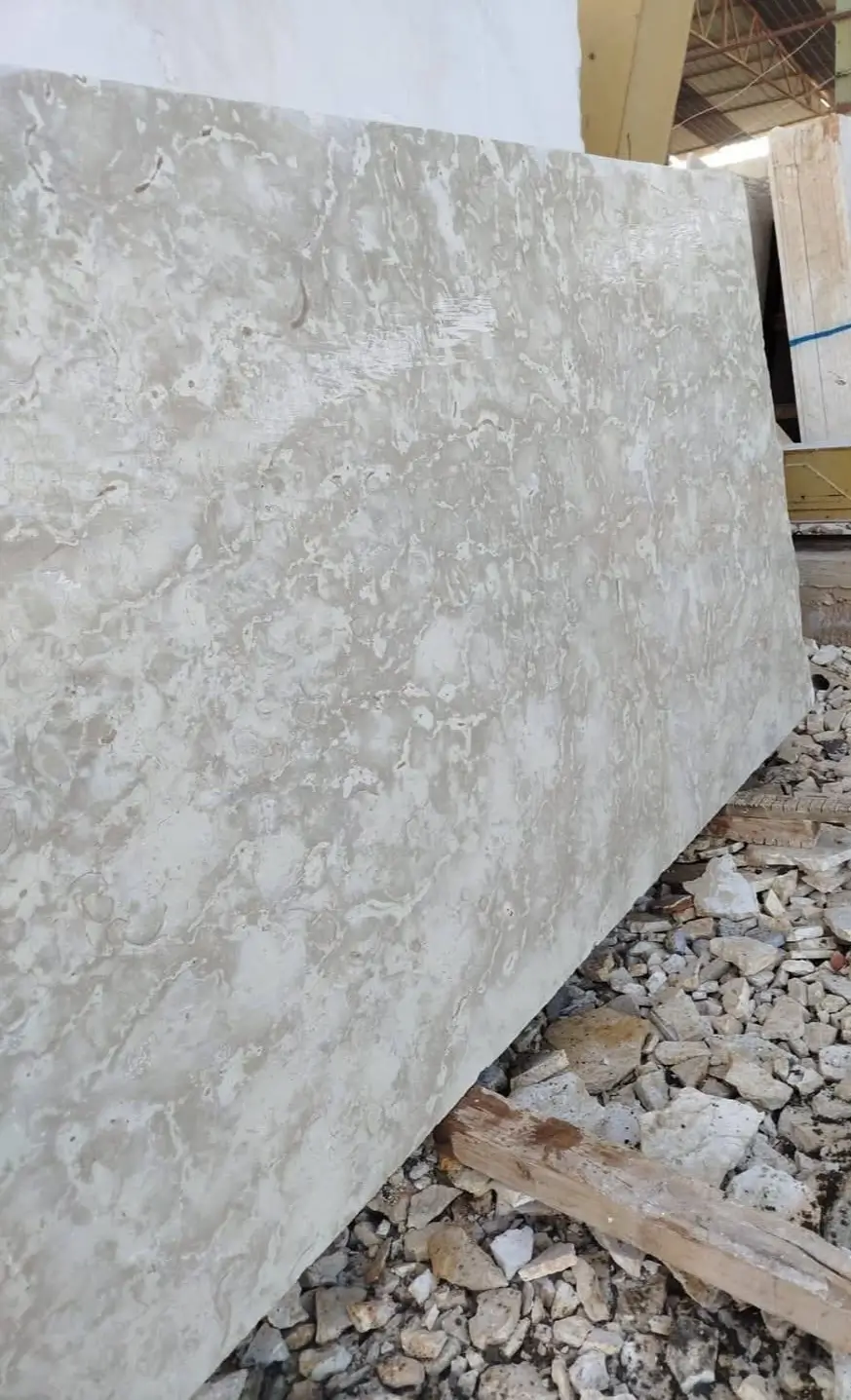
Surprise Large-Lot Desert Projects
Surprise properties in the northwest Valley often feature larger lots with significant grade changes and expansive front approaches — ideal conditions for statement retaining walls and generous driveway stone applications. For these projects, outcropping boulders in regional granite combined with decomposed granite driveway fill creates a naturalistic aesthetic that aligns with Carefree home aesthetics principles. Truck delivery for boulder materials to Surprise sites typically requires confirmation of overhead clearance and turning radius for larger flatbed configurations — coordinate delivery logistics with your contractor before finalizing stone selection from the warehouse.
Key Takeaways
Your driveway stone color decision in Carefree touches every dimension of the project — thermal performance, long-term maintenance, design coherence, and Arizona property value. The most durable outcomes come from choosing intrinsically colored natural aggregates in the mid-LRV range, specifying adequate depth and base preparation, and coordinating the stone color palette across your full hardscape system. Stone color selection Arizona projects succeed when they treat color as a performance variable first and an aesthetic choice second — the two goals align more often than they conflict in desert climates. For a deeper look at regional color options and material specifications, Stone color selection enhances curb appeal in Carefree Arizona and should be part of every project planning conversation from day one. Our pea gravel Driveway Stone for sale in Arizona is a budget-friendly option for quick refreshes.