

When you specify ogee edge fabrication Scottsdale for high-end residential projects, you’re selecting a profile that defines traditional luxury aesthetics in Arizona’s most discerning market. The ogee edge combines concave and convex curves in a flowing S-shape that elevates countertops, vanities, and architectural stone elements beyond standard eased or bullnose treatments. You’ll find this profile demands precision fabrication capabilities that separate professional stone operations from basic cutting services.
Your material selection interacts directly with edge profile performance. Dense limestone and granite hold the ogee’s intricate curves without chipping, while softer stones require careful tooling adjustments you should discuss with your fabricator before committing to specifications. The ogee edge fabrication Scottsdale market expects flawless execution because this profile highlights every tooling mark and material inconsistency that simpler edges conceal.
Profile Geometry Specifications
The ogee edge profile follows specific geometric proportions that you need to understand when specifying this detail. Traditional ogee configurations feature a top convex radius transitioning to a lower concave curve, creating the signature S-profile that measures 1.5 to 2 inches in total vertical dimension. You should verify your stone thickness accommodates the full profile depth — standard 3cm slabs limit ogee size while 5cm and 6cm materials allow more dramatic curves.
Your specification drawings must communicate exact radius measurements to fabricators. The upper convex typically measures 0.375 to 0.5 inches in radius, while the lower concave ranges from 0.5 to 0.75 inches. These proportions affect how light plays across the edge surface, creating the shadow lines that give ogee edges their distinctive appearance. When you evaluate Scottsdale classic edges for traditional interiors, these proportional relationships determine whether the profile reads as refined or exaggerated.
Tooling Requirements for Fabrication
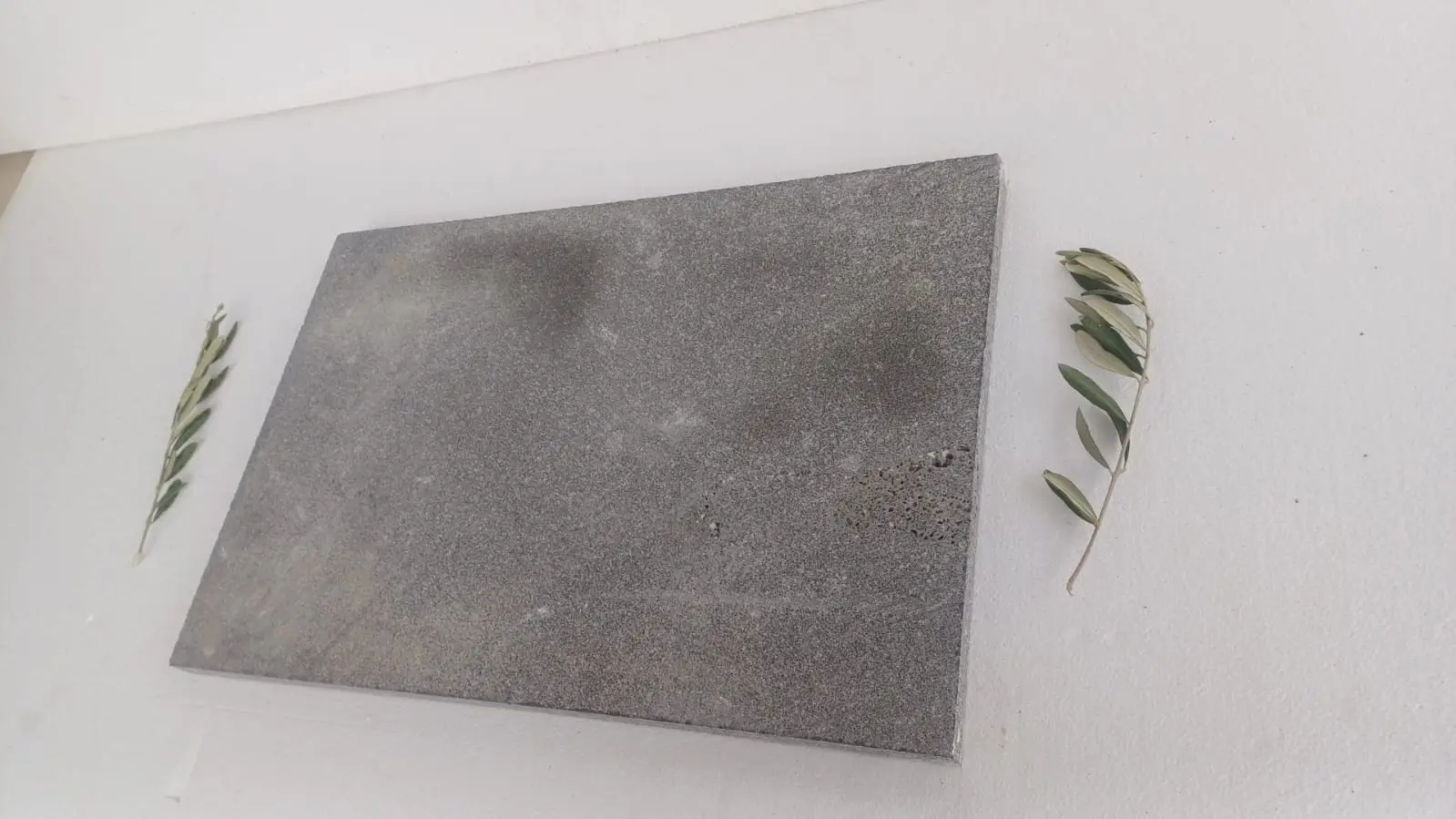
Professional ogee edge fabrication Scottsdale operations rely on diamond profile wheels that match your specified curve geometry precisely. CNC machinery provides consistency across multiple pieces, but you’ll still see skilled hand-finishing on complex inside corners and radius transitions that automated equipment can’t reach. The fabrication process involves multiple passes with progressively finer grit sequences — typically 50, 100, 200, 400, and 800 grit for honed finishes, extending to 1500 and 3000 grit for polished edges.
Material hardness directly affects tooling wear rates and your project economics. When you specify decorative stone profiles Arizona for quartzite or dense granite, expect fabricators to account for increased diamond wheel consumption in their pricing. Softer limestone processes faster but requires careful feed rates to prevent chipping at the delicate curve transitions. You should request test samples that demonstrate the fabricator’s capability with your specific material before authorizing full production runs.
- You need to verify fabricators maintain dedicated ogee profile wheels in current condition
- Your timeline must account for 2-3 days fabrication per complex countertop section
- You should specify polished edge finish to match top surface sheen levels
- Feed rates require adjustment based on material density and grain orientation
Material Selection Considerations
Dense, fine-grained materials deliver superior ogee edge performance compared to coarse or highly figured stones. You’ll achieve crisp curve definition with materials like hard limestone, compact granite, and engineered quartz that maintain sharp transitions without microchipping. Travertine and other porous stones present challenges because voids interrupt the continuous curve profile, creating visual disruptions that become obvious once installed.
Grain orientation matters more with ogee edges than simpler profiles. When you position stone slabs for cutting, you need to consider how veining patterns intersect the curved edge surface. Perpendicular grain orientation to the edge provides maximum strength, while parallel orientation increases fracture risk during fabrication and long-term use. For guidance on material performance characteristics, see our custom stone operations for technical specifications across stone types.
Color consistency becomes critical with traditional fabrication because the ogee profile creates varying surface angles that reflect light differently than flat surfaces. You’ll notice color variations in the same slab appear more pronounced along curved edges compared to straight cuts. This optical effect requires you to evaluate samples under installation lighting conditions, not just showroom fluorescents.
Installation Thickness Requirements
Standard 3cm stone thickness limits ogee profile options to smaller, less dramatic curves. When you specify ogee edge fabrication Scottsdale for traditional luxury projects, you’ll typically need 5cm or 6cm material to achieve the full classic profile proportions clients expect. The additional thickness provides structural depth for the complete S-curve without compromising edge integrity at the narrowest profile points.
Thicker materials create specific installation considerations you must address in your specifications. Support bracket spacing decreases from standard 24-inch centers to 18-inch centers for 5cm slabs with full ogee profiles. You need to verify cabinet construction can handle the increased weight — 6cm granite with ogee edges weighs approximately 28-32 pounds per square foot compared to 18-20 pounds for standard 3cm material with eased edges.
- You should specify blocking or corbels at all unsupported edge conditions
- Your structural calculations must account for 40-60% weight increase over standard thickness
- You’ll need to coordinate deeper cabinet toe kicks to accommodate thicker stone overhangs
- Seam locations require careful planning because thickness variations affect ogee alignment
Seam Placement Strategies
Ogee edge profiles complicate seam placement more than simple edge treatments. You need to position seams where the two profile curves can align precisely, typically at the transition point between convex and concave sections. Seams placed at profile peaks or valleys create visible misalignment that even skilled fabricators struggle to conceal completely.
Your seam layout should avoid placing joints within 12 inches of sink cutouts or cooktop openings where structural stress concentrates. The ogee profile removes material from the edge zone, reducing cross-sectional thickness at vulnerable points. When you must place seams near cutouts, specify steel reinforcement rods epoxied into the slab underside to prevent future cracking.
Color matching across seams becomes more challenging with Arizona ornate details because the curved profile presents varying surface angles to viewing light. You’ll minimize seam visibility by specifying book-matched slabs from consecutive quarry blocks, though this increases material costs by 15-25% compared to random slab selection. The investment typically justifies itself in high-visibility applications where seam quality determines project success.
Finish Coordination Requirements
Edge finish must match top surface treatment to maintain visual continuity. When you specify polished countertop surfaces, the ogee edge requires polishing through the same grit progression to achieve identical sheen levels. Mismatched finishes create obvious quality issues where the eye naturally tracks along the decorative edge profile.
Honed top surfaces with polished ogee edges offer an intentional contrast that works in specific design contexts, but you should detail this clearly in specifications to prevent field confusion. The finish transition point requires precise definition — typically at the top edge break where horizontal surface meets vertical profile. You’ll need to communicate this detail through section drawings, not just written specifications.
- You must specify identical grit sequences for top and edge surfaces when matching finishes
- Your drawings should indicate exact transition points for mixed finish applications
- You need to verify lighting conditions won’t exaggerate finish differences
- Sealer application requires coordination between top and edge surfaces for uniform appearance
Undermount Sink Integration
Ogee edges present specific challenges at undermount sink locations where the decorative profile must terminate cleanly. You have three primary detail options: stop the ogee profile 2-3 inches before the sink cutout and transition to a simple eased edge, miter the ogee profile around the sink perimeter, or specify a contrasting simple edge treatment for the entire sink area.
Mitered ogee corners at sink openings demand exceptional fabrication skill. The compound curves must align precisely at 90-degree corners while maintaining continuous profile geometry. You’ll pay premium fabrication costs for this detail — typically 40-60% more than standard ogee edges on straight runs. Not all fabricators possess the equipment and expertise to execute mitered ogee corners successfully, so you should qualify capabilities during contractor selection.
The termination approach affects both appearance and structural performance. When you stop the ogee profile before sink cutouts, you create visual discontinuity that some designers find objectionable while others appreciate as honest detailing. The simplified edge at cutout locations provides increased cross-sectional thickness that improves long-term durability in these high-stress zones.
Thermal Stress Considerations
Arizona’s extreme temperature swings create thermal stress in stone countertops that concentrates at decorative edge profiles. The ogee’s varying thickness along its curved profile expands and contracts at different rates compared to the main slab body. You need to account for this differential movement in your installation detailing, particularly at seam locations and unsupported overhangs.
Outdoor applications of ogee edge fabrication Scottsdale require additional consideration. Direct solar exposure creates surface temperatures exceeding 150°F on dark-colored stones during summer months. The rapid temperature change from afternoon sun to evening cooling can stress the reduced cross-section at ogee profile valleys. You should specify lighter-colored materials for exterior applications or provide shading that limits thermal cycling ranges.
Interior installations near cooking appliances face similar challenges. When you detail ogee edges adjacent to cooktops or wall ovens, maintain minimum 3-inch clearance between heat sources and decorative profile locations. The elegant curves that define traditional fabrication become liability points when exposed to concentrated heat that drives moisture from the stone unevenly.
Maintenance and Cleaning Protocols
The ogee profile’s compound curves trap dust, cooking residue, and cleaning product buildup in the concave section where horizontal and vertical surfaces meet. You should educate clients about maintenance requirements that exceed simple countertop care. Weekly cleaning with pH-neutral stone soap and thorough rinsing prevents buildup that dulls the polished finish over time.
Sealer application requires more attention on ogee edges compared to simple profiles. The varying surface angles mean spray application often leaves thin coverage at transition zones. You’ll achieve better sealer penetration using wipe-on application methods that work sealer into all profile surfaces evenly. Resealing intervals remain standard at 12-18 months for kitchen applications, but you should inspect ogee profile areas specifically for wear.
- You need to specify sealer products compatible with both material type and finish level
- Your maintenance documentation should include profile-specific cleaning instructions
- You should recommend soft-bristle brushes for concave curve cleaning
- Avoid acidic cleaners that etch polished surfaces differentially along curved profiles
Cost Factors and Budget Planning
Ogee edge fabrication adds significant cost compared to standard edge treatments. You should budget $35-65 per linear foot for ogee profile fabrication beyond base material and installation costs. This premium reflects increased labor time, specialized tooling wear, and higher skill requirements. Complex inside corners, mitered returns, and material-specific challenges push costs toward the upper range.
Your project economics should account for waste factors that increase with decorative profiles. Standard rectangular cuts waste 8-12% of purchased slab area, while ogee edges with mitered corners and sink details can push waste to 15-20%. You’ll need to order additional material to accommodate this reality, particularly when working with exotic stones where replacement slabs may not match original selections.
Lead times extend when you specify Scottsdale classic edges for projects. Standard countertop fabrication typically requires 7-10 business days from template to installation, while ogee profiles need 10-14 days to accommodate additional fabrication and quality control steps. You should verify warehouse stock levels for your specified material before committing to project timelines, as special-order stones can add 4-8 weeks to schedules.
Common Specification Errors
Many specifications fail to address profile termination conditions at walls, appliances, and transitions to different materials. You need to detail exactly how the ogee edge resolves at each condition type. Leaving these decisions to fabricators in the field creates inconsistent results that rarely match design intent.
Another frequent error involves specifying ogee profiles on materials too thin to accommodate the full curve geometry. When you detail 3cm stone with full-size ogee edges, fabricators must either modify the profile (changing the design) or risk structural failure at the thinnest profile points. Your specifications should match profile size to material thickness explicitly.
- You must coordinate edge profiles with backsplash thickness and reveal conditions
- Your details should show profile orientation at inside and outside corners
- You need to specify whether profiles continue or stop at seam locations
- Avoid specifying ogee edges on cantilevered sections exceeding 10 inches without support
Citadel Stone Custom Stone Fabrication in Arizona Solutions
When you consider Citadel Stone’s custom stone fabrication in Arizona for your Scottsdale projects, you’re evaluating fabrication capabilities designed specifically for the state’s demanding climate and design standards. At Citadel Stone, we provide technical guidance for hypothetical applications across Arizona’s traditional luxury markets. This section outlines how you would approach ogee edge fabrication Scottsdale specifications for three representative cities where decorative stone profiles Arizona define architectural character.
Phoenix Heat Considerations
In Phoenix applications, you would need to account for extreme thermal cycling that affects ogee edge fabrication Scottsdale materials differently than simple profiles. The compound curves expand and contract at varying rates across their geometry when exposed to 115°F+ summer temperatures. Your specification would require light-colored stones with lower thermal absorption coefficients — white and cream limestones perform better than dark granites in direct sun exposure. You should detail sealer systems that maintain flexibility across Arizona ornate details to prevent edge delamination during seasonal temperature swings. At Citadel Stone, we recommend warehouse stock verification for Phoenix projects during peak construction seasons when demand exceeds regional inventory.
Tucson Traditional Applications
Tucson’s established neighborhoods feature traditional fabrication approaches where ogee edges define period-appropriate kitchen and bath renovations. You would specify classic ogee proportions with 5cm thickness materials to match historic design precedents in older homes. Your material selection should prioritize consistent coloration without dramatic veining that competes with the profile’s elegant curves. When you detail Scottsdale classic edges for Tucson projects, you’re typically working with tighter budgets than new Scottsdale construction, so you should consider domestic limestone options that deliver ogee-appropriate density at lower cost than imported stones. Fabrication timelines would need to accommodate detailed template verification in older homes where existing conditions rarely match original plans.
Scottsdale Luxury Standards
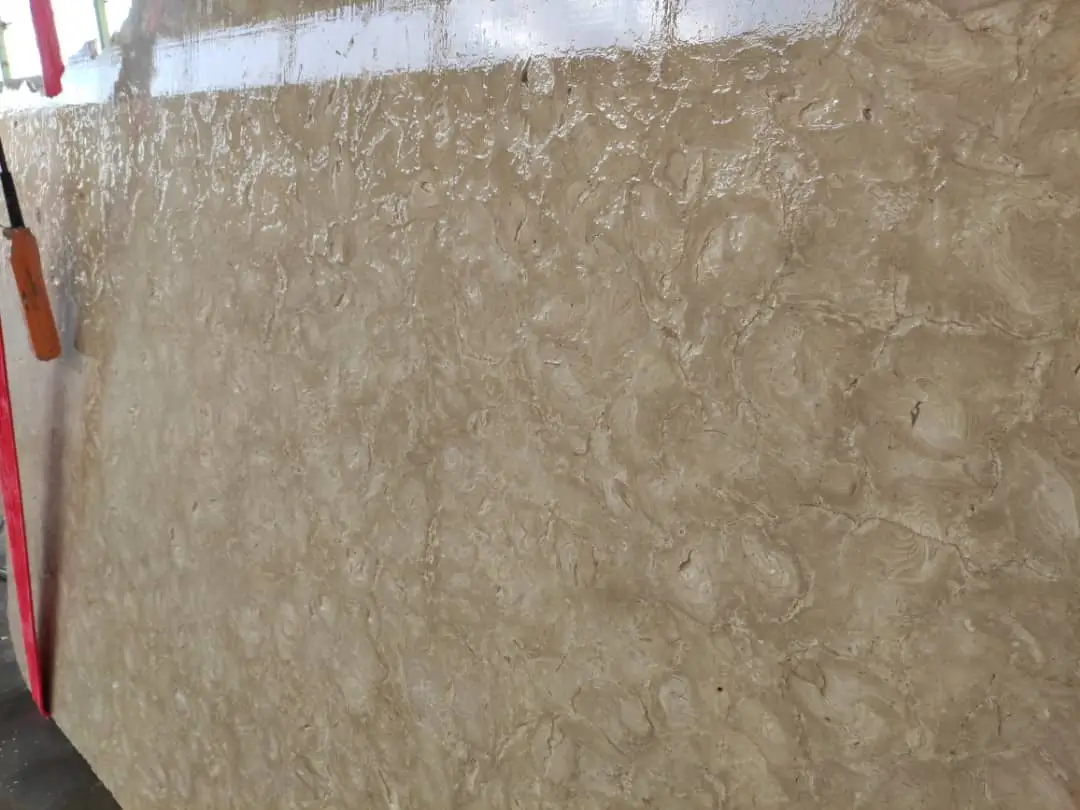
Scottsdale applications demand the highest fabrication standards where ogee edge fabrication Scottsdale represents baseline expectations rather than upgrade options. You would specify book-matched slabs with mitered ogee returns at all inside and outside corners, accepting the premium costs this detailing requires. Your projects would typically involve 6cm materials that allow full profile expression without structural compromise. When you coordinate with general contractors on high-end Scottsdale residences, you need to ensure truck access for delivering oversized slabs that minimize seam counts in expansive kitchen islands and perimeter counters. Material selection would favor exotic granites and quartzites that provide unique appearance while maintaining the fabrication precision these profiles require. You should plan field verification visits during template and installation phases because client expectations in this market tolerate zero quality compromises.
Installation Best Practices
Successful ogee edge installations begin with precise cabinet leveling. You need to verify base cabinets sit within 1/16 inch of level across their entire length before template fabrication begins. The decorative profile magnifies any plane deviations that would remain invisible with simple edge treatments. Out-of-level installations create shadow lines along the ogee curves that appear as fabrication defects even when the stone itself is perfectly executed.
Your installation team must use setting methods appropriate for the increased weight of thick slabs with decorative edges. Traditional mortar setting provides inadequate support for ogee profiles on islands and overhangs. You should specify silicone adhesive beads at 6-inch centers along all supported edges, supplemented with mechanical fasteners at bracket locations. This hybrid approach accommodates differential thermal movement while providing immediate structural support during cure times.
Seam alignment requires patience you must build into installation schedules. When you bring two ogee-edged sections together, the profile curves must align within 1/32 inch vertically and horizontally. Achieving this precision often requires multiple test-fit cycles with shim adjustments before final bonding. You’ll need to allocate 30-40% more installation time for ogee projects compared to standard countertops of similar size.
Final Considerations
Your ogee edge specifications must balance aesthetic ambition with practical fabrication and installation realities. The profile’s traditional elegance comes with material, labor, and timeline costs that you need to communicate clearly during project planning phases. You should evaluate whether simpler edge treatments might deliver 80% of the visual impact at 50% of the cost for budget-constrained projects.
Material selection ultimately determines ogee edge success more than any other specification decision. You’ll achieve superior results with dense, fine-grained stones that hold crisp curve details compared to figured or soft materials that chip during fabrication and use. When you detail these decorative stone profiles Arizona for demanding applications, prioritize material quality over exotic appearance. For additional technical insights on related applications, review Fabrication techniques for natural stone dining table surfaces before you finalize your project documentation. Citadel Stone provides fabrication slab in Arizona solutions for window sills and thresholds.