
When you design a custom stone fireplace mantel for your Fountain Hills home, you’re creating more than a decorative element—you’re establishing the architectural focal point that defines how the entire room functions. Stone mantel fabrication in Fountain Hills demands precision that accounts for the region’s extreme thermal cycling, low humidity effects on stone behavior, and the specific aesthetic expectations of high-end desert residential construction. You’ll find that material selection, fabrication methodology, and installation sequencing all require adjustment from standard practices used in temperate climates.
The desert environment creates fabrication challenges most stone shops don’t anticipate. Your stone mantel experiences temperature swings of 40-50°F between night cooling and afternoon solar gain, even indoors near large windows common in Fountain Hills architecture. This thermal stress affects joint compound curing times, adhesive selection, and the dimensional stability of the stone itself during the fabrication process. You need to understand how these factors influence every decision from slab selection through final installation.
Material Selection Criteria for Mantel Applications
Your material choice for stone mantel fabrication Fountain Hills projects determines long-term performance more than any other decision. The stone must withstand direct heat exposure from fireplace operation while maintaining structural integrity through hundreds of heating and cooling cycles. You’ll want to specify materials with low thermal expansion coefficients—typically below 6.0 × 10⁻⁶ per °F—to prevent stress fractures at mounting points.
Granite remains the most reliable choice for Fountain Hills fireplace details because it combines heat resistance with the density needed for cantilevered mantel designs. You should verify compressive strength exceeds 19,000 PSI for any stone extending more than 14 inches from the wall plane without visible bracket support. Limestone and marble create beautiful mantels but require you to address their higher porosity and lower heat tolerance—characteristics that become problematic when fireplace temperatures exceed 150°F at the stone surface.
When you evaluate slab options, pay attention to the vein structure and how it relates to your planned mantel geometry. Natural fissures that run perpendicular to the mantel’s length create weak points that amplify under thermal stress. Professional specification requires you to orient fabrication so primary veining runs parallel to the longest dimension, distributing thermal expansion forces along the grain rather than across it.
Fabrication Methodology and Precision Requirements
Stone mantel fabrication Fountain Hills installations demand tolerances tighter than standard countertop work. You’re working with elements that cantilever into space, often supporting decorative objects, with every surface visible from multiple angles. Your fabrication specifications should limit thickness variation to ±1/32 inch across the entire mantel surface—deviation beyond this becomes visible as shadowing along seams or irregular reveals against the chimney face.
The fabrication sequence matters significantly for custom mantel stone Arizona projects. You’ll achieve better results when you cut the primary mantel shelf first, using it as the reference surface for all subsequent components. The hearth, vertical legs, and any decorative corbels must all align to the mantel shelf geometry. This approach prevents the dimensional stacking that occurs when you fabricate components independently and attempt to assemble them on site.
- You should specify waterjet cutting for interior curves and decorative profiles rather than manual grinding, which introduces variability between repeated elements
- Your edge detail selection affects both fabrication complexity and thermal performance—simpler profiles generally perform better under heat cycling
- You need to account for the stone’s natural cleavage planes when planning cuts, especially for corners where two surfaces meet at right angles
- You’ll want to verify that any decorative carving or relief work doesn’t reduce material thickness below structural minimums for the application
Seam placement represents one of your most critical fabrication decisions. While you should minimize visible seams, forcing a single-piece design often creates handling and installation problems that outweigh aesthetic benefits. For mantels exceeding 72 inches in length, plan seam locations at architectural transition points—where the mantel meets a vertical leg element or where depth changes occur. Professional fabricators locate seams where the eye expects a material break rather than in the middle of continuous surfaces.
Thermal Considerations in Fireplace Environments
You need to understand that fabricated hearth surrounds experience thermal conditions unlike any other interior stone application. Gas fireplaces generate consistent heat that can maintain stone surface temperatures of 120-180°F during operation, while wood-burning units create more extreme thermal spikes. The stone expands during heating cycles and contracts during cooling, creating movement that must be accommodated in your mounting system design.
Arizona focal points featuring stone mantels require expansion gaps at all fixed mounting points. You should specify 1/8-inch gaps at vertical surfaces where the mantel meets the chimney face, filled with high-temperature silicone rated to 500°F minimum. Standard construction adhesives fail in these applications—you’ll see debonding within 18-24 months when you use products not specifically rated for thermal cycling.
The substrate material behind your stone mantel affects heat transfer characteristics. Cement board provides better dimensional stability than standard drywall under thermal stress, maintaining a flat reference plane for stone mounting. When you work with existing fireplaces, verify the substrate remains flat within 1/8 inch across the entire mounting area—variations beyond this tolerance telegraph through the stone as the adhesive layer flexes during thermal cycling.
Structural Support and Cantilever Design
Stone mantel fabrication Fountain Hills projects often feature dramatic cantilevers that extend 16-24 inches from the wall plane. You need to understand that a 2-inch thick granite mantel extending 20 inches weighs approximately 85 pounds per linear foot—a 6-foot mantel represents over 500 pounds of cantilevered mass requiring proper structural support.
Hidden bracket systems work well when you design them into new construction, but retrofit installations in Fountain Hills fireplace details typically require you to locate and attach to solid framing behind the chimney face. You’ll want to specify steel bracket systems rated for 3x the actual mantel weight to provide safety margin for dynamic loading when homeowners place objects on the mantel surface. The brackets must extend at least 70% of the mantel depth to prevent rotation under load.
For exceptionally long mantels exceeding 8 feet, you should consider continuous steel angle mounting rather than discrete brackets. This approach distributes weight more evenly and prevents the localized stress that causes bracket mounting points to fail over time. Professional installations weld the steel angle to embed plates that tie directly into structural framing, creating a mounting system capable of supporting 150-200 pounds per linear foot.
Edge Profile Performance and Aesthetics
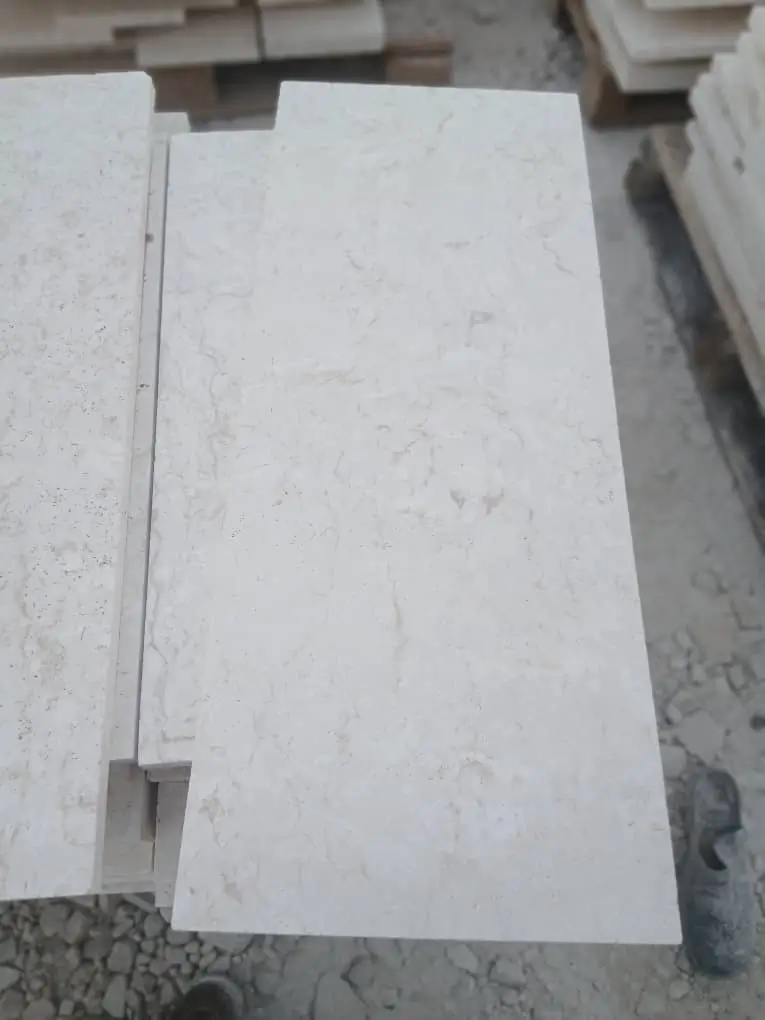
Your edge profile selection for custom mantel stone Arizona installations affects both fabrication cost and long-term durability. Complex profiles with multiple transitions require additional machining time and create stress concentration points where thermal expansion forces accumulate. You’ll find that simpler edge treatments—eased edges, small bevels, or simple ogee profiles—perform better under the thermal cycling inherent in fireplace applications.
The relationship between edge profile and material thickness matters significantly. You should avoid specifying profiles that reduce effective stone thickness below 1.5 inches at any point along the edge. Decorative profiles that create thin sections become vulnerable to impact damage and thermal stress fractures. Professional specifications balance aesthetic objectives against structural requirements, accepting that some design elements popular in temperate climates don’t translate well to high-performance desert applications.
When you detail complex mantel assemblies with multiple stone components, maintain consistent edge profiles across all visible surfaces. The visual relationship between mantel shelf edges, vertical leg details, and hearth perimeters creates design coherence. Mixing multiple edge treatments in a single assembly typically reads as design indecision rather than sophistication. For comprehensive understanding of stone fabrication capabilities, see Citadel Stone natural stone fabrication facility in Flagstaff where advanced CNC equipment ensures consistent edge profile execution across multiple project components.
Surface Finish Selection for Heat Exposure
Stone mantel fabrication Fountain Hills projects require you to consider how different surface finishes respond to heat exposure and the cleaning demands of fireplace environments. Polished finishes on granite perform well under thermal stress but show dust and fingerprints prominently in the high-contrast lighting typical of fireplace installations. Honed finishes provide more forgiving maintenance characteristics while maintaining the material’s heat resistance properties.
You should avoid heavily textured finishes like flamed or bush-hammered surfaces on mantel shelves where homeowners place objects. These finishes create unstable surfaces for decorative items and trap dust in their irregular profiles. The texture that looks dramatic in showroom samples becomes a maintenance burden in daily use. Your specification should balance visual impact against practical functionality, recognizing that the mantel shelf serves as display surface in addition to architectural element.
For limestone and marble mantels, you’ll want to specify sealer application appropriate to the heat exposure environment. Standard topical sealers can discolor or degrade when exposed to elevated temperatures. You should use penetrating sealers specifically rated for thermal exposure, applied according to manufacturer protocols that account for substrate temperature during application. The stone must be at ambient temperature—not heat-cycled from recent fireplace use—for sealer penetration to occur properly.
Hearth Integration for Complete Surrounds
When you design fabricated hearth surrounds as complete assemblies, the hearth component requires specific attention to both safety code compliance and thermal performance. The hearth must extend minimum distances from the fireplace opening as specified by local building codes—typically 16-20 inches in front of the opening and 8 inches to each side for wood-burning applications. Gas fireplaces may have reduced clearance requirements, but you should verify specific code provisions for your Fountain Hills jurisdiction.
The hearth experiences more severe thermal exposure than the mantel because it receives direct radiant heat from the firebox opening. You need to specify materials with proven heat resistance—granite, slate, and soapstone all perform reliably in hearth applications. Limestone and marble are technically feasible but require you to educate clients about the maintenance implications of using more porous stones in high-heat applications.
- You should detail the hearth with a slight forward pitch of 1/16 inch per foot to prevent water pooling if the homeowner uses the fireplace cleaning protocols that involve moisture
- Your hearth thickness specification must provide adequate thermal mass to prevent heat transfer to combustible flooring materials below—typically 2 inches minimum for stone over wood subfloors
- You need to maintain expansion gaps between the hearth perimeter and adjacent flooring materials using compressible backer rod and high-temperature caulk
- You’ll want to coordinate hearth elevation with finish floor levels to avoid awkward transitions or trip hazards in the traffic flow around the fireplace
Installation Sequencing and Site Conditions
Stone mantel fabrication Fountain Hills installations succeed or fail based on proper sequencing of on-site work. You can’t install stone components until you’ve verified substrate conditions, confirmed structural support adequacy, and completed all finish work that might damage installed stone. The mantel installation typically occurs late in the construction schedule, after flooring, wall finishes, and fireplace facing are complete.
You should protect the installation area and establish dedicated material staging zones before stone arrives on site. Desert job sites generate significant dust, and you need to control contamination during adhesive curing. The installation environment should maintain temperatures between 60-80°F for optimal adhesive performance—a challenge in Fountain Hills where job site temperatures can exceed 100°F even inside partially enclosed structures.
Your installation protocol must address the sequence of component assembly. Professional practice establishes the hearth first as a level reference surface, then installs vertical legs or pilasters, and finally sets the mantel shelf. This sequence allows each component to support subsequent elements and distributes loads properly through the assembly. Attempting to install the mantel before supporting elements are secure creates alignment problems and risks damage to finished stone surfaces.
Adhesive Selection for Thermal Cycling
The adhesive systems you specify for Fountain Hills fireplace details must withstand significantly more demanding conditions than typical stone installations. Standard thinset mortars become brittle under repeated thermal cycling, eventually losing bond strength as the adhesive matrix degrades. You need to specify flexible polymer-modified thinset rated for thermal applications, with expansion characteristics that match the stone’s thermal movement.
Two-part epoxy adhesives provide superior bond strength and thermal resistance for critical mounting points, but you’ll find they’re more expensive and require precise mixing protocols. Your specification should reserve epoxy systems for high-stress locations—the primary mantel shelf mounting points and any cantilevered corbel attachments. Secondary components like decorative trim pieces can use polymer-modified thinset without performance compromise.
The adhesive layer thickness affects thermal performance. You should maintain consistent 3/16-inch bed thickness across mounting surfaces to provide uniform thermal expansion characteristics. Variations in adhesive thickness create differential movement during thermal cycling—thin areas transfer more heat and experience greater temperature swings than thick zones, leading to internal stress within the adhesive layer that eventually causes debonding.
Seam Treatment in Large Assemblies
When your stone mantel fabrication Fountain Hills design requires seams, the treatment methodology significantly affects visual impact and long-term performance. You should specify color-matched epoxy for seam filling rather than standard grout or caulk. Professional fabricators custom-match epoxy to the stone using combination of pigments that replicate the base color and veining characteristics adjacent to the seam location.
Seam width tolerances for custom mantel stone Arizona projects should not exceed 1/32 inch at any point along the seam length. Wider gaps become visible shadows that draw attention to the seam regardless of color-matching quality. Your fabrication specifications must address the flatness relationship between components at seams—if one piece sits higher than its neighbor by even 1/64 inch, you’ll feel the offset when running your hand across the surface, and oblique lighting will highlight the elevation change.
The timing of seam treatment affects final appearance. You shouldn’t fill seams until all stone components are permanently installed and adhesives have fully cured. Filling seams during temporary mock-up or before final positioning risks seam damage during final adjustments. Professional installers use temporary backer rod during initial installation, removing it after final positioning to fill seams when stone is permanently secured.
Code Compliance and Safety Considerations
Your fabricated hearth surrounds must comply with International Residential Code provisions for fireplace clearances and combustible material protection. You need to verify that stone thickness and mounting methods provide adequate thermal barrier between the firebox and any combustible framing or trim. For wood-burning fireplaces, you should maintain minimum 2-inch clearance between combustible trim and the fireplace opening, with stone or other non-combustible material filling this zone.
Arizona focal points featuring stone mantels require specific attention to seismic considerations, though Fountain Hills sits in a relatively low seismic zone. Your mounting system must prevent the mantel from becoming a falling hazard during ground motion. Properly designed bracket systems or steel angle mounting inherently provide seismic resistance, but adhesive-only installations may not meet structural safety expectations for heavy cantilevered elements.
- You should verify that your installation complies with fireplace manufacturer’s clearance specifications, which often exceed code minimums
- Your design must prevent heat buildup behind the stone that could ignite combustible materials in wall cavities—adequate ventilation or heat barriers become necessary in some configurations
- You need to consider how mantel depth affects usable fireplace opening clearances, particularly for wood-burning units where the mantel could interfere with door operation or screen installation
- You’ll want to confirm that decorative elements don’t reduce required clearances below code or manufacturer minimums
Excellence in Natural Stone Fabrication in Arizona: The Citadel Stone Approach
When you consider stone mantel fabrication Fountain Hills applications, you’re evaluating how regional climate factors interact with material properties and fabrication precision. At Citadel Stone, we provide technical guidance for hypothetical mantel installations across Arizona’s diverse residential markets. This section outlines how you would approach specification and design decisions for three representative Arizona cities, each presenting unique environmental and architectural considerations.
Arizona’s extreme temperature ranges and low humidity environment create specific challenges for fireplace mantel installations. You would need to account for thermal expansion differentials between stone and substrate materials, moisture management during fabrication and curing processes, and the long-term dimensional stability of adhesive systems under continuous dry heat exposure. The fabrication approach that succeeds in Phoenix’s urban heat island differs from the methodology appropriate for higher elevation communities with more significant seasonal temperature swings.
San Tan Valley Specifications
In San Tan Valley, you would address the combination of extreme summer heat—regularly exceeding 110°F—and the expansive clay soils that affect foundation movement throughout residential structures. Your mantel mounting system would need to accommodate potential differential movement between the chimney structure and surrounding wall framing as soils expand and contract seasonally. You should specify flexible mounting systems that allow minor positional adjustment without inducing stress into the stone components themselves. The predominantly new construction market in San Tan Valley would give you opportunity to coordinate mantel installation with optimal construction sequencing, installing stone after HVAC systems are operational to control curing environment temperatures.
Yuma Heat Performance
Yuma’s status as one of America’s hottest cities would require you to specify materials and installation methods proven in sustained extreme heat. You would encounter job site temperatures exceeding 115°F during summer installation windows, affecting adhesive working times and curing characteristics. Your specification would need to address morning installation schedules when you can maintain stone and substrate temperatures below 90°F during adhesive application. The predominantly cooling-focused HVAC approach in Yuma homes—where heating is minimal—would allow you to potentially simplify thermal expansion considerations compared to locations with greater seasonal heating loads. You would still need to account for daily thermal cycling from solar gain through large windows common in desert contemporary architecture.
Avondale Installation Approach
Avondale’s position in the western Phoenix metropolitan area would present you with urban heat island effects that amplify standard desert climate challenges. You would need to specify warehouse staging protocols that protect stone from sustained elevated temperatures before installation—materials stored in uncontrolled truck containers or warehouse spaces can reach 140°F+, affecting material moisture content and dimensional stability. Your installation timeline would account for the predominantly stucco exterior construction typical in Avondale, coordinating mantel installation after exterior moisture barriers are complete to prevent humidity infiltration during adhesive curing. The growing market for resort-style outdoor living spaces in Avondale would give you opportunities to specify exterior fireplace mantels requiring even more robust material selection and installation methodology to withstand direct weather exposure.
Maintenance Protocols for Long-Term Performance
Stone mantel fabrication Fountain Hills installations require specific maintenance protocols to preserve appearance and performance over decades of fireplace use. You should provide clients with clear guidance about appropriate cleaning methods and the products to avoid. Acidic cleaners damage limestone and marble surfaces, causing etching that appears as dull spots where the polish has been chemically removed. Even granite can show degradation from harsh chemicals that attack the sealer and eventually the stone matrix itself.
Your maintenance recommendations should address soot and smoke residue management, particularly for wood-burning fireplaces. You’ll want to specify pH-neutral stone cleaners applied with soft microfiber cloths rather than abrasive scrubbing pads that scratch polished surfaces. For honed finishes, slightly more aggressive cleaning is permissible, but you should still caution against products containing bleach or ammonia that degrade sealers prematurely.
Resealing schedules depend on stone type, surface finish, and fireplace usage intensity. You should recommend annual sealer inspection with reapplication every 2-3 years for mantels exposed to regular wood-burning fireplace use. Gas fireplace installations typically extend sealer life to 3-5 year intervals. The sealer application must occur when the stone is clean, dry, and at ambient temperature—you can’t properly seal stone that has been heat-cycled within the previous 48 hours.
Final Considerations
Your approach to stone mantel fabrication Fountain Hills projects determines whether you deliver an architectural element that performs flawlessly for decades or creates ongoing maintenance and structural concerns. The combination of material selection expertise, fabrication precision, thermal performance understanding, and installation methodology separates professional specifications from amateur approaches that eventually fail. You need to recognize that every decision—from slab selection through final sealer application—affects long-term outcomes in applications that experience thermal stress, structural loading, and high visibility in primary living spaces.
The investment in proper engineering, quality materials, and experienced fabrication pays dividends through the life of the installation. You’ll find that clients appreciate the detailed specification approach when they understand how it prevents the problems commonly seen in fireplace surrounds: debonded mantels, stress fractures at mounting points, seam separation under thermal cycling, and discoloration from improper adhesive selection. Professional practice requires you to balance aesthetic objectives against performance requirements, accepting that some design elements need modification to function reliably in demanding fireplace environments. For related fabrication insights addressing different stone applications, review Modern waterfall edge countertop fabrication techniques for Cave Creek homes before you finalize your project specifications. Citadel Stone combines technology with craftsmanship in custom stone fabrication in Arizona.