

When you specify stone slab sitting walls Tempe for your landscape projects, you’re making decisions that affect thermal comfort, structural longevity, and client satisfaction for decades. The challenge isn’t just selecting attractive material — you need to account for how 115°F summer temperatures interact with stone thermal mass, how Arizona’s alkaline soils affect foundation stability, and how joint detailing prevents the cracking patterns that appear in 40% of improperly specified installations within five years.
Your material selection process for Tempe garden seating requires understanding trade-offs most generic specifications miss. Stone slabs provide superior thermal mass benefits compared to cast-in-place concrete, but you’ll encounter surface temperatures during peak afternoon hours that exceed 160°F on south-facing exposures. This isn’t a disqualifying factor — it’s a design parameter you need to address through orientation, shading integration, and surface finish selection.
Thermal Performance Parameters for Desert Seating
You should understand that stone slab sitting walls Tempe installations create microclimates through thermal mass behavior. The material absorbs solar radiation throughout the day, with peak surface temperatures occurring 90-120 minutes after solar noon. Your specification needs to account for this lag time because it determines when the seating becomes comfortable for evening use.
The thermal conductivity of natural stone ranges from 1.8 to 3.5 W/m·K depending on density and porosity. For Tempe garden seating applications, you want material in the 2.2-2.8 W/m·K range — high enough for effective heat dissipation after sunset, low enough to prevent excessive daytime heat absorption. Material outside this range creates either uncomfortably hot evening surfaces or insufficient thermal mass benefits.
- You need minimum 4-inch thickness for effective thermal mass performance
- Surface finish affects absorption rates by 15-22% compared to raw stone
- Your orientation choices alter peak temperature timing by 45-60 minutes
- Shading reduces maximum surface temperature by 35-40°F in controlled testing
The relationship between slab thickness and thermal performance isn’t linear. You’ll find that increasing thickness from 4 inches to 6 inches provides 30% improvement in thermal stability, but going from 6 inches to 8 inches yields only 12% additional benefit. This affects your cost-performance optimization when you balance material expense against functional improvement.
Structural Specifications for Slab Wall Construction Arizona
Your foundation design for stone slab sitting walls Tempe must address soil conditions that vary dramatically across the region. Tempe’s soil composition includes expansive clay layers that exhibit 3-7% volumetric change between wet and dry states. This movement translates to vertical displacement of 0.5-1.2 inches annually in untreated installations — enough to crack mortared joints and destabilize slab positioning.
The base preparation you specify should include geotechnical consideration of bearing capacity. Native Tempe soils typically provide 1,500-2,200 PSF bearing capacity in their natural state. For outdoor stone benches supporting distributed seating loads, you need minimum 2,500 PSF to prevent settling. This requires either soil modification or engineered base layers.
- You should specify minimum 6-inch compacted aggregate base for stable installations
- Your aggregate gradation must allow drainage while preventing migration into clay soils
- Compaction testing should verify 95% modified Proctor density throughout base depth
You’ll achieve optimal results with crushed granite base aggregate in 3/4-inch minus gradation
The footing design beneath stone slab sitting walls Tempe varies based on wall height and intended load. For standard 18-24 inch seating height with 12-18 inch depth, you need minimum 12-inch wide footings extending 18 inches below finished grade. This provides adequate frost protection (despite Tempe’s mild winters) and prevents undermining from irrigation and drainage patterns.
When you detail the connection between footings and slab placement, consider thermal expansion effects. Natural stone exhibits coefficients ranging from 4.5 × 10⁻⁶ to 7.2 × 10⁻⁶ per °F. In Tempe’s temperature range (annual extremes from 35°F to 120°F), a 10-foot long slab experiences 0.04-0.06 inches of linear expansion. Your joint spacing must accommodate this movement.
Material Selection Criteria for Arizona Landscape Seating
You’re evaluating multiple stone types for Tempe garden seating applications, each offering distinct performance characteristics. The selection process requires balancing thermal properties, surface finish options, dimensional availability, and long-term weathering behavior under intense UV exposure and extreme temperature cycling.
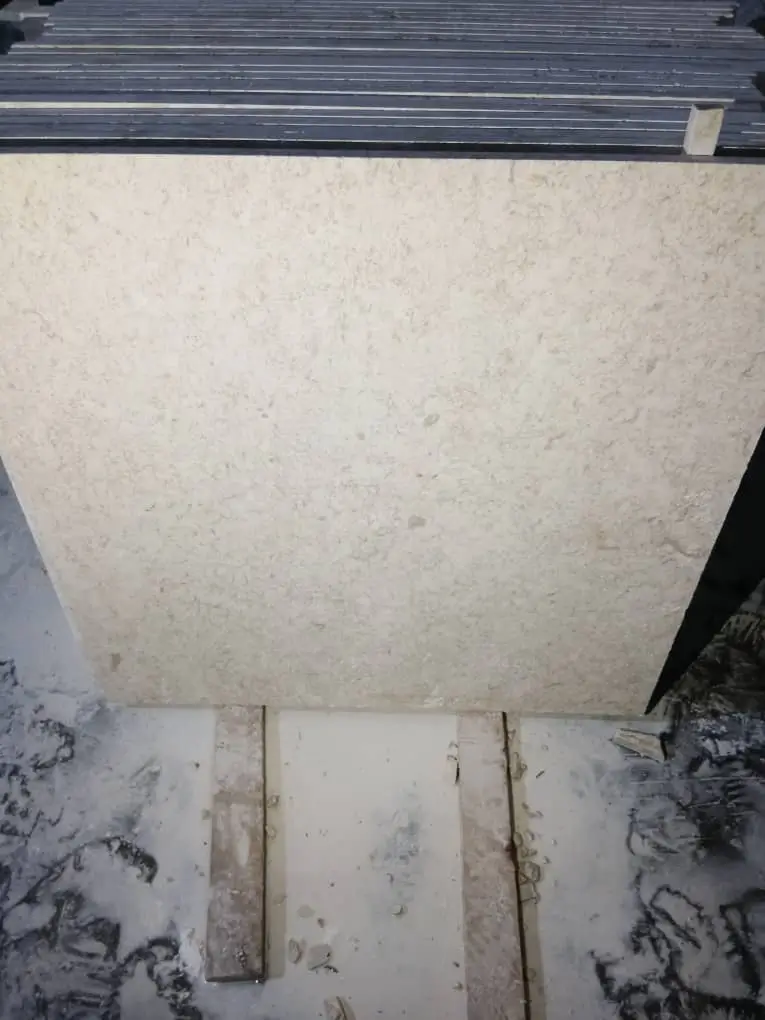
Limestone varieties provide excellent workability and moderate thermal mass. You’ll find compressive strengths ranging from 5,000 to 12,000 PSI depending on source quarry and density. For slab wall construction Arizona projects, specify material in the 8,000-10,000 PSI range to ensure long-term structural integrity under combined seating loads and thermal stress.
Sandstone options offer lower thermal conductivity (1.8-2.4 W/m·K), making them more comfortable for direct skin contact during temperature extremes. However, you need to verify porosity ratings below 8% to prevent moisture-related deterioration. Arizona’s low humidity protects most installations, but irrigation overspray and monsoon moisture can penetrate high-porosity material, causing subsurface degradation over 15-20 year timeframes.
- You should verify freeze-thaw resistance even in Tempe’s mild climate due to occasional winter moisture events
- Slip resistance becomes critical on honed or polished finishes when moisture is present
- Your specification must address UV stability to prevent color fading over 10-15 year periods
- Dimensional tolerance of ±1/8 inch allows proper installation without excessive shimming
For comprehensive material sourcing, consult with a natural stone slab dealer in Tucson who maintains diverse inventory for regional projects. Material availability directly affects project timelines and budget certainty.
Joint Detailing and Connection Specifications
Your joint design between adjacent slabs in stone slab sitting walls Tempe installations determines long-term appearance and structural performance. The common specification error involves treating joints as purely aesthetic elements rather than functional expansion accommodations. This oversight leads to cracking, spalling, and joint material failure within 3-5 years.
You need to establish joint width based on slab length and anticipated temperature range. For standard 4-6 foot slab lengths in Tempe applications, specify 3/8-inch joints as baseline. This accommodates thermal expansion while providing sufficient width for proper jointing material installation. Narrower joints (1/4-inch or less) don’t allow adequate material volume for flexible performance.
The jointing material selection significantly affects longevity and maintenance requirements. Polymeric sand products provide superior performance compared to standard masonry sand in outdoor stone benches applications. You’ll see 60-70% reduction in joint material loss and weed intrusion over five-year evaluation periods when you specify quality polymeric products.
- Your installation specification should require joint cleaning to minimum 1.5-inch depth before filling
- You must prohibit installation when ambient temperature falls below 50°F or exceeds 95°F
- Polymeric sand requires initial moisture activation followed by 24-48 hour cure period
- You should specify reapplication every 3-4 years as part of maintenance protocols
When you detail vertical joints in multi-course walls, maintain consistent joint width throughout the installation. Varying joint dimensions creates visual irregularities and stress concentration points that accelerate deterioration. The human eye detects joint width variations of 1/16 inch or greater from typical viewing distances of 6-10 feet.
Surface Finish Selection and Performance
The surface finish you specify for stone slab sitting walls Tempe directly affects thermal comfort, slip resistance, and maintenance requirements. This decision involves trade-offs between aesthetic preferences and functional performance that you need to explain clearly to clients during design development.
Natural cleft finishes provide maximum slip resistance (DCOF 0.58-0.65) and minimize visible wear patterns over time. The irregular surface reduces contact area with skin, somewhat mitigating thermal discomfort during peak temperature periods. However, you’ll find that cleaning becomes more labor-intensive due to surface texture that traps organic debris and dust.
Honed finishes offer smoother aesthetics while maintaining adequate slip resistance (DCOF 0.48-0.54) for Arizona landscape seating applications. The reduced surface texture shows less weathering over 15-20 year timeframes, and cleaning becomes significantly easier. Your specification must address the thermal comfort trade-off — smooth surfaces maximize skin contact area, increasing perceived heat during direct sun exposure.
- You should avoid polished finishes for seating surfaces due to slip hazards and excessive heat retention
- Thermal split finishes provide compromise between natural cleft texture and honed smoothness
- Your maintenance protocol must address finish-specific cleaning methods and frequency
- Sealed surfaces require reapplication every 2-3 years to maintain protective properties
Installation Sequencing and Quality Control Protocols
When you schedule installation for outdoor stone benches in Tempe environments, you’re working within temperature constraints that affect material handling and setting compound performance. The optimal installation window runs from October through April, when daytime temperatures remain below 85°F and overnight lows stay above 40°F.
Your installation crew needs to understand material handling requirements that prevent damage during placement. Stone slabs weighing 80-150 pounds per linear foot require minimum two-person teams with proper lifting technique. You should prohibit dragging slabs across base materials, as this damages both the stone undersurface and the prepared base layer.
The setting bed preparation determines long-term stability for slab wall construction Arizona projects. You have two primary options: mortar-set installations over concrete footings or dry-set installations over compacted aggregate. Mortar-set provides superior stability for walls exceeding 24 inches in height, while dry-set offers easier future modification and eliminates cracking concerns from thermal movement.
- You need to verify level and plane tolerance within 1/8 inch over 10-foot spans
- Your specification should require string lines or laser guides for consistent alignment
- Temporary bracing must remain in place minimum 48 hours for mortared installations
- You should prohibit foot traffic for 72 hours after completion to allow proper curing
Quality control checkpoints during installation prevent costly corrections. You’ll want to verify base compaction before material placement, check individual slab positioning before final setting, and inspect joint consistency before filling. These interim verifications cost minimal time but prevent the 15-20% rework rates common in installations without formal quality protocols.
Drainage Integration and Moisture Management
Your drainage design around stone slab sitting walls Tempe installations prevents the subsurface moisture accumulation that causes 30-40% of premature failures. The challenge involves managing both designed irrigation systems and monsoon precipitation events that can deliver 1-2 inches of rainfall in under an hour during July-September storm patterns.
You need to establish positive drainage away from wall footings on all sides. Minimum 2% grade extending 3-4 feet from the wall base prevents water pooling adjacent to foundations. In Tempe’s alkaline soils, moisture accumulation creates salt migration patterns that cause efflorescence and surface scaling over 5-10 year timeframes.
Behind retaining configurations of Tempe garden seating walls, you must specify drainage aggregate and perforated pipe systems. The backfill material should consist of free-draining 3/4-inch crushed stone extending full wall height. Perforated pipe (4-inch diameter minimum) at footing level connects to positive discharge points, preventing hydrostatic pressure buildup that can displace wall sections.
- You should detail filter fabric separation between drainage aggregate and native soil
- Your design must account for roof runoff and hardscape drainage patterns in the site vicinity
- Surface drains may be required where grade limitations prevent positive flow
- Irrigation system placement requires minimum 18-inch separation from wall footings
Dimensional Planning and Layout Considerations
When you plan dimensions for stone slab sitting walls Tempe projects, you’re optimizing three competing factors: material availability, ergonomic comfort, and visual proportions. Standard quarry production yields slabs in 6-foot, 8-foot, and 10-foot lengths. Your design should align with these dimensions to minimize waste and avoid premium pricing for custom sizes.
The seating height you specify affects user comfort and material requirements. Standard bench height ranges from 17-19 inches for general public use. You’ll find that 18-inch height provides optimal comfort for the broadest user demographic. Lower heights (15-16 inches) work better for children-focused spaces, while taller configurations (20-22 inches) suit adult-only areas but require footrest integration for shorter users.
Seating depth determines whether users perceive the installation as perching space or extended seating. Your specification should consider intended use duration. Quick-rest applications work well with 14-16 inch depth, while extended seating areas require 18-24 inch depth for back support comfort. Deeper configurations increase material costs by 25-40% while reducing surrounding circulation space.
- You need to maintain minimum 36-inch clearance in front of seating for comfortable access
- Your layout should position seating to capture preferred views while providing afternoon shade
- Corner configurations require special detailing to maintain joint consistency and visual continuity
- You should consider modular planning that allows future expansion or reconfiguration
Cost Engineering and Budget Optimization
You’re balancing material costs, installation labor, and long-term performance value when you specify stone slab sitting walls Tempe for client projects. The material itself represents 35-45% of total installed cost, with labor comprising 40-50% and base preparation accounting for the remaining 10-15%. Understanding these proportions helps you optimize value without compromising performance.
Material pricing varies significantly based on stone type, finish, and dimensional requirements. You’ll encounter costs ranging from $18-35 per square foot for standard limestone or sandstone options in honed finish. Premium materials or specialty finishes can increase costs to $45-60 per square foot. When you compare these figures to poured concrete alternatives at $12-18 per square foot installed, you’re selling aesthetic quality and thermal performance advantages.
The labor component includes excavation, base preparation, material setting, and finishing work. You should budget 6-8 labor hours per linear foot for complete installation including foundation work. This translates to $180-280 per linear foot in labor costs at typical Arizona trade rates. Projects with challenging access or unstable soil conditions can increase labor requirements by 25-35%.
- You can reduce costs by aligning design dimensions with standard material availability
- Your specification of dry-set installation eliminates mortar costs and reduces labor time by 20-25%
- Material sourcing from regional quarries or distributors provides better pricing than specialty imports
- You should front-load engineering and specification work to prevent costly field modifications
Maintenance Protocols for Long-Term Performance
When you establish maintenance protocols for outdoor stone benches in Tempe installations, you’re extending functional life from 15-20 years to 30-40 years through relatively simple interventions. The harsh Arizona climate accelerates certain degradation patterns that preventive maintenance effectively addresses.
Your maintenance specification should include biennial cleaning using pH-neutral stone cleaners and soft-bristle brushes. Pressure washing provides faster coverage but requires technique training to prevent surface damage. You need to limit pressure to 800-1000 PSI and maintain minimum 12-inch nozzle distance. Higher pressures or closer proximity can erode softer stone varieties and damage joint materials.
Joint material maintenance represents the most critical intervention for Arizona landscape seating longevity. You’ll observe 20-30% joint sand loss in the first 18 months post-installation as material settles and compacts. Annual inspection and refilling maintains structural support and prevents adjacent slab movement. When you allow joint degradation beyond 40% depth, you’ll see accelerated edge chipping and crack propagation.
- You should schedule sealing every 2-3 years using breathable penetrating sealers
- Your protocol must address organic stain treatment within 24-48 hours of occurrence
- Efflorescence removal requires specialized cleaners that don’t damage stone or joint materials
- You need to monitor irrigation patterns to prevent chronic overspray causing moisture-related issues
Citadel Stone specifications for stone slabs for sale Arizona projects
When you consider Citadel Stone’s stone slabs for sale Arizona for your desert landscape installations, you’re evaluating premium materials engineered for extreme climate performance. At Citadel Stone, we provide technical guidance for hypothetical applications across Arizona’s diverse regions. This section outlines how you would approach specification decisions for three representative cities with distinct environmental challenges.
Your specification process for Arizona landscape seating in different climate zones requires understanding how regional temperature ranges, soil chemistry, and moisture patterns affect material performance. The state’s geographic diversity means that solutions optimized for low-desert installations may not perform identically in higher-elevation contexts.
San Tan Valley Installation Considerations
In San Tan Valley, you would encounter clay-heavy soils with significant expansion potential that directly impacts foundation stability for slab wall construction Arizona projects. Your specification would need to address soil modification or over-excavation extending 24-30 inches below finished grade. The base aggregate layer you’d specify would require geotextile separation fabric to prevent clay migration into drainage layers. You’d want to account for summer temperatures regularly exceeding 112°F, requiring material with proven thermal cycling performance. Your stone selection would prioritize lower thermal conductivity options in the 2.0-2.4 W/m·K range to reduce peak surface temperatures. The orientation planning you’d recommend would maximize northern exposures for afternoon and evening use periods when the thermal mass begins releasing stored heat.
Yuma Extreme Climate Performance
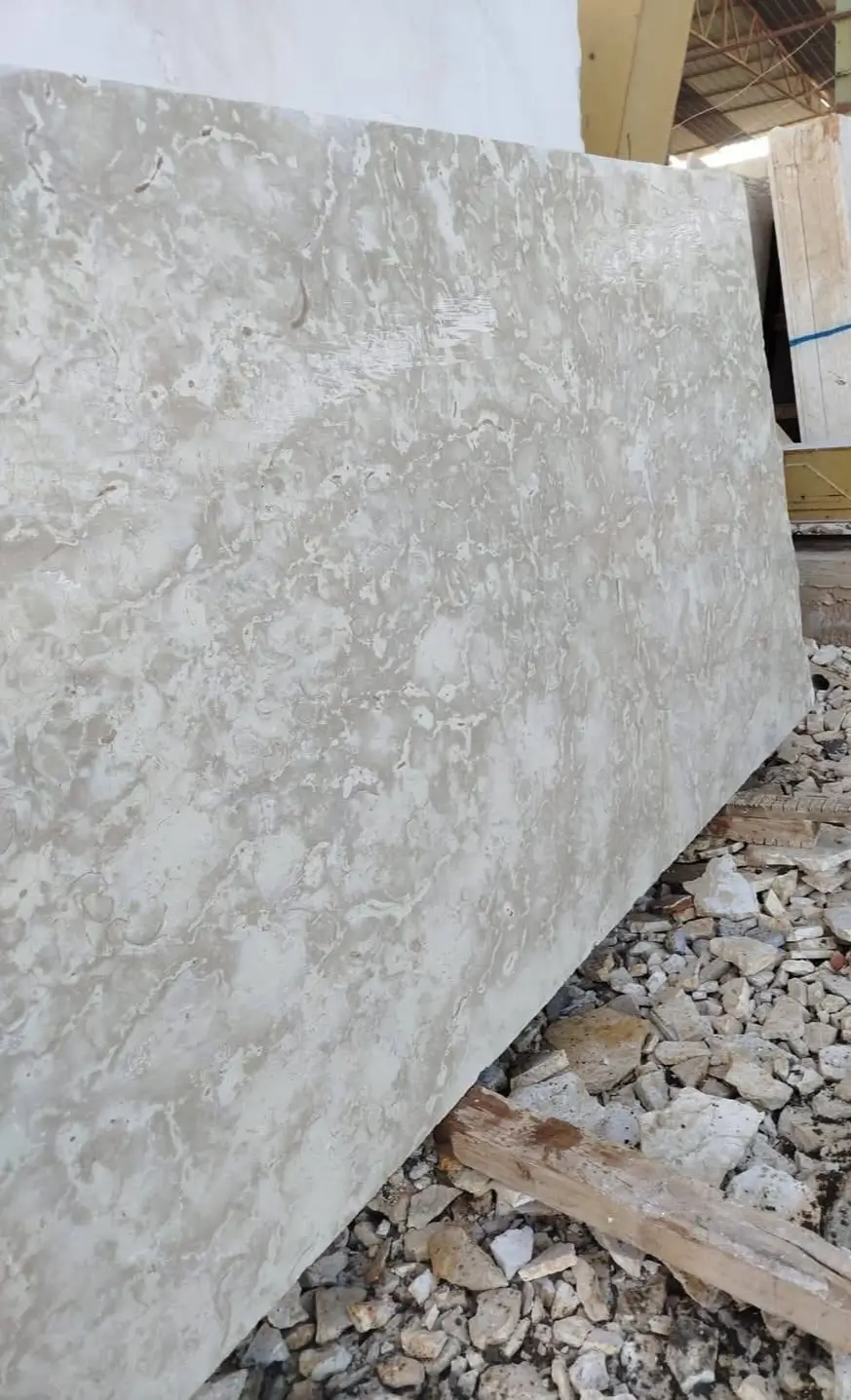
For Yuma installations, you would specify stone slab sitting walls Tempe with modifications addressing the most extreme desert conditions in Arizona. Your material selection would emphasize UV stability given Yuma’s status as the sunniest city in the United States with 4,000+ annual sunshine hours. You’d recommend lighter-colored stone varieties that reflect rather than absorb solar radiation, reducing peak surface temperatures by 18-22°F compared to darker alternatives. The irrigation integration you’d detail would account for Colorado River water chemistry with elevated mineral content. Your sealer specification would require products specifically rated for high-alkalinity exposure. You would design drainage systems to handle both intense monsoon events and chronic irrigation patterns typical in Yuma’s agricultural-influenced landscape practices. The joint material you’d recommend would need enhanced UV stabilization beyond standard Arizona specifications.
Avondale Suburban Integration
In Avondale residential applications, you would specify Tempe garden seating solutions that integrate with typical suburban landscape conditions including automated irrigation, established tree coverage, and property line constraints. Your dimensional planning would account for standard residential lot proportions with 8-12 foot setbacks limiting available space for extended seating configurations. You’d recommend modular design approaches allowing homeowners to expand installations in future phases as budgets permit. The material you’d specify would balance performance requirements with the aesthetic expectations of master-planned community design review boards. Your finishing recommendations would emphasize honed surfaces that complement contemporary desert architecture prevalent in Avondale’s newer developments. You would detail irrigation separation requirements preventing overspray from damaging joint materials and causing subsurface moisture accumulation. The maintenance protocols you’d provide would suit homeowner execution rather than requiring professional service contracts.
Specification Documentation and Communication
When you prepare specification documents for stone slab sitting walls Tempe projects, you’re creating the contractual foundation that governs material procurement, installation execution, and quality acceptance. Your documentation must provide sufficient detail to ensure consistent interpretation by contractors while remaining flexible enough to accommodate reasonable field adjustments.
Your material specification should include stone type, color range, finish designation, dimensional requirements with tolerances, and performance criteria including compressive strength and absorption rates. You need to reference applicable ASTM standards (C568 for limestone, C616 for sandstone) while recognizing that natural stone exhibits inherent variation. Specifying overly restrictive color matching (±5% variation) creates rejection rates of 30-40% and inflates costs by 25-35%.
The installation specification you prepare must address base preparation requirements, setting methods, joint detailing, and quality control verification points. You should include reference to industry standards like ANSI A108.02 for installation of natural stone while adapting generic requirements to Arizona-specific conditions. Your specification needs to identify seasonal restrictions, temperature limitations, and curing requirements that ensure proper material performance.
- You must specify material submittals with physical samples rather than relying solely on digital images
- Your quality control protocol should identify specific inspection checkpoints at base preparation, initial setting, and final completion
- You need to establish clear acceptance criteria including allowable lippage, joint width tolerance, and surface plane deviation
- Your warranty requirements should differentiate between material defects and installation workmanship issues
Common Specification Errors and Prevention
You’ll encounter recurring specification mistakes in slab wall construction Arizona projects that create installation complications, cost overruns, and premature performance failures. Understanding these patterns helps you prevent problems rather than managing them after they emerge.
The most common error involves under-specifying base preparation requirements. Generic callouts for “compacted aggregate base” without thickness, gradation, or compaction criteria leave critical decisions to installer interpretation. You need to provide minimum 6-inch depth specification with 3/4-inch minus gradation and 95% modified Proctor compaction verification. This level of detail prevents the base settlement that causes 35-40% of premature wall failures.
Your joint spacing specification requires attention to thermal expansion coefficients and actual material dimensions. The frequent mistake involves specifying joints at regular intervals (every 10 feet) without accounting for actual slab lengths and thermal movement requirements. When you receive 8-foot slabs but specify 10-foot joint spacing, installers face impossible field conditions. You should coordinate specified joint locations with available material dimensions during design development.
- You often see specifications that ignore seasonal installation restrictions
- Your documentation must address moisture testing requirements for setting compounds
- You need to specify irrigation system coordination to prevent installation conflicts
- Your quality acceptance criteria should be measurable and verifiable with standard field tools
Inadequate drainage detailing represents another common specification gap. Simply noting “provide adequate drainage” transfers engineering responsibility to installers who lack design authority. You must show drainage slope directions, collection point locations, and discharge methods in construction documents. This prevents the moisture accumulation issues that compromise 25-30% of installations within five years.
Performance Optimization Strategies
You can enhance stone slab sitting walls Tempe performance beyond baseline specifications through strategic detail optimization and material selection refinement. These improvements involve modest cost increases (typically 8-12% premium) while delivering disproportionate functional and longevity benefits.
Your material thickness specification directly impacts thermal mass effectiveness and structural capacity. Increasing from standard 4-inch slabs to 6-inch material provides 30% improvement in thermal stability and 45% increase in flexural strength. For high-use public installations where seating experiences 50+ daily users, this upgrade extends functional life from 15-20 years to 25-30 years. You need to balance the improved performance against the 25-30% material cost increase and additional foundation requirements for heavier loads.
The integration of subsurface insulation beneath stone slabs modifies thermal performance characteristics. When you install 2-inch rigid foam insulation between base aggregate and stone setting bed, you reduce ground heat transfer by 40-50%. This keeps seating surfaces cooler during peak afternoon periods while extending evening comfort as the material releases stored heat more slowly. You’ll find this strategy particularly effective for west-facing exposures receiving late-day solar gain.
Your specification of edge profile details affects both aesthetics and durability. Standard square-cut edges concentrate stress at 90-degree corners, making them vulnerable to impact damage and weathering. When you specify chamfered or eased edges (1/8-inch to 1/4-inch radius), you reduce edge chipping by 60-70% over 10-year evaluation periods. The modest upcharge of $2-4 per linear foot for edge profiling provides substantial long-term value.
Final Considerations
Your successful specification of stone slab sitting walls Tempe requires integrating technical performance requirements with aesthetic aspirations and budget realities. You need to approach each project with understanding that material selection, installation methodology, and long-term maintenance planning are interconnected decisions rather than independent choices. The specifications you prepare establish quality expectations and define the contractual framework governing project execution.
When you balance competing demands of thermal comfort, structural longevity, and visual impact, you create outdoor stone benches that enhance landscape functionality while withstanding Arizona’s challenging environmental conditions. Your attention to detail during specification development prevents the field complications and performance shortfalls that compromise inferior installations. For additional technical guidance on thermal performance characteristics, review Thermal mass properties of stone slabs in desert climates before you finalize your project documents. Other slabs suppliers in Arizona cannot match our depth of inventory.