
When you specify travertine slab outdoor applications for Prescott’s high-desert environment, you’re working with a material that offers exceptional thermal performance in one of Arizona’s most climatically complex regions. Prescott’s elevation at 5,400 feet creates temperature swings that range from single digits in winter to mid-90s in summer — conditions that demand careful material selection. Your travertine slab outdoor Prescott installations need to account for freeze-thaw cycling, UV exposure, and the region’s distinct seasonal moisture patterns that differ significantly from lower-elevation Arizona sites.
The key advantage you’ll find with travertine in Prescott’s climate is its natural porosity range of 3-7%, which facilitates moisture drainage while maintaining structural integrity through freeze events. You should understand that this porosity interacts directly with Prescott’s average of 35-40 annual freeze-thaw cycles — enough to compromise inferior materials but well within travertine’s performance envelope when properly specified. Your specification process needs to address not just the material itself, but how installation details affect long-term durability in this specific microclimate.
Material Characteristics for Prescott Climate
Travertine slab outdoor Prescott applications benefit from the material’s inherent thermal mass properties, which moderate surface temperature fluctuations during the region’s dramatic diurnal temperature swings. You’ll see temperature differentials of 30-40°F between day and night during spring and fall — conditions where travertine’s thermal lag time of 4-6 hours creates comfortable outdoor spaces long after air temperatures drop. The material’s density range of 140-160 pounds per cubic foot provides the mass needed for this thermal storage effect.
When you evaluate Prescott exterior stone options, you need to consider the specific mineral composition that determines freeze-thaw resistance. Travertine’s calcite-based structure exhibits a Mohs hardness of 3-4, which translates to excellent weathering resistance in high-desert conditions. Your material selection should verify compressive strength exceeding 8,000 PSI — the threshold that ensures structural performance through repeated freeze cycles combined with the mechanical stress of snow removal equipment.
- You should specify travertine with porosity between 3-7% for optimal drainage and freeze-thaw resistance
- Your material needs compressive strength minimum 8,000 PSI for Prescott’s climate stress factors
- You’ll want thermal expansion coefficients of 5.3 × 10⁻⁶ per °F for proper joint spacing calculations
- Your slip resistance specification should target DCOF ratings of 0.50-0.60 for year-round safety
The color stability of travertine slab outdoor Prescott installations depends on understanding UV degradation rates at elevation. Prescott’s 5,400-foot elevation increases UV intensity by approximately 8-10% compared to sea level, which accelerates photodegradation of sealers and affects long-term color retention. You should plan for resealing intervals of 18-24 months rather than the 36-month intervals common in lower-elevation applications.
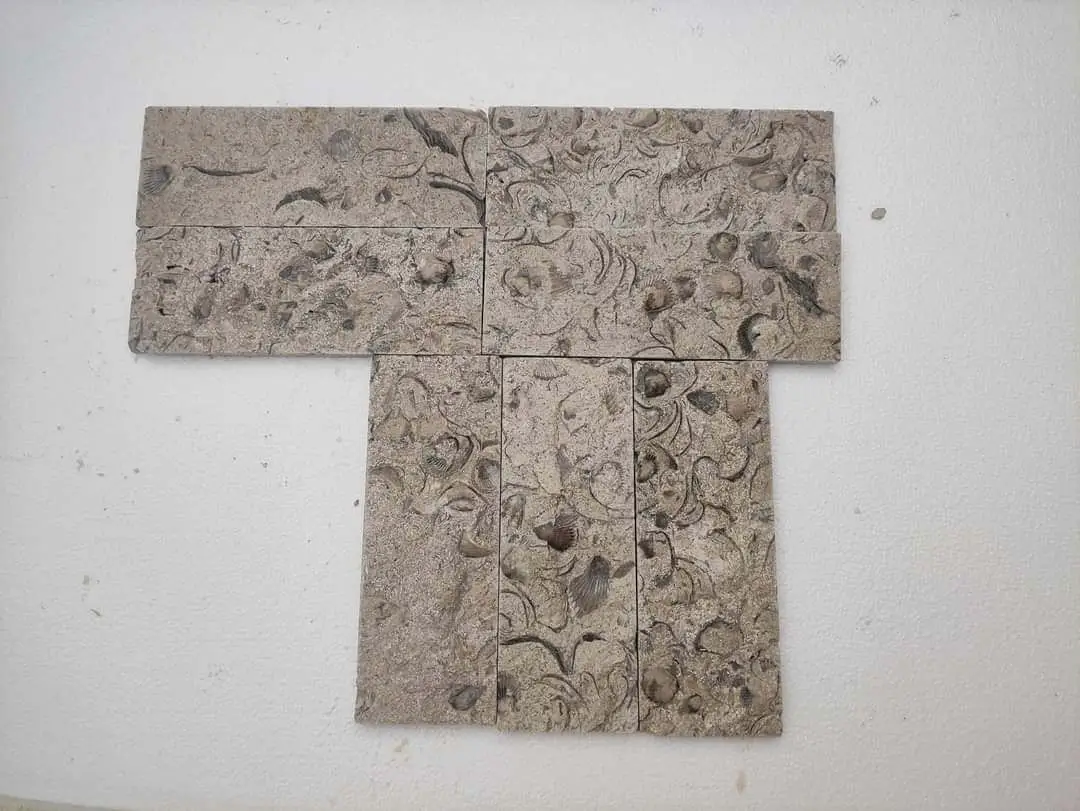
Thermal Performance Specifications
Your travertine slab outdoor Prescott thermal specifications must account for the material’s coefficient of thermal expansion at 5.3 × 10⁻⁶ per °F. In practice, this means you need expansion joints every 12-15 feet for installations with direct solar exposure exceeding 5 hours daily. Prescott’s summer surface temperatures on horizontal travertine reach 135-145°F during peak afternoon hours — temperatures that create expansion forces requiring careful joint design.
What often surprises specifiers is how Prescott’s dry climate affects thermal performance differently than humid regions. The low relative humidity averages of 25-35% during summer months increase evaporative cooling effects on porous travertine surfaces. You’ll observe surface temperatures 8-12°F cooler than equivalent sealed granite or concrete in identical exposure conditions. This evaporative cooling advantage makes travertine slab outdoor Prescott installations particularly effective for pool decks and entertainment areas where bare-foot comfort drives material selection.
You need to understand that winter thermal cycling in Prescott creates the most demanding performance requirements. Surface temperatures transition from below-freezing overnight lows to 50-60°F afternoon highs during typical January conditions. These 40-50°F daily swings stress the travertine matrix through repeated expansion-contraction cycles. Your specification should address edge details that accommodate this movement without creating trip hazards or allowing water infiltration that accelerates freeze damage.
Installation Base Requirements
When you design base systems for travertine slab outdoor Prescott projects, you’re working with soil conditions that vary dramatically across the region’s microclimates. Prescott’s decomposed granite soils provide excellent drainage and stability, but you’ll encounter expansive clay inclusions in specific neighborhoods that require modified base designs. Your geotechnical investigation should identify soil expansion potential before finalizing base specifications — a step that prevents 90% of premature installation failures.
The standard base assembly you’ll specify includes 4-6 inches of compacted crushed aggregate over properly graded subsoil. For travertine slab uses Arizona professionals rely on, you need aggregate with maximum particle size of 3/4 inch and less than 5% fines content. This gradation ensures permeability rates that prevent subsurface water accumulation during Prescott’s monsoon season, when you can receive 2-3 inches of precipitation in intense afternoon storms. Your base must drain faster than surface water percolates through the travertine’s natural porosity.
- You should specify minimum 4-inch compacted aggregate base for pedestrian applications
- Your vehicular installations require 6-8 inch base depth with geogrid reinforcement
- You need base compaction to 95% modified Proctor density for long-term stability
- Your permeability specification should ensure base drains 3-4 times faster than travertine surface
Edge restraint details deserve particular attention in Prescott’s freeze-thaw environment. You’ll want concrete edge restraints with minimum 8-inch depth extending below the frost line, which reaches 18-24 inches in Prescott’s climate zone. The edge restraint prevents lateral movement during freeze events while providing positive drainage away from the installation perimeter. Your detail should include weep provisions every 8-10 feet to prevent ice lens formation at the installation edge.
Joint Spacing and Setting Methods
Your joint spacing calculations for travertine slab outdoor Prescott installations need to account for both thermal expansion and the material’s natural dimensional tolerances. You’ll work with travertine slabs that typically exhibit ±1/8 inch thickness variation across a single piece — variation that affects both setting bed depth and finished surface flatness. The professional approach uses calibrated slabs when surface tolerance requirements exceed ±1/8 inch over 10 feet.
For Prescott’s thermal environment, you should specify joint widths of 1/4 to 3/8 inch for travertine slabs in the 24×24 inch to 36×36 inch size range. These joint widths accommodate thermal expansion while remaining narrow enough to prevent joint sand migration during monsoon rain events. When you lay out installations, orient joints to facilitate drainage toward collection points rather than allowing water to pond on the surface. This drainage orientation becomes critical during winter freeze events when standing water creates spalling conditions.
The setting method you choose affects long-term performance as much as the material itself. Wet-set installations using modified thinset mortar provide superior bond strength and eliminate voids that trap moisture. You’ll achieve better freeze-thaw performance with wet-set methods, but you need to account for curing time and temperature constraints. For weather-resistant slabs specified in Prescott, avoid wet-set installations when overnight temperatures drop below 40°F within 72 hours of installation.
Surface Finish Selection
When you select surface finishes for travertine slab outdoor Prescott applications, you’re balancing slip resistance, aesthetic preferences, and maintenance requirements. Honed finishes provide DCOF slip resistance ratings of 0.52-0.58 in dry conditions — adequate for most pedestrian applications. You’ll see these values drop to 0.38-0.45 when wet, which requires careful consideration for pool deck and entry area applications where water exposure is constant.
Tumbled travertine finishes offer the highest slip resistance at 0.58-0.65 DCOF, making them your best choice for pool decks and spa surrounds. The tumbled texture creates micro-roughness that maintains traction even when wet, but you should understand the trade-off in cleaning difficulty. The textured surface retains organic debris and requires pressure washing at 1,200-1,500 PSI for effective cleaning — a maintenance factor that affects long-term ownership costs.
Filled versus unfilled travertine represents another critical finish decision for Arizona outdoor durability specifications. Factory-filled travertine uses epoxy or cement-based fillers that create a smoother surface with reduced void visibility. You’ll find filled travertine easier to maintain and more resistant to organic staining, but the fillers can telegraph color differences as they weather at different rates than the surrounding stone. Your specification should address filler type and color matching requirements to prevent aesthetic issues that appear 2-3 years post-installation.
Sealer Specification Requirements
Your sealer specifications for travertine slab outdoor Prescott installations must address UV resistance, freeze-thaw stability, and breathability characteristics. You need penetrating sealers that bond below the surface rather than forming a topical film that traps moisture and delaminates during freeze cycles. Siloxane and silane-based sealers provide the molecular structure that penetrates 2-4mm into the travertine matrix while allowing water vapor transmission.
Application timing affects sealer performance as much as product selection. You should specify sealer application only after the travertine has fully dried from installation moisture — typically 7-10 days after wet-set installations in Prescott’s dry climate. The material’s moisture content should measure below 4% using a calcium carbide moisture test before sealer application. Higher moisture levels trap water within the matrix, creating efflorescence conditions that appear as white crystalline deposits on the surface.
- You should specify penetrating siloxane sealers for freeze-thaw environments
- Your sealer must maintain breathability above 0.8 perms for moisture vapor transmission
- You need UV-stable formulations rated for elevation exposure conditions
- Your reapplication schedule should target 18-24 month intervals for Prescott climate
The relationship between sealer application and slip resistance requires careful attention. You’ll see DCOF values decrease by 0.08-0.12 points immediately after sealer application, with values gradually returning toward baseline as the sealer weathers. Your specification should verify that post-sealer slip resistance remains above 0.42 DCOF minimum — the threshold for safe pedestrian traffic in wet conditions. Testing should occur 48 hours after application using standardized wet DCOF measurement protocols.
Drainage System Integration
When you design drainage for travertine slab outdoor Prescott installations, you’re working with a material that transmits water through its natural porosity at rates of 0.5-1.5 inches per hour. This permeability means your base drainage system handles the majority of water management rather than relying on surface slope alone. You should specify minimum 2% surface slope for positive drainage, but understand that subsurface drainage capacity determines whether water accumulates within the base system.
Prescott’s monsoon precipitation patterns deliver intense rainfall rates of 2-4 inches per hour during peak storm events. Your drainage design must handle these flow rates without allowing water to pond on the surface or accumulate in the base. The critical detail involves perimeter drainage that intercepts subsurface flow before it reaches foundation walls or creates hydrostatic pressure against adjacent structures. You’ll want perforated drain pipe at the installation perimeter, set in crushed stone and daylit to appropriate discharge points.
Winter drainage considerations differ significantly from summer requirements. You need to prevent water accumulation in areas where freeze events create ice dams that block drainage paths. Your design should eliminate low spots where water pools and subsequently freezes, creating surface spalling conditions. Particular attention to transitions between paved and unpaved areas prevents ice buildup that damages travertine edges during repeated freeze-thaw cycles.
Color Variation Management
Your expectations for color consistency in travertine slab outdoor Prescott projects need to account for the material’s natural geological variation. Travertine forms through mineral precipitation in hot springs and limestone caves — processes that create color banding, vein patterns, and tonal shifts within individual slabs and across production lots. You should establish realistic color variation tolerances during the specification phase rather than discovering incompatible expectations during installation.
The industry uses V-rating scales to communicate color variation expectations, with V3 and V4 ratings typical for travertine. V3 indicates moderate variation with distinguishable color differences between pieces, while V4 signals random variation with significant color and texture differences. When you specify travertine slab outdoor Prescott installations, you’re typically working with V3 materials that require you to blend pieces from multiple pallets during installation to achieve acceptable color distribution.
You can request pre-blended lots when color consistency drives project aesthetics, but you should understand this adds 8-12% to material costs and extends lead times from warehouse stock by 2-3 weeks. The alternative approach involves field blending during installation, where your crew lays out 50-75 square feet of material before setting to verify color distribution meets aesthetic intent. This field blending prevents color clustering that creates visually jarring patterns in the finished installation. For comprehensive comparison data regarding related paving options, see our stone slabs available for detailed specifications.
Winter Maintenance Protocols
When you develop maintenance programs for travertine slab outdoor Prescott installations, winter protocols require specific attention to prevent chemical and mechanical damage. You should avoid deicing salts containing sodium chloride, calcium chloride, or magnesium chloride — compounds that accelerate surface deterioration through salt crystallization within the travertine’s pore structure. The repeated wetting and drying cycles during Prescott’s winter create conditions where salt crystals grow and exert pressure that spalls the surface.
The alternative deicing approach uses calcium magnesium acetate (CMA) or sand for traction without chemical attack. CMA costs 3-4 times more than traditional rock salt, but you’ll avoid the surface damage that requires restoration grinding and resealing within 5-7 years. Sand provides immediate traction without chemical interaction, though you need spring cleanup protocols that remove accumulated sand before it acts as an abrasive compound during routine maintenance.
- You should specify CMA-based deicers or sand for winter traction on travertine
- Your snow removal equipment needs rubber or plastic blade edges to prevent surface scratching
- You need to flush surfaces with clean water after freeze events when deicers were applied
- Your maintenance schedule should include pre-winter sealer inspection and touch-up
Mechanical snow removal techniques affect long-term surface condition as much as chemical deicers. You’ll want snow removal operators to maintain blade height 1/2 inch above the surface to prevent edge gouging and surface scratching. Metal blades and aggressive scraping techniques damage the travertine surface and create roughness that retains dirt and organic material. Your maintenance specifications should prohibit metal shovels and require plastic or rubber-edged tools for all mechanical snow removal.
Common Specification Mistakes
The most frequent error you’ll encounter in travertine slab outdoor Prescott specifications involves inadequate edge restraint details. Specifiers often adapt standard paver details without accounting for travertine’s larger format and weight. A 24×24×1.25 inch travertine slab weighs 32-38 pounds — significantly more than standard concrete pavers. Your edge restraint must resist both the weight and thermal expansion forces without allowing movement that creates trip hazards or drainage problems.
Another common mistake involves specifying consistent thickness slabs without addressing the material’s natural variation. You’ll receive slabs with ±1/8 inch thickness tolerance even within premium grades. This variation requires setting bed adjustments during installation to achieve acceptable surface flatness. You should specify that thickness variation be accommodated through setting bed depth adjustment rather than assuming calibrated thickness that adds cost without proportional benefit in most exterior applications.
Joint width specifications frequently fail to account for thermal expansion in Prescott’s temperature extremes. You’ll see projects specified with 3/16 inch joints that prove inadequate for 40-50°F daily temperature swings during shoulder seasons. The inadequate joint width creates compressive stress that leads to edge spalling and lippage as slabs expand against one another. Your minimum joint width should be 1/4 inch, increasing to 3/8 inch for large-format slabs in high-exposure locations.
Stone Slabs for Yard in Arizona: Citadel Solutions for Desert Projects
When you consider Citadel Stone’s stone slabs for yard in Arizona projects, you’re evaluating premium travertine materials engineered for the state’s diverse climate zones. At Citadel Stone, we provide technical guidance for hypothetical applications across Arizona’s elevation ranges from low desert to high country. This section outlines how you would approach specification decisions for three representative cities, demonstrating the climate-specific considerations that affect material performance and installation protocols.
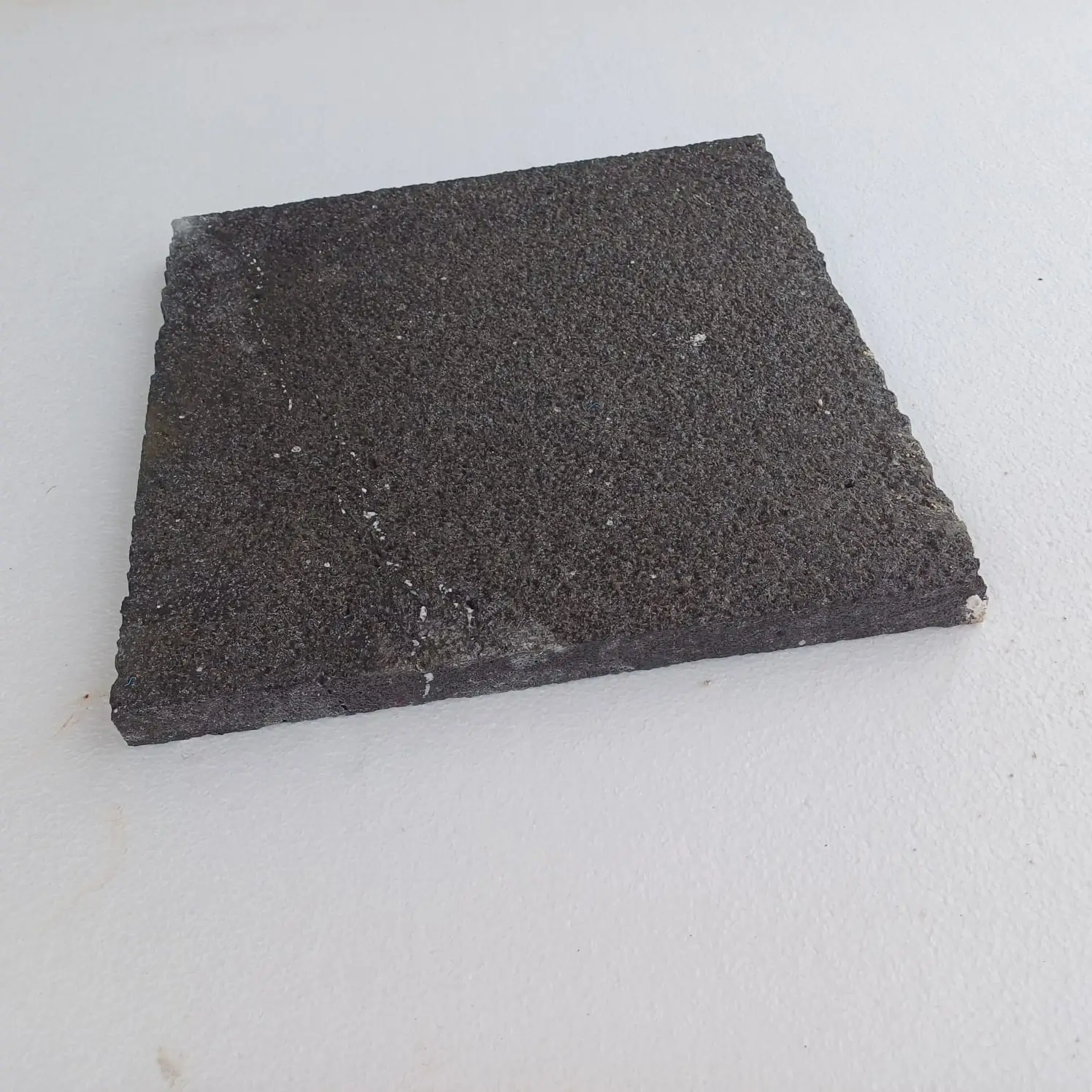
Flagstaff Alpine Specifications
In Flagstaff’s 7,000-foot elevation environment, you would encounter the most demanding freeze-thaw conditions in Arizona with 110-130 annual freeze cycles. Your travertine slab outdoor Prescott specifications would require minimum 8,500 PSI compressive strength and verified porosity between 3-5% for optimal drainage without structural compromise. You’d need to account for snow load considerations that affect base depth requirements, specifying 6-8 inch compacted aggregate bases even for pedestrian applications. The extreme UV exposure at elevation would dictate 12-18 month sealer reapplication intervals using high-altitude formulations with enhanced photostability.
Sedona Red Rock Integration
For Sedona’s 4,500-foot elevation with its distinctive red rock geology, you would select travertine colors that complement rather than contrast with the surrounding landscape. Your specification would address moderate freeze-thaw exposure of 45-55 annual cycles combined with intense UV conditions that accelerate sealer degradation. You’d recommend warm ivory and gold travertine tones that harmonize with red rock formations while providing the thermal reflectance benefits critical for summer comfort. Installation timing would avoid summer monsoon season when afternoon storms create challenging setting conditions, instead targeting spring and fall weather windows for optimal installation conditions.
Peoria Heat Performance
In Peoria’s low desert environment at 1,100 feet elevation, you would prioritize thermal reflectance and heat mitigation over freeze-thaw resistance. Your specifications would emphasize lighter travertine colors that reflect 65-70% of solar radiation, reducing surface temperatures by 15-20°F compared to darker stone options. You’d need minimal freeze protection with only 5-10 annual freeze events, allowing you to focus specification emphasis on UV stability and thermal expansion accommodation. Base drainage design would address monsoon rainfall intensity while recognizing the reduced annual precipitation compared to higher elevations, typically 8-10 inches annually versus Prescott’s 18-20 inches.
Long-Term Performance Expectations
When you evaluate lifecycle performance for travertine slab outdoor Prescott installations, you should expect 25-35 year service life with appropriate maintenance protocols. This performance window assumes biennial resealing, annual cleaning, and periodic joint sand replenishment as primary maintenance activities. Your long-term cost modeling should include these maintenance cycles to establish accurate total cost of ownership rather than focusing solely on initial material and installation costs.
The material’s appearance evolution over time requires you to set appropriate expectations with project stakeholders. Travertine develops a weathered patina during the first 3-5 years as surface minerals react with atmospheric exposure and organic material creates subtle color shifts. You’ll observe this patina most noticeably in unfilled travertine where natural voids accumulate fine soil particles that create darker tonal values in recessed areas. This weathering represents normal material behavior rather than deterioration, creating the aged appearance many designers specify intentionally.
Surface wear patterns become visible in high-traffic areas after 12-15 years, appearing as subtle polish on honed finishes or smoothing of tumbled textures. You should anticipate these wear patterns during material selection, understanding that they concentrate along primary circulation paths. The professional approach involves specifying slightly more aggressive textures in high-traffic zones to extend the timeline before wear becomes visually apparent. Alternatively, you can embrace wear patterns as character development that enhances the natural stone aesthetic.
Budget and Procurement Considerations
Your budget development for travertine slab outdoor Prescott projects needs to account for material costs ranging from $8-16 per square foot for premium grades suitable for exterior applications. This material cost represents 40-50% of total installed cost, with base preparation, setting materials, and labor comprising the balance. You should verify warehouse inventory availability before finalizing project schedules, as premium grades may require 4-6 week lead times when stock levels run low during peak construction season.
The procurement strategy you choose affects both cost and schedule risk. You can purchase exact quantity requirements plus 8-10% overage for cuts and breakage, or you can negotiate bulk pricing that reduces per-unit costs by 12-18% while accepting material surplus. For projects exceeding 2,000 square feet, bulk procurement typically proves more economical even accounting for surplus material. You’ll want to coordinate delivery schedules with installation readiness to avoid on-site storage challenges and potential weather exposure that affects material condition.
Your procurement documents should specify acceptable color variation ranges, thickness tolerances, and surface finish characteristics to prevent disputes during material acceptance. You need clear metrics for what constitutes acceptable versus rejectable material rather than subjective quality assessments that create conflict. Industry practice uses 5% allowable defect rate for premium grades, with defects defined as chips, cracks, or staining that exceeds specified limits. You should inspect material upon delivery and document any concerns immediately rather than discovering issues during installation when remedy options become limited.
Final Recommendations
Your success with travertine slab outdoor Prescott applications depends on integrating climate-specific knowledge with material science fundamentals and field-proven installation techniques. You need to approach these projects recognizing that Prescott’s high-desert environment creates performance demands that differ from both low-desert Arizona locations and temperate climate installations. The freeze-thaw cycling, elevation-enhanced UV exposure, and dramatic temperature swings require you to specify materials and details that address these specific stressors.
The material selection process should prioritize verified performance characteristics over aesthetic considerations alone. You’ll achieve long-term success when you specify travertine with documented compressive strength, porosity within optimal ranges, and surface finishes appropriate for intended use patterns. Your installation details must address thermal expansion through proper joint spacing, provide drainage that prevents moisture accumulation, and use edge restraints adequate for the material’s format and weight.
When you develop maintenance programs, recognize that Prescott’s climate requires specific winter protocols that prevent chemical and mechanical damage while maintaining surface safety. Your long-term performance expectations should account for normal weathering and wear patterns that develop over decades of service. For additional installation insights regarding material handling and structural considerations, review Understanding weight specifications for natural stone slabs in Marana before you finalize your project documents. Our wholesale stone slabs in Arizona are stored indoors to protect the resin.