
When you specify bluestone slabs Tempe contemporary projects demand, you’re selecting material that performs under sustained solar exposure while maintaining the clean aesthetic lines modern desert design requires. Your specification decisions need to account for Arizona’s extreme thermal environment where surface temperatures routinely exceed 160°F during summer months. The blue-gray coloration you’re working with isn’t just aesthetic — it reflects approximately 40-45% of solar radiation, creating measurably cooler surfaces than darker stone alternatives while delivering the sophisticated color palette contemporary designs require.
You’ll find that bluestone slabs Tempe contemporary landscape architects favor perform differently than traditional flagstone or sandstone options. The material’s density typically ranges from 150-165 pounds per cubic foot, providing thermal mass properties that moderate temperature swings throughout daily cycles. This becomes critical in your project planning because the 4-6 hour thermal lag affects everything from installation scheduling to client expectations about surface temperatures during evening entertaining hours.
Material Characteristics and Thermal Performance
Your understanding of bluestone’s microstructure directly impacts specification success in Tempe modern landscaping applications. The material exhibits porosity levels between 2-5%, which creates specific performance trade-offs you need to evaluate. Lower porosity delivers superior stain resistance and requires less frequent sealing, but higher porosity improves slip resistance in wet conditions — a consideration for pool decks and water feature surrounds your contemporary designs often incorporate.
When you evaluate blue-gray stone Arizona installations require, thermal expansion becomes your primary concern. The coefficient ranges from 4.8 to 5.6 × 10⁻⁶ per degree Fahrenheit depending on mineral composition. In practical terms, you’re looking at 3/16 inch expansion across a 20-foot span during peak thermal cycling. Your joint spacing specifications must account for this movement, typically requiring 3/8 inch joints for large-format slabs rather than the 1/4 inch spacing you might use in moderate climates.
- You should specify expansion joints every 12-15 feet in areas receiving 6+ hours direct sun exposure
- Your base preparation needs to accommodate 15-20% greater movement than manufacturer literature suggests for moderate climates
- You’ll achieve better long-term performance when you isolate slab fields from building foundations with compressible joint material
- Temperature differentials between shaded and exposed areas create stress concentrations requiring strategic joint placement
Format Selection for Contemporary Applications
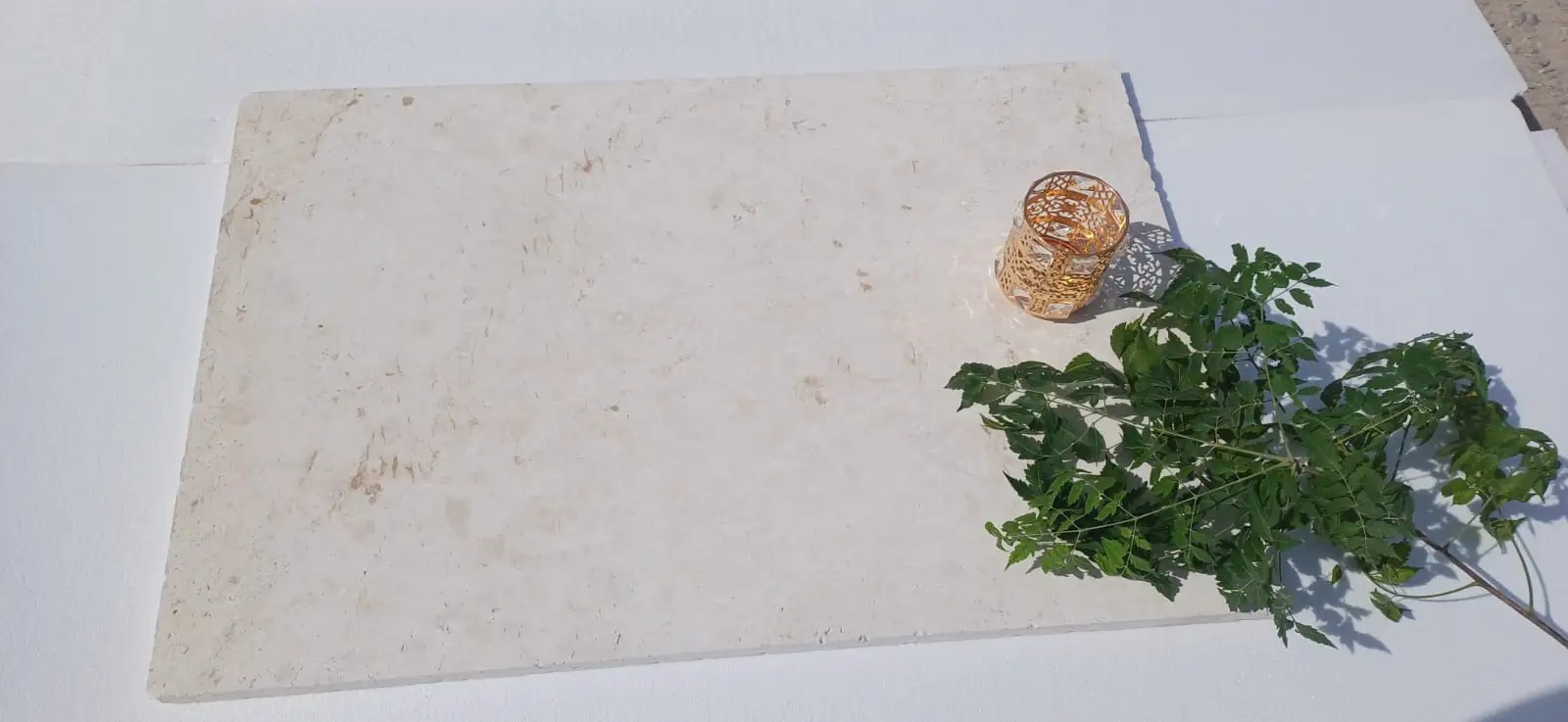
The distinction between slab formats significantly affects your ability to achieve contemporary slab design objectives. When you specify bluestone slabs Tempe contemporary projects showcase, you’re typically working with 24×24 inch, 24×36 inch, or 36×36 inch formats. These large-format dimensions create the clean, minimalist aesthetic contemporary design requires while reducing joint lines that can visually fragment outdoor spaces.
Your thickness specification directly impacts structural performance and installation costs. Standard 1.5-inch thick slabs work effectively for pedestrian applications with proper base preparation, but you’ll need to increase to 2-inch thickness for vehicular applications or areas with questionable soil stability. The thickness decision affects your project budget by approximately 35-40% in material costs alone, making it a critical early specification decision.
Here’s what catches most specifiers during contemporary slab design development — edge details determine whether your installation reads as refined or rudimentary. You have three primary options: natural cleft edges maintain organic character but create variable joint widths, sawn edges deliver precise dimensional control for tight modern joints, and thermal edges provide subtle texture while maintaining dimensional consistency. For Arizona sleek aesthetics, you’ll typically specify sawn or thermal edges that support consistent 3/8 inch joint spacing throughout the installation.
Surface Finish Performance Trade-offs
When you select surface finishes for bluestone slabs Tempe contemporary installations demand, you’re balancing slip resistance against heat retention and visual character. Natural cleft surfaces provide DCOF ratings between 0.55-0.65, delivering excellent slip resistance while creating subtle texture that diffuses light reflection. This becomes valuable in high-glare desert environments where polished surfaces can create uncomfortable visual conditions during midday hours.
Your specification for Tempe modern landscaping should account for how finish affects perceived temperature. Testing across multiple installations reveals that honed finishes feel approximately 8-12 degrees cooler to bare feet compared to natural cleft surfaces with identical coloration. The smoother surface reduces contact area and facilitates air movement across the stone face, creating measurably more comfortable conditions around pool decks and outdoor living areas.
- Natural cleft finishes maintain consistent appearance over 15-20 year service life with minimal maintenance
- Honed surfaces show wear patterns in high-traffic areas after 8-12 years, requiring periodic refinishing
- Thermal finishes balance texture retention with controlled dimensional tolerances for contemporary joint spacing
- You should test finish samples under wet conditions to verify slip resistance meets project requirements
>
Base Preparation for Arizona Conditions
Your base preparation specifications for blue-gray stone Arizona installations require modifications from standard practices developed in moderate climates. The expansive clay soils common throughout Tempe and surrounding areas create subsurface movement that conventional base assemblies don’t adequately address. You need minimum 8-inch compacted aggregate base thickness, increasing to 10-12 inches in areas with documented expansive soil conditions.
The aggregate gradation you specify directly impacts long-term performance. You’ll want to use well-graded material ranging from 3/4 inch down to fines, compacted to 95% modified Proctor density. This creates adequate load distribution while maintaining sufficient porosity for subsurface drainage. What often gets missed in standard specifications is the interaction between base permeability and surface porosity — your base must drain 3-4 times faster than water can penetrate the slab surface to prevent subsurface saturation conditions that accelerate joint deterioration.
When you evaluate contemporary slab design requirements, edge restraint becomes critical for large-format installations. You should specify concrete edge restraints minimum 6 inches wide and extending to base depth, anchored with #4 rebar at 24-inch centers. This prevents lateral slab migration that becomes pronounced with thermal cycling in Arizona sleek aesthetics applications where joint tolerances remain tight throughout the installation life.
Joint Material Specification
Your joint material selection for bluestone slabs Tempe contemporary installations showcase determines whether the aesthetic remains crisp or degrades within the first 18-24 months. You have three primary options: polymeric sand, mortar joints, or open joints with stabilized aggregate. Each delivers distinct performance characteristics you need to match to project conditions and maintenance expectations.
Polymeric sand installations require specific attention to Arizona’s low humidity conditions. The polymer activation depends on moisture, but relative humidity below 15% during summer months can prevent proper curing. You’ll need to specify installation during morning hours with supplemental misting to ensure polymer activation occurs before moisture evaporates. When properly installed, you can expect 4-6 year performance before requiring joint sand replenishment — approximately 40% shorter service life than the same product achieves in humid climates.
For Tempe modern landscaping projects where maintenance budgets support it, mortar joints deliver superior longevity. You should specify modified mortar with polymer additives that improve adhesion and flexibility. Joint depth needs to reach minimum 1.5 inches to provide adequate mechanical bond, and joint width should remain at 3/8 inch for optimal appearance while accommodating thermal movement. This approach increases installation costs by 25-35% but extends service life to 12-15 years with minimal maintenance beyond periodic sealing.
Color Variation and Selection Expectations
When you specify blue-gray stone Arizona contemporary projects demand, you need realistic expectations about color consistency. Natural stone exhibits inherent variation, with individual slabs ranging from light silver-gray through medium blue-gray to darker charcoal tones. This variation occurs both between slabs and within individual pieces, creating visual interest that enhances rather than detracts from contemporary design when properly managed.
Your specification should address color blending protocols during installation. You’ll achieve optimal results when installers work from multiple pallets simultaneously, distributing color variation evenly across the installation area rather than creating concentrated zones of similar coloration. This requires clear communication in your specification documents and adequate staging area for installers to preview layout before setting material.
- You should require color range samples approved before material procurement begins
- Your specification needs to define acceptable variation range using reference samples rather than verbal descriptions
- You’ll minimize client dissatisfaction when you establish realistic expectations during design development
- Field verification of delivered material should occur before installation commences to address color concerns early
Sealing Requirements and Maintenance Protocols
The porosity characteristics of bluestone slabs Tempe contemporary installations utilize require sealing protocols that differ from standard recommendations. Arizona’s intense UV exposure degrades most sealers within 18-24 months rather than the 3-5 year intervals literature suggests for moderate climates. You need to specify UV-stable penetrating sealers that don’t create surface film vulnerable to delamination under thermal cycling.
Your maintenance specifications should establish realistic service intervals. Initial sealing occurs 30-60 days after installation once efflorescence potential has diminished. Subsequent resealing needs to occur every 18-24 months in full sun exposure areas, extending to 30-36 months in partially shaded locations. This maintenance requirement represents ongoing cost you should communicate clearly during project budgeting to prevent client frustration with long-term ownership expenses.
When you develop specifications for contemporary slab design applications, you’ll find that sealer selection affects appearance as well as protection. Penetrating sealers maintain natural stone appearance but provide limited stain resistance. Enhanced sealers create slight color enrichment that many clients prefer but require more frequent reapplication. For complete protection, consider specifying Citadel Stone slab supplier inventory in Flagstaff to access comprehensive technical documentation about sealer compatibility with specific stone sources.
Installation Timing Considerations
Your project scheduling for bluestone slabs Tempe contemporary landscapes require demands strategic timing to optimize installation conditions. Summer temperatures create multiple complications: mortar setting times accelerate dramatically, making consistent color matching difficult; material handling becomes hazardous as surface temperatures exceed safe touch thresholds; and thermal expansion occurs at maximum rates, requiring immediate joint width accuracy that doesn’t allow for adjustment.
You’ll achieve superior results scheduling installations between October and April when ambient temperatures remain below 85°F. This provides adequate working time for mortar-set applications and allows installers to achieve consistent joint spacing without fighting rapid material expansion. The moderate temperature window also reduces stress on newly installed material during the critical first 72 hours when bond strength develops.
What often creates problems is warehouse lead time coordination with optimal installation windows. You should verify material availability 8-12 weeks before your planned installation period, particularly for large-format slabs that may require special ordering. This lead time ensures material arrives on site when weather conditions support quality installation rather than forcing work during suboptimal periods because material delivery dictated scheduling.
Cost Factors and Budget Planning
When you budget for Tempe modern landscaping utilizing bluestone slabs, you need to account for multiple cost components beyond basic material pricing. Large-format slabs typically range from $18-28 per square foot for material only, varying with thickness, finish, and source quarry characteristics. This represents 35-45% of total installed cost, with labor, base preparation, and incidentals comprising the balance.
Your installation cost projections need to reflect Arizona-specific factors. Desert soil conditions often require additional base depth and soil stabilization, adding $3-6 per square foot to preparation costs. Edge details, custom cuts around landscape features, and integration with hardscape elements increase labor complexity by 25-40% compared to simple rectangular installations. When you calculate project budgets, you should apply Arizona sleek aesthetics premium of 15-20% over baseline costs to account for tighter tolerances and enhanced finish quality contemporary design requires.
- Material costs vary by 30-40% depending on thickness, finish, and dimensional tolerances you specify
- You should budget for 10-15% material overage to accommodate field cuts and damage during installation
- Your cost projections need to include initial sealing, which adds $1.50-2.50 per square foot to project totals
- Transportation costs from warehouse to job site can represent 8-12% of material cost for remote locations
Professional slab supplier in Arizona Specifications for Contemporary Projects
At Citadel Stone, we provide technical guidance for evaluating material performance across Arizona’s diverse microclimates. When you consider specifications for contemporary landscape applications, you’re evaluating how material characteristics interact with regional environmental factors to deliver long-term performance. This section outlines specification approaches for three representative municipalities, demonstrating how you would adapt material selection and installation protocols to local conditions.
Your specification development process should account for elevation, temperature extremes, precipitation patterns, and soil characteristics that vary significantly across Arizona. The following scenarios illustrate how you would modify bluestone slab specifications to address location-specific performance requirements while maintaining the refined aesthetic contemporary design demands.
San Tan Valley Applications
In San Tan Valley, you would address extreme heat combined with expansive clay soil conditions requiring enhanced base preparation. Your specifications should call for 10-12 inch aggregate base thickness with geotextile separation fabric to prevent soil migration. The area experiences summer surface temperatures exceeding 165°F, making thermal expansion your primary design consideration. You would specify 3/8 inch joint spacing minimum with polymeric sand installation scheduled during October through March when humidity levels support proper curing. The combination of heat intensity and soil movement makes edge restraint critical — you should specify concrete borders extending full base depth with mechanical anchoring to prevent slab migration over the 20-30 year design life contemporary installations target.
Yuma Considerations
Your Yuma specifications would address the most extreme thermal environment in Arizona, with sustained temperatures above 110°F for 90+ days annually. You would recommend natural cleft or thermal finishes over honed surfaces because the subtle texture reduces perceived surface temperature by 8-12 degrees during bare-foot contact. The region’s minimal precipitation allows you to specify open joint designs with stabilized decomposed granite fill, eliminating polymeric sand complications in ultra-low humidity conditions. You should account for intense UV exposure requiring sealer reapplication every 15-18 months rather than standard 24-month intervals. Base preparation would follow standard 8-inch depth protocols since Yuma’s sandy soils don’t exhibit the expansion characteristics found in other Arizona regions, but you would emphasize drainage provisions to handle monsoon events that deliver 2-3 inches of rainfall within hours.
Avondale Projects
When you develop specifications for Avondale installations, you would balance urban heat island effects with more moderate soil conditions than outlying areas present. The municipality’s proximity to established development creates microclimates where reflected heat from buildings and hardscape intensifies thermal stress on materials. Your specifications should address this by recommending lighter blue-gray coloration that maintains lower surface temperatures while delivering contemporary aesthetic objectives. You would specify standard 8-inch base preparation with attention to positive drainage since the area’s relatively flat topography can create standing water issues after monsoon storms. Installation timing remains flexible compared to extreme locations, with acceptable work windows extending from September through May. You should recommend mortar joint installations for higher-end contemporary projects where maintenance budgets support the enhanced longevity and refined appearance mortar provides over polymeric sand alternatives.
Common Specification Errors to Avoid
Your specification documents need to address several common oversights that compromise bluestone slab Tempe contemporary installations. The most frequent error involves directly copying manufacturer recommendations developed for moderate climates without Arizona-specific modifications. Standard specifications typically underestimate thermal expansion, resulting in inadequate joint spacing that creates stress fractures within 3-5 years as accumulated thermal cycling exceeds material tolerances.
You’ll encounter problems when specifications fail to address color variation acceptance criteria explicitly. Natural stone exhibits inherent variation that clients unfamiliar with the material may find objectionable unless you establish clear expectations during design development. Your specifications should include approved color range samples, define acceptable variation parameters, and outline field verification procedures before installation proceeds.
- You should specify actual DCOF slip resistance values rather than generic descriptions like “textured” or “slip-resistant”
- Your documents need to define mortar or setting bed composition rather than allowing installer discretion
- You must establish clear sealer product specifications including brand, type, and application rate rather than generic “sealer” references
- Your specifications should address acclimation time between delivery and installation, typically 48-72 hours to equalize material temperature
Performance Expectations and Service Life
When you evaluate long-term performance for bluestone slabs Tempe contemporary projects incorporate, realistic expectations prevent client dissatisfaction. Under Arizona conditions with proper installation and maintenance, you can anticipate 25-35 year service life before major restoration becomes necessary. This assumes biennial sealing, annual joint maintenance, and prompt attention to drainage issues that might develop.
Your clients need to understand that material appearance evolves throughout the service life. Initial color often lightens slightly during the first 12-18 months as surface minerals weather under UV exposure. Joint materials require periodic replenishment, with polymeric sand needing attention every 4-6 years and mortar joints requiring repointing every 12-15 years. These maintenance requirements represent normal material behavior rather than installation defects, and clear communication about expected maintenance prevents misunderstandings about long-term ownership costs.
The material’s performance in contemporary slab design applications depends heavily on installation quality. You’ll see superior results when you require installer qualifications in your specification documents, including demonstrated experience with large-format natural stone and references from comparable projects. The 20-30% cost premium for experienced installation crews delivers measurably better outcomes that justify the investment through reduced callback frequency and enhanced client satisfaction.
Professional Specification Development
Your comprehensive specification approach for bluestone slabs Tempe contemporary landscapes demand should integrate material characteristics, environmental factors, installation protocols, and maintenance requirements into cohesive documents that support project success. You need to move beyond generic boilerplate specifications that fail to address Arizona’s unique performance requirements, instead developing location-specific guidance that accounts for thermal extremes, soil conditions, and contemporary design objectives.
The specification process requires you to balance aesthetic objectives with performance requirements and budget constraints. Contemporary design emphasizes clean lines and refined details, but these aesthetic goals must align with material capabilities and environmental realities. Your specifications succeed when they facilitate installations that deliver visual impact while providing the durability and longevity high-end projects demand. For additional technical guidance on installation protocols, review Professional techniques for installing durable stone slab patios in Gilbert before you finalize project documentation. Our inventory of stone slabs for yard in Arizona is constantly updated.