

When you select sandstone slab applications Chandler for desert landscapes, you’re choosing a material system that balances thermal performance with aesthetic flexibility in one of Arizona’s most demanding climates. Your specification decisions need to account for Chandler’s unique position in the Valley—summer temperatures that regularly exceed 115°F, intense UV exposure averaging 299 sunny days annually, and soil conditions that shift between caliche-heavy substrates and decomposed granite layers. Understanding how sandstone responds to these conditions determines whether your installation delivers 25-year performance or requires intervention within a decade.
The material characteristics that make sandstone landscape uses Arizona so effective stem from its sedimentary formation process. You’ll find porosity ranges between 6-12% in quality grades, which creates natural thermal buffering while maintaining structural integrity. When you compare this to denser materials, sandstone exhibits slower heat absorption rates—typically 15-20% lower peak surface temperatures during afternoon exposure. This matters significantly in Chandler’s urban heat island effect, where hardscape surfaces contribute measurably to microclimate conditions around residential and commercial properties.
Material Performance in Desert Conditions
Your understanding of how sandstone performs under extreme desert exposure requires examining the interaction between porosity, mineral composition, and thermal cycling. Chandler desert stone applications experience daily temperature swings that can exceed 60°F between pre-dawn lows and mid-afternoon peaks. These cycles create expansion and contraction patterns that stress material bonds at the microscopic level. Quality sandstone accommodates this movement through its granular structure—individual quartz grains bonded by silica or calcium carbonate matrices that flex slightly rather than fracturing.
When you evaluate sandstone slab applications Chandler for commercial projects, you need to verify compressive strength exceeds 8,000 PSI for vehicular applications and 6,000 PSI minimum for pedestrian areas. The relationship between density and porosity becomes critical here—denser stones resist impact loading better but transfer heat more efficiently. You’ll typically specify material in the 135-145 lb/ft³ density range for optimal balance. This provides structural capacity while maintaining the thermal mass advantages that make natural slab designs effective in desert climates.
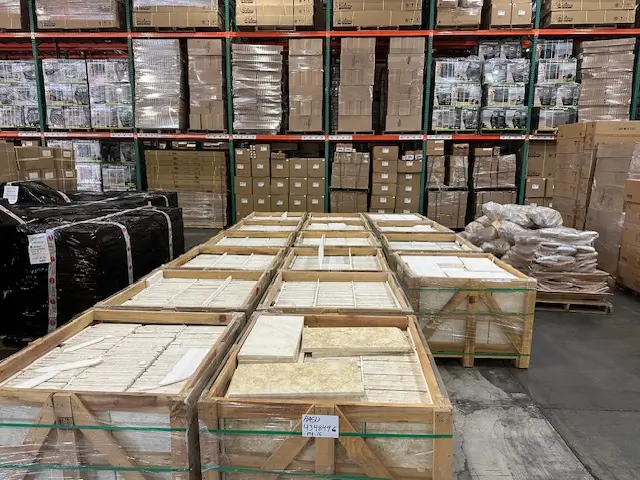
The color stability of Arizona regional materials under UV exposure separates specification-grade stone from commodity products. You should understand that sandstone’s buff, tan, and red tones derive from iron oxide content within the binding matrix. High-quality sources maintain color consistency because the iron compounds remain chemically stable under solar radiation. Lower-grade material shows fading within 18-24 months as surface oxidation progresses. Your specifications must address UV resistance testing per ASTM C1486 protocols, particularly for applications where aesthetic consistency affects property values over multi-decade timeframes.
Thickness Specifications and Structural Requirements
The thickness you specify for sandstone slab applications Chandler directly impacts both structural performance and installation methodology. Standard commercial slabs range from 1.25 inches to 3 inches, with your selection driven by span requirements and substrate conditions. For pedestrian plazas over compacted aggregate base, 1.5-inch thickness provides adequate capacity with proper support. When you design for vehicular loading or installations over pedestal systems, minimum 2-inch thickness becomes necessary to prevent flexural failure under point loads.
- You need to account for thickness tolerance stacking in your layout planning—industry standard allows ±1/8 inch variation that affects lippage control
- Your joint spacing calculations must incorporate the thickness-to-span ratio, typically not exceeding 24:1 for unsupported edges
- You should specify how thickness variations affect setting bed depth, particularly in large-format installations where maintaining plane becomes challenging
- When you evaluate warehouse stock, verify that thickness consistency within each lot stays within ±3% to avoid installation complications
Edge detail specifications significantly affect both performance and visual quality in natural slab designs. You’ll choose between sawn edges (straight, dimensional control), natural cleft edges (organic appearance, dimensional variability), or bullnosed edges (safety consideration, higher fabrication cost). For Chandler desert stone applications where barefoot traffic occurs, bullnosed edges reduce injury risk but require you to increase material budget by 25-35% due to fabrication labor. Sawn edges provide tightest joint tolerance—you can achieve consistent 3/16-inch spacing compared to 1/4 to 3/8-inch requirements for natural cleft material.
Thermal Mass Benefits and Installation Timing
Your project timeline for sandstone slab applications Chandler needs to account for how installation season affects material handling and setting procedures. Summer installations in Chandler present specific challenges—setting materials cure too rapidly when substrate temperatures exceed 95°F, creating bond failures that manifest 6-18 months post-installation. You’ll achieve optimal results when you schedule installation during October through April, when substrate temperatures remain below 85°F during working hours. This timing allows proper mortar hydration and minimizes thermal stress during the critical curing period.
The thermal mass properties that make sandstone landscape uses Arizona effective require understanding the lag time between air temperature peaks and surface temperature maximums. Quality sandstone exhibits approximately 3-4 hour thermal lag, meaning peak surface temperature occurs in early evening rather than mid-afternoon. When you design outdoor living spaces, this characteristic extends usable hours—surfaces remain comfortable for barefoot traffic until later in the evening compared to materials with minimal thermal mass. You should communicate this performance advantage to clients who prioritize outdoor entertainment functionality.
For installation crews, you need to specify moisture management protocols that account for Chandler’s 7-8% average relative humidity during summer months. Sandstone absorbs moisture from setting beds, but in extreme desert conditions, you risk reverse moisture migration where the stone becomes the water source for rapid curing. Your installation specifications should require misting of substrate and stone backs prior to setting when ambient humidity drops below 15%. This seemingly minor detail prevents the premature drying that causes 60% of bond failures in desert installations. For comprehensive material selection guidance, see Citadel Stone’s stone slabs wholesale for regional performance comparisons.
Surface Finish Selection Criteria
When you specify surface finishes for sandstone slab applications Chandler, you’re balancing slip resistance, aesthetic goals, and maintenance requirements. Natural cleft surfaces provide inherent texture with DCOF ratings typically ranging 0.55-0.65 wet, well above the 0.42 minimum for exterior walking surfaces. This finish requires no additional processing, reducing material cost while delivering superior traction. You’ll find that natural cleft works effectively for pool decks, pathways, and outdoor living areas where slip resistance takes priority over formal appearance.
Thermal-finished surfaces offer controlled texture through flame treatment that exposes aggregate structure. When you select this finish for Arizona regional materials, you achieve slip resistance comparable to natural cleft (DCOF 0.50-0.60) while gaining improved dimensional consistency. The thermal finishing process removes approximately 1/16 inch of surface material, which standardizes thickness variation and facilitates tighter joint spacing. Your specifications should note that thermal finishing increases material cost by 18-22% but reduces installation labor through improved dimensional control.
- You should understand that honed finishes provide smooth surfaces with DCOF ratings around 0.40-0.48, requiring careful placement decisions to avoid slip hazards in wet conditions
- Your finish selection affects long-term maintenance intensity—natural cleft conceals surface wear and staining better than honed finishes that show traffic patterns within 5-7 years
- When you specify for commercial applications, verify finish uniformity within each production lot, as variation affects light reflection and perceived color consistency
- You need to account for how surface finish interacts with efflorescence visibility—textured finishes disperse salt deposits less noticeably than smooth surfaces
Base Preparation for Desert Soil Conditions
Your base preparation specifications for natural slab designs in Chandler must address the predominant soil types—caliche layers, expansive clays, and decomposed granite. Each condition requires different excavation and stabilization approaches. In areas with caliche deposits, you’ll encounter cement-hard layers that provide excellent bearing capacity but create drainage challenges. Your specifications should require mechanical removal of caliche to depths that allow proper aggregate base installation, typically 8-12 inches below finished grade for pedestrian applications.
Expansive clay soils present the most challenging substrate conditions for sandstone landscape uses Arizona. These materials exhibit swell-shrinkage cycles that can exceed 3% volumetric change between wet and dry states. You need to specify removal of expansive soils to depths determined by geotechnical investigation, typically 18-24 inches, with replacement using non-expansive engineered fill. The alternative approach involves chemical stabilization using lime treatment, which you should specify at 5-8% lime content by weight, mixed to 12-inch depth. This modification reduces plasticity index and provides stable foundation within 7-14 days of treatment.
When you encounter decomposed granite substrates common in Chandler desert stone applications, you’re working with near-ideal base conditions. This material compacts to 95% modified Proctor density with minimal effort and provides excellent drainage characteristics. Your specifications should leverage this advantage by minimizing excavation depth and utilizing native material as base aggregate where gradation meets requirements. You’ll achieve cost savings of $2.50-$3.80 per square foot compared to full-depth imported base while maintaining structural performance. Testing should verify fines content remains below 12% to ensure adequate permeability.
Joint Spacing and Thermal Expansion
The thermal expansion coefficient for quality sandstone averages 5.1 × 10⁻⁶ per °F, which translates to measurable movement in Chandler’s temperature extremes. When you calculate joint spacing for sandstone slab applications Chandler, you need to account for potential 65°F surface temperature swings during seasonal transitions. A 15-foot continuous run of material experiences approximately 0.05 inches of expansion, which your joint system must accommodate without creating compressive stress that leads to spalling or tenting.
- You should specify expansion joints every 12-15 feet in both directions for unrestricted installations, with joint width minimum 3/8 inch to accommodate movement
- Your detail specifications must address perimeter isolation—sandstone installations require 1/2-inch separation from fixed elements like building foundations and planters to prevent restraint
- When you design installations with environmental barriers on multiple sides, you need to reduce maximum field dimensions to 10-12 feet to prevent compression buckling
- You’ll find that joint filler selection significantly affects movement accommodation—polymeric sand provides superior retention but less flexibility than open-graded sand systems
Field observations across hundreds of Arizona regional materials installations demonstrate that inadequate joint spacing causes 40% of premature failures in desert climates. You’ll see characteristic crack patterns that radiate from restraint points when thermal expansion exceeds the capacity of compressed joints. Your specifications should include mock-up requirements for projects exceeding 2,000 square feet, where you verify joint compression behavior under simulated thermal loading. This testing reveals potential issues before full installation commitment.
Drainage Design Considerations
When you design drainage systems for sandstone slab applications Chandler, you’re working with material porosity that ranges 6-12%, which creates both opportunities and obligations. The interconnected pore structure allows surface water to penetrate the stone thickness, which reduces standing water and improves slip resistance. However, you need to ensure that subsurface drainage capacity exceeds surface infiltration rate by at least 3:1 ratio. This prevents saturation of the setting bed, which causes efflorescence and bond degradation over time.
Your minimum slope specifications should require 2% grade for smooth-finished natural slab designs and 1.5% for textured surfaces. These gradients ensure positive drainage while remaining imperceptible to users. When you encounter areas where achieving continuous slope proves difficult, you’ll need to incorporate strategic drainage collection points every 20-25 feet. Linear drains work effectively in these applications, but you must detail the transition between stone pavers and drain grates to prevent trip hazards and maintain aesthetic continuity.
Subsurface drainage layer specifications require you to balance permeability with stability. A 4-inch layer of 3/4-inch crushed aggregate over geotextile fabric provides proven performance in Chandler desert stone applications. The aggregate layer transmits water laterally to collection points while supporting structural loads. Your specifications should require verification that base aggregate meets ASTM D448 gradation requirements for size number 57, which provides approximately 40% void space for water movement. When you truck material to site, verify gradation through sieve analysis—warehouse stock sometimes includes excessive fines that reduce permeability by 30-50%.
Color Selection and Heat Reflection Properties
The color you specify for sandstone landscape uses Arizona directly affects surface temperature performance, with albedo values ranging from 0.25 for darker buff tones to 0.45 for lighter cream and tan colors. This 80% difference in solar reflectance translates to surface temperature variations of 15-20°F under identical exposure conditions. When you design spaces for barefoot traffic or adjacent to occupied structures, lighter color selections provide measurable comfort and energy efficiency benefits.
Field temperature monitoring of sandstone slab applications Chandler demonstrates that mid-tone buff colors averaging 0.35 albedo maintain peak surface temperatures around 145°F during July afternoons. Lighter cream selections with 0.42-0.45 albedo reduce peaks to 130-135°F range. You should understand that these 10-15 degree reductions significantly affect usability—surfaces above 140°F cause discomfort for barefoot contact within 2-3 seconds, while surfaces at 135°F allow brief contact periods of 8-12 seconds. This distinction determines whether pool decks and patio areas remain functional during peak season.
- You need to consider how color selection interacts with landscape microclimate—lighter pavements reflect heat onto adjacent plant materials and building surfaces, potentially increasing cooling loads
- Your specifications should address color consistency expectations across production lots, as natural variation in iron oxide content creates 10-15% color range even within single quarry sources
- When you evaluate samples for Arizona regional materials, view under natural sunlight at project site rather than relying on warehouse lighting that distorts color perception
- You should specify color matching protocols for phased projects where installation occurs over multiple seasons—quarry production characteristics change with working depth
Edge Restraint Systems
Your edge restraint specifications for natural slab designs determine whether perimeter stones remain stable or migrate outward under thermal cycling and traffic loading. Sandstone installations require positive mechanical restraint rather than relying on mass and friction. You’ll specify edge systems based on application type and aesthetic requirements. For concealed edges where plantings or soil abut the pavement, aluminum or steel edge restraint installed at finish grade provides effective containment at $4.50-$6.20 per linear foot installed.
When you design exposed edges for sandstone slab applications Chandler, concrete border courses provide structural stability and visual definition. Your specifications should require minimum 6-inch width borders, reinforced with #3 rebar at 18-inch centers. The border course extends 8-10 inches below finish grade, creating an L-shaped foundation that resists horizontal displacement. You’ll achieve superior long-term performance with this approach, though material and installation costs increase to $12-$16 per linear foot compared to concealed restraint systems.
For projects where you want minimal visual impact from restraint systems, soldier course installations using the same sandstone material provide effective edge control. You’ll set stones vertically in concrete foundation, creating a 3-4 inch exposed edge that transitions to horizontal field pavers. This approach requires careful attention to height alignment and vertical stability. Your specifications should require setting soldier courses in 6-inch concrete base extending 6 inches below field paver base elevation. The additional material and labor typically adds 8-12% to overall project cost but delivers seamless aesthetic integration.
Sealing and Maintenance Protocols
When you specify sealing requirements for sandstone landscape uses Arizona, you’re addressing stain protection and efflorescence control rather than waterproofing. The material’s inherent porosity allows vapor transmission that prevents subsurface moisture accumulation. Penetrating sealers that preserve this vapor permeability while providing stain resistance deliver optimal performance. You should specify products based on silane/siloxane chemistry that penetrate 2-4mm into the surface, creating hydrophobic conditions without forming surface films.
Application timing significantly affects sealer performance in Chandler desert stone applications. You need to ensure substrate moisture content measures below 4% before sealer application—higher moisture levels prevent adequate penetration and create adhesion failures. In Chandler’s climate, newly installed sandstone slab applications Chandler typically require 14-21 days drying time before reaching acceptable moisture levels. Your specifications should require moisture testing using calcium chloride methods or electronic impedance meters before authorizing sealer application.
- You should specify resealing intervals of 24-36 months for high-traffic areas and 36-48 months for residential applications based on field performance data
- Your maintenance protocols need to address cleaning methods that preserve sealer integrity—pH-neutral cleaners applied with low-pressure methods rather than harsh chemicals or high-pressure washing
- When you evaluate sealer options, verify VOC compliance with local air quality regulations, as Arizona regional materials applications increasingly face restrictions on solvent-based products
- You need to account for how sealer application affects surface appearance—most penetrating sealers slightly darken stone color and enhance natural color variation visibility
Premium slabs for yard in Arizona — Citadel Stone Regional Guidance
When you consider Citadel Stone’s slabs for yard in Arizona for your Chandler projects, you’re evaluating premium sandstone selected specifically for desert climate performance. At Citadel Stone, we provide technical guidance for hypothetical applications across Arizona’s diverse microclimates. This section outlines how you would approach specification decisions for three representative cities where sandstone slab applications Chandler principles apply with regional climate adjustments.
Your material selection process should account for elevation-dependent climate variations across Arizona. Desert valley locations like Chandler experience extreme heat with minimal freeze-thaw exposure, while higher elevation cities face different stress combinations. The sandstone grades you would specify need compressive strength and porosity characteristics matched to these distinct environmental demands. Understanding regional performance requirements helps you optimize specifications for 25-30 year service life expectations.
Flagstaff Freeze-Thaw Resistance
In Flagstaff’s 7,000-foot elevation climate, you would need sandstone slab applications with proven freeze-thaw durability rather than focusing primarily on heat resistance. Your specifications would require ASTM C666 testing verification showing less than 2% strength loss after 300 freeze-thaw cycles. The porosity range you’d specify would narrow to 6-8% rather than accepting the 6-12% appropriate for valley locations—this lower porosity reduces water absorption that causes spalling during freeze events. You would also increase minimum thickness to 2 inches for pedestrian applications to provide additional structural margin against thermal shock cycling that occurs during Flagstaff’s temperature swings from 15°F overnight to 55°F afternoon conditions.
Sedona Aesthetic Integration
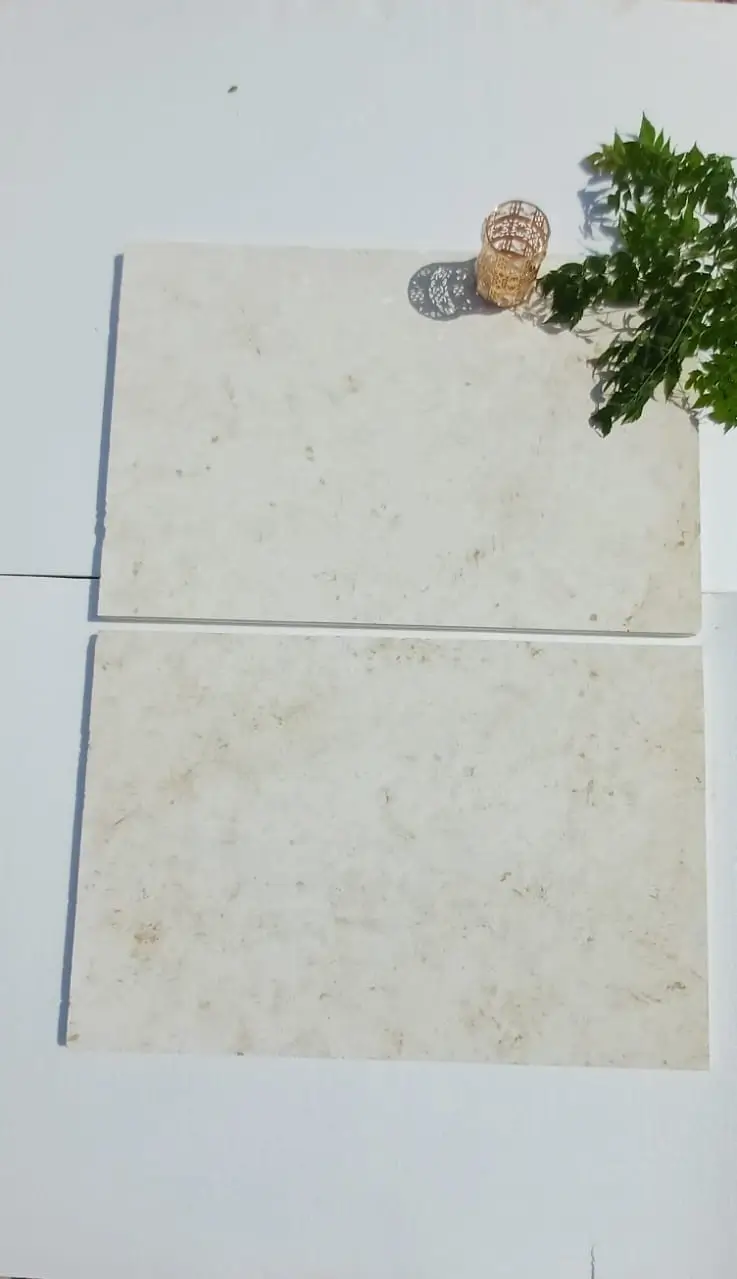
Your Sedona specifications would emphasize color coordination with the iconic red rock landscape that defines the region. You would select sandstone in warm buff and tan tones that complement rather than compete with surrounding geological features. The natural slab designs you’d recommend would incorporate irregular joint patterns and varied slab sizes that echo the organic character of local stone formations. At Citadel Stone, we maintain warehouse inventory of materials specifically selected for Sedona’s aesthetic requirements, with color ranges that harmonize with the Colorado Plateau geology. You would specify natural cleft surfaces exclusively in this market, as the textured finish reinforces visual connections to native outcroppings while providing slip resistance for the area’s upscale resort and residential applications.
Peoria Suburban Applications
When you would specify for Peoria’s suburban development market, your focus would shift to balancing performance with cost efficiency for production-scale residential projects. You’d recommend standardized slab dimensions that optimize material yield and reduce installation labor—typically 12×24-inch or 16×24-inch formats rather than random patterns. Your specifications would address truck delivery logistics for subdivision-scale projects where multiple installations occur simultaneously across development phases. The sandstone landscape uses Arizona you’d detail would emphasize low-maintenance characteristics that appeal to Peoria’s family-oriented demographic, specifying penetrating sealers and polymeric jointing sand systems that minimize ongoing care requirements. You would also coordinate warehouse delivery schedules to align material availability with builder construction timelines, ensuring project momentum continues without material-related delays.
Common Specification Mistakes
Your specification documents for sandstone slab applications Chandler need to address several common oversights that lead to performance issues and change orders. One frequent error involves specifying joint sand without addressing material gradation and polymeric versus conventional options. When you leave this decision to installer discretion, you risk selecting materials that compact poorly or wash out during monsoon events. Your specifications should define acceptable gradation ranges—typically ASTM C144 compliance—and specify polymeric stabilization for applications where joint sand retention affects long-term performance.
Another critical mistake involves failing to specify substrate moisture testing before installation. You’ll encounter situations where setting begins over inadequately dried base materials, particularly following monsoon precipitation. The resulting efflorescence appears 3-6 months post-installation, creating aesthetic issues that require expensive remediation. Your specifications should mandate moisture content verification showing less than 4% in base aggregate and setting bed before allowing stone placement to proceed. This simple protocol prevents 70% of efflorescence-related callbacks.
- You need to avoid specifying sandstone slab applications Chandler without addressing acclimation requirements—material delivered during summer months should rest on-site 24-48 hours to equalize temperature before installation
- Your specifications should explicitly prohibit installation when substrate temperature exceeds 90°F or ambient temperature drops below 40°F to ensure proper setting material performance
- When you specify natural slab designs, you must define acceptable color and thickness variation ranges quantitatively rather than using subjective terms like “similar” or “matching”
- You should require mock-up panels for projects exceeding 1,000 square feet, where you verify joint spacing, color blend, and installation methodology before authorizing full production
Cost Factors and Budget Planning
When you develop budgets for Arizona regional materials installations, you need to account for cost components beyond material purchase price. Quality sandstone suitable for Chandler desert stone applications typically ranges $8.50-$14.00 per square foot for material only, depending on thickness, finish, and color selection. Your total installed cost projections should include base preparation ($3.20-$5.80/SF), setting materials and labor ($6.50-$9.20/SF), and edge restraint ($4.50-$16.00/LF depending on system). Comprehensive project costs for sandstone landscape uses Arizona installations typically range $22-$34 per square foot installed.
You should understand that project scale significantly affects unit pricing through economy of scale factors. Installations under 500 square feet often carry 25-30% cost premiums compared to projects exceeding 2,000 square feet due to mobilization costs and material packaging inefficiencies. When you coordinate multiple smaller projects through consolidated material orders, you can achieve pricing closer to large-project rates. This approach requires careful scheduling coordination between installation crews and warehouse delivery logistics, but delivers material cost savings of 15-20% on projects in the 300-800 square foot range.
Lead time planning affects both cost and schedule reliability for sandstone slab applications Chandler projects. Standard stock materials ship within 5-7 business days from warehouse to job site, supporting typical project timelines. Custom thickness, special finishes, or large-volume orders may require 3-5 weeks lead time from quarry production. You need to incorporate these timelines into project schedules and avoid premium freight charges that add 18-25% to material costs when you compress delivery windows. Your procurement strategy should verify availability before finalizing project commitments, particularly during peak construction season when warehouse inventory turns over rapidly.
Key Takeaways
Your successful specification of sandstone slab applications Chandler depends on understanding the complete interaction between material properties, climate demands, and installation methodology. The thermal performance advantages, aesthetic flexibility, and proven durability make sandstone landscape uses Arizona an excellent choice when you match material characteristics to application requirements. You need to address thickness specifications, surface finish selection, base preparation protocols, and joint spacing calculations as integrated design decisions rather than isolated variables. Each specification choice affects both immediate installation success and long-term performance outcomes.
When you develop comprehensive specification documents, include quantitative performance criteria, material testing requirements, and installation protocols that leave minimal room for field interpretation. Your specifications should address moisture management, thermal expansion accommodation, and edge restraint systems with specific dimensional and material requirements. The additional effort invested in thorough specification development prevents the change orders and performance issues that occur when critical details remain undefined. For additional guidance on material selection considerations, review Material quality and origin affecting stone slab costs in Mesa before you finalize your project requirements. Citadel Stone offers polished and honed stone slabs for sale in Arizona.