

When you design pathways in Carefree’s desert landscape, the choice between curved vs straight stepping stones Carefree configurations fundamentally changes how people experience your outdoor space. Curved layouts create organic movement through gardens, while straight arrangements deliver formal, purposeful transitions. You’ll find that curved pathways naturally encourage slower walking speeds, giving visitors time to notice plantings and views. Straight paths move people efficiently between destinations—ideal for high-traffic zones connecting parking areas to entries.
Your selection affects more than aesthetics. Curved installations require 15-20% more base preparation time due to irregular edge treatments and varying stone spacing. You need to account for how turning radii influence stepping stone placement—tight curves under 4-foot radius create awkward stride patterns that compromise both safety and visual flow. Straight paths simplify layout and reduce material waste, but they lack the psychological softening effect curved routes provide in residential desert settings.
Layout Psychology and Movement Patterns
Curved pathways activate what landscape designers call “progressive revelation”—you experience the garden in sequential views rather than seeing everything at once. When you plan curved vs straight stepping stones Carefree layouts, you’re choosing between mystery and clarity. Curves naturally hide destinations, creating anticipation as visitors round each bend. This works exceptionally well in xeriscapes where you want to showcase different plant zones sequentially—silver-foliaged areas, then flowering succulents, then accent boulder groupings.
Straight configurations reveal endpoints immediately, which you’ll want for functional connections like garage-to-entry or driveway-to-front-door. The visible destination provides psychological comfort—visitors know exactly where they’re headed and how long the walk takes. In Arizona’s intense summer heat, this clarity matters more than you might initially consider. When temperatures exceed 110°F, people appreciate knowing the exact distance to air-conditioned spaces.
- Curved pathways reduce perceived walking distance by 12-18% through visual engagement
- Straight paths decrease navigation time by eliminating directional uncertainty
- Turning radii below 5 feet create stride disruption and increase trip hazards
- You should plan curves that accommodate natural 24-28 inch stride lengths
- Straight configurations allow consistent 18-20 inch spacing between stones
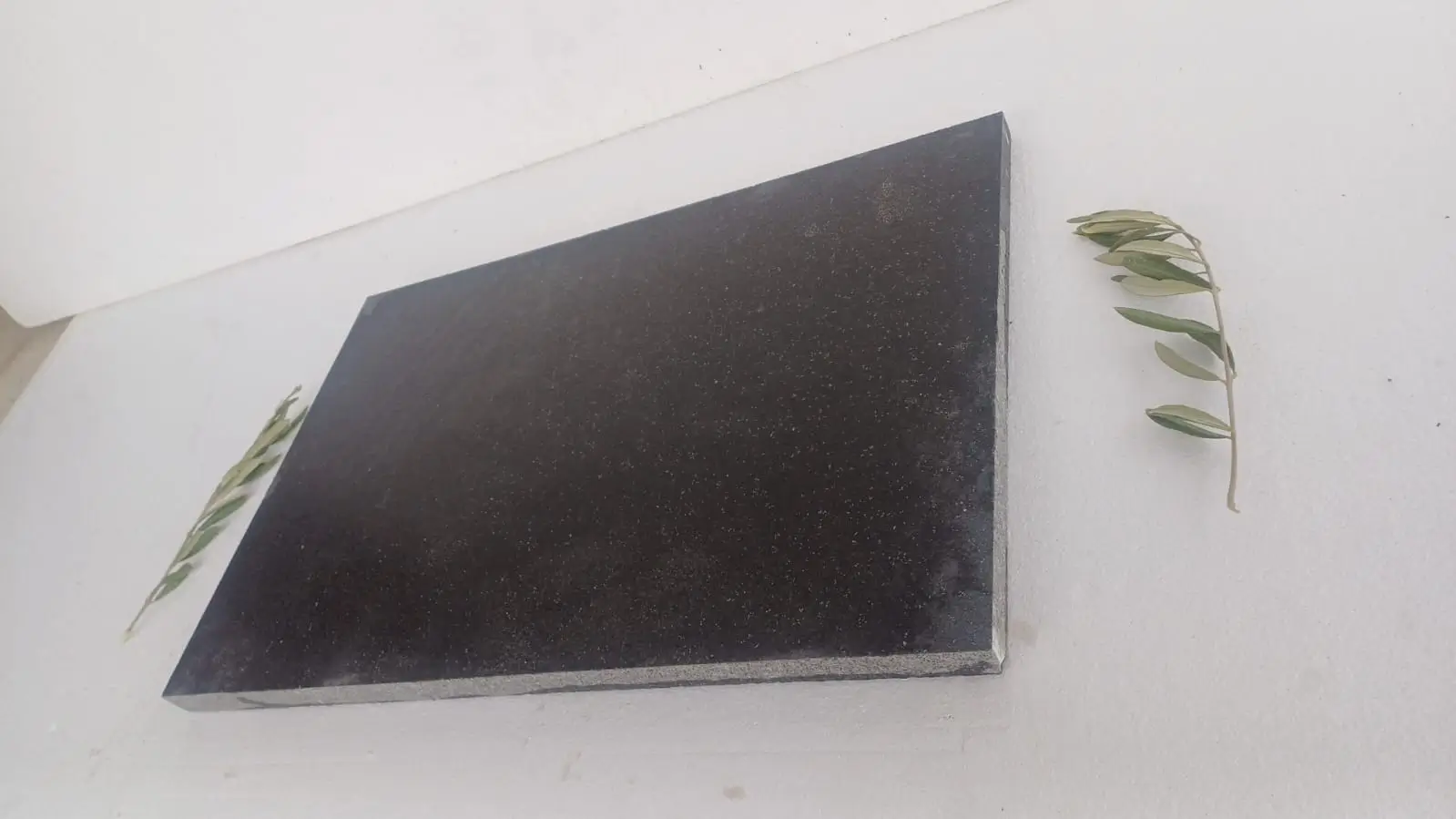
Installation Complexity and Base Requirements
Your base preparation costs change substantially between curved and straight layouts. Curved vs straight stepping stones Carefree installations require different excavation approaches—curved paths need hand-tooled edges rather than mechanical edging, increasing labor 20-25%. You’ll excavate irregular shapes around each stone in curved layouts, while straight paths allow you to cut continuous trenches with consistent dimensions.
Base material compaction presents specific challenges in curved designs. You can’t use plate compactors efficiently around tight curves; hand tamping becomes necessary for edge zones within 8 inches of stone perimeters. Straight installations let you compact entire base layers mechanically, achieving uniform 95% compaction throughout. This consistency matters in Carefree natural pathways where monsoon rains test base stability—improperly compacted zones settle differentially, creating trip hazards within 18-24 months.
Decomposed granite base layers perform differently under curved versus straight configurations. Curved pathways experience variable load distribution as people turn, concentrating weight on inside edges of curves. You need to increase base depth by 1-2 inches on curve interiors, typically going from 4-inch standard depth to 5.5-6 inches. Straight paths distribute loads evenly across stone surfaces, allowing consistent 4-inch base profiles that warehouse materials can supply in standard quantities.
Material Quantity and Waste Factors
When you calculate material requirements for curved vs straight stepping stones Carefree projects, expect 12-18% more stones for curved layouts covering equivalent linear distance. Curved pathways require closer stone spacing on inside curve edges to maintain safe 20-24 inch stride transitions. Outside curve edges may space stones 26-30 inches apart while inside edges compress to 16-18 inches—you end up using more stones per linear foot of pathway.
Straight configurations optimize material efficiency through consistent spacing. You’ll typically place stones every 18-20 inches center-to-center, creating predictable quantities. For a 50-foot straight pathway, you need approximately 30-33 stepping stones depending on size. The same 50-foot distance in curved layout requires 36-40 stones due to spacing variations around turns. Your procurement team should account for these differences when coordinating warehouse deliveries and budget allocations.
- Curved pathways generate 8-12% more base material waste from irregular excavations
- You need to order 15% extra stones for curved layouts to accommodate field adjustments
- Straight installations allow precise quantity calculations with 5% contingency
- Irregular stone shapes work better in curved layouts, reducing cutting requirements
- Rectangular stones optimize straight path efficiency with minimal trimming
Carefree Natural Pathways and Desert Climate Performance
Arizona’s extreme temperature swings affect curved and straight layouts differently. Curved pathways create more edge surface area exposed to thermal cycling—each curve adds linear footage of stone perimeter that experiences expansion and contraction. You need to account for how 70°F temperature differentials between night lows and afternoon highs stress stone edges differently in curved versus straight configurations.
Garden flow design Arizona principles emphasize working with natural topography rather than against it. Curved pathways adapt better to existing grades, following contour lines that minimize cutting and filling. When you encounter slopes exceeding 3%, curves let you create switchback patterns that reduce effective grade to comfortable 2-2.5% walking surfaces. Straight paths often require more aggressive grading to maintain constant slopes, increasing excavation costs 15-20%.
Organic stone layouts integrate with native plantings more successfully than geometric arrangements. Curved stepping stone patterns create planting pockets varying from 18 inches to 48 inches in irregular shapes—ideal for clustering desert species in natural groupings. Straight pathways generate uniform rectangular planting zones that feel institutionalized rather than naturalistic. Your plant selection strategy changes based on layout geometry, affecting long-term maintenance requirements and visual coherence.
Drainage and Monsoon Considerations
Arizona landscape movement during monsoon season depends heavily on drainage patterns around stepping stones. Curved pathways create complex drainage behavior—water follows curve geometry, potentially concentrating flow on outside edges where velocity increases. You need to grade surrounding soil so water sheets across pathways at perpendicular angles rather than channeling along curves. This requires more sophisticated grading than straight paths, where parallel drainage swales handle runoff predictably.
Your base layer permeability requirements differ between layout types. Curved configurations with varied stone spacing create inconsistent infiltration—wide gaps between stones on curve exteriors allow faster percolation than tight spacing on interiors. You should specify base materials with 8-12% porosity to handle differential infiltration rates. Straight pathways with consistent spacing allow uniform 5-8% porosity bases that warehouse inventories stock routinely.
When you evaluate manufactured stepping stones in Arizona for either layout type, verify how edge profiles affect water management. Curved installations benefit from stones with beveled edges that don’t create sharp elevation changes where water can pond. For comprehensive material options suited to both curved and straight applications, review Citadel Stone’s manufactured stepping collection that addresses desert climate drainage requirements. Straight pathways tolerate square-edged stones more effectively since uniform spacing prevents differential ponding.
Maintenance Access and Long-Term Longevity
Your long-term maintenance costs vary significantly between curved vs straight stepping stones Carefree configurations. Curved pathways accumulate debris in curve pockets where wind deposits create organic buildup. You’ll need to clear these zones 3-4 times annually to prevent decomposition that attracts termites and creates soil berms against stone edges. Straight paths allow simpler leaf blower maintenance without pocket zones—twice-annual clearing typically suffices.
Joint material retention differs between layout types. Curves experience differential settling as people naturally step harder on inside edges while turning, compacting soil unevenly. You need to replenish decomposed granite or crusher fines around stones in curved layouts every 18-24 months. Straight installations with even foot traffic patterns maintain joint materials 30-40% longer, reducing replenishment to 30-36 month intervals.
- Curved pathways require 25% more annual maintenance labor for debris clearing
- You should plan for joint material replenishment costs in curved layouts every other year
- Straight configurations allow mechanical sweeping; curves need hand cleaning
- Stone leveling adjustments occur 40% more frequently in curved installations
- Your maintenance budget should allocate accordingly based on layout selection
Design Flexibility and Future Modifications
When you consider long-term landscape evolution, curved pathways offer greater design flexibility for future modifications. Garden flow design Arizona landscapes change as plants mature—shrubs expand, trees develop canopies, and visual priorities shift. Curved stepping stone layouts adapt more gracefully to these changes. You can remove or relocate individual stones to accommodate root zones or redirect pathway flow without destroying the organic aesthetic.
Straight pathways lock you into fixed geometries that become problematic as landscapes evolve. A mature mesquite tree growing across a straight path creates maintenance conflicts—you either remove the tree or reroute the entire pathway. Curved layouts let you adjust individual stone positions 12-18 inches to work around obstacles while maintaining overall pathway integrity. This flexibility becomes valuable 5-7 years post-installation when plant growth patterns become evident.
Your property resale considerations factor into layout decisions. Curved pathways photograph better and create the “designer landscape” impression potential buyers value. Real estate professionals report that organic stone layouts in desert properties increase perceived value 3-5% compared to rigid geometric hardscaping. Straight paths convey functionality but lack the custom design element that differentiates premium landscapes from builder-grade installations.
Traffic Patterns and Social Behavior
Curved vs straight stepping stones Carefree configurations influence how people use outdoor spaces socially. Curved pathways naturally create single-file movement—the meandering geometry prevents side-by-side walking except in widened zones you intentionally design. This works well for meditative garden experiences where you want visitors to engage individually with plantings and views. Straight pathways 4-5 feet wide accommodate two people walking together, supporting conversational movement through landscapes.
You need to consider how layout geometry affects evening use patterns. Straight pathways simplify lighting design—you can space path lights every 8-10 feet along linear routes for uniform illumination. Curved layouts require more complex lighting strategies. You’ll need fixtures positioned on curve exteriors to prevent shadow zones, typically increasing fixture counts 20-25% compared to straight installations of equivalent length.
Organic stone layouts create natural stopping points where curves widen or viewing angles open toward focal features. You can intentionally design these pause zones by spacing stones 30-36 inches apart, signaling to visitors that slowing or stopping is appropriate. Straight pathways lack these intuitive cues—people maintain walking speed unless you introduce distinct widening or surface material changes that require additional design complexity.
Cost Analysis and Project Budgeting
Your total installed cost for curved pathways typically runs 18-25% higher than straight equivalents covering the same linear distance. Labor represents the largest differential—hand-tooling curves, variable spacing layouts, and complex grading increase installation time 22-28%. Material costs rise 12-18% due to additional stones and base materials required for curved configurations. When you prepare project budgets, these premiums need clear justification through design intent and client lifestyle priorities.
Straight pathway installations optimize labor efficiency through repetitive processes. Crews establish spacing templates and repeat consistent excavation, base placement, and stone setting procedures. A two-person crew typically installs 15-18 linear feet of straight pathway daily compared to 11-13 linear feet of curved layout. You should factor these productivity differences when scheduling projects and coordinating truck deliveries of materials to maintain installation pace.
- Curved pathway labor costs average 24-30% higher per linear foot installed
- You need approximately 15% more base materials for equivalent linear distances in curves
- Straight installations allow better warehouse quantity optimization and material pricing
- Design fees for curved layouts typically add 10-12% due to increased planning complexity
- Your project timeline extends 20-25% for curved configurations versus straight paths
Premium Manufactured Stepping Stones in Arizona — Citadel Stone Specification Guidance
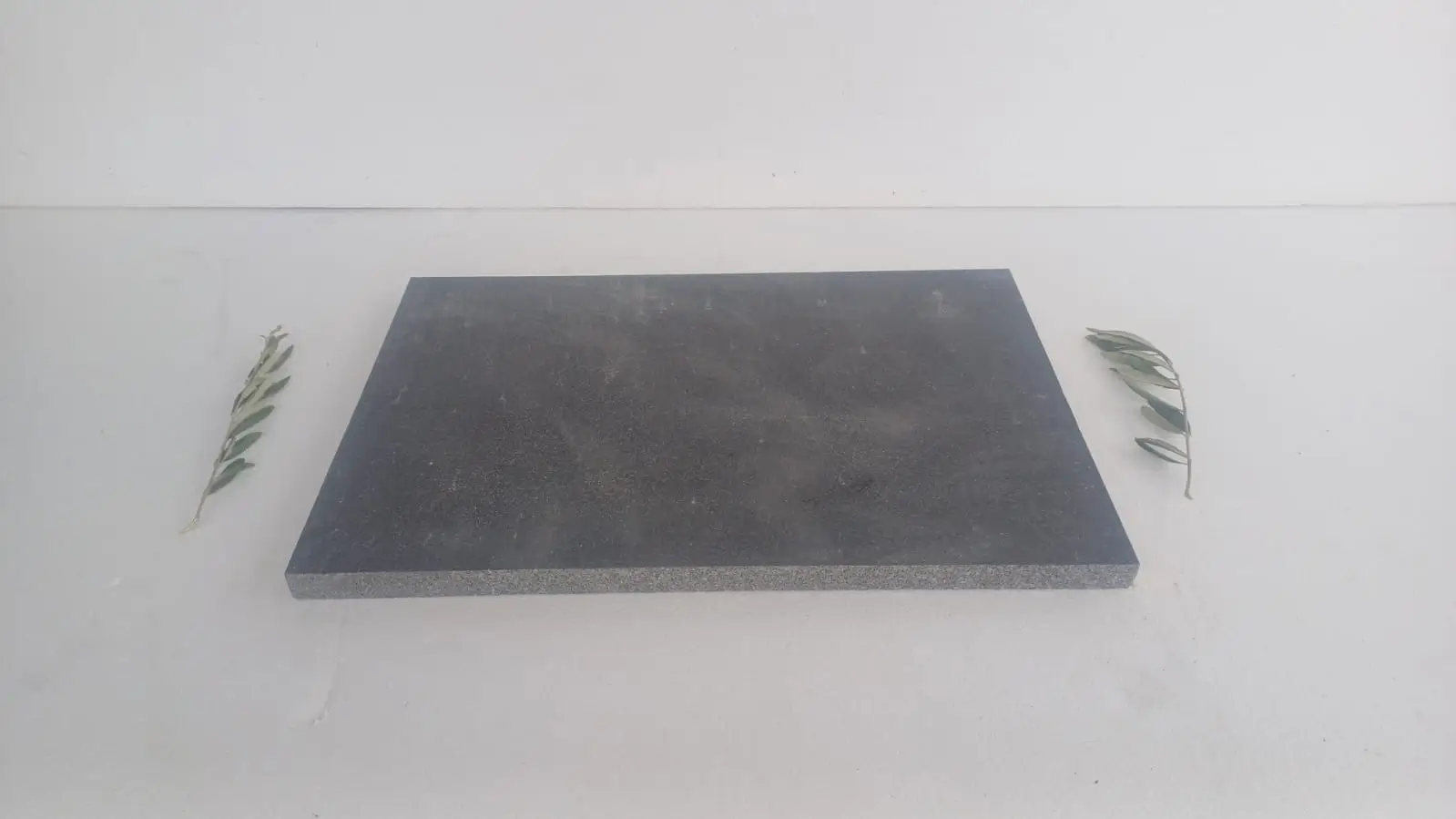
When you consider Citadel Stone’s manufactured stepping stones in Arizona for your project, you’re evaluating premium materials engineered specifically for desert climate performance in both curved and straight configurations. At Citadel Stone, we provide technical guidance for hypothetical applications across Arizona’s diverse microclimates. This section outlines how you would approach specification decisions for three representative cities with distinct landscape characteristics.
Chandler Layout Specifications
In Chandler’s planned communities, you would typically spec curved pathways that soften rigid property geometries while accommodating desert landscaping requirements. Your material selection should address 118°F peak temperatures that stress stone surface integrity through thermal expansion cycles. You would specify stepping stones with thermal expansion coefficients appropriate for 65-70°F daily temperature swings during summer months. Curved layouts in Chandler residential settings typically integrate with xeriscaping that features palo verde and desert willow plantings requiring the irregular spacing curves provide naturally. Your base preparation would account for caliche layers common 14-18 inches below grade, requiring mechanical excavation and 6-inch crushed aggregate bases for long-term stability.
Tempe Urban Applications
Tempe’s urban density would require you to balance curved aesthetics with space efficiency in compact yards averaging 4,000-5,500 square feet. You would often recommend hybrid layouts—straight primary paths connecting functional zones with curved secondary routes through garden areas. Material specifications should address reflected heat from adjacent structures, adding 8-12°F to ambient temperatures in confined side yards. You would verify that stepping stones maintain slip resistance ratings above DCOF 0.48 when wetted during monsoon storms, particularly important in Tempe’s higher foot traffic residential patterns. Your drainage design would need to accommodate rapid runoff from surrounding hardscaping, requiring base permeability specifications ensuring 3-4 inch per hour infiltration rates that prevent ponding between stones during typical 1.5-inch monsoon cell events.
Surprise Desert Integration
In Surprise’s expansive desert transitional properties, you would typically favor curved pathways that create visual interest across larger landscape scales averaging 8,000-12,000 square feet. Your specification approach would emphasize organic stone layouts that integrate seamlessly with preserved native vegetation zones required by many Surprise HOA covenants. You would recommend materials with natural color variations that blend with surrounding decomposed granite and caliche soils common throughout northern Surprise developments. Curved configurations would allow you to work with existing topography featuring 2-4% grades without extensive cut-and-fill operations. Your installation guidance would address wind-blown sand accumulation from surrounding desert areas, requiring you to specify slightly elevated stone placement 1-2 inches above finished grade to prevent burial during dust storm events that occur 8-12 times annually in this transitional desert zone.
Integration with Other Hardscape Elements
When you design curved vs straight stepping stones Carefree installations alongside other hardscape features, consider how geometry conflicts or complements. Curved stepping stone pathways contrast dramatically with straight pool coping, creating dynamic tension that can enhance or undermine design cohesion depending on your artistic intent. You need to decide whether pathways should echo pool geometry or deliberately counterpoint it—both approaches work when executed consistently throughout the landscape.
Straight pathways integrate seamlessly with architectural elements like covered patios, outdoor kitchens, and geometric planting beds. You create visual connections through parallel lines and right-angle intersections that feel purposeful. Curved pathways require more sophisticated transition detailing where they meet straight architectural elements. You’ll typically widen pathway stones at intersection points, creating transitional zones 36-48 inches wide that bridge between organic and geometric vocabularies.
Your material palette decisions interact with layout geometry. Curved pathways using irregular flagstones in varied sizes emphasize organic character. The same curved layout using uniform rectangular pavers creates jarring geometry conflicts. Straight pathways tolerate either irregular or regular stone shapes successfully—the linear arrangement provides enough structure to organize varied materials coherently. You should select materials that reinforce your chosen geometry rather than fighting against it.
Safety and Accessibility Standards
Accessibility code compliance affects curved versus straight pathway feasibility in commercial and some residential applications. ADA standards limit running slope to 5% and cross slope to 2%—requirements that straight pathways meet more easily than curves. When you design curved accessible routes, you must maintain 36-inch minimum clear width throughout, including curve interiors where spacing naturally compresses. This often necessitates using larger stepping stones or creating continuous ribbon pathways rather than discrete stepping stone layouts.
Slip resistance becomes more critical in curved configurations where turning motions create lateral force components that increase slip potential. You should specify surfaces with DCOF ratings minimum 0.50 for curved pathways compared to 0.42-0.45 acceptable for straight routes. This becomes especially important in Arizona landscape movement patterns where morning irrigation or monsoon moisture combines with dust accumulation to create temporarily slippery conditions.
- Curved pathways require minimum 42-inch width for comfortable two-directional traffic
- You need slip resistance ratings 15-18% higher in curves versus straight sections
- Accessibility codes limit curved pathway grades to 5% maximum running slope
- Your stone placement must maintain consistent surface plane within ±3/8 inch
- Trip hazard regulations require maximum 1/2 inch vertical displacement between adjacent stones
Professional Specification Framework
Your decision between curved vs straight stepping stones Carefree layouts should follow systematic evaluation of site conditions, client priorities, and performance requirements. Start by analyzing existing topography—sites with 3-5% slopes favor curves that work with contours, while flat sites below 2% grade accommodate either geometry equally. Evaluate property shape and dimensions—narrow side yards under 8 feet wide require straight paths for space efficiency, while open yards exceeding 20 feet width benefit from curved organic layouts.
Consider the surrounding architectural context. Contemporary homes with strong horizontal lines and geometric forms often pair better with straight pathways that reinforce modernist vocabulary. Territorial and ranch-style architecture with organic forms and natural materials integrates more successfully with curved stepping stone arrangements. Your material specifications should align—manufactured stone with crisp edges suits straight formal layouts, while naturally finished materials work better in curved organic designs.
Budget realities influence geometry selection. When project constraints limit installed costs, straight pathways deliver maximum linear distance within budget parameters. If design quality takes priority over coverage area, curved layouts justify premium costs through enhanced visual interest and psychological experience. You need honest conversations with clients about these trade-offs before finalizing layout decisions that affect both immediate installation costs and long-term maintenance requirements.
Final Specifications
Your professional specification process requires you to balance aesthetic preferences with performance requirements and budget constraints when selecting between curved and straight stepping stone configurations. Curved pathways deliver superior garden flow design Arizona landscapes value while accepting higher installation costs and maintenance requirements. Straight layouts optimize functionality and cost efficiency while sacrificing some experiential qualities that make Carefree natural pathways memorable. For additional insights on enhancing nighttime pathway safety and ambiance in either configuration, review Illuminated pathway solutions for residential desert landscape design before you finalize project documentation. Install our Stepping Stones in Arizona to reduce dirt tracking into your home.