

When you design evening gardens in Queen Creek, stepping stone lighting integration transforms basic pathways into functional nighttime features that extend outdoor living hours. You’ll need to balance aesthetic appeal with practical illumination requirements while addressing Arizona’s extreme thermal conditions. Your material selection directly impacts how lighting systems perform over 15-20 year service cycles, particularly when you account for thermal expansion coefficients and UV degradation factors that affect embedded lighting components.
The challenge you face with stepping stone lighting Queen Creek installations centers on heat management. Surface temperatures exceeding 160°F during summer months create conditions where standard LED fixtures fail prematurely. You should specify commercial-grade components rated for continuous operation at 185°F minimum, with thermal cutoff protection that prevents damage during peak exposure periods. Your lighting design must also address voltage drop calculations across pathway lengths, ensuring consistent illumination from first stone to last regardless of run distance.
Material Thermal Compatibility for Illuminated Pathways
Your stepping stone selection determines lighting system longevity through thermal mass properties and expansion behavior. Natural stone materials exhibit coefficient ranges from 4.8 to 6.2 × 10⁻⁶ per °F, creating dimensional changes that stress embedded fixtures during daily temperature swings of 70-80°F typical in Queen Creek. You need to account for these movements when you specify fixture mounting methods and wire routing paths.
Stone porosity affects moisture intrusion around lighting components. You should target materials with 3-7% porosity that balance drainage requirements against water penetration risks. Higher porosity stones require additional sealing protocols around fixture housings to prevent moisture accumulation that causes LED driver failures. When you evaluate our mosaic stepping stone inventory for lighting integration, you’ll find that density measurements correlate directly with thermal stability and moisture resistance characteristics.
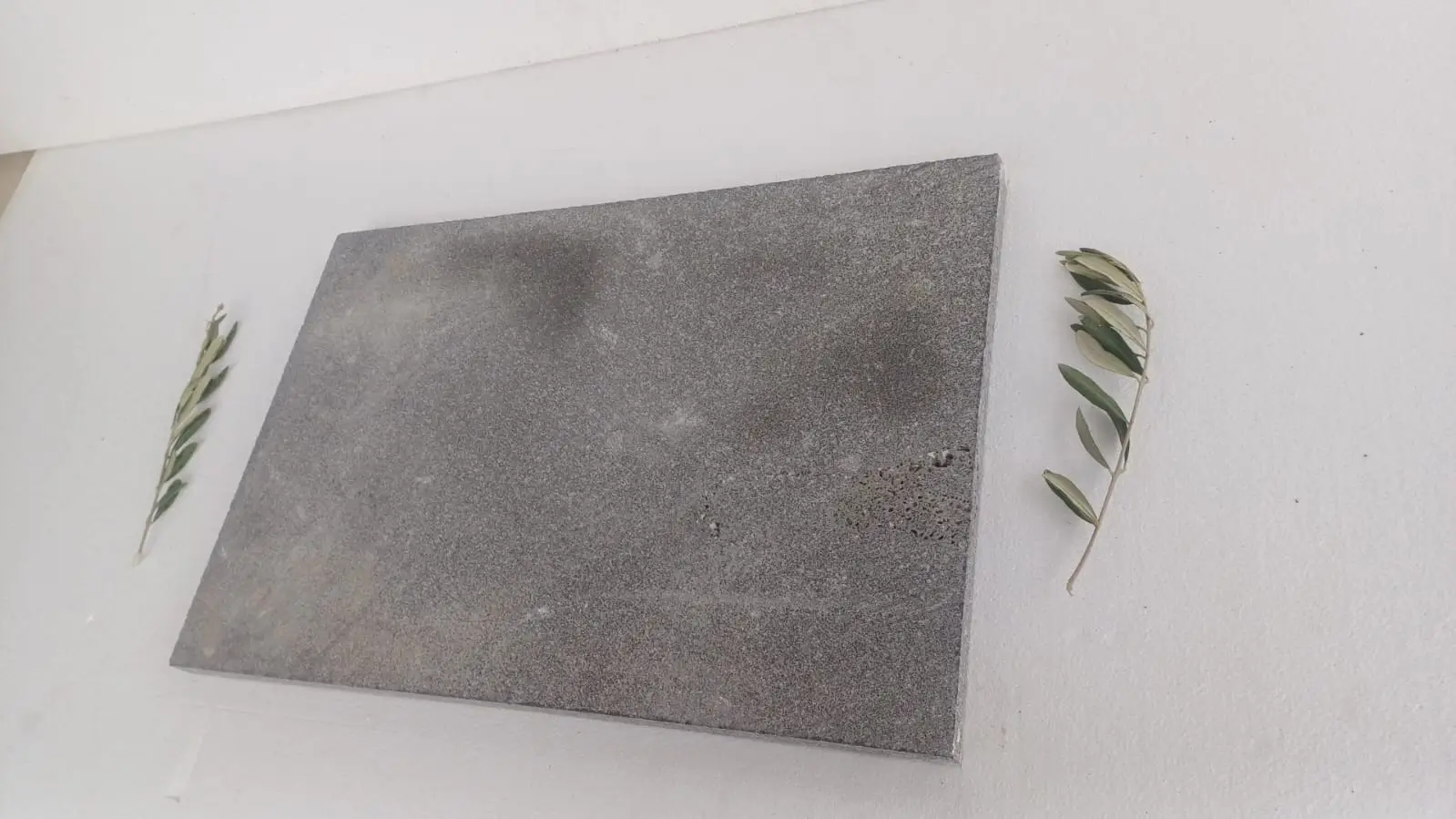
Thermal Mass Considerations
You’ll observe that thicker stepping stones (2.5-3 inches) moderate temperature fluctuations around lighting fixtures more effectively than thin pavers. This thermal buffering extends LED lifespan by reducing thermal cycling stress. Your specification should address minimum thickness requirements based on fixture wattage and heat output. A 3-watt LED fixture generates approximately 2 BTU/hour heat that dissipates through surrounding stone mass.
- You need to verify that stone thickness provides adequate heat sink capacity for your selected fixtures
- Your installation should maintain 1/4-inch clearance around fixture housings to allow thermal expansion
- You should specify potting compounds rated for continuous 200°F exposure in fixture cavities
- Temperature cycling between 40°F night lows and 165°F surface peaks creates 125°F differential stress
Fixture Specification Criteria for Desert Applications
Queen Creek night landscaping demands fixture specifications that exceed residential-grade standards. You’re specifying for an environment where ultraviolet exposure reaches 7,500-8,200 langleys annually, degrading polycarbonate lenses and silicone gaskets at accelerated rates. Your fixture selection must prioritize UV-stabilized materials with documented performance in ASTM G154 accelerated weathering protocols.
IP68 ingress protection represents the minimum acceptable rating for stepping stone lighting Queen Creek installations. This standard ensures submersion resistance to 3 feet for 30 minutes, protecting against monsoon flooding and irrigation system malfunctions. You should verify that fixture housings incorporate pressure equalization membranes that prevent condensation buildup from thermal cycling. When temperatures drop 40°F overnight, air volume inside sealed fixtures contracts, creating negative pressure that draws moisture past standard gaskets.
Voltage and Circuit Design
Your electrical design requires careful voltage drop calculations across pathway distances. Low-voltage systems operating at 12V DC experience significant losses over runs exceeding 30 feet. You need to calculate wire gauge requirements based on total fixture load and run length to maintain voltage within ±10% at the furthest fixture. A 50-foot pathway with eight 3-watt fixtures requires minimum 14 AWG wire to prevent dimming at run end.
- You should specify copper conductors with THWN-2 insulation rated for wet locations and 90°C operation
- Your transformer sizing must account for 20% overhead capacity beyond calculated fixture load
- You need to position transformers within 75 feet of fixture groups to minimize voltage losses
- Multi-tap transformers allow field adjustment of output voltage to compensate for circuit resistance
Installation Methodology for Embedded Lighting
When you integrate lighting into stepping stones, your installation sequence affects both structural integrity and electrical reliability. You’ll need to core-drill fixture cavities before setting stones in place, maintaining minimum 1.5-inch distance from stone edges to prevent cracking during drilling operations. Diamond core bits operating at 800-1,000 RPM with water cooling prevent thermal shock fractures in natural stone materials.
Your base preparation must accommodate conduit routing without compromising load-bearing capacity. Shallow trenches cut into compacted aggregate base allow wire passage while maintaining 95% compaction density around conduits. You should specify Schedule 40 PVC conduit with waterproof junction boxes at pathway intersections where wire routing changes direction. This approach facilitates future maintenance and fixture replacement without excavating entire pathway sections.
Fixture Mounting Techniques
Illuminated path stones Arizona installations require secure fixture retention that resists frost heaving and settling forces. You’ll achieve optimal results using two-part epoxy potting compounds that bond fixtures to stone while allowing slight flexibility during thermal expansion cycles. Rigid mounting systems create stress concentrations that crack stone around fixture perimeters.
- You need to clean drill cavities thoroughly, removing all stone dust before potting compound application
- Your potting compound should cure to Shore A hardness of 60-70, providing elastic mounting
- You should overfill cavities slightly, allowing compound to form weather seal above stone surface
- Wire strain relief loops inside cavities prevent conductor damage from stone movement
Color Temperature Selection for Evening Ambiance
Your lighting color temperature choice dramatically affects perceived garden atmosphere during evening hours. Warm white LEDs (2700-3000K) create inviting ambiance that complements natural stone tones, while cool white options (4000-5000K) provide clinical visibility that conflicts with residential garden aesthetics. You should recognize that color temperature affects visibility too—warmer temperatures reduce contrast perception, making pathway edges less distinct.
Arizona evening ambiance typically benefits from 2700K fixtures that blend with existing landscape lighting systems. You’ll find that color consistency matters more than absolute temperature. LED binning tolerances can create visible color variations between fixtures from different production lots. Your specification should require ±150K color temperature matching across all fixtures in a single project. When you coordinate warehouse deliveries, ensure all fixtures ship from the same production batch to maintain color uniformity.
Dimming and Control Options
Solar stone lights offer autonomous operation but sacrifice control flexibility and illumination consistency. You should understand that solar-charged systems provide 4-6 hours of useful output in Queen Creek, with illumination levels decreasing throughout the night as battery voltage drops. This creates pathways that appear well-lit at dusk but fade to inadequate levels by midnight.
- You gain superior performance from line-voltage systems with photocell and timer controls
- Your dimming protocols should reduce output to 30-40% after 10 PM when pathway traffic decreases
- You need to specify LED drivers with compatible dimming protocols—not all drivers support smooth dimming curves
- Wireless mesh controls allow zone-based scheduling without trenching for additional control wiring
Maintenance Access Planning
When you design stepping stone lighting Queen Creek installations, your maintenance strategy affects long-term ownership costs more than initial fixture selection. LED fixtures rated for 50,000-hour lifespans still require servicing when drivers fail or lenses accumulate UV degradation haze. You should detail pathways that allow stone removal without disturbing adjacent installations. Setting stones in sand-based systems facilitates individual stone extraction for fixture service.
Your documentation package must include as-built electrical diagrams showing exact conduit routing and junction box locations. Landscape contractors performing irrigation repairs frequently damage lighting circuits when they lack accurate utility location information. You’ll prevent costly damage by marking conduit routes with detectable warning tape 6 inches above buried conductors. This simple specification saves thousands in repair costs when future excavation occurs near pathway lighting runs.
Lens Cleaning Protocols
Desert dust accumulation reduces light output by 30-40% annually in Queen Creek installations. You need to establish quarterly cleaning schedules that maintain illumination levels throughout fixture service life. Alkaline dust particles etch polycarbonate lenses when cleaned with abrasive methods, creating permanent haze that cannot be restored.
- You should specify lens materials with hard-coat treatments that resist scratching during cleaning
- Your maintenance crews need to use pH-neutral cleaners and microfiber cloths for lens service
- You’ll extend lens clarity by applying hydrophobic coatings that shed dust and prevent mineral deposits
- Compressed air cleaning at 40 PSI removes loose dust without contact that causes scratching
Power Consumption Analysis
Your electrical load calculations for stepping stone lighting Queen Creek projects must account for true power consumption including transformer losses. An installation with twenty 3-watt LED fixtures draws 60 watts at fixtures, but transformer efficiency of 85-90% increases actual consumption to 67-71 watts. You should size circuit breakers and calculate operating costs using actual system consumption, not just fixture nameplate ratings.
Operating costs remain minimal even for extensive pathway lighting. A 70-watt system running 8 hours nightly consumes 204 kWh annually. At typical Queen Creek electricity rates of $0.13/kWh, annual operating cost reaches approximately $26.50. You can present these figures to clients who express concerns about ongoing energy expenses. The cost impact is negligible compared to aesthetic and safety benefits that illuminated pathways provide.
Solar vs Line-Voltage Economics
Solar stone lights eliminate trenching costs but require battery replacement every 3-4 years. You need to factor replacement expenses into total ownership cost comparisons. A $45 solar fixture requires $15 battery replacements twice over a 10-year period, adding $30 to effective fixture cost. Line-voltage systems with $60 fixtures and $8 installation labor provide superior illumination consistency without battery service requirements.
Premium Stepping Stones Arizona Applications—Citadel Stone Regional Specifications
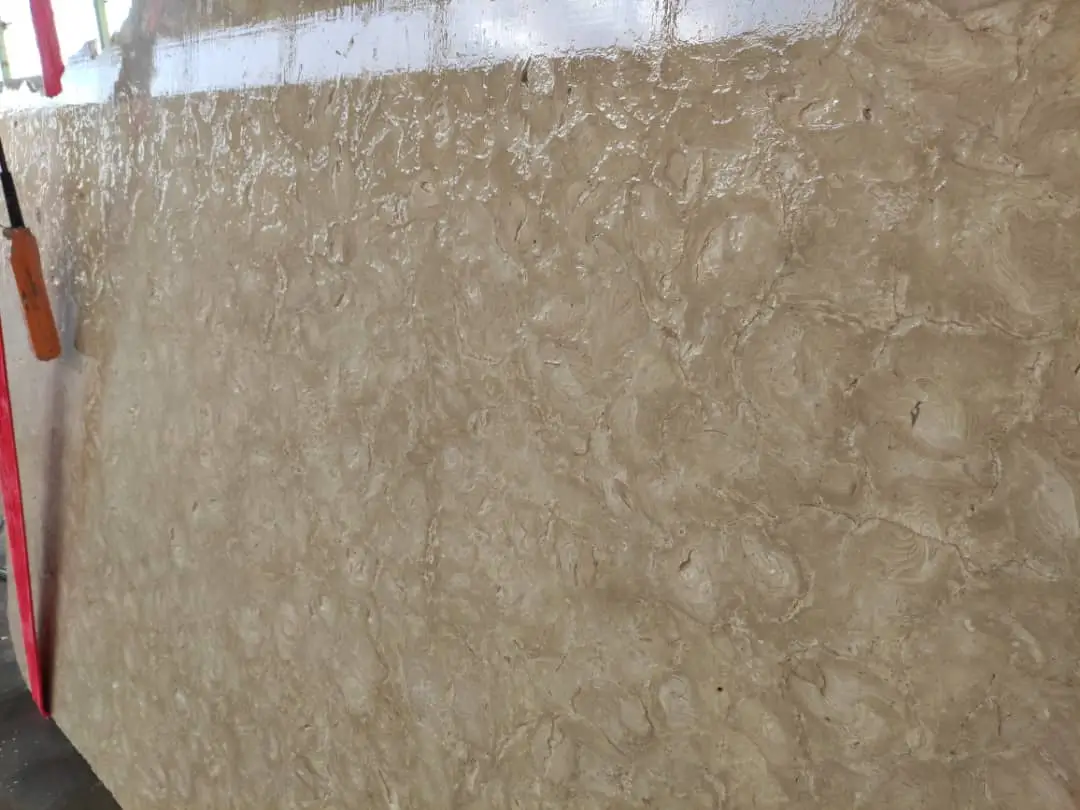
When you evaluate Citadel Stone’s Stepping Stones Arizona for evening garden lighting integration, you’re considering materials engineered for extreme thermal cycling and UV exposure. At Citadel Stone, we provide technical guidance for lighting installations across Arizona’s diverse climate zones. This section outlines specification approaches you would take for three representative cities, demonstrating how regional factors influence your material and fixture selection criteria.
Flagstaff Freeze Considerations
In Flagstaff installations, you would address freeze-thaw cycling that reaches 100+ annual events. Your stepping stone specification should require minimum 8,500 PSI compressive strength with absorption rates below 3% to prevent spalling around embedded fixtures. You’d need to specify fixture housings with thermal breaks that prevent ice formation inside lens cavities when temperatures drop to -10°F. The elevation and temperature differentials demand fixture potting compounds that remain flexible at subzero temperatures while maintaining waterproof integrity. Your lighting design would account for snow coverage that obscures pathway visibility 40-60 days annually.
Sedona Aesthetic Integration
Your Sedona lighting specifications would emphasize color temperature selection that complements red rock landscape aesthetics. You’d recommend 2400-2700K fixtures that enhance warm stone tones without creating jarring contrast against natural surroundings. The region’s outdoor lighting ordinances require shielded fixtures that prevent upward light spillage—you should verify that recessed stepping stone fixtures meet dark sky compliance even when mounted flush with walking surfaces. Fixture selection would prioritize bronze or copper finishes that age naturally in high-visibility resort and hospitality applications. Your material specifications would address iron oxide content that matches regional geology.
Peoria Residential Standards
In Peoria residential installations, you would balance performance requirements with budget constraints typical of production housing markets. Your specifications would recommend transformer locations in garage areas where GFCI protection and accessibility requirements are easily met. You’d design pathway lighting circuits that integrate with existing landscape lighting systems, minimizing electrical contractor coordination. The predominantly hardpan soil conditions would inform your conduit routing specifications, requiring trenching equipment capable of cutting through caliche layers without damaging PVC conduit. Your fixture spacing recommendations would account for 8-10 foot stone intervals typical in residential pathway designs, ensuring adequate illumination overlap.
Photometric Performance Standards
Your lighting design must deliver measurable illumination levels that meet safety and aesthetic objectives. Pathway lighting typically requires minimum 0.5 foot-candles of horizontal illumination at walking surface, with uniformity ratios not exceeding 4:1 between brightest and dimmest measurement points. You should specify fixtures with appropriate beam spreads that create overlapping light patterns between stepping stones.
Stepping stone lighting Queen Creek installations benefit from asymmetric beam distributions that project light forward along pathway direction rather than creating circular pools around each fixture. You’ll achieve better uniformity using fixtures with 30° × 60° elliptical distributions compared to symmetrical 40° round beams. This approach reduces fixture count while maintaining consistent illumination along pathway length. Your photometric calculations should account for 25% light loss factor from dust accumulation and LED lumen depreciation over first 5 years of operation.
Glare Control Requirements
Upward-facing fixtures in walking surfaces create glare conditions that reduce visibility and cause discomfort. You need to specify deep recessed fixtures with louvers or frosted lenses that limit direct view of LED sources. When your sight line crosses a pathway at typical 5-6 foot eye height, fixture luminance should not exceed 500 candelas per square meter to prevent disability glare.
- You should position fixtures slightly off pathway centerline to reduce direct viewing angles
- Your lens selection must balance glare control against light output efficiency losses
- You need to avoid over-illumination that creates harsh shadows and washes out garden features
- Lower wattage fixtures spaced closer together provide better uniformity than high-output fixtures at wide intervals
Code Compliance and Permitting
Your stepping stone lighting installations must comply with National Electrical Code Article 411 covering lighting systems operating at 30 volts or less. You should verify that all components carry appropriate UL listing for wet location applications. Low-voltage pathway lighting typically qualifies for simplified permitting, but you need to confirm local authority requirements in Queen Creek before commencing installation.
Wire burial depth requirements vary based on voltage and wiring method. Direct-burial UF cable requires 24-inch depth for circuits operating above 30 volts, while conduit-protected low-voltage wiring may be installed at 6-inch depth. You should route all lighting circuits separately from irrigation and other utility lines, maintaining 12-inch horizontal separation to prevent accidental damage during service work. Your installation documentation must include trench depth verification photos that demonstrate code compliance for final inspection approval.
Integration with Broader Hardscape Design
When you incorporate stepping stone lighting Queen Creek gardens, your design should coordinate with surrounding hardscape elements. Retaining walls, seat walls, and water features benefit from complementary lighting that creates cohesive evening ambiance. You’ll achieve superior results by maintaining consistent color temperature and fixture style across all hardscape lighting applications within a single project.
Your pathway lighting should terminate at defined destinations—patios, fire pits, or entry areas—rather than ending arbitrarily. This creates logical circulation patterns that guide evening garden use. You need to consider how pathway illumination interacts with landscape uplighting and accent fixtures. Stepping stone brightness should not compete with featured plantings or architectural elements. Typical practice maintains pathway lighting at 30-40% of accent lighting intensity to preserve visual hierarchy.
Warranty Considerations and Product Selection
Your fixture selection should prioritize manufacturers offering minimum 5-year warranties covering LED components and drivers. Standard 2-year warranties provide inadequate protection given that many LED driver failures occur in years 3-5 of operation. You should verify warranty coverage includes both product replacement and labor reimbursement for removal and reinstallation work.
Warranty claims require documentation of proper installation procedures. You need to photograph fixture mounting, wire connections, and transformer settings during initial installation. This evidence proves compliance with manufacturer requirements when fixture failures occur. Your project close-out documents should include fixture serial numbers, installation dates, and warranty registration confirmations that facilitate future claims processing. The additional documentation effort saves substantial costs when warranty service becomes necessary.
Common Specification Errors to Avoid
You’ll encounter recurring mistakes in stepping stone lighting specifications that create field problems and callbacks. Undersized transformers represent the most frequent error—specifying transformer capacity exactly matching fixture load provides zero overhead for voltage drop and future expansion. You should oversize transformers by 25-30% to ensure reliable long-term operation.
Another common error involves inadequate wire gauge specification. Using 18 AWG wire for runs exceeding 25 feet causes visible dimming at circuit end. You need to calculate voltage drop based on actual run length and total load, then specify wire gauge that maintains voltage within acceptable limits. The cost difference between 18 AWG and 14 AWG wire is negligible compared to replacement labor costs when inadequate wire causes problems.
- You should avoid mixing fixture types from different manufacturers on single circuits
- Your specifications must address junction box access for future troubleshooting
- You need to require drip loops at all downward-facing wire entries to junction boxes
- Photocell placement in shaded locations causes premature illumination during daytime hours
Final Planning Steps
Your comprehensive approach to stepping stone lighting Queen Creek installations requires balancing technical performance requirements with aesthetic objectives and budget constraints. You should develop detailed specifications addressing material selection, fixture criteria, electrical design, and installation methodology. This systematic approach prevents field problems that compromise system performance and generate expensive callbacks. When you coordinate all design elements carefully, you create illuminated pathways that enhance evening garden enjoyment while providing safe navigation through landscape spaces. For additional guidance on surface treatments that enhance nighttime slip resistance, review Non-slip surface treatments for outdoor stone pathways in Arizona before finalizing your project specifications. Citadel Stone is your one-stop shop for all mosaic stepping stone supplies in Arizona.