
When you plan flagstone stepping stone installation in Gilbert desert gardens, you’re working with one of the most thermally demanding environments in Arizona. Gilbert’s summer temperatures regularly exceed 110°F, and the combination of intense UV exposure, minimal cloud cover, and alkaline soils creates installation challenges that demand careful material selection and precise execution. You need to understand how flagstone stepping stones Gilbert properties interact with desert conditions before you commit to specifications.
Your site analysis should start with soil composition testing. Gilbert’s caliche-heavy substrates expand and contract with moisture changes, which affects base stability more than most specifiers anticipate. You’ll encounter pH levels between 7.8 and 8.4 in typical Gilbert locations, which influences efflorescence patterns and long-term stone appearance. When you select materials for Gilbert desert landscaping, these subsurface conditions determine whether your installation performs for 25 years or requires remediation within eight.
Thermal Performance Considerations
Flagstone stepping stones Gilbert installations face surface temperatures that can reach 160°F during July and August afternoons. The material’s thermal mass properties create both advantages and challenges you need to account for in your design. Natural flagstone typically exhibits thermal conductivity around 2.5-3.0 W/mK, which means surface heat dissipates slowly after sunset — a factor that affects evening usability in residential applications.
You should specify stone thickness based on thermal performance expectations. Thinner flagstone (3/4″ to 1″) reaches peak temperature faster but cools more quickly. Thicker selections (1.5″ to 2″) provide more stable temperature profiles but maintain elevated temperatures 2-3 hours longer into evening hours. Your client’s usage patterns determine which thermal behavior suits the project better.
Color selection directly impacts surface temperature, and the difference is more significant than most realize. Light-colored flagstone reflects 55-65% of solar radiation, while darker tones reflect only 20-30%. This translates to surface temperature differences of 25-35°F between light and dark stone under identical conditions. When you work on irregular stone paths Arizona projects, this temperature differential affects plant selection in adjacent planting beds and determines whether barefoot traffic is feasible during peak season.
Base Preparation Specifications
Your base preparation for flagstone stepping stones Gilbert installations requires adjustments from standard specifications because of regional soil conditions. The caliche layer common throughout Gilbert sits 8-24 inches below grade in most locations, and you need to determine whether to excavate through it or use it as a bearing surface.
- You should excavate to 6-8 inches below finished grade for pedestrian applications
- Your base aggregate needs to be 3/4″ minus crushed granite or similar angular material
- You’ll want to compact base material to 95% modified Proctor density in 2-inch lifts
- Your setting bed should be 1-1.5 inches of coarse sand or granite screenings
Gilbert’s soil expansion coefficient ranges from 0.03 to 0.08 depending on clay content, which means seasonal movement affects stepping stone stability. You need to account for this by maintaining consistent spacing between stones and ensuring your base extends 6 inches beyond the perimeter of the installation. This edge restraint prevents lateral migration during wet-season expansion cycles.
When you evaluate natural flagstone walkways specifications, understand that base permeability must exceed surface permeability by at least 4:1 to prevent subsurface saturation. Gilbert receives 9-11 inches of annual precipitation, concentrated in monsoon events that deliver 0.5-1.5 inches in 30-60 minutes. Your base must handle these short-duration, high-intensity events without compromising stone stability.
Material Selection Criteria
Flagstone stepping stones Gilbert material selection should prioritize three performance characteristics: thermal stability, slip resistance, and alkaline resistance. Not all flagstone varieties perform equally in desert conditions, and you need to evaluate specific properties rather than relying on generic flagstone specifications.
Thermal expansion coefficients for flagstone typically range from 4.8 to 6.2 × 10⁻⁶ per °F depending on mineral composition. In Gilbert’s temperature range (winter lows around 40°F, summer highs above 115°F), you’re working with a 75°F seasonal differential and daily swings of 30-40°F. This creates expansion and contraction cycles that affect joint spacing and long-term stability.
You should verify that your selected flagstone meets these minimum specifications:
- Compressive strength minimum 8,000 PSI for pedestrian traffic
- Water absorption rate below 3% by weight to minimize freeze-thaw risk
- Slip resistance coefficient (DCOF) of 0.42 or higher when dry
- Flexural strength minimum 1,200 PSI for spanning across base irregularities
The porosity characteristics of flagstone affect how it responds to Gilbert’s alkaline soil conditions. Materials with interconnected pore structures below 5% total porosity resist alkaline salt intrusion better than more porous varieties. You’ll see efflorescence issues within 18-24 months if you specify flagstone with porosity above 8% in Gilbert desert landscaping applications with direct ground contact.
Spacing and Joint Considerations
When you lay out flagstone stepping stones Gilbert installations, joint spacing determines both visual rhythm and functional performance. The thermal expansion properties discussed earlier require you to maintain joints that accommodate movement without creating tripping hazards or allowing excessive lateral shift.
Professional practice indicates optimal spacing for stepping stones at 18-24 inches center-to-center for residential garden paths. This accommodates average adult stride length while providing adequate stone size for stability. You need to adjust this spacing based on primary user demographics — shorter spacing (16-18 inches) for elderly users, longer spacing (22-24 inches) for athletic or younger populations.
Joint width between stones should range from 2-4 inches for desert applications. Narrower joints restrict plant growth in planted joints and make sand retention difficult. Wider joints create visual gaps that disrupt the walking rhythm and collect excessive debris. When you work with irregular stone paths Arizona projects, you’re often working with natural-edge flagstone where joint width varies, but you should target an average within this range.
Your joint fill material selection affects long-term maintenance requirements significantly. For Citadel Stone mosaic stepping stones in Gilbert and similar applications, you have three primary options: decomposed granite, polymeric sand, or planted joints. Each performs differently under Gilbert conditions.
Installation Sequence Protocols
Your installation sequence for flagstone stepping stones Gilbert projects should follow a specific order to ensure proper performance. Deviations from this sequence create problems that appear months or years after completion, when remediation costs far exceed the time saved during installation.
You should complete base preparation entirely before setting any stone. This includes excavation, base aggregate placement and compaction, edge restraint installation, and setting bed placement. Temperature during base installation matters more than most crews realize — compacting aggregate when temperatures exceed 105°F produces different density results than morning installations. You’ll achieve more consistent compaction when you schedule base work before 10 AM during summer months.
Stone placement requires attention to orientation and bearing. Each flagstone should contact the setting bed across at least 80% of its underside surface area. You need to check this by lifting each stone after initial placement and examining the sand impression. Gaps larger than 1 inch diameter or representing more than 20% of the stone area require additional setting bed material or stone rotation to improve bearing.
- You should set stones in their final position without sliding or dragging across the setting bed
- Your vertical alignment should maintain consistent top surface elevation within ±1/4 inch
- You’ll want to check stone stability by applying 150-200 pounds of force to each corner
- Your crew needs to avoid walking on set stones until joint material is placed and compacted
Desert Plant Integration
Flagstone stepping stones Gilbert installations often integrate with Arizona native gardens, where plant selection around and between stones affects both aesthetics and stone performance. The microclimate created by flagstone differs from surrounding soil conditions, and you need to account for these differences in your planting specifications.
Flagstone surface temperatures affect root zone temperatures in adjacent planting areas. Heat radiating from stones during evening hours elevates soil temperatures 3-6 inches from stone edges by 8-12°F compared to areas farther from hardscape. This extended warm period benefits some desert species but stresses others. When you select plants for areas within 12 inches of flagstone stepping stones Gilbert installations, you should choose species with heat tolerance ratings appropriate for this amplified thermal environment.
Planted joints between stones create attractive naturalistic effects but require species that tolerate foot traffic and restricted root zones. Your plant selections should meet these criteria:
- Maximum mature height of 2-3 inches to avoid tripping hazards
- Root systems that remain shallow and non-invasive to stone stability
- Drought tolerance appropriate for Gilbert’s rainfall patterns
- Recovery characteristics that allow regrowth after occasional trampling
The irrigation requirements for planted joints differ from surrounding landscape areas. You need to provide supplemental water during establishment (6-8 weeks) even for drought-tolerant species. Drip irrigation positioned 6 inches from stone edges provides adequate moisture without oversaturating the base material beneath stones. You should verify that irrigation scheduling accounts for the reduced evapotranspiration in stone-adjacent areas, which typically require 30-40% less water than fully exposed planting beds.
Maintenance Protocols
Your maintenance specifications for flagstone stepping stones Gilbert installations determine whether the project performs as designed for its expected service life. Desert conditions create specific maintenance requirements that differ from installations in other climates, and you need to communicate these requirements clearly to property owners or facility managers.
Joint material maintenance represents the most frequent intervention required. Sand-filled joints lose 15-25% of their volume annually due to wind erosion, displacement from foot traffic, and consolidation from precipitation events. You should specify annual joint material replenishment, performed in October or November after monsoon season concludes but before winter weather arrives. This timing allows the replenished material to consolidate naturally through winter precipitation before the following summer’s peak usage.
Efflorescence appears on flagstone surfaces when subsurface salts migrate through the stone and crystallize on the surface. In Gilbert’s alkaline soil conditions, you’ll typically see initial efflorescence within 6-18 months of installation, with severity depending on stone porosity and irrigation practices. You can address efflorescence through dry brushing with stiff natural bristle brushes — chemical cleaners often worsen the condition by introducing additional salts.
Stone stability should be checked annually, particularly after monsoon season when soil movement is most pronounced. You need to walk the entire installation and identify stones that rock or shift under normal foot traffic. Restabilizing individual stones requires lifting, adding or removing setting bed material, and resetting. This intervention takes 10-15 minutes per stone and prevents the cascading stability problems that occur when unstable stones shift adjacent stones through repeated traffic.
Common Specification Errors
When you review flagstone stepping stones Gilbert project specifications, you’ll find recurring errors that compromise installation performance. These mistakes appear frequently enough that you should specifically address each in your specifications to ensure contractors understand the critical requirements.
Inadequate edge restraint causes 40-50% of stepping stone failures within the first three years. Many specifications omit edge restraint entirely or specify inadequate materials. You need continuous edge restraint extending to the bottom of the base aggregate layer. Plastic edge restraint rated for commercial applications works for residential projects, while commercial projects require concrete edge restraint or soldier course stone set in concrete.
- Specifying insufficient base depth results in seasonal settlement and instability
- Omitting compaction requirements leads to consolidation and surface irregularities
- Failing to address subsurface drainage creates saturation problems during monsoon events
- Neglecting to specify thermal expansion accommodation causes joint closure and stone cracking
The assumption that all flagstone performs identically in desert conditions causes material selection errors. You need to specify performance criteria (compressive strength, absorption rate, thermal properties) rather than simply calling for “natural flagstone.” This ensures the installed material meets project requirements regardless of which specific stone variety the supplier provides.
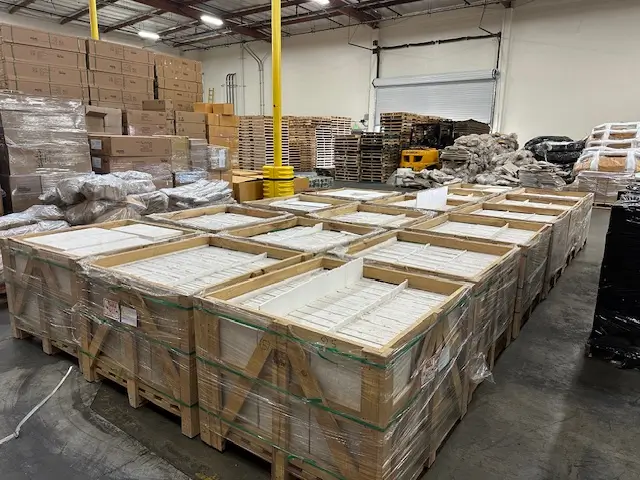
Warehouse availability verification before finalizing specifications prevents project delays. You should confirm that your specified materials can be delivered within project timelines, particularly for projects scheduled during peak construction season (October through April in Gilbert). Lead times from warehouse locations can extend to 3-4 weeks for specialty flagstone varieties during high-demand periods.
Citadel Stepping Stones in Arizona — Professional Specification Approach
When you evaluate options for stepping stones in Arizona, you’re comparing natural materials against manufactured alternatives designed specifically for desert performance. At Citadel Stone, we provide guidance for hypothetical applications across Arizona’s diverse climate zones. This section outlines how you would approach specification decisions for three representative cities in the greater Phoenix metropolitan area.
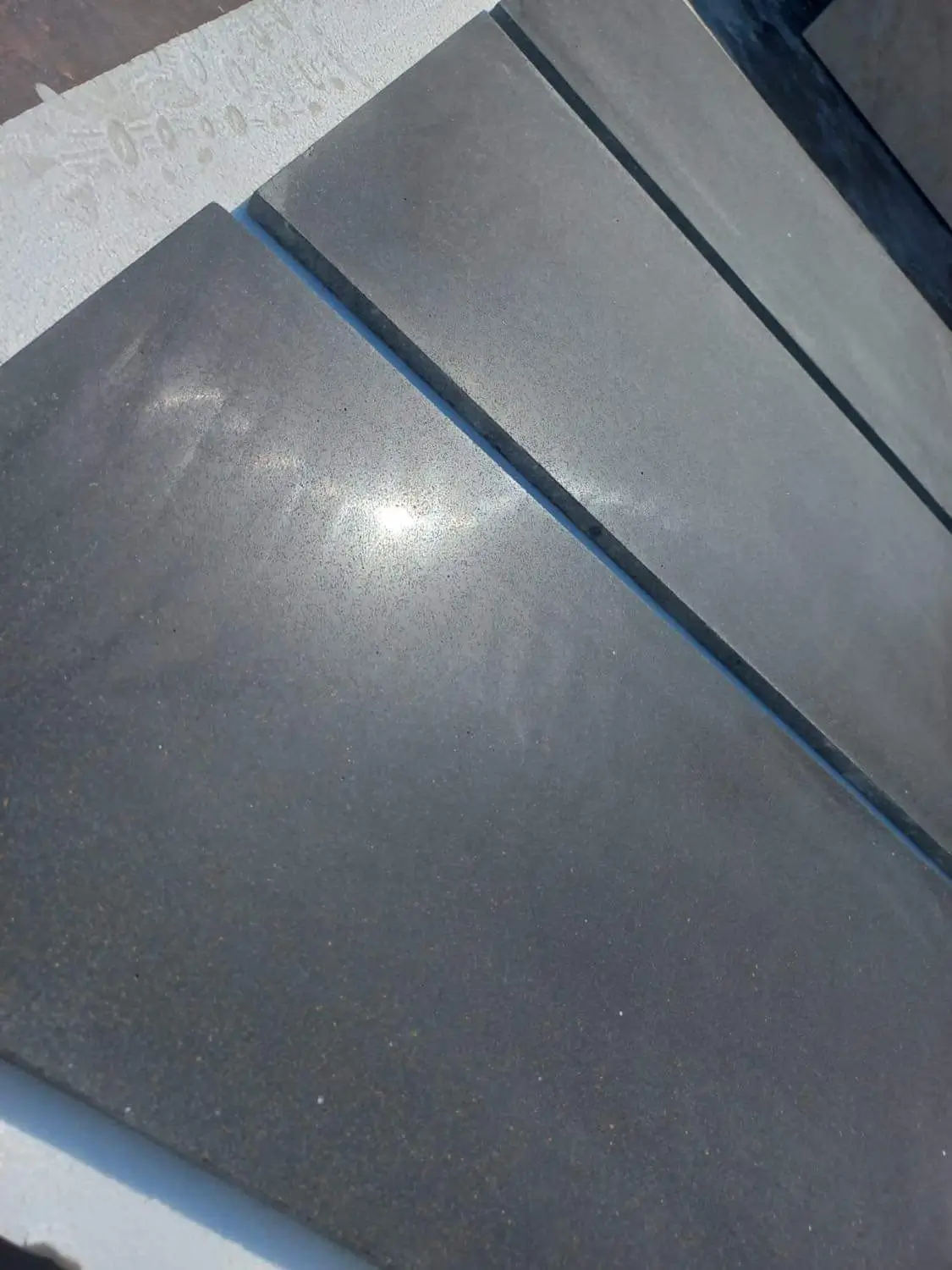
Your material selection would prioritize thermal stability, UV resistance, and alkaline soil compatibility. Arizona’s extreme conditions require you to verify that specifications address peak performance demands, not just average conditions. The hypothetical scenarios below demonstrate how regional climate variations within Arizona affect specification requirements.
Chandler Applications
In Chandler installations, you would account for the area’s rapid development and relatively newer soil disturbance patterns. Your base preparation would need to address recently graded lots where natural soil consolidation hasn’t occurred. You’d typically specify 8-inch base depth with geotextile fabric separation between native soil and base aggregate to prevent mixing during the initial settlement period. Chandler’s urban heat island effect elevates ambient temperatures 3-5°F above surrounding areas, which means your material selections would need enhanced thermal performance characteristics. You should verify warehouse inventory for light-colored options that maintain lower surface temperatures in these elevated ambient conditions.
Tempe Considerations
Your Tempe installations would address the city’s established neighborhoods with mature landscape integration requirements. You’d work around existing irrigation systems and root zones from established trees, which affects excavation depth and base preparation methods. The proximity to Salt River bottom areas means some Tempe locations have different soil compositions than typical Gilbert profiles, with higher clay content that requires adjusted drainage specifications. You would need to accommodate seasonal water table fluctuations in low-lying areas, potentially requiring subsurface drainage systems that aren’t necessary in higher-elevation Gilbert locations. Material specifications would emphasize slip resistance for areas that may experience occasional standing water during monsoon events.
Surprise Project Planning
Surprise installations present logistical considerations related to the city’s northwest valley location and newer development patterns. Your specifications would account for truck access to developing neighborhoods where street improvements may not be complete. You’d need to coordinate warehouse deliveries during specific construction phases when site access is optimal. Surprise’s slightly lower elevation and increased distance from urban core create marginally cooler summer temperatures (2-3°F difference), but you’d still specify materials meeting full desert performance standards. The area’s newer construction means you’d work with engineered fill soils rather than undisturbed native material, requiring verification of engineered soil compaction before beginning base preparation. At Citadel Stone, our technical team would recommend additional attention to subsurface stability verification in these newer development areas.
Color Stability Long-Term
Flagstone stepping stones Gilbert color appearance changes over time due to UV exposure, weathering, and surface deposits. You need to understand these changes and communicate realistic expectations to clients before installation. The color shift between freshly installed stone and 5-year weathered appearance can be substantial enough that property owners perceive it as material failure if they weren’t properly informed.
UV degradation affects different flagstone varieties at different rates. Sedimentary flagstones with iron oxide coloring typically show 15-25% color lightening over 3-5 years of Gilbert sun exposure. Metamorphic varieties with mineral coloring remain more stable, showing only 5-10% shift over the same period. When you specify materials for natural flagstone walkways where color consistency is critical, you should select varieties known for UV stability and include weathered sample review in your specification process.
Surface deposits from irrigation water, dust accumulation, and atmospheric particulates create patina that affects apparent color. In Gilbert desert landscaping applications, airborne dust settles on horizontal surfaces and creates a tan-beige overlay on darker stones. You can remove this through periodic cleaning, but you should inform clients that the patina will redevelop within weeks. Some property owners prefer the weathered appearance, while others want to maintain the original coloring through regular maintenance.
Slip Resistance Management
Your slip resistance specifications for flagstone stepping stones Gilbert installations must account for both dry and wet conditions, even though Gilbert’s low rainfall means wet surfaces are infrequent. When monsoon storms do occur, the combination of dust accumulation and sudden rainfall creates particularly slippery conditions for the first 15-20 minutes until surface contaminants wash away.
Flagstone surface finish determines slip resistance characteristics more than stone variety. Cleft surface (natural split face) typically provides DCOF ratings of 0.52-0.62 when dry and 0.38-0.48 when wet. Sawn surfaces rate lower at 0.42-0.52 dry and 0.28-0.38 wet. Thermal finished surfaces fall between these ranges. You need to specify surface finish based on expected wet-condition exposure and user population risk factors.
The relationship between slip resistance and barefoot comfort creates competing requirements for residential applications. Heavily textured surfaces that provide excellent slip resistance can be uncomfortable for barefoot traffic, which is common around residential pool decks and patio areas. You should balance these requirements by specifying cleft surfaces with moderate texture depth (1/16″ to 3/32″) that provide adequate slip resistance without excessive surface roughness.
Cost Performance Analysis
When you evaluate irregular stone paths Arizona installation costs, you need to account for the complete project lifecycle, not just initial material and installation expenses. Flagstone stepping stones Gilbert projects typically range from $18-32 per square foot installed, depending on material selection, site conditions, and installation complexity.
Material costs represent 35-45% of total installed cost for typical residential projects. Natural flagstone varies from $8-18 per square foot depending on variety, thickness, and finish. You’ll pay premium prices for larger format stones (24+ inches) and uniform thickness materials. Base materials, edge restraint, and joint fill add $3-5 per square foot. Labor for proper installation represents the remaining 55-65% of project cost.
Long-term performance economics favor properly specified and installed flagstone over budget alternatives. When you calculate 25-year lifecycle costs including maintenance and eventual replacement, higher-quality flagstone installed with proper base preparation costs 30-40% less than economy options that require replacement after 12-15 years. Your cost analysis should include maintenance intervals, expected service life, and replacement costs to provide accurate project economics.
Project Timeline Factors
Your project schedule for flagstone stepping stones Gilbert installations should account for seasonal constraints, material lead times, and installation weather windows. Gilbert’s climate creates specific timing considerations that affect project success and installation quality.
Summer installations (June through September) present challenges from extreme temperatures. You can install flagstone during summer months, but you need to schedule work for early morning hours (starting before 7 AM) to complete setting before temperatures reach 100°F. Afternoon temperatures make both manual labor uncomfortable and affect material performance — setting bed compaction and joint material placement work poorly in extreme heat. You should factor these timing constraints into labor cost estimates, as early-morning work often carries premium rates.
Optimal installation windows occur October through April when temperatures remain moderate. You’ll achieve best results during November through February when daily highs stay below 80°F and rain events are infrequent. Your project schedule should target these months for installation, with material ordering 4-6 weeks in advance to ensure availability. For projects requiring warehouse stock verification, you need to add lead time for supplier confirmation before finalizing installation schedules.
Final Considerations
Your specification process for flagstone stepping stones Gilbert installations requires balancing thermal performance, material durability, installation quality, and budget constraints. Each decision affects long-term performance and client satisfaction. You should approach specifications systematically, verifying that each element addresses Gilbert’s specific desert conditions rather than relying on generic standards developed for different climates. When you coordinate warehouse deliveries and truck access for material shipments, confirm timing aligns with your installation schedule and crew availability. For additional guidance on related paving configurations, review Comparing geometric shapes for desert pathway stone installations before you finalize your project specifications. Our manufactured stepping stones in Arizona are resistant to fading from the intense sun.