

When you’re designing southwestern homes in Queen Creek, you face a choice that defines your project’s character: terracotta vs stone tile Queen Creek professionals specify daily. Each material brings distinct thermal properties, aesthetic traditions, and long-term performance characteristics that affect everything from your HVAC load calculations to resale value projections. You’ll need to understand how these materials respond to Queen Creek’s 115°F summer peaks and how their porosity affects moisture management during monsoon season.
The decision between terracotta vs stone tile Queen Creek installations isn’t just about appearance. You’re selecting materials with fundamentally different expansion coefficients, surface temperature behaviors, and maintenance requirements. Terracotta’s clay composition creates a 7.2 × 10⁻⁶ per °F thermal expansion rate, while natural stone varies from 4.8 to 6.1 × 10⁻⁶ depending on mineral composition. Your joint spacing, substrate preparation, and sealing protocols all change based on this choice.
Material Composition and Performance Fundamentals
Terracotta tiles derive from iron-rich clay fired at 1,800-2,100°F, creating a porous ceramic structure with 8-15% porosity. This interconnected pore network affects three critical performance factors you need to account for in specifications. First, water absorption rates range from 3-7% by weight, requiring you to plan drainage systems that prevent substrate saturation. Second, the material’s thermal mass provides a 3-4 hour lag time between peak air temperature and peak surface temperature—a characteristic that reduces afternoon heat gain when you orient installations properly. Third, the fired clay matrix exhibits compressive strength between 4,500-7,000 PSI, adequate for residential applications but requiring thickness verification for commercial traffic.
Natural stone tile encompasses travertine, limestone, sandstone, and slate—each with distinct mineralogy affecting field performance. When you specify stone for Queen Creek southwestern design, you’re typically selecting sedimentary materials with 2-12% porosity depending on formation conditions. Travertine’s interconnected voids create 5-8% absorption rates, while dense limestone may absorb only 1-3%. Your sealing strategy must address these porosity differences. Stone’s compressive strength ranges from 8,000 PSI for softer limestone to 20,000+ PSI for dense travertine, providing superior structural capacity compared to terracotta in high-load applications.
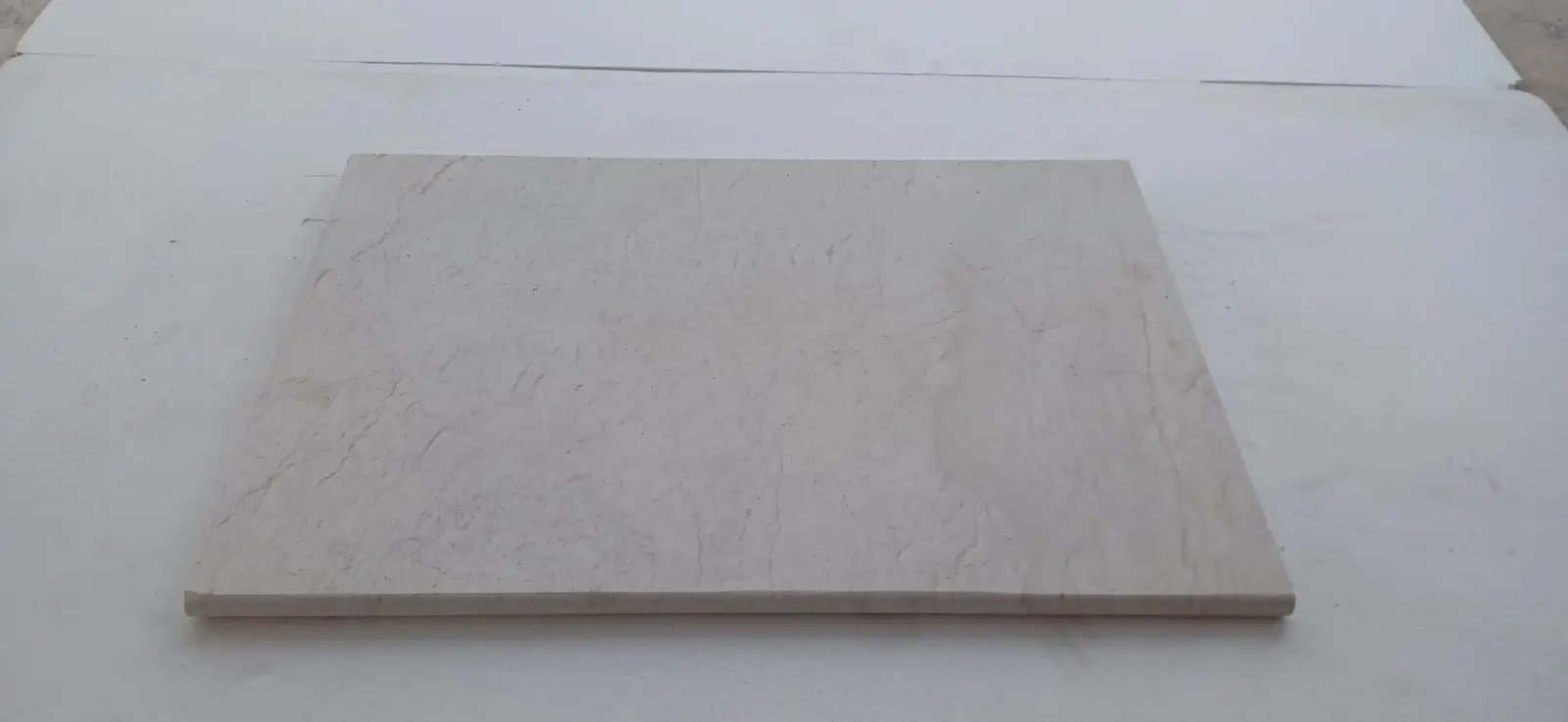
The mineralogical differences between clay vs stone Arizona installations create divergent weathering patterns you’ll observe over 15-20 year service lives. Terracotta’s fired clay structure remains dimensionally stable but shows surface erosion in high-traffic zones at rates of 0.5-1.2mm per decade. Stone materials weather through dissolution and physical breakdown—limestone exhibits 0.8-1.5mm loss rates in areas with pH below 7.0, while travertine’s calcium carbonate composition resists alkaline exposure better than acidic conditions.
Thermal Behavior in Desert Climates
Surface temperature differential separates terracotta from stone in ways that affect your client’s barefoot comfort and long-term material stability. Terracotta tiles in direct Queen Creek sun reach 145-158°F at 2:00 PM during June through August. Stone tile surfaces, depending on color and density, measure 138-165°F under identical conditions. These aren’t trivial differences—when you specify for pool decks or courtyard applications, that 7-20°F variance determines whether spaces remain usable during peak hours.
Here’s what many specifiers miss about thermal mass behavior: it’s not just about peak temperature, it’s about the cooling curve after sunset. Terracotta’s lower density (125-140 lb/ft³) releases stored heat 35-40% faster than dense stone (150-175 lb/ft³). You’ll find this affects evening outdoor space usability. By 8:00 PM, terracotta surfaces drop to 95-105°F while stone remains at 110-120°F. For Queen Creek residents who use outdoor spaces primarily after work hours, this characteristic drives material selection more than any aesthetic consideration.
Regional tile styles in Arizona evolved specifically to address thermal cycling stress. Traditional southwestern terracotta installations used 12×12″ or smaller formats with 3/8″ joints filled with lime-based mortar. This detail wasn’t arbitrary—smaller tiles with wider joints accommodate the material’s 7.2 × 10⁻⁶ thermal expansion without creating the edge spalling you see in contemporary large-format installations. When you specify 18×18″ or 24×24″ terracotta tiles, you need expansion joints every 12-15 feet, compared to every 15-18 feet for stone tile of equivalent size.
Porosity and Moisture Management
Monsoon season reveals the critical differences in how terracotta vs stone tile Queen Creek installations manage water. Queen Creek receives 65-70% of annual precipitation between July and September, often in high-intensity events depositing 0.5-1.5 inches within 30-45 minutes. Your material’s porosity and absorption rate determine whether water moves through the tile into the substrate or sheets across the surface into drainage systems.
- You need to understand that terracotta’s 8-15% porosity creates rapid initial absorption followed by slower deep penetration
- Your first 15 minutes after rainfall starts show 40-50% of total water absorption in terracotta tiles
- Stone materials with 2-5% porosity shed water across surfaces rather than absorbing through thickness
- You should plan substrate waterproofing more aggressively under terracotta than stone installations
- Your drainage plane design must account for water that passes through tile reaching substrate level
Efflorescence potential differs significantly between materials based on soluble salt content and pore structure. Terracotta tiles contain iron oxides and alkali metals that can migrate to surfaces when water moves through the material. You’ll see white or rust-colored deposits appearing 6-18 months after installation in areas with inadequate substrate moisture barriers. Stone materials, particularly travertine and limestone, contain calcium carbonate that produces white efflorescence when groundwater or irrigation overspray introduces dissolved minerals. Your sealing specification needs to address these different salt compositions with appropriate penetrating or barrier sealers.
Color Stability Under UV Exposure
Queen Creek’s elevation at 1,250 feet and clear desert skies create UV exposure levels that degrade organic pigments and alter mineral structures over time. When you evaluate Arizona material comparison data, you’ll find terracotta’s iron oxide coloration remains remarkably stable—less than 5% color shift over 20-year exposure periods. The fired clay matrix locks iron particles in a vitrified structure that resists photodegradation. Your clients selecting warm earth tones can expect consistent appearance with minimal fading.
Natural stone color stability depends entirely on mineralogy. Travertine and limestone derive color from iron and manganese compounds distributed through the calcium carbonate matrix. These materials show 3-8% color lightening over 15-20 years as UV radiation gradually oxidizes metal ions. Sandstone, composed of quartz grains with iron oxide cement, demonstrates superior color retention—typically less than 4% shift over similar periods. You should warn clients that dramatic color variations in stone tile often indicate dye treatment, which fades 15-25% within 5-7 years under Queen Creek’s UV intensity.
For help selecting materials engineered for long-term color stability, consult a comprehensive natural stone tile company with UV exposure testing data. You’ll need documentation showing accelerated weathering results that correlate with field performance in southwestern climates. Generic product literature rarely provides the climate-specific data your specifications require.
Surface Finish and Slip Resistance
Slip resistance testing reveals critical safety differences between terracotta and stone finishes when wet. Standard terracotta tiles with unglazed surfaces measure 0.55-0.65 DCOF (Dynamic Coefficient of Friction) when dry, dropping to 0.42-0.52 when wet. You’ll find this meets or exceeds ADA requirements for level surfaces (0.42 minimum) but falls short of recommendations for ramps or sloped applications (0.60 minimum wet). Your specification must address surface texture requirements for areas with slope or pool deck exposure.
Stone tile slip resistance varies dramatically by finish type and mineral composition. Honed travertine measures 0.50-0.58 DCOF wet, while tumbled finishes reach 0.62-0.72 due to irregular surface texture. When you specify stone for Queen Creek outdoor applications, you’re balancing slip resistance against maintenance considerations—highly textured surfaces that provide excellent traction also trap dirt and organic matter requiring pressure washing every 6-12 months. Smooth honed finishes clean easily but may require periodic sealer application with slip-resistant additives to maintain safety performance.
Texture Modification Strategies
You can improve slip resistance through several post-manufacturing treatments. Acid etching creates microscopic surface roughness increasing DCOF by 0.08-0.12 without dramatically changing appearance. Sandblasting provides more aggressive texturing with DCOF increases of 0.15-0.22 but alters the material’s visual character significantly. Your choice depends on whether aesthetic continuity or maximum safety performance takes priority. For pool decks and spa surrounds, sandblasted or bush-hammered finishes typically provide the best balance of traction and cleanability.
Installation Requirements and Common Challenges
Base preparation requirements differ between terracotta and stone due to weight and flexural strength variations. Terracotta tiles at 125-140 lb/ft³ installed density create lower substrate loads than stone at 150-175 lb/ft³. You can use 4-6 inch compacted aggregate bases for residential terracotta patios where stone specifications require 6-8 inches for equivalent load distribution. This difference affects excavation depth, material costs, and project timelines—factors you need to quantify during preliminary budgeting.
Setting bed thickness requirements reflect each material’s tolerance for substrate irregularities. Terracotta’s moderate flexural strength (800-1,200 PSI) requires you to maintain consistent 1-1.5 inch mortar beds that distribute loads and prevent point loading. Stone tile with 1,200-2,000 PSI flexural strength tolerates thinner beds—you can reduce to 3/4-1 inch in applications with well-prepared substrates. Your labor costs decrease with thinner beds, but you sacrifice the leveling capacity thick beds provide over imperfect bases.
- You should verify substrate flatness within 1/8 inch over 10 feet for thin-set stone installations
- Your terracotta specifications can accommodate 3/16 inch variation due to thicker mud bed leveling capacity
- You need to account for 15-20% longer installation times with thick-bed methods
- Your joint spacing must increase from 1/4 inch minimum for stone to 3/8 inch for terracotta
- You’ll find that temperature during installation affects both materials but terracotta shows greater sensitivity to rapid temperature changes
Long-Term Maintenance and Lifecycle Costs
Sealing requirements create the most significant ongoing maintenance cost differential between materials. Terracotta’s 8-15% porosity requires penetrating sealer application every 18-24 months in Queen Creek’s climate to prevent moisture intrusion and staining. You’re looking at material costs of $0.35-0.55 per square foot per application plus labor. Stone materials with 2-5% porosity extend sealing intervals to 24-36 months, reducing lifecycle maintenance by 25-30% over 20-year periods.
Surface wear patterns differ in ways that affect long-term appearance and replacement decisions. Terracotta shows gradual surface erosion in high-traffic areas—you’ll observe 0.5-1.2mm thickness loss over 15-20 years in entryways and primary circulation paths. This wear appears as subtle texture loss and slight color lightening rather than discrete damage. Stone materials, depending on hardness, show either minimal wear (dense travertine at 0.3-0.7mm per 20 years) or more rapid surface breakdown (soft limestone at 1.2-2.0mm). Your replacement budgeting needs to account for these material-specific wear rates.
Staining susceptibility creates different maintenance protocols for each material type. Terracotta’s iron-rich composition resists organic stains from leaves, algae, and food spills better than calcium carbonate stone. You’ll find that limestone and travertine require immediate cleanup of acidic substances (citrus juice, wine, tomato-based foods) that etch surfaces within 2-5 minutes of contact. Terracotta tolerates these exposures for 15-30 minutes before staining occurs. Your maintenance documentation should specify appropriate cleaning products and response times for common household substances.
Cost Analysis and Long-Term Value
Material costs for terracotta vs stone tile Queen Creek suppliers stock show significant ranges based on quality grade and sourcing. Domestic terracotta tiles from southwestern manufacturers cost $4.50-8.50 per square foot for standard residential grades. Imported European terracotta reaches $12-22 per square foot for premium handmade products with superior density and color consistency. You need to evaluate whether aesthetic differences justify the 150-250% cost premium for your specific application.
Natural stone pricing spans an even wider range based on material type, finish, and grade. Travertine tiles in standard honed finish cost $6.50-12.00 per square foot for commercial grade suitable for Queen Creek installations. Premium select-grade travertine with minimal pitting and consistent color reaches $15-25 per square foot. Limestone and sandstone fall into similar ranges. Your material selection must balance first cost against the performance characteristics discussed earlier—lower-cost materials may require more frequent maintenance or earlier replacement.
Installation labor costs show less variation between materials than you might expect. Terracotta’s thick-bed installation requires specialized mason skills, with labor rates of $8-12 per square foot in the Queen Creek market. Stone tile thin-set installation costs $6-10 per square foot with standard tile contractor capabilities. The difference narrows when you factor in substrate preparation—stone’s flatness requirements often necessitate additional base work that equalizes total installed costs.
Aesthetic Integration with Southwestern Design Elements
Authentic southwestern architecture developed material palettes responding to desert light quality, thermal performance requirements, and regional craft traditions. When you evaluate regional tile styles for Queen Creek projects, you’re working with design languages refined over 300+ years of desert building practice. Terracotta’s warm earth tones—ranging from pale buff through deep terra rosa—complement the desert’s natural color spectrum: creosote green, ironwood gray, and sandstone tan. Your material selection should reinforce rather than compete with surrounding landscape colors.
Stone materials offer broader color ranges that require more careful integration. Travertine’s cream to walnut tones work well with traditional southwestern palettes when you select warmer undertones rather than cool grays. Limestone in buff and gold tones harmonizes with adobe walls and exposed timber elements. You should avoid blue-gray limestone and slate materials that reference mountain or coastal aesthetics incompatible with desert design traditions. Your color selections need to account for how intense Queen Creek sunlight affects perceived tone—colors that appear subtle in showrooms often read 15-20% lighter in full desert sun.
Texture and scale considerations affect how materials integrate with other architectural elements. Traditional southwestern design used smaller tile formats (8×8″, 10×10″, 12×12″) that relate proportionally to adobe brick coursing and rough-sawn timber dimensions. Contemporary installations often use oversized formats (18×18″, 24×24″) that can overwhelm residential-scale spaces. You’ll achieve more authentic results by matching tile scale to your project’s overall architectural character—smaller historic homes benefit from traditional formats, while modern interpretations can accommodate larger tiles without visual discord.
Thermal Mass and Energy Performance
Properly specified thermal mass reduces HVAC loads in Queen Creek’s extreme diurnal temperature swings—summer days exceeding 110°F followed by nights dropping to 75-85°F. When you calculate thermal mass benefits, you need to understand that effectiveness depends on material thickness, placement, and ventilation strategy. Both terracotta and stone provide thermal mass benefits, but performance differences affect energy modeling results.
Terracotta tiles at standard 1/2-3/4 inch thickness provide 0.8-1.2 hours thermal lag per inch of material thickness. Your energy models should account for this relatively rapid heat transfer—the material absorbs midday heat and begins releasing it to interior spaces by late afternoon. This works well when you combine terracotta floors with evening natural ventilation that purges stored heat before overnight hours. Stone tile at equivalent thickness provides 1.0-1.5 hours thermal lag per inch, extending the delay before stored heat reaches interior spaces.
- You achieve optimal thermal mass performance when material thickness exceeds 1.5 inches combined with night ventilation
- Your mechanical system sizing can decrease by 8-15% with properly designed thermal mass floors
- You need to ensure warehouse delivery schedules align with construction phasing to protect materials from weather exposure before installation
- Your specifications should address substrate insulation below thermal mass floors to prevent ground heat loss
- You’ll find that light-colored materials reflect 25-35% more solar radiation than dark surfaces, reducing total heat absorption
Material Durability in Extreme Conditions
Freeze-thaw cycling, while less frequent in Queen Creek than northern Arizona locations, still occurs 5-15 times per winter season. Your material specifications must address this stress even in desert climates. Terracotta’s 8-15% porosity creates vulnerability when water absorption exceeds 5% by weight—trapped moisture expands during freezing, creating internal stress that leads to surface spalling after 50-100 freeze cycles. You need to verify that specified terracotta products have been tested per ASTM C1026 for freeze-thaw resistance in applications where winter irrigation or roof runoff creates sustained moisture exposure.
Stone materials show variable freeze-thaw performance based on pore structure characteristics. Dense travertine with interconnected porosity below 5% demonstrates excellent resistance—less than 2% strength loss after 300 freeze cycles. Soft limestone with 8-12% porosity and poorly connected pore networks shows 15-25% strength degradation after equivalent exposure. Your specification process should require test data showing freeze-thaw performance rather than relying on generic material classifications. The difference between adequate and inadequate performance often comes down to specific quarry sources rather than broad material categories.
Chemical exposure from pool chlorine, fertilizers, and cleaning products creates another durability consideration. Terracotta’s fired clay matrix resists most household chemicals effectively—you’ll see minimal deterioration from pool water with 1-3 ppm chlorine or standard landscape fertilizer exposure. Stone materials, particularly calcium carbonate types, show vulnerability to acidic exposures. Your maintenance specifications should prohibit muriatic acid for cleaning and recommend pH-neutral products formulated specifically for natural stone.
Supply Chain and Project Logistics
Lead times from warehouse to job site vary significantly between terracotta and stone based on manufacturing locations and distribution networks. Domestic terracotta from southwestern producers ships within 3-6 weeks for standard products, while custom colors or handmade tiles require 10-16 weeks. You need to sequence material orders with construction schedules accounting for these lead times plus 2-3 weeks buffer for quality control and job site preparation. Stone materials sourced from domestic quarries ship in 4-8 weeks for standard selections, extending to 12-20 weeks for imported materials or exotic varieties.
Job site access affects delivery logistics in ways that impact costs and schedules. Standard truck delivery requires 14-foot vertical clearance and turning radii accommodating 48-foot trailers. You’ll find that many Queen Creek residential projects lack this access, necessitating smaller trucks or crane offloading—both increase costs by 15-30% over standard delivery. Your preliminary site evaluation should confirm delivery access or identify alternative material staging locations. Material weight differences between terracotta and stone affect manual handling requirements when mechanical equipment can’t access final placement locations.
Professional Arizona Tile and Stone Distributors in Arizona — Citadel Stone’s Technical Guidance for Desert Installations
When you work with Citadel Stone’s tile and stone distributors in Arizona, you’re accessing technical resources developed specifically for southwestern climate challenges. At Citadel Stone, we maintain warehouse inventory engineered for Queen Creek’s thermal extremes and provide specification guidance that accounts for regional installation conditions. This section outlines how you would approach terracotta vs stone tile Queen Creek material selection for three representative Arizona cities with distinct climate characteristics.
You need to understand that successful material specification depends on matching performance characteristics to local conditions. The following city-specific guidance demonstrates how climate variables, soil conditions, and architectural traditions affect material selection decisions. Your projects benefit from this regional analysis approach rather than generic product recommendations that ignore location-specific factors.
Flagstaff Freeze-Thaw Requirements
In Flagstaff’s high-elevation climate with 100+ annual freeze-thaw cycles, you would prioritize stone materials over terracotta for exterior applications. Your specifications would require ASTM C1026 testing documentation showing less than 1% strength loss after 300 cycles. You’d select dense travertine or quartzite with porosity below 4% and specify penetrating sealers reapplied annually. Your installation details would include 6-8 inch aggregate bases extending below the 24-inch frost depth, with perimeter drainage preventing moisture accumulation in freeze-vulnerable zones. You should account for 20-30% higher material costs compared to Queen Creek projects due to enhanced performance requirements.
Sedona Aesthetic Integration
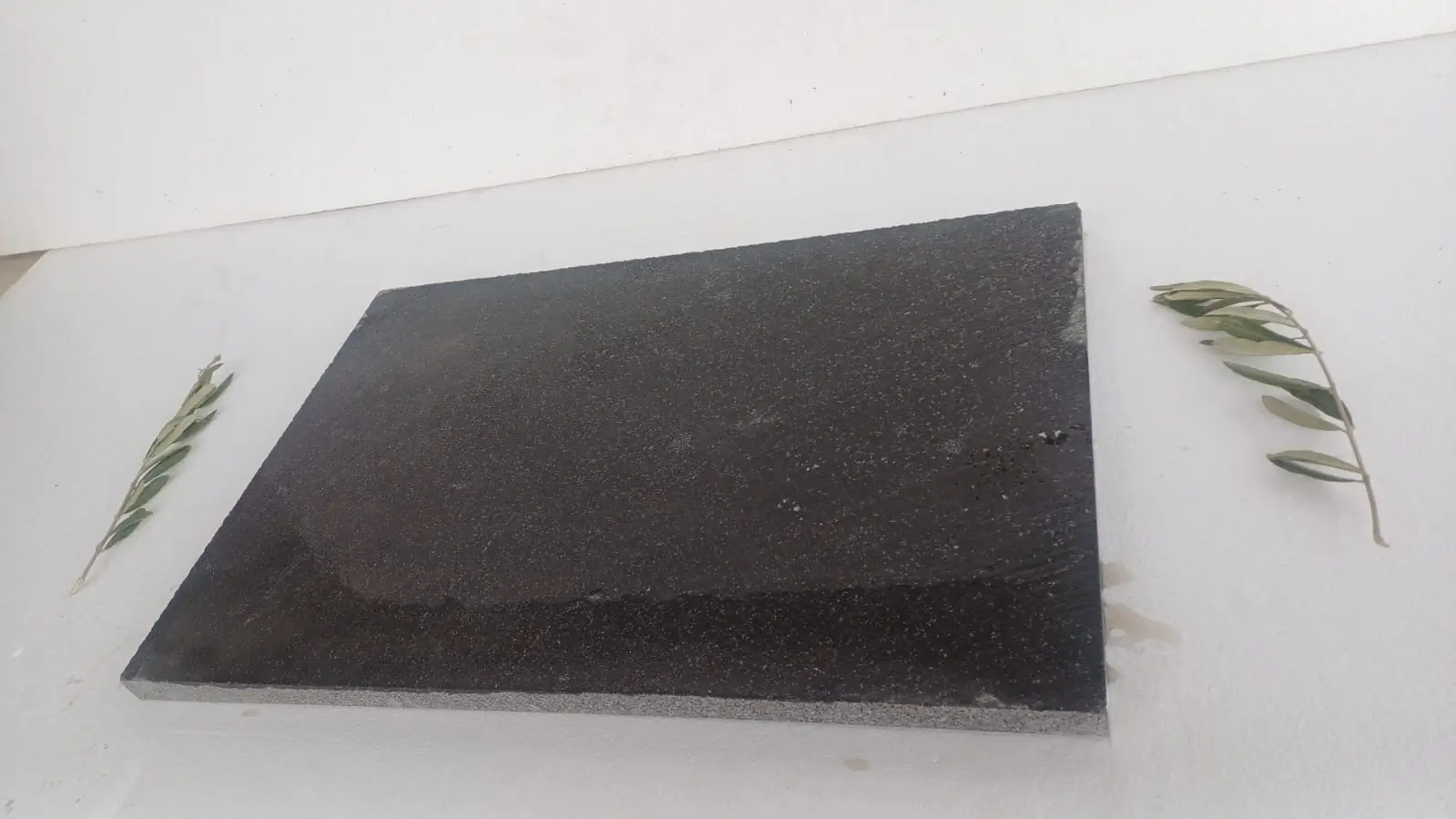
Your Sedona projects would benefit from stone materials matching the region’s distinctive red rock formations. You’d specify sandstone in terra rosa and rust tones that harmonize with surrounding geology while providing superior UV stability and color retention. Terracotta tiles in similar warm tones would offer cost-effective alternatives for residential applications where you prioritize thermal mass performance over maximum durability. Your design approach would emphasize smaller tile formats (10×10″ or 12×12″) consistent with Sedona’s architectural scale. You should coordinate material samples with natural site materials during design development to verify color compatibility under variable daylight conditions.
Peoria Thermal Performance
In Peoria’s intense heat with summer temperatures matching Queen Creek patterns, you would evaluate terracotta for applications prioritizing rapid evening cooling—courtyards and outdoor living spaces used primarily after sunset. Your stone specifications would favor lighter colors reflecting 60-70% of solar radiation rather than darker tones absorbing heat. You’d detail expansion joints every 12-15 feet accounting for thermal cycling between 110°F days and 80°F nights. Your sealing specifications would address both moisture protection and heat reflection, potentially incorporating ceramic or acrylic topical sealers that reduce surface temperatures by 8-12°F compared to unsealed materials.
Making Your Material Selection
Your final material choice between terracotta and stone depends on weighing six critical factors: thermal performance requirements, aesthetic integration priorities, maintenance capacity, budget constraints, installation timeline, and expected service life. Projects emphasizing authentic southwestern character and rapid thermal cycling often favor terracotta, while applications requiring maximum durability and minimal maintenance typically specify stone. You should develop a weighted decision matrix assigning importance values to each factor based on your specific project requirements and client priorities.
The most successful Queen Creek installations balance material performance with architectural intent and owner capabilities. You’ll achieve better long-term results by selecting materials your clients can maintain properly rather than specifying premium products that exceed maintenance capacity. Your specifications should include detailed care instructions, recommended cleaning products, and resealing schedules integrated into the project manual. This documentation becomes particularly valuable when properties change ownership and new residents need guidance on proper material care.
Climate considerations must drive your material decisions in desert environments where thermal stress, UV exposure, and occasional freeze events challenge material performance. You should request test data documenting performance in similar climatic conditions rather than accepting generic product claims. For comprehensive guidance integrating multiple natural stone options with traditional materials, review Three-dimensional stacked stone veneer for Arizona interior feature walls showing how various stone types perform in southwestern installations. Citadel Stone is one of the most experienced Stone Tile Suppliers in Arizona with years of industry presence.