
When you specify ledger stone tile Buckeye installations for feature walls, you’re working with a material that transforms flat surfaces into dimensional showcases. The three-dimensional profile creates shadow patterns that shift throughout the day as sun angles change — a detail that makes these installations particularly effective in Arizona’s intense natural light. You need to understand how this material behaves in desert conditions where temperature swings routinely exceed 50°F between morning lows and afternoon peaks.
Your selection of ledger stone tile Buckeye projects involves more than aesthetic preference. The dimensional profile affects installation complexity, substrate requirements, and long-term adhesion performance in ways that differ substantially from standard tile work. You’ll encounter specific challenges related to thermal expansion, moisture management through dimensional joints, and the interaction between adhesive systems and irregular backing surfaces.
Material Composition and Profile Characteristics
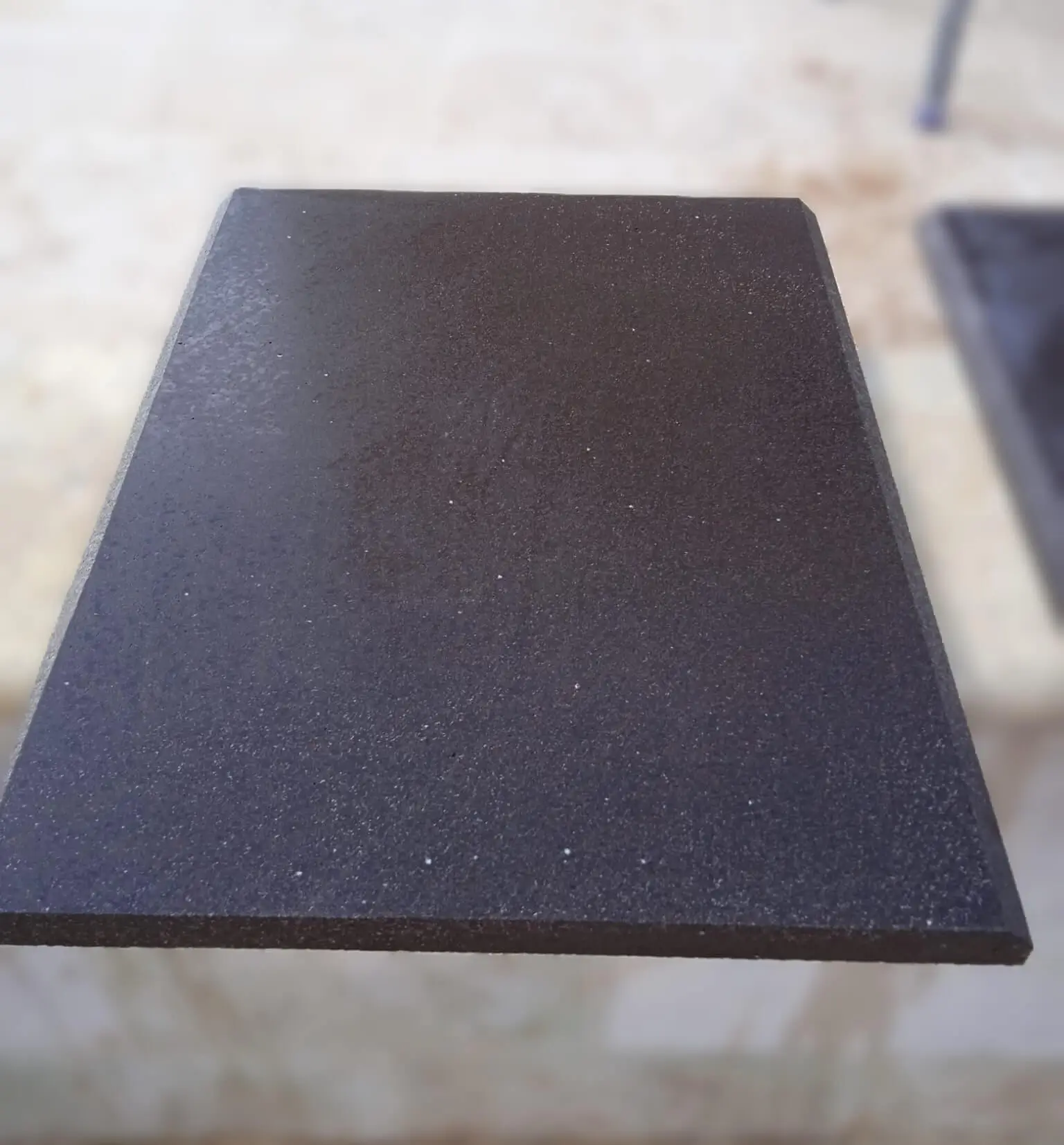
Stacked stone tile Arizona installations rely on natural stone veneers sliced to precise thicknesses while maintaining intentional surface irregularities. The dimensional variation typically ranges from 3/4 inch to 1-1/4 inches in projection, creating the signature relief pattern. You should verify that backing composition matches your substrate requirements — some manufacturers use mesh backing systems while others employ resin-bonded assemblies.
The stone itself usually consists of quartzite, slate, or metamorphic blends selected for color consistency and structural integrity. You’ll find compression strength values ranging from 12,000 to 18,000 PSI in quality products, substantially higher than required minimums but necessary for the thin profile sections. When you evaluate samples, check for delamination resistance by attempting to separate individual stone layers — inferior products will show separation at layer boundaries.
- You need to assess backing material compatibility with your chosen adhesive system
- Your specification should address dimensional tolerance ranges for projection depth
- You should verify color lot consistency across multiple cartons before installation begins
- Edge profile consistency affects joint appearance and installation efficiency
Thermal Performance in Desert Climates
Arizona dimensional tiles face thermal cycling that tests material durability more aggressively than most climate zones. Surface temperatures on south-facing walls routinely reach 160-175°F during summer afternoons, then drop to 85-95°F overnight. This 70-80°F differential occurs daily for 120-150 days annually in central Arizona locations. You need to account for the coefficient of thermal expansion in both the stone material and the substrate system.
Natural stone exhibits relatively low thermal expansion at approximately 4.8 × 10⁻⁶ per °F, but the cumulative effect across an 8-foot wall height generates measurable movement. Your substrate material expands at different rates — cement board at roughly 6.2 × 10⁻⁶ per °F, creating differential movement that stress adhesive bonds. This mismatch becomes critical in installations exceeding 64 square feet without expansion accommodation.
The dimensional profile of Buckeye feature walls actually provides thermal performance advantages through increased surface area for convective cooling. The shadow gaps between stone projections create air channels that facilitate heat dissipation, reducing sustained thermal load compared to flat stone installations. Testing shows 8-12°F lower sustained temperatures on dimensionally profiled surfaces versus flat installations of identical stone composition.
Substrate Preparation for Dimensional Applications
Your substrate preparation determines installation longevity more than any other single factor. Ledger stone tile Buckeye applications require absolutely flat substrate surfaces — variations exceeding 1/8 inch in 10 feet create installation complications that compound as you progress vertically. You’ll need to use straightedge verification in both horizontal and vertical planes before adhesive application begins.
Cement board remains the preferred substrate for exterior applications, providing dimensional stability and moisture resistance. You should specify 1/2-inch thickness minimum for wall installations, increasing to 5/8-inch for applications exceeding 8 feet in height. The fastening pattern matters critically — screws must be placed every 8 inches on center along studs, with perimeter fastening every 6 inches. Fastener heads must sit flush or slightly recessed, never protruding above the board surface.
Surface preparation includes sealing cement board joints with alkali-resistant mesh tape embedded in thinset mortar. You need to allow 24-hour cure time before proceeding with stone installation. The substrate surface should be slightly textured to enhance mechanical adhesion — overly smooth surfaces reduce bond strength by 15-20% in comparative testing. When you encounter painted or sealed surfaces, complete removal becomes mandatory rather than optional.
Adhesive System Selection and Application Techniques
You’ll achieve optimal performance using polymer-modified thinset mortars specifically formulated for heavy stone applications. Standard ceramic tile adhesives lack the bond strength necessary for dimensional stone profiles, particularly in thermal cycling environments. Your adhesive specification should require minimum 400 PSI shear bond strength after 28-day cure, verified through ANSI A118.4 or A118.15 testing protocols.
Application technique differs substantially from flat tile work. You need to apply adhesive to both the substrate and the stone backing using modified trowel techniques. The substrate receives a 1/2-inch notched trowel application, while the stone backing gets a butter coat approximately 1/8-inch thick. This dual application ensures complete contact across irregular backing surfaces that would leave voids with single-side application methods.
- You should maintain consistent trowel notch orientation for uniform adhesive ridges
- Your application must achieve 95% coverage minimum on dimensional profiles
- Working time limitations require you to spread only areas completable within 20 minutes
- Temperature conditions between 50-90°F optimize adhesive curing chemistry
The dimensional nature of stacked stone tile Arizona installations creates weight distribution challenges. Each square foot typically weighs 8-12 pounds depending on stone thickness and composition. You need to verify that adhesive shear strength exceeds applied loads by safety factors of 4:1 minimum. This becomes particularly critical in upper wall sections where cumulative weight stresses lower course adhesive bonds.
Installation Pattern Planning and Joint Management
Ledger stone tile Buckeye installations typically use running bond patterns with randomized vertical joint alignment. You should avoid stacked vertical joints that create visual columns and concentrate stress lines. The randomization should appear natural rather than forced — excessive variation looks contrived while complete regularity appears monotonous. A practical approach staggers joints between 30-70% of tile length, varying the percentage course by course.
Joint width management differs from conventional tile work due to the dimensional profile. Horizontal joints typically run 1/4 to 3/8 inch, providing shadow lines that enhance the stacked appearance. Vertical joints can compress to 1/8 inch since the dimensional variation provides sufficient visual separation. You need to maintain consistency within each joint orientation — horizontal joint width variation exceeding 1/16 inch becomes visually obvious under raking light conditions.
Color blending requires drawing from multiple cartons simultaneously during installation. Natural stone exhibits inherent variation that appears as pronounced banding if you install carton by carton sequentially. Your installation crew should maintain 6-8 open cartons, selecting pieces to achieve balanced color distribution across the entire wall surface. This technique prevents the color grouping that creates unintended focal points in the finished installation.
Corner Treatment and Edge Detail Solutions
Outside corners present specific challenges in dimensional stone installations. You have three primary approaches: mitered corners, corner pieces, or metal trim profiles. Mitered corners provide the cleanest aesthetic but require precision cutting and create vulnerable thin edges susceptible to impact damage. When you select this approach, verify that your installer has experience with dimensional stone mitering — the technique differs from flat tile work due to varying stone projections.
Manufactured corner pieces offer installation efficiency and impact resistance through wrapped stone configurations. The L-shaped pieces eliminate field cutting while providing structural integrity at vulnerable corner locations. You should verify color matching between field tiles and corner pieces during material selection — manufacturing processes sometimes create subtle color shifts between product configurations that become obvious in finished installations.
Metal trim profiles provide contemporary detailing options while protecting stone edges. Schluter-style profiles in brushed stainless or powder-coated aluminum complement modern design aesthetics. You need to set these profiles in adhesive simultaneously with stone installation to ensure proper embedment and alignment. The profile height must match or slightly exceed maximum stone projection to prevent the appearance of stones floating beyond their containment.
Moisture Management Through Dimensional Assemblies
The dimensional profile creates moisture management considerations different from flat tile installations. Water that reaches the substrate plane through joints or stone porosity must find drainage paths rather than accumulating behind the stone layer. You should incorporate drainage plane materials like 30-pound felt or specialized drainage mats behind cement board substrates in exterior applications.
Weep gaps at installation base points become critical for moisture escape. A 1/4-inch gap maintained at floor or grade level, concealed behind base trim, allows accumulated moisture to evaporate rather than migrating into adjacent building components. Your detail drawings should specify this gap and ensure it remains unobstructed by adhesive squeeze-out during installation.
When you work with a professional tile stone dealer, you gain access to technical guidance on moisture barrier integration specific to your climate zone. The building envelope interaction between stone cladding, weather barriers, and structural substrates requires coordination that generic installation instructions rarely address comprehensively.
3D Wall Texture and Lighting Interaction Planning
The dimensional relief creates dramatic shadow patterns that shift throughout the day as natural light angles change. You should evaluate lighting conditions during design development to ensure the dimensional effect reads properly in actual use conditions. South-facing walls in Arizona receive nearly perpendicular midday sun that flattens dimensional appearance, while morning and afternoon raking light emphasizes relief dramatically.
Artificial lighting placement affects dimensional perception as dramatically as natural light. Uplighting from floor-mounted fixtures creates pronounced shadows that emphasize horizontal coursing patterns. Downlighting from ceiling fixtures reverses shadow orientation, sometimes creating unintended visual effects. You’ll achieve optimal results with lighting positioned 30-45 degrees off perpendicular to the wall surface, placed to graze across the dimensional relief.
- You need to coordinate lighting design with stone installation orientation
- Your lighting placement should account for furniture and fixture locations that may block light paths
- Color temperature selection affects stone appearance — 2700K emphasizes warm tones while 3500K reveals cool undertones
- Dimming capability allows adjustment of shadow intensity for different usage scenarios
Sealing Requirements and Maintenance Protocols
Natural stone porosity requires sealing in most applications to resist staining and facilitate cleaning. You should specify penetrating sealers that enter stone pore structures rather than surface coatings that can trap subsurface moisture. The dimensional profile complicates sealer application since spray application creates overspray challenges while brush application requires accessing all surface angles including recessed areas.
Initial sealing should occur after installation completion and 72-hour adhesive cure, ensuring adhesive moisture has fully evaporated. Your maintenance specification should include resealing intervals of 18-24 months for interior applications, decreasing to 12-15 months for exterior installations facing direct weather exposure. The desert environment’s intense UV radiation degrades sealer chemistry faster than moderate climate zones.
Cleaning protocols must account for the dimensional profile’s tendency to collect dust in horizontal crevices and shadow gaps. Compressed air proves more effective than liquid cleaning for routine dust removal. When you specify cleaning solutions, ensure pH neutrality between 7-9 — acidic or highly alkaline cleaners attack stone composition and deteriorate adhesive bonds over multi-year timeframes.
Common Installation Failures and Prevention
Adhesive failure typically occurs from inadequate coverage on irregular backing surfaces. When you encounter delaminating stones within the first 18 months, insufficient back-buttering is usually the cause. Prevention requires enforcing the dual-application technique and conducting random pull tests during installation to verify adequate bond formation before adhesive cure.
Lippage between adjacent courses creates visual disruption and complicates cleaning. This occurs when installers fail to maintain consistent base reference points as they progress vertically. You should require string lines or laser level references every 3-4 courses to verify horizontal alignment. Corrections made after adhesive setup require removal and reinstallation — field adjustments prove impossible once initial set occurs.
- You must verify substrate flatness before installation begins rather than attempting compensation during stone placement
- Your quality control should include checking adhesive pot life and replacing mixed material every 90 minutes maximum
- Environmental conditions during installation affect cure rates — temperatures below 50°F or above 90°F compromise adhesive performance
- Material acclimation to installation environment for 24 hours minimum prevents thermal shock issues
Citadel Stone — Best Tile Stone Distributors in Arizona for Buckeye Specifications
When you consider Arizona dimensional tiles through Citadel Stone, you’re accessing professional-grade materials designed specifically for southwestern climate performance. At Citadel Stone, we provide technical guidance for hypothetical applications across Arizona’s diverse climate zones. This section outlines how you would approach ledger stone tile Buckeye specification decisions for three representative cities with distinct environmental conditions.
Your material selection process would account for regional temperature extremes, UV exposure intensity, and localized moisture patterns that vary substantially across Arizona. The following city-specific guidance demonstrates specification considerations you should evaluate when planning Buckeye feature walls in different Arizona locations.
Yuma Extreme Heat
In Yuma installations, you would encounter the most intense sustained heat in Arizona with summer temperatures exceeding 110°F for 90-100 days annually. Your adhesive selection would need to address thermal cycling that pushes material performance limits. You should specify polymer-modified systems with heat stability verified to 180°F to accommodate surface temperatures on west-facing exposures. The dimensional profile would provide convective cooling advantages that reduce sustained thermal load by 10-15% compared to flat applications. Your installation timing would ideally occur between November and March when temperature stability optimizes adhesive curing chemistry. Substrate moisture content below 3% becomes critical in this climate to prevent subsurface steam generation during peak temperature events.
Mesa Urban Applications
Mesa projects would typically involve urban heat island effects that amplify thermal stress beyond ambient conditions. You would need to account for reflected heat from adjacent surfaces and extended thermal retention in built environments. Your specification should address nighttime temperature floors that remain 8-12°F higher than surrounding desert areas, reducing thermal cycling relief periods. The stacked stone tile Arizona assemblies would benefit from enhanced ventilation spacing behind substrate systems to facilitate heat dissipation. You should recommend 1/4-inch air gaps behind cement board substrates in commercial applications where building envelope design permits. Material color selection affects performance measurably — lighter stone tones reflect 35-40% more solar radiation than darker alternatives, reducing peak surface temperatures by 15-20°F in comparative testing.
Gilbert Residential Standards
Gilbert residential applications would emphasize aesthetic refinement combined with long-term durability in controlled environments. You would specify ledger stone tile Buckeye installations for interior feature walls where thermal cycling remains moderate and moisture exposure stays minimal. Your adhesive requirements could relax slightly from exterior specifications while maintaining minimum 300 PSI shear strength. Interior installations would allow more aggressive color blending across broader value ranges since controlled lighting reduces the appearance of abrupt transitions. You should still maintain proper substrate preparation standards and adequate adhesive coverage despite the reduced environmental stress. Maintenance protocols would simplify to annual sealing rather than the accelerated schedules exterior applications require. Your specification would focus on achieving refined shadow patterns through consistent joint spacing and precise horizontal alignment throughout vertical installation progression.
Material Limitations and Performance Tradeoffs
Dimensional stone installations exhibit specific limitations you should acknowledge during design development. The irregular backing surface makes achieving 100% adhesive coverage practically impossible — professional installations typically achieve 92-96% coverage even with proper dual-application techniques. This leaves minor void spaces that don’t compromise structural performance but affect maximum theoretical bond strength calculations.
The dimensional profile creates dust collection challenges in horizontal crevices that require more frequent maintenance than flat tile installations. You should set realistic client expectations regarding cleaning intervals — dimensional installations in high-traffic areas require attention every 2-3 weeks versus monthly intervals for flat tile. This maintenance differential affects life-cycle cost calculations and should inform material selection for specific use cases.
Weight considerations limit practical installation heights without intermediate support. Unsupported installations should generally remain below 12 feet in height before requiring intermediate ledger supports or structural attachment points. You need to calculate cumulative weight loads and verify substrate attachment adequacy — standard stud wall framing at 16-inch centers provides sufficient support, but 24-inch spacing may require supplemental blocking.
Professional Specification Development Guidance
Your written specifications should address material standards, installation requirements, and performance criteria with precision that eliminates ambiguity. Reference ANSI A137.1 for natural stone tile specifications and TCNA Handbook methods for installation procedures. You should specify absorption rates, dimensional tolerances, and physical properties rather than relying solely on manufacturer product names that may change or vary regionally.
Installation specifications must detail substrate requirements, adhesive properties, joint dimensions, and quality verification procedures. You’ll prevent disputes and ensure desired outcomes by specifying inspection intervals and acceptance criteria before work begins. Mock-up requirements prove invaluable for dimensional stone — a 4-foot by 4-foot installed sample allows verification of color blending, joint appearance, and dimensional effect before full-scale installation commitment.
- Your specification should require installer qualifications including demonstrated experience with dimensional stone products
- You need to establish clear procedures for handling defective material discovered during installation
- Color variation acceptance criteria must be defined before installation since natural stone exhibits inherent variability
- Final cleaning and sealing procedures should be specified with product types and application methods detailed
Final Considerations for Arizona Applications
Your professional approach to ledger stone tile Buckeye specifications requires balancing aesthetic objectives with performance requirements specific to Arizona’s demanding climate. The dimensional profile creates compelling visual interest through shadow patterns and textural variation, but successful installations depend on proper substrate preparation, appropriate adhesive selection, and quality installation techniques. You should approach these projects with realistic expectations regarding maintenance requirements and performance limitations.
Material selection from reputable sources ensures consistency and reduces field complications from dimensional tolerance variations or color lot mismatches. Your specification process should emphasize verified performance data rather than aesthetic samples alone — thermal stability, bond strength, and long-term durability determine installation success over multi-decade service lives. For comprehensive guidance on substrate systems, review Cement board and subfloor preparation for Arizona tile installations before finalizing your project documents. We act as a bridge to stone tile manufacturers in Arizona ensuring you get the best product available.