
When you design a stone tile fireplace in Chandler, you’re making a decision that affects your living room’s visual impact, thermal performance, and long-term property value. The desert climate here creates specific challenges that require you to think beyond aesthetics—your material selection needs to account for extreme temperature swings, low humidity levels that affect mortar curing, and the thermal mass characteristics that either enhance or detract from energy efficiency. You’ll find that the stone tile fireplace Chandler homeowners install successfully balances these technical requirements with the architectural character of contemporary Southwest design.
The material science behind fireplace surrounds becomes critical when you consider that surface temperatures can reach 180-220°F during active use, while ambient room temperatures might sit at 68°F. This creates thermal gradients that most generic installation guides don’t address adequately. You need stone tile that exhibits low thermal expansion coefficients—typically below 6.0 × 10⁻⁶ per °F—to prevent the joint failure and lippage issues that appear 18-24 months after installation when thermal cycling has stressed inferior materials beyond their elastic limits.
Material Selection Criteria
Your specification process for a stone tile fireplace Chandler installation starts with understanding the performance requirements that separate successful projects from ones requiring remediation. You’re not just selecting for appearance—you’re engineering a system that must withstand repeated thermal shock while maintaining structural integrity and visual consistency. The porosity range becomes your first decision point, with optimal performance occurring between 0.5-3% for fireplace applications where you need minimal moisture absorption but sufficient mechanical interlock with setting materials.
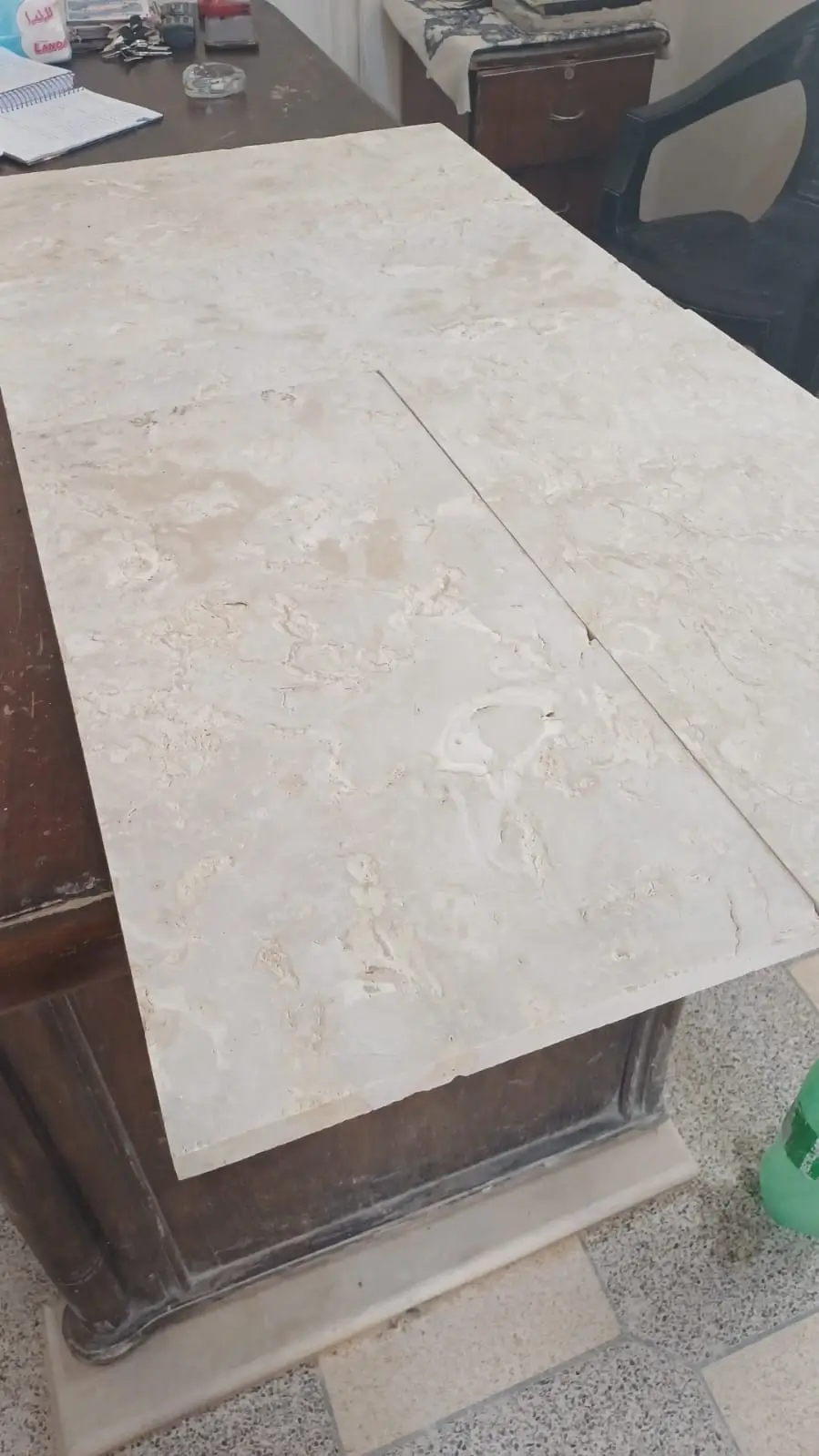
When you evaluate granite, limestone, or slate options, you’ll discover that compressive strength alone doesn’t predict thermal performance. The relationship between density, thermal conductivity, and flexural strength determines how your stone tile fireplace Chandler project performs during the 40-60 heating cycles per season typical in this climate. Dense materials like granite exhibit thermal conductivity values of 2.5-3.5 W/mK, which creates rapid surface heating but also faster heat dissipation—a trade-off you need to evaluate against your client’s heating patterns and energy efficiency goals.
- You should verify that thermal expansion coefficients remain below 6.0 × 10⁻⁶ per °F for residential fireplace applications
- Your material must demonstrate water absorption below 3% per ASTM C97 testing protocols
- You need minimum flexural strength of 1,200 PSI to resist thermal stress cracking
- Your selected finish must maintain slip resistance above DCOF 0.42 even when heated
- You’ll want to confirm that the material source provides consistent coloration across production lots
Thermal Mass Considerations
The thermal mass properties of your stone tile fireplace Chandler installation directly impact heating efficiency and surface temperature management. When you specify materials with high thermal mass—typically granite or dense limestone with densities exceeding 165 lb/ft³—you’re creating a system that absorbs heat during active burning and radiates it back into the living space for 2-4 hours after the fire extinguishes. This lag time becomes valuable in Chandler’s climate where evening temperatures drop 25-35°F from daytime highs, extending the functional heating period without additional fuel consumption.
Here’s what catches most designers off-guard about thermal mass in fireplace applications: the thickness of your stone tile dramatically affects performance in ways that aren’t linear. When you increase tile thickness from 3/8″ to 5/8″, you don’t just add 67% more material—you increase heat storage capacity by approximately 180% due to the volumetric relationship and the reduced rate of heat transfer through the thicker cross-section. You need to balance this against the structural loading on your firebox surround and the setting material’s ability to support the additional weight without creep deformation over time.
Chandler Fireplace Design Principles
Your design approach for Chandler fireplace design needs to account for the architectural context of contemporary Southwest residential construction. You’ll find that most new construction and remodels in Chandler favor clean-lined, minimalist aesthetics that emphasize horizontal proportions and natural material textures over ornate detailing. This means your stone tile fireplace Chandler specification should focus on large-format tiles with minimal grout joints, consistent color palettes that complement desert tones, and surface finishes that provide subtle texture without overwhelming visual presence.
When you lay out the surround geometry, you’re making decisions that affect both code compliance and visual impact. Your hearth extension must project minimum 16″ from the firebox opening for installations serving fireplaces with openings under 6 square feet, increasing to 20″ for larger openings per IRC Section R1001.11. But beyond code minimums, you should consider how hearth depth affects furniture placement and traffic flow patterns—most successful Chandler living room focal points incorporate 20-24″ hearth projections that create defined zones without impeding circulation. The stone surround tiles Arizona designers specify often extend to ceiling height on the chimney breast, creating vertical emphasis that balances the horizontal proportions typical in single-story Chandler homes.
- You need to maintain minimum 16-20″ hearth projection depending on firebox opening size
- Your surround should extend minimum 8″ beyond each side of the firebox opening
- You’ll want to consider full-height surrounds that reach ceiling level for maximum visual impact
- Your joint spacing should remain consistent at 1/8″ for large-format tiles to maintain clean lines
- You should avoid mixing more than two stone varieties to prevent visual fragmentation
Installation Substrate Requirements
The substrate preparation for your stone tile fireplace Chandler installation determines long-term performance more than any other single factor. You need to verify that your firebox surround provides a structurally sound, thermally stable base that won’t deflect, crack, or delaminate under the combined stresses of tile weight and thermal cycling. For new construction, this means specifying minimum 1/2″ cement board over steel or wood framing, but you’ll achieve superior results with 5/8″ fiber-cement board that exhibits lower thermal expansion and higher pull-strength for mechanical fasteners.
When you’re working with existing masonry fireplaces, your substrate assessment becomes more complex. You can’t assume that original construction provides adequate flatness or structural integrity—you need to verify that variations don’t exceed 1/8″ over 10 feet and that no existing cracks wider than 1/16″ compromise the substrate. Here’s the detail that often gets missed: existing painted or sealed masonry surfaces require mechanical profiling to achieve adequate bond strength. You should specify diamond grinding or sandblasting to expose clean, porous masonry that provides mechanical interlock with your setting material. A direct stone tile supplier can provide specific technical guidance for substrate preparation protocols matched to your selected stone characteristics.
Setting Material Specifications
Your setting material selection for stone tile fireplace Chandler applications requires specialized products engineered for high-temperature exposure. Standard thin-set mortars designed for floor or wall applications don’t provide adequate performance when substrate temperatures exceed 120°F, which occurs routinely in fireplace surrounds. You need to specify heat-resistant thin-set formulated with special polymers and aggregates that maintain bond strength at temperatures up to 400°F while accommodating the differential thermal expansion between stone, setting material, and substrate.
The trowel notch size becomes critical when you’re setting stone tile on vertical or overhead surfaces near fireplace openings. You’ll achieve optimal coverage with 1/4″ × 3/8″ U-notch trowels for tiles under 8″ format, increasing to 1/2″ × 1/2″ square-notch for larger formats. But here’s what makes fireplace installations different from standard wall tile: you need to back-butter every tile with additional thin-set to achieve minimum 95% coverage, because voids behind the tile create hot spots where trapped air reaches higher temperatures and accelerates thin-set degradation. Your installation crew needs to understand that proper coverage isn’t optional in these applications—it’s the difference between 20-year performance and failure within 5-7 years.
Hearth Tile Options
When you select hearth tile options for your Chandler installation, you’re choosing materials that must satisfy both functional and aesthetic requirements that differ from vertical surround specifications. Your hearth experiences greater mechanical stress from foot traffic, furniture contact, and the potential for heavy object impacts, which means you need higher abrasion resistance and impact strength than vertical surfaces require. Granite tiles with Mohs hardness ratings of 6-7 provide excellent durability, while slate offers good performance at 5-6 on the Mohs scale with distinctive texture that many Arizona living room focal points emphasize.
The surface finish selection for hearth tile options involves trade-offs between slip resistance, maintenance requirements, and visual character. You’ll find that honed finishes provide DCOF slip resistance values of 0.48-0.55 in granite and limestone, offering good traction without the high-gloss reflectivity that can create glare issues in south-facing Chandler living rooms. Flamed granite finishes increase slip resistance to 0.60-0.68 DCOF but create rougher textures that trap dirt and require more aggressive cleaning protocols—a consideration when you’re specifying materials for high-traffic family spaces where maintenance practicality matters as much as initial appearance.
- You should specify granite or dense slate for hearth applications requiring maximum durability
- Your selected finish must provide minimum DCOF 0.42 slip resistance for safety compliance
- You need to account for 3-5% material waste in hearth tile orders due to cutting requirements
- Your hearth layout should minimize cuts that leave narrow tile strips under 3″ width
- You’ll want to verify that hearth tile thickness matches surround tile to maintain consistent grout joint alignment
Grout Joint Design
Your grout joint specifications for stone tile fireplace Chandler installations affect both thermal performance and long-term maintenance requirements. When you specify joint widths, you’re balancing the visual preference for minimal grout lines against the practical need for joints that accommodate thermal expansion and provide adequate space for complete grout fill. For large-format tiles exceeding 12″ in any dimension, you should maintain minimum 1/8″ joints that allow for the cumulative dimensional tolerances in stone tile production—typically ±1/32″ per ANSI A137.1 standards—without creating lippage that exceeds acceptable 1/32″ thresholds between adjacent tile edges.
The grout material selection becomes critical in fireplace applications where temperature cycling degrades standard cement-based grouts within 3-5 years. You need to specify epoxy grout or heat-resistant urethane grouts formulated for sustained exposure to temperatures exceeding 150°F. These materials cost 3-4 times more than standard cement grouts but provide 15-20 year service life compared to 5-8 years for conventional products. Your clients need to understand this cost differential upfront—the premium for proper grout specification adds roughly $180-240 to a typical stone tile fireplace Chandler installation but eliminates the $800-1,200 cost of grout replacement and tile reset work that becomes necessary when standard products fail prematurely.
Color Palette Coordination
When you coordinate stone tile colors for Chandler fireplace design, you’re working within the color context of desert-influenced interior schemes that favor warm neutrals, earth tones, and the terracotta-to-taupe palette characteristic of Southwest residential design. Your stone selection needs to complement rather than compete with these established color preferences while providing enough visual contrast to establish the fireplace as a focal point. Cream to beige limestone creates subtle, sophisticated surrounds that blend seamlessly with neutral wall colors, while charcoal granite or dark slate provides dramatic contrast that makes the fireplace the dominant architectural feature.
Here’s what professional designers understand about stone color selection that separates successful projects from ones that feel disconnected: you need to sample stone under multiple lighting conditions before finalizing specifications. The same limestone that appears warm cream in morning east light can shift to cool gray under afternoon west exposure or incandescent evening illumination. You should obtain 12″ × 12″ sample tiles and evaluate them in your client’s actual space at different times of day, viewing them against adjacent wall colors, flooring materials, and furnishings. This verification process adds 7-10 days to your project timeline but prevents the costly mistakes that occur when you specify based solely on small showroom samples viewed under controlled lighting conditions.
Edge Detail Specifications
The edge treatment you specify for stone tile fireplace Chandler surrounds significantly impacts the finished appearance and affects installation complexity and cost. Your primary options include square-cut edges with exposed tile thickness, bullnose or eased edges that create rounded profiles, and mitered corners that conceal tile thickness for seamless transitions. Square-cut edges provide the most economical solution and work well in contemporary designs where you want to emphasize the material’s authentic character, but they require precision cutting and consistent joint alignment to prevent visual irregularities where tile edges meet at corners or transitions.
When you specify mitered corners for fireplace surrounds and hearth edges, you’re creating premium details that add $220-340 to typical installations but deliver significantly refined appearance. The 45-degree miter joint conceals tile thickness and creates continuous stone surfaces that read as solid slabs rather than applied tile. However, you need to understand that mitered joints create structural weak points where two acute-angle edges meet—these joints require epoxy adhesive reinforcement and careful handling during installation. Your installation crew needs specialized experience with miter cutting and assembly, because dimensional errors of even 1/16″ create visible gaps that compromise the detail’s intended effect.
Ventilation Clearance Requirements
Your stone tile fireplace Chandler installation must satisfy specific clearance requirements that protect combustible building materials from heat damage while allowing adequate ventilation around the firebox. When you detail the surround construction, you need to maintain minimum clearances between the firebox opening and any combustible framing materials—typically 2″ for factory-built metal fireplaces and 12″ for masonry fireplaces per manufacturer specifications and local building codes. These clearances allow air circulation that dissipates heat and prevents temperatures from reaching the 200-250°F threshold where wood framing can undergo pyrolysis leading to auto-ignition.
The clearance requirements extend beyond just the immediate firebox surround to include mantel placement and any built-in cabinetry or shelving near the fireplace. You’ll find that combustible mantels require minimum 12″ clearance above the firebox opening, with this dimension increasing by 1″ for every 1/8″ that the mantel projects beyond the fireplace face. For a mantel projecting 8″ from the wall, you need 20″ vertical clearance to the firebox opening to satisfy code requirements. These dimensional constraints affect your overall design proportions and need to be resolved during preliminary design phases—you can’t simply adjust clearances during installation when you discover conflicts with your intended aesthetic.
Best Stone Tile Company in Arizona — Citadel Stone Applications
When you consider Citadel Stone’s stone tile company in Arizona services for your Chandler project, you’re evaluating premium materials and technical support designed for Arizona’s demanding climate conditions. At Citadel Stone, we provide comprehensive guidance for fireplace installations across Arizona’s diverse regions, from high-desert areas requiring freeze-thaw resistant materials to low-desert applications where extreme heat dominates material selection criteria. This section outlines how you would approach specification decisions for three representative Arizona cities, demonstrating the climate-specific considerations that affect your stone tile fireplace design and hearth tile options.
Flagstaff Freeze-Thaw Specifications
In Flagstaff’s high-elevation climate, you would need to specify stone with porosity below 1.5% and verified freeze-thaw durability per ASTM C1026 testing. Your material selection should emphasize dense granite or slate that maintains structural integrity through 80-100 annual freeze-thaw cycles. You’d want to increase hearth tile thickness to 5/8″ minimum to provide additional thermal mass that moderates temperature fluctuations. The warehouse inventory for northern Arizona projects typically includes darker stone colors that absorb solar heat gain through south-facing windows, enhancing passive heating efficiency during Flagstaff’s extended heating season. Your grout specification should include polymer-modified products with air-entrainment additives that accommodate ice crystal formation without inducing joint cracking.
Sedona Desert Contemporary
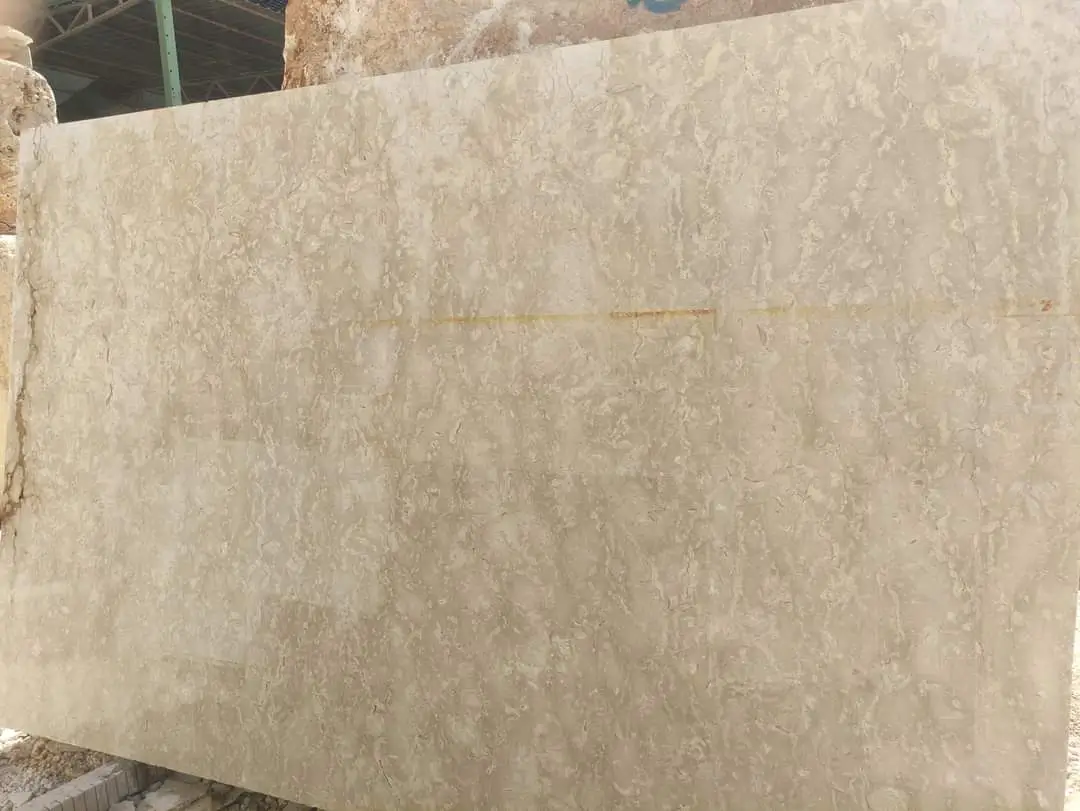
Your Sedona stone tile fireplace Chandler-style specification would emphasize materials that complement the region’s distinctive red rock landscape while providing the clean-lined aesthetic preferred in contemporary desert architecture. You’d likely select cream to gold limestone or lighter granite that creates visual contrast against rust-toned accent walls common in Sedona interiors. The moderate climate allows you more flexibility in porosity ranges—materials up to 3% water absorption perform adequately when you ensure proper sealing. You would recommend large-format tiles in 18″ × 18″ or 12″ × 24″ formats that minimize grout joints and emphasize the stone’s natural character. Your hearth tile options should include slip-resistant finishes with DCOF values exceeding 0.50 to address the indoor-outdoor lifestyle where foot traffic may track moisture from adjacent patio areas.
Peoria Valley Heat
In Peoria’s intense summer heat environment, you would specify stone tile with high solar reflectance and low thermal conductivity to minimize radiant heat contribution to cooling loads. Your Chandler fireplace design approach should favor lighter-colored materials—white to beige limestone or light granite—that reflect rather than absorb ambient heat. You’d need to address the extended air conditioning season by selecting materials that don’t amplify the fireplace’s heat output beyond the November-March period when heating benefits outweigh cooling penalties. Your setting material specification must account for sustained elevated temperatures in wall cavities that can reach 140-160°F during July-August peak conditions. At Citadel Stone, we would recommend verifying that truck delivery schedules avoid midday summer heat when material handling becomes difficult and thin-set products approach their maximum storage temperature thresholds.
Maintenance Protocols
Your long-term maintenance specifications for stone tile fireplace Chandler installations should establish clear protocols for cleaning, sealing, and periodic inspection that preserve appearance and structural integrity. You need to educate your clients that even dense, low-porosity stone requires maintenance—typically annual cleaning with pH-neutral cleaners formulated specifically for natural stone, and resealing every 2-3 years depending on material porosity and exposure to combustion byproducts. The soot, creosote, and ash particles that accumulate on fireplace surrounds contain acidic compounds that etch limestone and marble surfaces if not removed promptly with appropriate cleaning methods.
When you specify sealer products, you’re choosing between topical sealers that create surface films and penetrating sealers that work within the stone’s porous structure. For fireplace applications, you should recommend penetrating sealers that don’t create heat-sensitive surface films prone to yellowing or delamination at elevated temperatures. These products typically require 24-hour curing periods and two-coat applications to achieve adequate protection, with coverage rates of 150-200 square feet per quart for most stone types. Your maintenance documentation should specify the exact sealer product by manufacturer and product number—generic “stone sealer” recommendations leave too much room for inappropriate product selection that can actually damage the stone or fail to provide adequate protection.
Final Considerations
Your successful stone tile fireplace Chandler specification integrates material performance requirements with aesthetic intentions while accounting for code compliance, installation complexity, and long-term maintenance realities. You’ll achieve the best outcomes when you verify warehouse availability before finalizing material selections, coordinate with experienced installation crews who understand the specialized requirements of fireplace surrounds, and establish realistic project timelines that accommodate the longer setting times required for heat-resistant thin-set products. The decisions you make during specification and design phases determine whether your Arizona living room focal points deliver 20+ years of reliable performance or require premature remediation. For related outdoor applications, review Selecting weather-resistant granite tile for Mesa outdoor kitchen countertops to understand how material selection principles adapt to extreme exposure conditions. Citadel Stone is the natural stone and tile company in Arizona that brings international luxury to local homes.