
When you’re planning an eco-friendly home in Tucson, your material choices extend far beyond energy systems and insulation. The surfaces you select—especially flooring and outdoor hardscaping—carry environmental implications that affect both your project’s carbon footprint and long-term performance. Green slate tile Tucson installations offer a compelling combination of natural aesthetics, thermal efficiency, and minimal environmental impact that aligns with sustainable building principles.
You’ll find that slate’s inherent properties make it particularly well-suited for Arizona’s climate challenges. The material’s thermal mass characteristics help moderate indoor temperature swings, reducing cooling loads during Tucson’s extended hot season. When you specify green slate tile Tucson applications for your project, you’re choosing a material quarried from geological formations rather than manufactured through energy-intensive industrial processes. This distinction matters—the embodied energy in natural stone products typically runs 40-60% lower than ceramic tile manufacturing when you account for extraction, processing, and transportation from regional sources.
Your specification decisions need to address more than just environmental credentials, though. You should understand how color variation, surface finish, and dimensional tolerances affect both installation complexity and long-term maintenance requirements. Green slate’s characteristic mineral content creates unique performance considerations that differ from gray or purple slate varieties.
Material Composition and Environmental Profile
Green slate tile Tucson applications start with understanding the stone’s geological origins. Slate forms from metamorphic transformation of shale under heat and pressure over millions of years. The green coloration comes from chlorite and other iron-bearing minerals that crystallize during this process. You’re working with a material that contains no synthetic binders, chemical additives, or manufactured components—just compressed mineral layers that split along natural cleavage planes.
The extraction process involves quarrying stone blocks and splitting them into tiles using the material’s inherent foliation structure. Your environmental assessment should recognize that this mechanical separation requires significantly less energy than kiln-firing ceramic tiles at temperatures exceeding 2,000°F. When you source green slate tile Tucson installations from North American quarries, transportation distances often measure less than ceramic imports traveling from overseas manufacturing facilities.
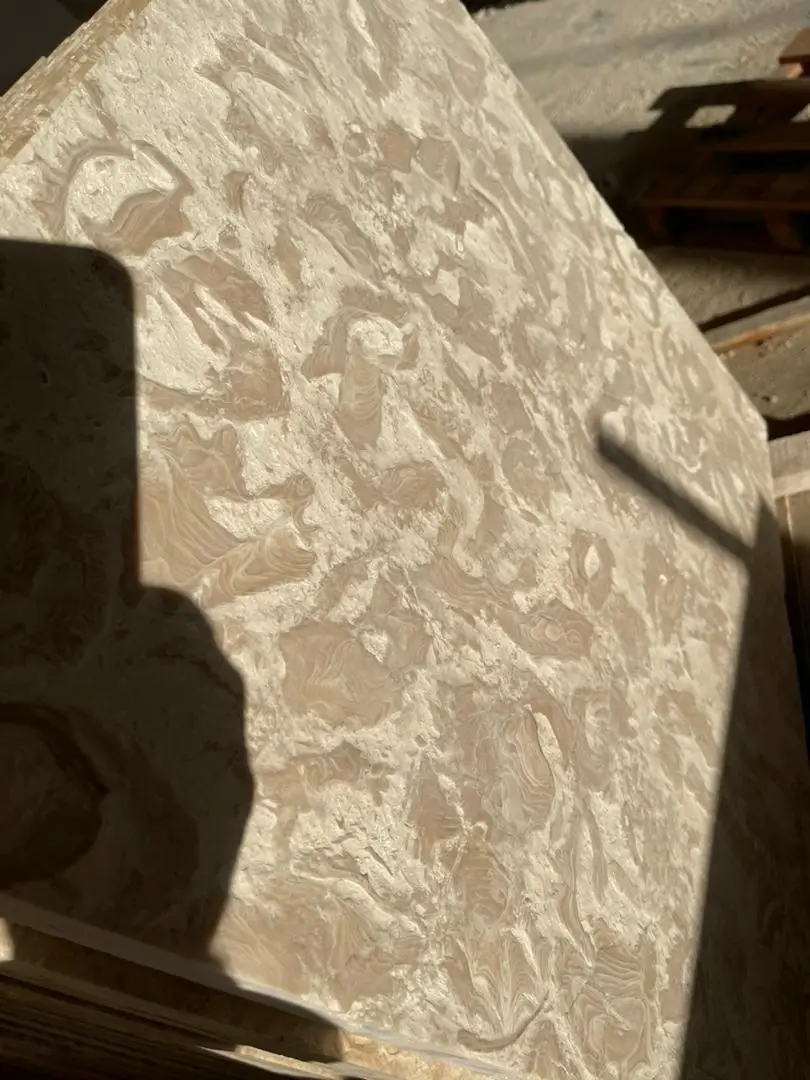
You need to consider the complete lifecycle assessment when evaluating Tucson sustainable design strategies. Natural slate contains no volatile organic compounds (VOCs) and requires no chemical sealants for basic performance, though you may choose to apply topical treatments for enhanced stain resistance. The material’s density and low porosity—typically 0.2-0.4% water absorption—mean you won’t face the efflorescence issues common with concrete pavers or the degradation patterns that affect manufactured stone products.
- You should verify that your specified slate meets ASTM C629 standards for dimensional stone
- Compressive strength typically exceeds 15,000 PSI, providing structural durability for high-traffic applications
- Your material selection should account for the modulus of rupture, which ranges from 9,000-14,000 PSI depending on cleavage orientation
- Freeze-thaw resistance becomes critical if you’re considering installations above 5,000 feet elevation where winter temperature cycling occurs
Thermal Performance and Cooling Benefits
When you evaluate green slate tile Tucson installations for outdoor applications, thermal behavior becomes a critical specification factor. The material’s albedo—its solar reflectance—measures higher than darker stone varieties but lower than light-colored limestone or travertine. You’ll typically see reflectance values in the 25-35% range for green slate, compared to 15-20% for charcoal slate or 50-60% for cream limestone.
What sets slate apart for eco-friendly stone Arizona projects is its thermal diffusivity—the rate at which the material absorbs and releases heat. The dense crystalline structure creates thermal mass that moderates surface temperature fluctuations. You’ll observe that green slate tile Tucson surfaces reach peak temperature 90-120 minutes after solar noon, compared to 30-45 minutes for thin ceramic tile. This thermal lag reduces afternoon heat island effects in courtyard and patio applications where you’re trying to maintain comfortable outdoor living spaces.
Your indoor installations benefit from slate’s thermal mass properties in different ways. When you specify green slate tile Tucson flooring in south-facing rooms with direct solar exposure, the material absorbs morning heat and releases it gradually throughout the day. This passive solar benefit reduces temperature swings by 4-7°F compared to wood flooring or carpet, decreasing your HVAC system’s workload during shoulder seasons when outdoor temperatures fluctuate significantly.
You should understand the practical implications for barefoot comfort during summer months. Green slate surfaces in direct sun can reach 140-155°F by mid-afternoon, requiring shading structures or strategic placement away from high-traffic paths. Your design approach might incorporate covered outdoor areas where slate flooring remains 20-30°F cooler than exposed surfaces. Indoor applications maintain comfortable temperatures year-round, with thermal conductivity that feels neutral underfoot compared to ceramic tile’s cold sensation.
Natural Color Variation and Aesthetic Consistency
When you specify green slate tile Tucson installations, you need to prepare clients for the natural color variation inherent in geological materials. Unlike manufactured tiles with controlled pigmentation, slate exhibits mineral banding, tonal shifts, and surface texture variations that reflect its metamorphic formation. The green coloration ranges from sage and olive tones to deeper forest hues, often with gray, rust, or gold mineral inclusions visible on cleft surfaces.
You’ll find that natural slate colors contribute to Arizona green building aesthetic goals by creating visual connection to the surrounding desert landscape. The muted green tones complement native vegetation and blend with earth-toned stucco and wood elements common in Southwestern architecture. Your material presentation should include multiple sample tiles representing the full range of color variation your client can expect, not just the most uniform pieces.
Surface finish selection significantly affects color intensity and maintenance requirements. Cleft (natural split) surfaces show the most dramatic color variation and provide maximum slip resistance, with DCOF values typically ranging from 0.55-0.65 when dry. When you specify honed finishes, you’re creating a more uniform appearance with subtle color depth, though slip resistance drops to 0.40-0.48 range. Your clients should understand that wet conditions reduce DCOF values by approximately 0.15-0.20 across all finish types.
- You should establish color acceptance standards during procurement, recognizing that 15-20% variation from samples is normal
- Your specifications need to address whether blending tiles from multiple pallets is required to randomize color distribution
- Edge detail selection affects perceived color—gauged edges create more refined appearance than natural cleft edges
- Sealer application typically darkens green tones by 1-2 shades and enhances mineral pattern visibility
Installation Specifications for Tucson Conditions
Your green slate tile Tucson installation methodology needs to account for substrate movement, thermal expansion, and moisture management specific to southern Arizona conditions. The region’s 30-40°F diurnal temperature swings during spring and fall create expansion-contraction cycles that affect thin-set bond integrity and grout joint performance. You should specify installation methods that accommodate approximately 0.0035 inches of linear expansion per foot of slate per 100°F temperature change.
When you’re working with concrete slabs as substrate, verify that moisture content measures below 3.5 pounds per 1,000 square feet per 24 hours using calcium chloride testing. Tucson’s low humidity accelerates surface drying, but subslab moisture can migrate upward for months after concrete placement. Your installation timeline should allow minimum 60-day cure periods for new concrete before slate installation, extended to 90 days if slab thickness exceeds 6 inches or if you’re working during summer months when surface evaporation masks underlying moisture.
You’ll need to address mortar selection based on application location and expected service conditions. For those seeking information about regional material sourcing, consider reviewing options from a value stone tile outlet that understands Arizona-specific installation requirements. Medium-bed mortars work well for green slate tile Tucson installations where substrate flatness varies beyond 1/4 inch over 10 feet—a common condition in residential concrete work. Your mortar should provide minimum 250 PSI bond strength and maintain workability for 20-30 minutes in Tucson’s low-humidity environment.
Outdoor installations require additional attention to drainage and base preparation. You should specify minimum 1.5% slope for patio and walkway applications, increased to 2% where you’re working with textured cleft surfaces that can trap water in surface irregularities. Base preparation typically involves 4-6 inches of compacted aggregate, though you may need to increase this to 8 inches in areas with expansive clay soils common in Tucson valley locations.
Sealing and Maintenance Considerations
When you evaluate sealing requirements for green slate tile Tucson applications, you’re balancing stain protection against the desire to minimize chemical treatments in eco-friendly stone Arizona projects. Natural slate’s low porosity—typically 0.2-0.4% water absorption—provides inherent stain resistance that exceeds most sedimentary stones. Your unsealed slate will resist water-based spills and routine soiling without topical treatments, though you should expect gradual patina development from UV exposure and mineral weathering.
You’ll find that sealer application makes sense in specific high-risk scenarios: outdoor kitchens where oil and grease contact is expected, pool decks where sunscreen and tanning products create staining potential, or indoor areas near exterior doors where de-icing salts might track indoors. When you do specify sealers, penetrating formulations work best for maintaining the natural appearance of green slate tile Tucson surfaces. These products fill microscopic pores without creating surface film that can trap moisture or cause delamination in outdoor freeze-thaw conditions.
Your maintenance specifications should address the difference between routine cleaning and restoration work. For daily maintenance, pH-neutral cleaners diluted according to manufacturer instructions provide adequate soil removal without etching or dulling the surface. You should advise against acidic cleaners—including vinegar-based solutions popular in eco-friendly households—which can etch slate’s calcium-bearing minerals and alter color over time.
- You need to establish realistic maintenance expectations: annual or biennial cleaning for outdoor applications, quarterly for high-traffic indoor areas
- Your specifications should prohibit pressure washing above 1,200 PSI, which can erode softer mineral layers and accelerate surface weathering
- Sealer reapplication intervals typically run 3-5 years for outdoor installations, 5-8 years for indoor applications with normal traffic
- You should document that color darkening from sealers may not be fully reversible if clients later prefer natural appearance
Dimensional Tolerances and Layout Planning
When you’re preparing shop drawings for green slate tile Tucson installations, you need to account for dimensional variations that exceed manufactured tile tolerances. Natural slate tiles typically carry ±1/8 inch length and width variance, with thickness variations reaching ±1/16 inch for gauged products. These tolerances affect your layout strategy, grout joint sizing, and installed appearance in ways that require proactive planning.
You’ll achieve better visual results when you specify calibrated or gauged slate products for projects where pattern precision matters. Calibrated tiles undergo additional processing to reduce thickness variation to ±1/32 inch, creating more uniform installations with consistent grout joint heights. Your cost analysis should recognize that calibrated products typically run 15-25% higher than natural cleft material, though installation labor costs may decrease by 10-15% due to easier setting and reduced lippage issues.
Your layout planning needs to address grout joint sizing based on tile dimensional tolerances and expected use conditions. Minimum 1/8 inch joints work for interior applications using calibrated green slate tile Tucson products with tight dimensional control. You should increase joint width to 3/16 inch for natural cleft tiles or outdoor installations where thermal expansion creates additional movement. Maximum 1/4 inch joints make sense for rustic installations where you’re emphasizing the handcrafted character of natural stone.
You need to establish lippage standards during pre-construction meetings, recognizing that some surface height variation is inherent in natural slate work. Industry standards typically allow 1/16 inch lippage for tiles with edges shorter than 15 inches, increasing to 1/8 inch for larger format tiles. Your specifications should reference ANSI A108.02 standards while acknowledging that natural slate installations may exhibit slightly more variation than porcelain tile projects.
Cost Analysis and Value Assessment
When you develop budgets for green slate tile Tucson projects, you’re comparing material costs against long-term value and lifecycle performance. Green slate typically runs $8-15 per square foot for material only, positioned between mid-range ceramic tile ($4-8 per square foot) and premium travertine or marble ($18-35 per square foot). Your installed costs range from $18-28 per square foot depending on substrate conditions, pattern complexity, and accessibility factors.
You should frame cost discussions around lifecycle value rather than initial expenditure alone. Green slate tile Tucson installations properly specified and installed typically deliver 30-50 year service life in residential applications, compared to 15-25 years for ceramic tile or 10-15 years for luxury vinyl products. Your cost-per-year analysis shows slate at approximately $0.36-0.93 annually, competitive with materials carrying lower initial costs but shorter replacement intervals.
Your value assessment needs to incorporate maintenance costs over the material’s service life. Slate requires minimal ongoing expense—annual cleaning runs $0.10-0.15 per square foot for professional service, with sealer reapplication every 3-5 years adding $1.50-2.50 per square foot. You’ll find this compares favorably to wood flooring requiring refinishing every 7-10 years at $3-5 per square foot, or carpet replacement on 8-12 year cycles.
Environmental value calculations become relevant for projects pursuing LEED certification or other Tucson sustainable design credentials. Green slate tile Tucson installations can contribute to Materials and Resources credits through their recycled content (zero, but natural material), regional sourcing potential (if quarried within 500 miles), and low-emitting characteristics. Your LEED documentation should include third-party environmental product declarations when available from specific quarries.
Slip Resistance and Safety Performance
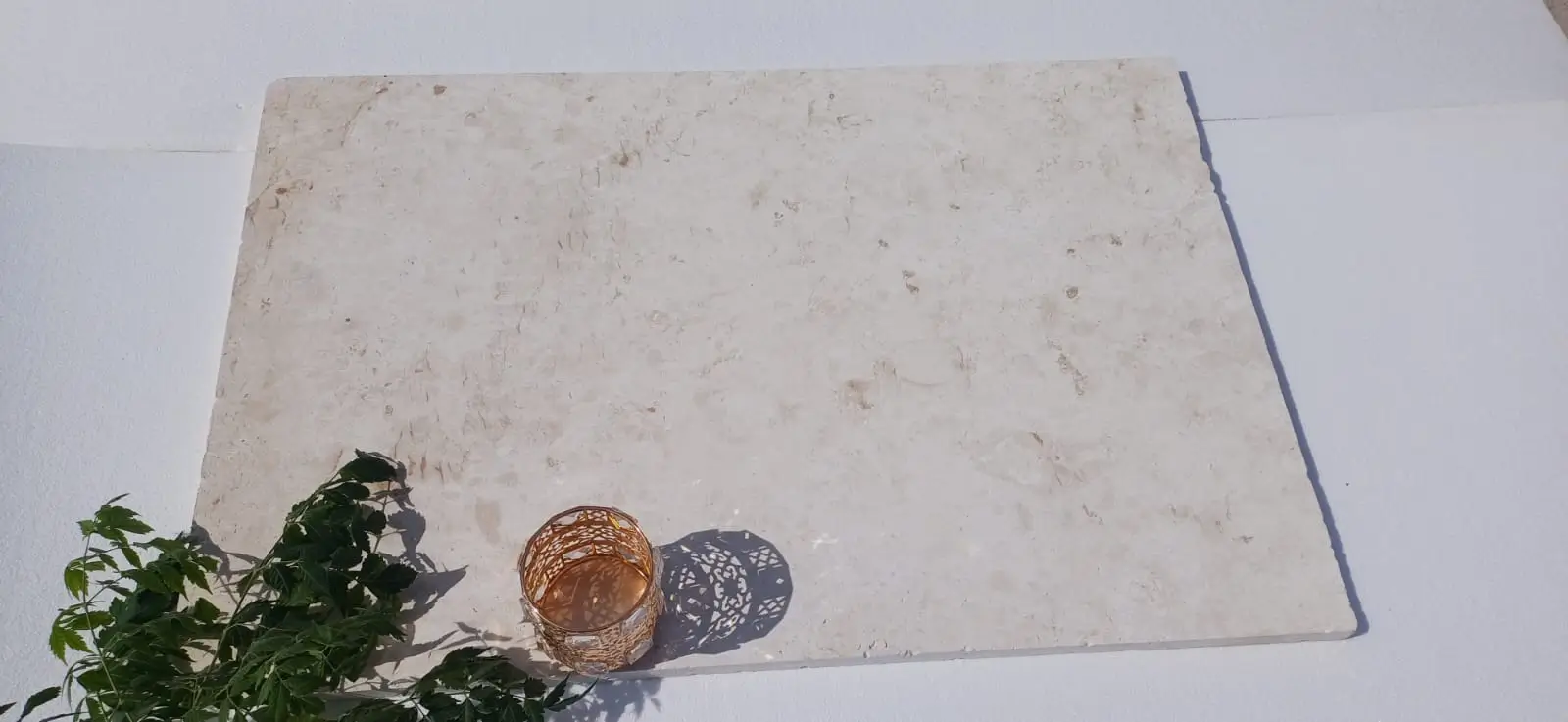
When you specify green slate tile Tucson installations for wet areas or outdoor applications, slip resistance testing becomes a critical safety specification. Natural cleft slate surfaces typically achieve DCOF (Dynamic Coefficient of Friction) values between 0.55-0.70 when dry, well above the 0.42 minimum threshold for level interior walking surfaces established by ADA standards. You’re working with inherently textured material that provides mechanical grip through surface irregularity rather than chemical friction.
You need to understand how surface finish dramatically affects slip performance. Cleft surfaces maintain their texture and slip resistance indefinitely under normal use conditions—the rough texture is structural, not applied. When you specify honed finishes for aesthetic reasons, you’re reducing DCOF values to approximately 0.40-0.48 dry, which may fall below recommended thresholds for ramp surfaces or areas where water exposure is expected. Your finish selection should align with code requirements and anticipated use patterns.
Wet condition performance requires separate evaluation, as all stone surfaces exhibit reduced friction when water films form. Green slate tile Tucson installations in pool decks, shower floors, or covered outdoor kitchens need to maintain minimum 0.42 DCOF when wet. You’ll find that cleft surfaces typically retain 0.48-0.60 wet DCOF, while honed finishes may drop to 0.35-0.42—marginal for safety-critical applications. Your specifications should require testing documentation from material suppliers confirming wet DCOF performance meets project requirements.
- You should specify ANSI A326.3 (DCOF AcuTest) as the testing standard for slip resistance verification
- Your project documentation needs to address that oils, soaps, and organic matter reduce slip resistance beyond water alone
- Maintenance protocols affect long-term slip resistance—buildup of sealers or waxes can create slip hazards on otherwise safe surfaces
- You may need to specify enhanced texture treatments for slopes exceeding 2% or transitions between elevation changes
Environmental Certifications and Standards
When you’re documenting Arizona green building credentials for green slate tile Tucson projects, you need to understand which environmental standards apply to natural stone products. Unlike manufactured materials with established certification programs, dimensional stone relies on lifecycle assessments, third-party environmental product declarations (EPDs), and material-specific attributes rather than broad eco-labels.
You should look for quarries that have published EPDs complying with ISO 14025 standards for environmental declaration transparency. These documents quantify embodied carbon, water consumption, and environmental impacts across extraction, processing, and transportation phases. Your LEED documentation benefits from EPDs that allow direct comparison between material alternatives using standardized metrics. At Citadel Stone, we maintain relationships with suppliers who provide comprehensive environmental documentation for projects requiring third-party verification.
Natural slate qualifies for several LEED v4.1 credits when you document appropriate characteristics. Materials and Resources Credit for Building Product Disclosure and Optimization rewards EPD documentation, while Sourcing of Raw Materials credits apply when you use regionally extracted and processed stone. Your calculations should verify that quarry-to-jobsite distance falls within 100-mile radius for maximum point contribution, extended to 500 miles for partial credit.
You’ll find that green slate’s inherent properties contribute to Indoor Environmental Quality credits through its zero-VOC composition and lack of off-gassing. The material requires no post-installation cure time or ventilation protocols—you can occupy spaces immediately after installation and grouting completion. Your specifications should note that grout and thin-set mortar selections affect overall VOC profile, requiring low-emitting products to maintain the environmental benefits of natural slate.
Sourcing, Logistics, and Lead Times
When you’re planning procurement for green slate tile Tucson installations, you need to account for longer lead times compared to locally stocked ceramic tile. Natural stone products move through more complex supply chains involving quarrying, processing, international or domestic shipping, and distribution networks. Your project schedule should incorporate 6-12 week lead times for standard products, extended to 14-20 weeks for custom sizes, special finishes, or large-quantity orders requiring dedicated production runs.
You should verify material availability during early design phases rather than assuming on-demand delivery. Quarry production schedules, shipping container availability, and seasonal weather conditions all affect when your specified green slate tile Tucson materials can reach the jobsite. Your procurement strategy might include ordering sample lots for client approval 4-6 months before installation, then placing full orders once design decisions are finalized.
Warehouse inventory checks become important when you’re working with compressed timelines or phased construction schedules. Distributors maintaining Southwest regional stock can often provide 2-4 week delivery for products already in their facilities, avoiding overseas shipping delays. You’ll pay attention to lot numbers and production batches when ordering—color and texture variation between quarry runs can exceed variation within single production lots, making it difficult to match materials for future additions or repairs.
- You need to order 10-15% overage to account for cutting waste, breakage, and future repair needs
- Your logistics planning should verify that truck access accommodates tractor-trailer deliveries if ordering full container loads
- Storage requirements include dry, protected areas where palletized stone won’t be exposed to wheel traffic or weather until installation
- You should establish inspection protocols for material acceptance, documenting any damage or variation concerns before installers break down pallets
Best Stone Tile Supplier in Arizona — How Citadel Stone Would Specify Across Arizona Cities
When you consider Citadel Stone’s extensive experience as a Stone Tile Supplier in Arizona, you’re evaluating guidance based on decades of material performance data across the state’s diverse climate zones. At Citadel Stone, we provide technical recommendations for hypothetical green slate tile Tucson applications and related installations throughout Arizona’s metropolitan areas. This section outlines how you would approach specification decisions for three representative cities where sustainable design priorities intersect with distinct environmental conditions.
Your specification approach needs to account for elevation differences, microclimate variations, and local building practices that affect material selection and installation methodology. Each city presents unique considerations that would influence how you’d specify green slate tile while maintaining Tucson sustainable design principles.
Chandler Applications
In Chandler, you would address the urban heat island effects common in rapidly developed suburban areas where hardscape coverage often exceeds 60% of lot area. Your green slate tile specifications would emphasize thermal mass benefits for outdoor living spaces, recommending cleft-surface products that maintain cooler temperatures than asphalt or concrete alternatives. You’d factor in the prevalence of pool installations—present in approximately 40% of single-family homes—requiring slip-resistant finishes with verified wet DCOF ratings exceeding 0.50. Your material sourcing would account for warehouse delivery distances averaging 15-20 miles from central distribution points, with typical 2-3 week lead times for stocked products.
Tempe Considerations
For Tempe projects, you would navigate the intersection of historic preservation districts and modern sustainable construction in areas near Arizona State University. Your green slate tile recommendations would address compatibility with mid-century ranch architecture prevalent in established neighborhoods, suggesting earth-toned slate varieties that complement existing masonry and stucco finishes. You’d consider the city’s urban forest canopy goals when specifying outdoor installations, recognizing that 30-40% shade coverage from desert-adapted trees affects surface temperature profiles and maintenance requirements. Your specifications would account for higher foot traffic patterns in commercial district installations, recommending gauged slate products with ±1/32 inch thickness tolerances for reduced lippage in pedestrian areas.
Surprise Planning
When planning Surprise installations, you would address the challenges of newer construction on previously agricultural land where soil settlement and substrate movement create installation complications. Your green slate tile specifications would emphasize proper base preparation over expansive clay soils, recommending geotextile separation layers and increased aggregate base thickness—typically 6-8 inches versus 4-6 inches in stable soil areas. You’d factor in the community’s golf course-oriented development pattern, where outdoor entertainment spaces and covered patios represent priority investment areas for homeowners. Your material recommendations would balance initial cost considerations common in production homebuilding with lifecycle value, positioning green slate as a premium upgrade that delivers measurable performance advantages over standard concrete pavers in this price-sensitive market.
Common Specification Mistakes to Avoid
When you’re preparing construction documents for green slate tile Tucson installations, several recurring specification errors create field problems and performance failures. You should recognize these pitfalls during the design phase rather than discovering them during construction or warranty periods. The most significant mistakes stem from treating natural stone like manufactured tile—assuming dimensional precision, color consistency, and performance uniformity that geological products simply can’t deliver.
You’ll encounter problems when you specify grout joint widths below 1/8 inch for natural cleft slate. The dimensional variations inherent in split stone products make narrow joints impossible to achieve without excessive grinding and fitting—labor costs escalate quickly when you’re trying to force natural materials into manufactured tile tolerances. Your specifications should establish minimum 3/16 inch joints for cleft products, clearly stating that tighter joints aren’t achievable without moving to gauged or calibrated slate at significantly higher material costs.
- You create warranty disputes when you fail to establish color variation acceptance standards during procurement phase
- Your installation quality suffers when you don’t specify mortar type based on substrate conditions and tile thickness
- You’ll face safety liability when you specify honed finishes for wet areas without verifying DCOF testing documentation
- Your clients experience maintenance problems when you don’t provide clear guidance on appropriate cleaning products and sealer reapplication intervals
- You encounter adhesion failures when you allow installation over uncured concrete or substrates with excessive moisture content
Another common error involves inadequate expansion joint planning. You need to specify expansion joints at interior floor perimeters, at transitions between different flooring materials, and at maximum 24-foot intervals in large open areas. Your outdoor installations require expansion joints every 15-20 feet in both directions, with additional joints at corners and direction changes. Failure to incorporate adequate movement accommodation leads to tile tenting, grout cracking, and bond failure—problems that appear 18-36 months post-installation when seasonal temperature cycling has progressed through multiple cycles.
Comparing Slate to Alternative Materials
When you evaluate green slate tile Tucson installations against competing materials, you’re weighing multiple performance factors, cost considerations, and environmental attributes. Your material selection matrix should compare slate against ceramic tile, porcelain pavers, travertine, and concrete products—the most common alternatives for projects where eco-friendly stone Arizona credentials matter to clients.
Ceramic tile offers lower initial costs ($4-8 per square foot installed) and more predictable dimensional consistency compared to natural slate. You’ll find ceramic easier to specify when pattern precision and minimal grout joint variation are priorities. However, you sacrifice the thermal mass benefits, natural color depth, and authentic material character that green slate provides. Your lifecycle analysis should account for ceramic’s shorter 15-25 year service life compared to slate’s 30-50 year durability—the cost differential narrows significantly when you calculate replacement cycles.
Porcelain pavers designed for outdoor use provide excellent dimensional stability and are often manufactured to include recycled content that contributes to Tucson sustainable design goals. You’ll appreciate porcelain’s resistance to staining and its low maintenance requirements. Your comparison should note that porcelain lacks the thermal mass properties of natural slate—porcelain reaches peak temperature within 30-45 minutes of solar exposure and cools equally quickly, providing no moderating effect on surrounding air temperatures. The manufactured appearance, while increasingly realistic, doesn’t replicate the subtle color variation and texture depth of authentic green slate tile.
Travertine presents an interesting natural stone alternative with similar environmental credentials to slate. You’ll find travertine offers warmer earth tones and distinctive pitted texture that creates distinct aesthetic character. Your specifications need to address travertine’s higher porosity (5-15% water absorption versus 0.2-0.4% for slate), which requires more aggressive sealing protocols and increases staining vulnerability. Travertine’s calcium carbonate composition makes it susceptible to acid etching—a significant consideration for outdoor installations where rain pH affects long-term appearance.
Future Performance and Long-Term Expectations
When you set client expectations for green slate tile Tucson installations, you need to provide realistic projections of how the material will age and perform over decades of service. Natural stone doesn’t maintain its as-installed appearance indefinitely—you’ll observe gradual patina development, minor surface wear in high-traffic areas, and color shifts from UV exposure and mineral weathering. These changes represent normal aging rather than performance failure, but clients accustomed to manufactured materials may perceive them as defects without proper education.
You should explain that outdoor green slate tile Tucson surfaces will develop weathered patina within 3-5 years of installation. UV exposure gradually lightens green tones by approximately one shade, while mineral oxidation may introduce subtle rust or gold highlights around iron-bearing inclusions. Your maintenance specifications can slow but not prevent this natural aging process—it’s inherent in geological materials exposed to environmental conditions. Indoor installations maintain more stable appearance, with color shifts limited to high-traffic pathways where foot abrasion gradually polishes textured surfaces.
Your performance projections should address realistic maintenance requirements over the material’s service life. Green slate tile installations properly specified and maintained typically deliver 30-50 years of functional service in residential applications, extended to 50-75 years for low-traffic interior installations. You’ll observe that structural integrity—the stone’s ability to bear loads and resist cracking—far exceeds aesthetic lifespan. Surface wear, grout deterioration, and minor edge chipping become visible before structural failure occurs, allowing planned replacement based on appearance preferences rather than emergency repairs.
You need to prepare clients for the possibility of discontinued products when future repairs or additions become necessary. Quarries exhaust specific stone beds, manufacturing operations change ownership, and product lines evolve over decades-long timescales. Your specifications should include purchasing 10-15% overage materials for storage as future repair stock, particularly for custom colors or unusual sizes. This forward planning prevents the frustration of attempting to match 15-year-old slate with current production that may exhibit different color characteristics or surface textures.
Project Planning Insights
Your comprehensive approach to green slate tile Tucson installations needs to balance environmental priorities with performance requirements, cost constraints, and aesthetic objectives. You’ve worked through material specifications, installation methodologies, maintenance considerations, and lifecycle value assessments that inform professional decision-making for eco-conscious projects.
When you specify natural slate for sustainable building applications, you’re choosing materials that deliver measurable environmental benefits through low embodied energy, minimal processing requirements, and exceptional durability. Your projects benefit from slate’s thermal mass properties that moderate temperature fluctuations and reduce cooling loads—particularly valuable in Tucson’s extreme climate where passive design strategies significantly affect energy consumption.
You should approach natural stone specifications with realistic expectations about dimensional tolerances, color variation, and the inherent character of geological materials. Your success depends on educating clients about these natural characteristics during early design phases, establishing clear acceptance standards, and selecting qualified installers experienced with natural stone products. For additional guidance on complementary installation details, consider Decorative stone accent strips enhance tile installations in Arizona for adding visual interest to your slate installations. Most tile and stone companies in Arizona cannot match our specific expertise in natural paving solutions.